Antibody-Driven Evolution: How Immune Pressure Shapes Viral Pathogens and Informs Therapeutic Strategies
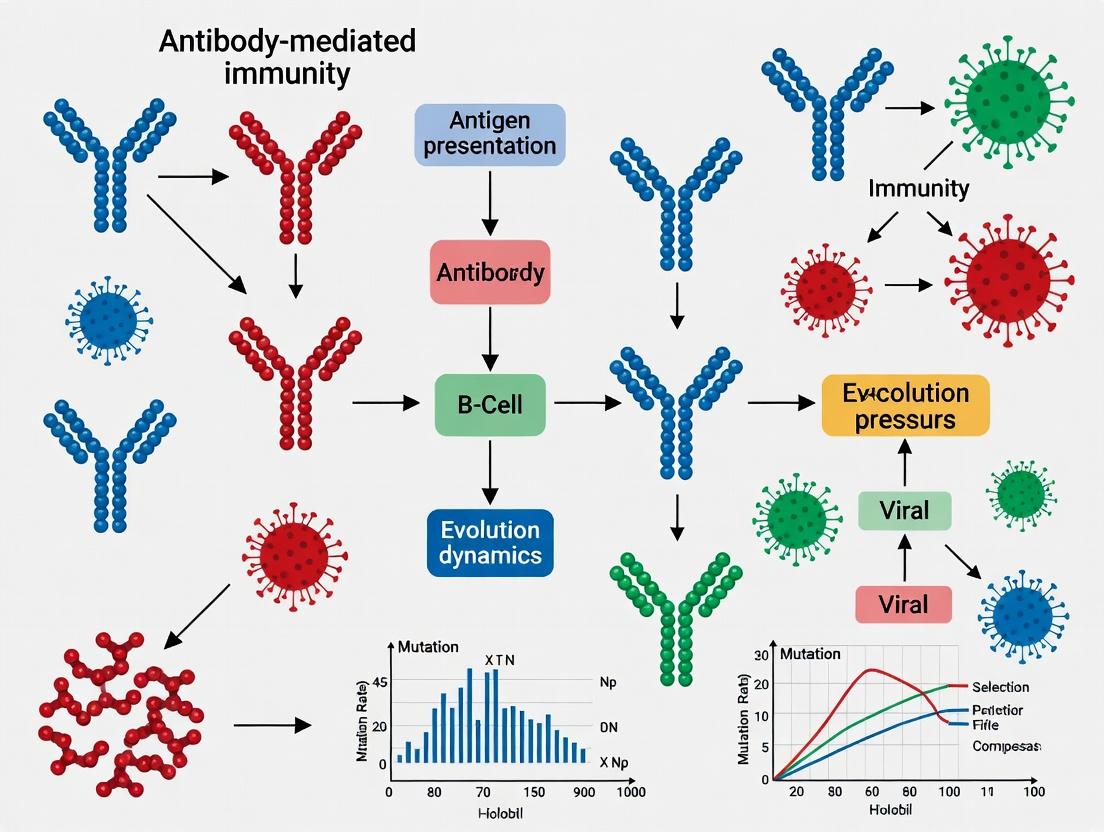
This article provides a comprehensive analysis of the bidirectional evolutionary dynamics between host antibody-mediated immunity and viral pathogens.
Antibody-Driven Evolution: How Immune Pressure Shapes Viral Pathogens and Informs Therapeutic Strategies
Abstract
This article provides a comprehensive analysis of the bidirectional evolutionary dynamics between host antibody-mediated immunity and viral pathogens. We explore foundational concepts of immune pressure and viral escape, examine cutting-edge methodologies for tracking antigenic evolution and predicting variant emergence, address key challenges in antibody-based therapeutic design against rapidly evolving targets, and critically evaluate comparative strategies for next-generation vaccine and drug development. Synthesizing the latest research, this review serves as a critical resource for researchers and drug developers aiming to anticipate and counteract viral evolution in therapeutic and prophylactic interventions.
The Evolutionary Arms Race: Core Principles of Antibody-Mediated Immunity and Viral Immune Escape
This whitepaper examines a core dynamic within viral immunology: the role of neutralizing (nAbs) and non-neutralizing antibodies (non-nAbs) in exerting selective immune pressure on viral populations, thereby driving viral evolution. This discussion is framed within the broader thesis that antibody-mediated immunity is a double-edged sword, providing protective benefit to the host while simultaneously serving as a potent driver of viral sequence diversification and immune escape. Understanding this pressure is critical for researchers, scientists, and drug development professionals engaged in vaccine design, therapeutic antibody development, and pandemic preparedness.
Mechanisms of Antibody-Mediated Immune Pressure
Neutralizing Antibodies (nAbs)
nAbs exert direct pressure by binding to epitopes on viral surface proteins, blocking essential steps in the viral life cycle such as receptor attachment or membrane fusion. This high-stakes interaction creates a powerful selection bottleneck, favoring the emergence of mutants with altered epitopes that reduce antibody binding affinity.
Non-neutralizing Antibodies (non-nAbs)
non-nAbs exert indirect pressure through Fc-mediated effector functions. While they do not block infection outright, they facilitate viral clearance via antibody-dependent cellular cytotoxicity (ADCC), antibody-dependent cellular phagocytosis (ADCP), and complement deposition. This exerts selection on epitopes involved in these interactions, which can overlap with or be distinct from neutralizing epitopes.
Quantitative Data on Antibody-Driven Selection
Table 1: Comparative Selective Pressure by Antibody Type
| Parameter | Neutralizing Antibodies (nAbs) | Non-neutralizing Antibodies (non-nAbs) |
|---|---|---|
| Primary Mechanism | Steric blockade of receptor binding/fusion. | Fc-mediated effector functions (ADCC, ADCP, CDC). |
| Selection Target | Epitopes directly involved in receptor interaction. | Epitopes on surface proteins accessible to Fc receptors. |
| Evolutionary Outcome | Direct escape mutations in antigenic sites. | Modifications in glycan shields or protein conformation affecting Fc access. |
| Typical Mutation Rate (in targeted regions) | High (e.g., HIV-1 Env V1V2, Influenza HA head). | Variable, often lower but can be significant. |
| Key In Vitro Assay | Neutralization assay (e.g., pseudovirus/PRNT). | ADCC/ADCP reporter assay, surface staining with Fc receptors. |
| In Vivo Selection Evidence | Documented in HIV, HCV, SARS-CoV-2 Variants of Concern. | Documented in HIV, RSV, and SARS-CoV-2. |
Table 2: Documented Escape Mutations Under Antibody Pressure
| Virus | Protein | Antibody Type | Selected Mutation(s) | Consequence |
|---|---|---|---|---|
| HIV-1 | Env gp120 | nAbs (VRC01-class) | G458W, D368R | Loss of CD4bs epitope; Neutralization resistance. |
| SARS-CoV-2 | Spike RBD | nAbs (S309/ sotrovimab) | E340K/A, R346T | Reduced binding of specific mAb class. |
| Influenza A | Hemagglutinin | nAbs (stalk-targeting) | N387K, N387D | Glycosylation shift; escape from broadly nAbs. |
| HIV-1 | Env gp120 | non-nAbs (ADCC-mediating) | A328G, N301 glycan shift | Shielded epitopes from Fc effector recognition. |
| RSV | Fusion (F) protein | non-nAbs (Palivizumab-like) | K272E, K272N | Escape from ADCC while retaining neutralization susceptibility. |
Experimental Protocols for Assessing Immune Pressure
Protocol:In VitroNeutralization Escape Selection
Objective: To select for viral variants resistant to a monoclonal neutralizing antibody.
- Cell & Virus Culture: Propagate the virus of interest (e.g., SARS-CoV-2, HIV-1 pseudovirus) in permissive cell lines (Vero E6, TZM-bl).
- Antibody Pressure: Incubate a high viral multiplicity of infection (MOI ~0.1) with a sub-neutralizing concentration of the nAb (IC50 or IC90) in cell culture medium.
- Serial Passaging: Infect cell monolayers with the antibody-virus mix. After 48-72 hours, harvest supernatant containing progeny virus.
- Titration & Repeat: Titrate harvested virus and use it to infect fresh cells in the presence of the same or increasing antibody concentration. Repeat for 10-20 passages.
- Sequence Analysis: Extract viral RNA/DNA from passage samples. Perform next-generation sequencing (NGS) of the target gene (e.g., Spike, Env) to identify emerging dominant mutations.
- Phenotypic Validation: Clone identified mutations into recombinant viruses and confirm reduced neutralization susceptibility in standardized neutralization assays.
Protocol: Assessing Fc-Effector Mediated Selection Pressure
Objective: To evaluate selection pressure from non-nAbs via ADCC.
- Effector Cell Preparation: Isolate primary Natural Killer (NK) cells from PBMCs using negative selection kits.
- Target Cell Preparation: Infect susceptible cell lines with virus expressing a reporter gene (e.g., GFP) or coat uninfected cells with recombinant viral protein.
- Antibody Opsonization: Incubate target cells with serial dilutions of the non-nAb or polyclonal sera for 1 hour.
- ADCC Co-culture: Mix opsonized target cells with NK cells at an effector-to-target ratio (E:T) of 5:1 to 10:1. Incubate for 4-6 hours.
- Readout: Measure target cell lysis via flow cytometry (loss of GFP+ cells, uptake of a viability dye) or by release of a luminescent marker (e.g., lactate dehydrogenase, LDH).
- Escape Variant Testing: Repeat assay with target cells expressing wild-type vs. mutant viral proteins to assess impact of mutations on ADCC susceptibility.
Key Signaling Pathways and Workflows
Diagram 1: Mechanisms of Antibody-Driven Immune Pressure
Diagram 2: In Vitro Neutralization Escape Selection Workflow
The Scientist's Toolkit: Research Reagent Solutions
Table 3: Essential Reagents for Immune Pressure Studies
| Reagent/Material | Function & Purpose | Example/Catalog Consideration |
|---|---|---|
| Recombinant Monoclonal Antibodies (mAbs) | Defined probes for applying specific selective pressure; tools for epitope mapping. | SARS-CoV-2: S309, REGN10987; HIV-1: VRC01, PG9; Influenza: FI6v3. |
| Polyclonal Convalescent Sera/IVIG | Source of polyclonal, physiologically relevant antibody pressure for in vitro selection studies. | Commercially available human IVIG; Institutional IRB-approved serum banks. |
| Reporter Viral Particles (Pseudoviruses) | Safe, BSL-2 compatible systems for studying entry and neutralization of high-pathogenicity viruses (HIV-1, SARS-CoV-2). | HIV-1 (Env-pseudotyped), VSV-G pseudotyped lentiviral particles, SARS-CoV-2 Spike pseudoviruses. |
| Fc Receptor Reporter Assay Kits | Quantitative, standardized measurement of Fc-effector functions (ADCC, ADCP) without primary immune cells. | Jurkat/THP-1 cells expressing FcγRIIIa/FcγRIIa and an NFAT-luciferase reporter. |
| Next-Generation Sequencing (NGS) Library Prep Kits | For deep sequencing of viral populations pre- and post-selection to identify escape mutations. | Amplicon-based kits for viral targets (e.g., Illumina COVIDSeq, HIV-1 primer sets). |
| Recombinant Soluble Fc Receptors | To probe antibody-antigen complexes for their potential to engage effector cells. | Recombinant human FcγRIIIa (V158/F158), FcγRIIa (H131/R131) for ELISA/SPR. |
| NK Cell Isolation Kits | To isolate primary human NK cells from PBMCs for physiologically relevant ADCC assays. | Negative selection magnetic bead kits (e.g., Miltenyi, STEMCELL Technologies). |
| Site-Directed Mutagenesis Kits | To introduce identified escape mutations into molecular clones for phenotypic validation. | QuickChange-style or Gibson assembly-based kits. |
This whitepaper, framed within the broader context of antibody-mediated immunity and viral evolution dynamics research, details the primary mechanisms by which viruses evade neutralization by the host humoral immune response. The continuous co-evolutionary arms race between viruses and the adaptive immune system drives viral diversification, presenting significant challenges for vaccine design and therapeutic antibody development. Understanding antigenic drift, antigenic shift, and epitope masking is crucial for predicting pandemic emergence and developing durable interventions.
Antigenic Drift
Antigenic drift refers to the gradual accumulation of point mutations in viral surface proteins (e.g., influenza HA, SARS-CoV-2 Spike) due to error-prone replication. These mutations, located within antibody-binding epitopes, subtly alter antigenic properties, allowing the virus to evade pre-existing neutralizing antibodies.
Key Quantitative Data on Antigenic Drift:
Table 1: Rates of Antigenic Drift in Select Viruses
| Virus | Surface Protein | Substitution Rate (nucleotide subs/site/year) | Key Epitopes Affected | Clinical Impact |
|---|---|---|---|---|
| Influenza A (H3N2) | Hemagglutinin (HA) | ~6 x 10⁻³ | A-E epitopes (head domain) | Annual vaccine strain updates required. |
| SARS-CoV-2 | Spike (S) Protein | ~1 x 10⁻³ | RBD, NTD supersite | Emergence of Variants of Concern (e.g., Omicron). |
| HIV-1 | Envelope (Env) gp120 | ~1 x 10⁻² | V1V2, V3 loops, CD4 binding site | Extreme diversity hinders vaccine development. |
| Norovirus | VP1 Capsid Protein | ~4 x 10⁻³ | P2 domain blocking epitopes | Limits long-term population immunity. |
Experimental Protocol: Neutralization Assay to Quantify Drift
- Objective: Measure the reduction in neutralizing antibody titers against a drifted viral variant compared to the ancestral strain.
- Methodology:
- Virus & Cells: Use a plaque-reduction neutralization test (PRNT) or microneutralization assay with live/authentic virus and permissive cells (e.g., Vero E6 for SARS-CoV-2, MDCK for influenza).
- Sera/Antibodies: Prepare serial dilutions of convalescent sera or monoclonal antibodies (mAbs).
- Incubation: Mix equal volumes of diluted serum/mAb with a standardized viral inoculum (~100 plaque-forming units). Incubate for 1 hour at 37°C.
- Infection: Add virus-antibody mixture to cell monolayers in duplicate. Incubate to allow infection.
- Detection: For PRNT, overlay with semi-solid medium, incubate, stain, and count plaques. For microneutralization, detect infection via immunostaining or cytopathic effect.
- Analysis: Calculate the 50% neutralization titer (NT₅₀ or IC₅₀) for both ancestral and variant viruses. The fold-reduction in NT₅₀ indicates the magnitude of antigenic drift.
Antigenic Shift
Antigenic shift is an abrupt, major change resulting from the reassortment of genomic segments (in segmented viruses) or large-scale recombination events. This generates novel surface proteins to which the population lacks immunity, potentially leading to pandemics.
Experimental Protocol: Genomic Reassortment Detection
- Objective: Identify and characterize a novel reassorted virus.
- Methodology:
- Sample Collection: Obtain clinical or environmental samples (e.g., respiratory swabs) during suspected zoonotic or pandemic outbreaks.
- Deep Sequencing: Perform whole-genome sequencing (e.g., Illumina, Nanopore) to obtain full-length segments.
- Phylogenetic Analysis: Align sequence data for each genomic segment (e.g., 8 segments of influenza) against reference databases.
- Reassortment Inference: Construct phylogenetic trees for each segment. A virus where one or more segments cluster phylogenetically with a different lineage or subtype than the others is evidence of reassortment. For example, a human H1N1 virus with a neuraminidase (NA) segment derived from an avian lineage.
- Phenotypic Confirmation: Generate the reassortant virus via reverse genetics and confirm altered antigenicity in neutralization assays and animal models.
Epitope Masking
Epitope masking involves the structural or conformational occlusion of antibody-binding sites on viral surface proteins. Mechanisms include glycan shielding, transient epitope exposure, and steric hindrance from adjacent protein domains or host-derived molecules.
Table 2: Mechanisms and Examples of Viral Epitope Masking
| Mechanism | Description | Viral Example | Functional Consequence |
|---|---|---|---|
| Glycan Shielding | Addition of N-linked glycans to surface protein sequesters underlying peptide epitopes. | HIV-1 Env, SARS-CoV-2 Spike (e.g., N234, N165), Lassa virus GP1. | Creates a "glycan fence"; antibodies must either accommodate or avoid glycans. |
| Transient Exposure | Epitope is only exposed during a specific conformational state (e.g., pre-fusion to post-fusion transition). | Influenza HA stem region, RSV F protein, Paramyxovirus F protein. | Requires antibodies that lock intermediates or bind with ultra-high affinity to transient states. |
| Steric Hindrance | Host proteins (e.g., CD55, albumin) or viral proteins bind near the epitope, physically blocking access. | Rhinovirus canyon, HCV E2 protein with CD81. | Antibodies must compete with host factor binding or target alternative, exposed surfaces. |
Experimental Protocol: Mapping Glycan Shields via Mutagenesis
- Objective: Determine the impact of specific glycans on antibody neutralization sensitivity.
- Methodology:
- Site-Directed Mutagenesis: Generate mutant viral clones (using infectious clone or pseudovirus system) where N-linked glycosylation sequons (N-X-S/T, X≠P) are abolished (e.g., N→Q mutation).
- Protein Expression & Characterization: Express mutant glycoproteins (e.g., HIV-1 Env trimer, SARS-CoV-2 Spike) and verify proper folding via size-exclusion chromatography and binding to conformationally-sensitive antibodies.
- Neutralization Assay: Test a panel of mAbs and polyclonal sera against wild-type and glycan-knockout pseudoviruses/authentic viruses.
- Analysis: Identify mAbs that show increased potency (lower IC₅₀) against glycan mutants, indicating their epitope was previously shielded. Structural analysis (cryo-EM) can confirm glycan positioning.
The Scientist's Toolkit
Table 3: Key Research Reagent Solutions
| Reagent / Material | Function in Viral Escape Research |
|---|---|
| Pseudovirus Systems (e.g., Lentiviral, VSV-G pseudotyped) | Safe, BSL-2 compatible platform to study neutralization of enveloped viruses with mutated surface proteins (e.g., HIV Env, SARS-CoV-2 Spike variants). |
| Reverse Genetics Systems | Allows de novo generation of infectious recombinant viruses from cloned cDNA, essential for studying specific mutations and reassortants in their native context. |
| Human Monoclonal Antibody (mAb) Panels | Well-characterized mAbs targeting distinct epitopes used as probes to map antigenic changes and define escape mutations via selection pressure experiments. |
| Recombinant Antigen Arrays (e.g., HA/Spike protein mutants) | ELISA or BLI-based binding assays to rapidly screen antibody/serum reactivity against a large panel of antigenic variants. |
| Cryo-Electron Microscopy (Cryo-EM) | High-resolution structural determination of antibody-antigen complexes, revealing precise epitope mapping and mechanisms of escape (glycan clashes, conformational changes). |
| Deep Mutational Scanning | High-throughput method to map all possible single mutations in a viral protein for their effect on antibody binding and viral fitness, predicting escape pathways. |
| Glycosidase Enzymes (e.g., PNGase F, Endo H) | Enzymatic removal of glycans from viral glycoproteins to assess the role of glycan shielding in antibody binding assays. |
Visualizations
Title: Antigenic Drift Selection Workflow
Title: Reassortment Mechanism for Antigenic Shift
Title: Epitope Masking by Glycan Shielding
This technical guide examines the dynamics of antibody-mediated immunity as a principal driver of viral evolution. We analyze three canonical viruses—Influenza, HIV-1, and SARS-CoV-2—as case studies in real-time evolution, focusing on their escape from neutralizing antibodies (nAbs). Understanding these interactions is critical for developing next-generation vaccines and therapeutics.
Influenza A Virus: Antigenic Drift and Shift
Evolutionary Dynamics
Influenza A virus evolution is characterized by continuous antigenic drift (point mutations in hemagglutinin (HA) and neuraminidase (NA)) and punctuated antigenic shift (reassortment). Immune pressure from seasonal population immunity targets the globular head of HA, particularly the antigenic sites.
Key Experimental Protocol: Hemagglutination Inhibition (HAI) Assay for Antigenic Characterization
Purpose: To quantify antigenic distance between influenza strains based on antibody-mediated neutralization of red blood cell agglutination. Detailed Methodology:
- Serial two-fold dilutions of reference ferret or post-infection human antisera are prepared in V-bottom microtiter plates.
- Each serum dilution is incubated with a standardized amount of virus (e.g., 8 HA units/25 µL) for 15-30 minutes at room temperature.
- A suspension of red blood cells (RBCs, typically turkey or guinea pig) is added to each well.
- Plates are incubated at 4°C or room temperature for 30-60 minutes until RBC controls form a distinct pellet.
- The HAI titer is the reciprocal of the highest serum dilution that completely inhibits hemagglutination. An 8-fold or greater reduction in titer against a new variant, compared to the homologous strain, indicates significant antigenic drift.
Table 1: Representative Antigenic Cluster Transitions of Influenza A(H3N2) (2010-2023)
| Clade/Subclade | Dominant Season(s) | Key HA Mutations (Relative to Prev.) | Antigenic Impact (Fold Reduction in HAI Titer) | Vaccine Strain Update |
|---|---|---|---|---|
| 3C.2a | 2014-2016 | N145S, F159Y | 4-8 fold vs. 3C.3 | 2015 (A/Switzerland/9715293/2013) |
| 3C.2a1 | 2016-2018 | T128A, R142G, K160T | 8-16 fold vs. 3C.2a | 2017 (A/Hong Kong/4801/2014) |
| 3C.3a | 2018-2019 | N121K, N144K, N171K | 8-32 fold vs. 3C.2a1 | 2019 (A/Singapore/INFIMH-16-0019/2016) |
| 3C.2a1b | 2021-2023 | T135K, L157Q, R261Q | 4-8 fold vs. 3C.2a1 | 2022 (A/Darwin/9/2021) |
HIV-1: Extreme Diversity and Glycan Shields
Evolutionary Dynamics
HIV-1 evolves within a single host at an unprecedented rate, driven by error-prone reverse transcription and high viral turnover. Antibody pressure selects for escape mutants in envelope glycoprotein (Env) loops and facilitates the addition of N-linked glycans that shield conserved epitopes. Broadly neutralizing antibodies (bnAbs) target conserved regions, but their late emergence allows the virus to establish a complex, diverse reservoir.
Key Experimental Protocol: Deep Sequencing for Viral Quasispecies Analysis
Purpose: To characterize the genetic diversity and identify antibody escape mutations within the HIV-1 env gene population. Detailed Methodology:
- RNA Extraction & cDNA Synthesis: Viral RNA is extracted from patient plasma. Full-length or partial env genes are amplified by RT-PCR using high-fidelity polymerases.
- Library Preparation: Amplicons are barcoded and prepared for next-generation sequencing (Illumina MiSeq/Novaseq) to achieve high coverage (>10,000 reads per amplicon).
- Bioinformatic Analysis:
- Read Processing: Quality filtering, error correction, and deduplication.
- Variant Calling: Alignment to a reference (e.g., HXB2) and identification of single nucleotide variants (SNVs) and insertions/deletions (indels). A frequency cutoff (e.g., >0.1%) is applied.
- Phylogenetic Analysis: Construction of maximum-likelihood trees to visualize quasispecies relationships and divergence.
- Selection Pressure Analysis: Calculation of dN/dS ratios (non-synonymous vs. synonymous mutations) using tools like HyPhy to identify sites under positive selection.
Table 2: Signature Escape Mutations in HIV-1 Env Under bnAb Pressure
| bnAb Class/Target | Example bnAb | Common Escape Mutations | Mechanism of Escape |
|---|---|---|---|
| V1V2-glycan site | PG9, PG16 | Loss of N160 glycan, K160R/N, T162A | Alters glycan epitope topology and charge |
| V3-glycan supersite | PGT121, 10-1074 | Shift of N332 glycan to N334, E327G | Displaces critical glycan, remodels epitope |
| CD4-binding site | VRC01, 3BNC117 | M275I/N, T278P, N280K, A281T | Indirectly alters CD4bs conformation, disrupting antibody contact |
| Membrane-Proximal External Region (MPER) | 10E8, 4E10 | W672A/G, F673A, K683T | Direct ablation of key hydrophobic/charged contacts |
SARS-CoV-2: Pandemic-Scale Real-Time Evolution
Evolutionary Dynamics
The global pandemic provided an unprecedented view of real-time viral evolution under intense immune pressure from vaccination and infection. Key variants of concern (VOCs) emerged via convergent evolution, acquiring mutations that enhance receptor binding (ACE2 affinity), reduce antibody neutralization, and alter fusogenicity.
Key Experimental Protocol: Pseudovirus Neutralization Assay
Purpose: To safely and quantitatively measure the neutralizing activity of sera or monoclonal antibodies against SARS-CoV-2 spike variants. Detailed Methodology:
- Pseudovirus Production: A replication-incompetent lentiviral or vesicular stomatitis virus (VSV) backbone is co-transfected with a plasmid encoding the SARS-CoV-2 Spike protein (variant of interest) into HEK293T cells. The pseudovirus incorporates the Spike protein onto its surface and carries a reporter gene (e.g., luciferase, GFP).
- Neutralization: Serial dilutions of test serum or mAbs are incubated with a standardized pseudovirus titer (e.g., 200-500 TCID50) for 1 hour at 37°C.
- Infection: The mixture is added to ACE2-expressing target cells (e.g., HEK293T-ACE2, Vero E6). After 48-72 hours, reporter gene expression is quantified.
- Analysis: Neutralization titers (ID50 or IC50) are calculated as the dilution or concentration that inhibits 50% of infection compared to virus-only controls.
Table 3: Neutralization Escape of Major SARS-CoV-2 VOCs
| Variant | Key RBD Mutations | Fold Reduction vs. Ancestral (Conv. Sera) | Fold Reduction vs. Ancestral (Vax Sera) | Mechanism(s) |
|---|---|---|---|---|
| Alpha (B.1.1.7) | N501Y | ~2 fold | ~2 fold | Increased ACE2 affinity |
| Beta (B.1.351) | K417N, E484K, N501Y | ~8-10 fold | ~8-15 fold | E484K disrupts key salt bridge with mAbs |
| Delta (B.1.617.2) | L452R, T478K | ~3-4 fold | ~3-6 fold | L452R stabilizes RBD, disrupts some mAbs |
| Omicron BA.1 | G339D, S371L, S373P, K417N, N440K, G446S, S477N, T478K, E484A, Q493R, G496S, Q498R, N501Y, Y505H | >20 fold | >20 fold | Massive antigenic shift via multiple RBD mutations altering most epitope classes |
| Omicron BA.5 | L452R, F486V (relative to BA.1) | ~3 fold vs. BA.1 | ~3 fold vs. BA.1 | Further escape from BA.1-induced immunity |
The Scientist's Toolkit: Key Research Reagent Solutions
Table 4: Essential Reagents for Antibody-Mediated Evolution Studies
| Reagent | Function/Specificity | Example Supplier/Catalog | Application |
|---|---|---|---|
| Recombinant Viral Glycoproteins (HA, Env, Spike) | Antigens for ELISA, BLI, immunization, structural studies | Sino Biological, Acro Biosystems | Binding affinity assays, immunization for mAb generation |
| ACE2 / CD4 Receptor Proteins | Measure binding affinity of viral variants | R&D Systems, Acro Biosystems | Surface Plasmon Resonance (SPR), ELISA-based RBD-ACE2 inhibition assays |
| Panel of Human mAbs (bnAbs for HIV, anti-Spike for SARS2) | Reference antibodies for neutralization & mapping | NIH AIDS Reagent Program, BEI Resources | Defining epitope vulnerability, benchmark neutralization |
| High-Fidelity Polymerase (e.g., Q5, KAPA HiFi) | Accurate PCR amplification for sequencing | NEB, Roche | Amplicon generation for NGS of viral populations |
| Lentiviral Pseudotyping System (psPAX2, pMD2.G) | Safe generation of pseudoviruses for BSL-2 work | Addgene | Pseudovirus neutralization assays (SARS-CoV-2, HIV) |
| Reporter Cell Lines (e.g., HEK293T-ACE2, TZM-bl) | Quantify viral entry/neutralization | ATCC, NIH AIDS Reagent Program | Pseudovirus and live virus neutralization assays |
| NGS Library Prep Kit (e.g., Nextera XT) | Prepare amplicon libraries for deep sequencing | Illumina | Viral quasispecies analysis |
Visualizations
Title: Influenza Antigenic Drift and Shift Pathways
Title: HIV-1 Intrahost Evolution and Escape Cycle
Title: SARS-CoV-2 VOC Selection Under Immune Pressure
Title: Pseudovirus Neutralization Assay Workflow
The Role of Host Immune History and Original Antigenic Sin
Within the broader thesis on antibody-mediated immunity and viral evolution dynamics, this whitepaper examines the critical phenomenon of Original Antigenic Sin (OAS). OAS describes the propensity of the immune system to preferentially utilize memory B cell clones generated from prior exposures to related antigens, rather than generating de novo responses against novel epitopes upon subsequent infections or vaccinations. This imprinted immune history fundamentally shapes antibody responses, impacting vaccine efficacy and driving viral immune escape. This document provides a technical guide to the mechanisms, experimental evidence, and research methodologies central to understanding OAS.
The adaptive immune system's ability to form memory is a cornerstone of protection. However, this memory can constrain future responses. OAS, a term first coined by Thomas Francis Jr. in the context of influenza, results in antibody responses that are biased toward the first-encountered viral strain, potentially reducing the potency against a diverged, contemporary strain. This creates a complex co-evolutionary dynamic: host population immunity exerts selective pressure on viruses to mutate key antigenic sites (e.g., influenza hemagglutinin head, SARS-CoV-2 spike), favoring variants that can escape these dominant, but often suboptimal, memory responses.
Mechanisms and Signaling Pathways
Core Immunological Mechanism
Upon primary infection with Virus A, a diverse pool of naive B cells is activated, leading to germinal center reactions, affinity maturation, and the generation of memory B cells (MBCs) and long-lived plasma cells (LLPCs) specific for Virus A's antigenic landscape. Subsequent exposure to a serologically related but distinct Virus A' preferentially reactivates cross-reactive MBCs from the primary response. These cells rapidly proliferate and differentiate, outcompeting naive B cells that might possess higher affinity for novel, unique epitopes on Virus A'. This results in a boosted, high-titer antibody response directed largely at epitopes conserved between A and A', which may have lower neutralizing capacity for A'.
Diagram Title: Immunologic Mechanism of Original Antigenic Sin
B Cell Receptor (BCR) Signaling and Fate Decision
The preferential recall is governed by BCR signaling strength and T follicular helper (Tfh) cell help. Cross-reactive MBCs have higher precursor frequency and affinity for shared epitopes, leading to stronger initial BCR engagement and more efficient antigen presentation to T cells, securing Tfh help.
Diagram Title: BCR Signaling and Tfh Help in OAS Fate Decision
Key Experimental Data & Evidence
Recent studies across influenza, SARS-CoV-2 (including Omicron variants), and dengue virus have quantified OAS effects.
Table 1: Quantitative Evidence of OAS in Viral Systems
| Virus System | Experimental Approach | Key Metric | Result (OAS Evidence) | Reference (Example) |
|---|---|---|---|---|
| Influenza A/H3N2 | Serum antibody repertoire from sequentially vaccinated humans | Fraction of antibodies binding historical vs. vaccine strain epitopes | >70% of response directed to conserved, immunodominant epitopes from first exposure, not novel head epitopes. | |
| SARS-CoV-2 (Omicron) | Neutralization assays post-boost in WA1/2020-infected individuals | Fold-reduction in NT50 against Omicron BA.1 vs. D614G | 8-16 fold reduction, with boosted antibodies still largely cross-reactive to ancestral spike, not BA.1-unique RBD sites. | |
| Dengue Virus (DENV) | Longitudinal cohort study of secondary heterotypic infection | Relative risk of severe disease (DSS) | Secondary infection with a different serotype carries 7-10x higher risk of severe disease due to antibody-dependent enhancement (ADE), a consequence of OAS. | |
| Influenza Vaccination | HAI titer comparison in children vs. adults | Seroconversion rate to new vaccine strain | Children (no immune history): >80%. Adults (with history): <40%, demonstrating blunted response to new epitopes. |
Detailed Experimental Protocols
Protocol: Measuring OAS Using Antigen-Specific B Cell Sorting and Repertoire Sequencing
Objective: To characterize the clonal origin and binding specificity of B cells elicited after exposure to a novel viral variant in pre-immune hosts. Materials: See Scientist's Toolkit below. Procedure:
- Animal Immunization/Stratification: Use murine models or obtain human PBMCs from donors with well-defined infection/vaccination histories (e.g., confirmed COVID-19 in 2020).
- Challenge/Boost: Administer a serologically distinct variant (e.g., Omicron BA.5 spike protein) as a boost.
- Cell Isolation: Isolate PBMCs or splenocytes 7-10 days post-boost.
- Flow Cytometry & FACS: Stain cells with fluorescently labeled recombinant proteins (e.g., ancestral Spike, Omicron Spike RBD, and a control). Use a panel including: LIVE/DEAD, CD19, CD20, CD27, CD38, IgG.
- Sort Populations: Sort single cells of (a) Antigen-binding memory B cells (CD19+CD20+IgG+Spike+) and (b) Plasma cells (CD19+CD20-CD38+IgG+).
- Single-Cell V(D)J Sequencing: Perform lysis of sorted single cells, followed by RT-PCR and amplification of IgG heavy and light chain variable regions using multiplex primers. Sequence via next-generation sequencing (NGS).
- Bioinformatic Analysis: Assemble sequences, identify clonal families. Trace lineages back through public repositories or pre-boost samples to identify "historical" clones.
- Recombinant Antibody Expression: Clone dominant antibody variable regions into IgG expression vectors, transfert HEK293 cells, and purify monoclonal antibodies (mAbs).
- Binding & Neutralization Assays: Test mAbs for binding kinetics (BLI/SPR) to panel of variant antigens and for neutralization potency (live virus or pseudovirus assay).
Protocol:In VivoAssessment of OAS in Sequential Infection Models
Objective: To evaluate the protective efficacy and antibody specificity after sequential heterologous viral challenge. Procedure:
- Prime: Infect ferrets (influenza model) or K18-hACE2 mice (SARS-CoV-2 model) with a primary strain (e.g., influenza A/Victoria/361/2011 (H3N2)).
- Confirm Seroconversion: Collect serum 4 weeks post-prime. Verify HAI or neutralization titers.
- Challenge/Boost: After 6-8 weeks, challenge with a drifted strain (e.g., influenza A/Washington/02/2019 (H3N2)).
- Sample Collection: Collect serum and lymphoid tissue at multiple timepoints post-challenge (day 3, 7, 14).
- Readouts:
- Virology: Quantify viral load in respiratory tract (plaque assay/qRT-PCR).
- Serology: Measure total and variant-specific antibody titers (ELISA, HAI, FRNT).
- Cellular Immunology: Perform ELISPOT for antibody-secreting cells (ASCs) specific to each strain.
- Histopathology: Score lung inflammation and damage.
The Scientist's Toolkit: Key Research Reagent Solutions
Table 2: Essential Reagents for OAS Research
| Item | Function in OAS Research | Example/Supplier |
|---|---|---|
| Recombinant Antigen Panels | To distinguish antibody binding to historical vs. novel variant epitopes. Critical for flow cytometry and ELISA. | Sino Biological (spike/RBD variants), IRD Flu Hemagglutinin panel. |
| Fluorescent Antigen Probes (Multicolor) | For identification and sorting of antigen-specific B cells by FACS. | Custom conjugations with PE, APC, BV421 to ancestral and variant antigens. |
| Single-Cell BCR Sequencing Kits | To determine clonality, lineage, and somatic hypermutation of B cell responses. | 10x Genomics Chromium Single Cell Immune Profiling, Takara Bio iRepertoire. |
| Pseudovirus Neutralization Assay Systems | Safe, BSL-2 method to quantify neutralizing antibody titers against viral variants. | SARS-CoV-2 pseudotyped lentivirus/VSV kits (e.g., from Integral Molecular). |
| Pre-Characterized Serum/Cell Cohorts | Human samples with documented sequential exposures for retrospective analysis. | NIH/NIAID repositories, CDC influenza serum panels. |
| Humanized Mouse Models | To study human B cell responses and OAS in vivo under controlled conditions. | PBMC- or HSC-engrafted NSG mice. |
Implications and Future Directions
OAS presents a major challenge for rational vaccine design against rapidly evolving viruses. Strategies to overcome it include:
- Epitope-Focused Vaccines: Designing immunogens that direct responses to conserved, vulnerable sites (e.g., influenza hemagglutinin stem, SARS-CoV-2 RBD conserved face).
- Prime-Boost with Antigenic Distance: Using phylogenetically distant strains for priming and boosting to broaden responses.
- Adjuvants Promoting GCs: Utilizing adjuvants that promote robust germinal center reactions (e.g., AS03, CpG) to foster de novo B cell responses against novel epitopes during boosting.
Understanding OAS is not merely an academic pursuit; it is essential for predicting population-level immune landscapes, modeling viral evolution, and developing next-generation vaccines that can outpace immune imprinting to provide durable, broad protection.
Within the broader thesis on Antibody-mediated immunity and viral evolution dynamics research, quantifying selective pressure is fundamental to understanding viral escape from humoral immunity. The fitness landscape, a conceptual map of genotype/phenotype to reproductive success, is dynamically shaped by host antibodies. This whitepaper details the core parameters and methodologies for rigorously quantifying this pressure, enabling predictions of evolutionary trajectories for vaccine and therapeutic design.
Core Parameters for Quantifying Selective Pressure
The selective pressure exerted by antibodies is quantified through a suite of interdependent parameters derived from experimental and sequencing data.
Table 1: Key Quantitative Parameters of Selective Pressure
| Parameter | Symbol/Formula | Description | Interpretation in Antibody Context |
|---|---|---|---|
| Selection Coefficient | s = (Wmut - Wref) / Wref | Relative fitness difference between mutant (Wmut) and reference (Wref) genotype. | Positive s: Escape-enhancing mutation under positive selection. Negative s: Fitness cost, often from receptor binding impairment. |
| dN/dS Ratio | ω = dN/dS | Ratio of non-synonymous to synonymous substitution rates. | ω > 1: Positive/diversifying selection. ω ~ 1: Neutral evolution. ω < 1: Purifying/negative selection. |
| Escape Fraction | Φ = 1 - (IC50,mut / IC50,ref) | Reduction in neutralization sensitivity of a variant relative to wild-type. | Φ near 1: Complete escape. Φ = 0: No escape. Quantifies phenotypic pressure. |
| Fitness Cost | C = sin absence of Ab (often negative) | Reduction in replicative capacity in the absence of selective pressure (antibody). | High cost constrains evolution; mutations with low cost are more likely to fix. |
| Depth of Escape Valley | ΔW = WWT - Wintermediate | Fitness drop incurred by intermediate mutations required to reach a high-fitness escape variant. | Deep valleys make evolutionary paths less accessible, favoring alternate routes. |
Experimental Protocols for Parameter Measurement
Protocol: Deep Mutational Scanning (DMS) to Map Fitness Landscapes
Objective: Quantify the selection coefficient (s) for thousands of single mutations under antibody pressure. Workflow:
- Library Construction: Generate a viral variant library (e.g., pseudovirus or replicon) covering all possible single amino acid substitutions in a target protein domain (e.g., SARS-CoV-2 RBD, HIV-1 Env) via site-saturation mutagenesis.
- Selection Passages: Infect target cells (e.g., 293T-ACE2) with the library in triplicate:
- Condition A (Neutral): No antibody.
- Condition B (Selection): Presence of a monoclonal antibody or polyclonal sera at a concentration that inhibits wild-type by ~90%.
- Passage for 2-3 replication cycles.
- Sequencing & Analysis: Harvest viral RNA, amplify target region via RT-PCR, and perform deep sequencing (NGS) pre- and post-selection.
- Fitness Calculation: For each mutation i, calculate enrichment:
- Enrichment Ratio, Ei = (freqi,post / freqi,pre)Selection / (freqi,post / freqi,pre)Neutral
- Selection Coefficient, si ≈ ln(Ei)
Protocol: Neutralization Assay for Escape Fraction (Φ)
Objective: Measure the phenotypic escape fraction (Φ) of specific viral variants. Workflow:
- Variant Generation: Produce replication-competent virus or pseudovirus for Wild-Type (WT) and mutant(s) of interest.
- Titration: Determine viral titer (TCID50 or focus-forming units) for each stock.
- Neutralization Assay: Perform a serial dilution of the antibody/sera (8-point, 3-fold dilutions). Incubate a fixed viral dose (e.g., 1000 FFU) with each antibody dilution for 1 hour at 37°C.
- Infection: Add antibody-virus mixture to susceptible cell monolayers in 96-well plates. Incubate for appropriate period (e.g., 48-72h).
- Readout: Quantify infection via luminescence (if reporter) or immunostaining (plaque/focus assay).
- Analysis: Fit dose-response curves (4-parameter logistic model) to calculate IC50 or IC80.
- Calculate Escape Fraction: Φ = 1 - (IC50,mut / IC50,WT).
Protocol: Phylogenetic Analysis for dN/dS (ω)
Objective: Infer site-specific positive selection from viral sequence alignments. Workflow:
- Sequence Curation: Compile a high-quality multiple sequence alignment (MSA) of viral sequences from a defined population/timeframe.
- Phylogeny Reconstruction: Build a maximum-likelihood phylogenetic tree from the MSA (using IQ-TREE, RAxML).
- Selection Analysis: Use codon-substitution models (e.g., FUBAR, MEME, FEL) implemented in HyPhy or PAML.
- FUBAR: Estimates persistent ω per site using Bayesian approach.
- MEME: Detects episodic diversifying selection at individual sites.
- Output: Identify codons with posterior probability >0.9 (FUBAR) or p-value <0.1 (MEME) for positive selection.
Diagram 1: DMS Workflow for Fitness Mapping
Diagram 2: Cross-Section of a Fitness Landscape
The Scientist's Toolkit: Key Research Reagent Solutions
Table 2: Essential Research Reagents & Materials
| Item | Function/Application in Selective Pressure Studies | Example Product/Source |
|---|---|---|
| Site-Saturation Mutagenesis Kits | Generate comprehensive variant libraries for DMS. | Commercial Kit: NEB Q5 Site-Directed Mutagenesis Kit. Custom: Oligo pools (Twist Bioscience, IDT). |
| Pseudotyping Systems | Safely study envelope glycoprotein variants of BSL-2 pathogens (e.g., HIV, SARS-CoV-2). | VSV-G Pseudotyped Particle System (Kerafast); HIV-1 Lentiviral Packaging Systems (Invitrogen). |
| Reporter Cell Lines | Quantify viral infection efficiency via luminescence/fluorescence. | Cell Line: 293T-ACE2-TMPRSS2 with luciferase reporter under a viral promoter (e.g., SARS-CoV-2). |
| Neutralization Assay Kits | Standardized, high-throughput measurement of IC50 and escape. | cPass SARS-CoV-2 Neutralization Ab Kit (GenScript); Luciferase-based HIV-1 Neutralization Assays (NIH ARP). |
| Monoclonal Antibodies (mAbs) | Defined selective agents for controlled pressure experiments. | SARS-CoV-2: Sotrovimab, REGN10987. HIV-1: VRC01, PG9. Sources: NIH ARP, IAVI, commercial bioreagents. |
| NGS Library Prep Kits | Prepare amplicons from viral RNA for pre/post-selection sequencing. | Illumina: COVIDSeq Test (for amplicons). General: Illumina DNA Prep. |
| Codon-Based Phylogenetic Software | Compute dN/dS and identify positively selected sites. | HyPhy (Datamonkey webserver), PAML (standalone), Nextstrain (real-time tracking). |
| Deep Mutational Scanning Analysis Pipeline | Process NGS data to calculate enrichment and fitness scores. | dms_tools2 (Bloom Lab), Enrich2 (Fowler Lab), custom Python/R scripts. |
Tracking and Predicting Viral Evolution: Advanced Techniques and Computational Models
The dynamics of viral evolution are profoundly driven by selective pressures from the host immune system, particularly antibody-mediated immunity. High-throughput serological assays have emerged as critical tools for deciphering these interactions at scale, enabling the mapping of antigenic cartography—the visualization of antigenic relationships between viral strains—and the characterization of epitope landscapes—the comprehensive profile of antibody binding sites. This technical guide details the methodologies and applications of these assays, providing a framework for research aimed at predicting viral evolution, informing vaccine design, and developing therapeutic antibodies.
Core High-Throughput Serological Assays: Principles and Protocols
Phage Display & Deep Mutational Scanning Libraries
This method couples high-throughput DNA synthesis with phage or yeast display to express vast libraries of antigenic variants (e.g., viral spike protein mutants).
Protocol:
- Library Construction: Design oligonucleotides to encode all single amino acid mutants across a target antigen domain. Use overlap extension PCR to assemble full-length genes.
- Cloning & Transformation: Clone the mutant library into a phage display vector (e.g., pIII or pVIII system). Electroporate into competent E. coli (e.g., SS320 cells) to achieve a library diversity >10^9.
- Panning against sera/antibodies: Incubate the phage library with immobilized monoclonal antibodies or pooled convalescent sera (1-10 µg/mL in PBS-BSA) for 2 hours at room temperature.
- Washing & Elution: Wash with PBST (0.1% Tween-20) to remove non-binding phage. Elute specifically bound phage using low-pH glycine buffer (pH 2.2) or competitive elution with free antigen.
- Amplification & Sequencing: Infect log-phase E. coli with eluted phage for amplification. Isolate phage DNA and subject to next-generation sequencing (Illumina MiSeq). Enrichment scores for each mutant are calculated by comparing sequence counts pre- and post-selection.
Antigen Microarrays
High-density arrays spotted with recombinant viral proteins, protein fragments, or peptides are probed with serum samples to profile antibody reactivity.
Protocol:
- Array Fabrication: Print antigens (0.1-1 mg/mL in PBS) onto NHS-activated glass slides using a contact or non-contact microarrayer. Include control spots (human IgG, buffer alone).
- Serum Probing: Block slides with 3% BSA in PBST for 1 hour. Incubate with diluted human serum (typically 1:100 to 1:1000 in blocking buffer) for 2 hours at RT.
- Detection: Wash slides and incubate with fluorescently labeled anti-human IgG (Cy3 or Cy5 conjugate, 1:2000 dilution) for 1 hour.
- Data Acquisition: Scan slides with a microarray scanner (e.g., GenePix). Measure median fluorescence intensity (MFI) for each spot, subtracting local background.
Pseudovirus Neutralization Assays (High-Throughput Format)
Lentiviral or vesicular stomatitis virus (VSV) particles pseudotyped with viral glycoproteins are used to measure neutralizing antibody titers in a 384-well format.
Protocol:
- Pseudovirus Production: Co-transfect HEK-293T cells with a packaging plasmid (e.g., pCMVΔR8.2), a reporter plasmid (e.g., pLenti-GFP or Firefly luciferase), and a plasmid expressing the viral glycoprotein of interest using PEI transfection reagent.
- Assay Setup: Perform 3- or 4-fold serial dilutions of serum/plasma in duplicate in cell culture medium. Mix diluted serum with pseudovirus (pre-titered to give ~500,000 RLU in luciferase assays) and incubate for 1 hour at 37°C.
- Infection: Add the serum-virus mixture to seeded target cells expressing the relevant viral receptor (e.g., Vero E6 or ACE2-expressing HEK-293T). Incubate for 48-72 hours.
- Readout: Measure luciferase activity using Bright-Glo reagent (Promega). Normalize to virus-only control (100% infection) and cell-only control (0% infection).
- Analysis: Calculate the half-maximal inhibitory dilution (ID50 or NT50) using a 4-parameter logistic (4PL) curve fit in software like GraphPad Prism.
Table: Comparison of Core High-Throughput Serological Assays
| Assay | Throughput (Samples/Week) | Measured Output | Key Application | Key Limitation |
|---|---|---|---|---|
| Phage Display DMS | 10-100 sera | Epitope residue criticality, escape mutation maps | Defining conformational/linear epitopes at amino-acid resolution. | Measures binding, not always functional neutralization. |
| Antigen Microarray | 1000+ sera | Antibody reactivity profile (IgG/IgA/IgM) across antigens. | Serosurveillance, epitope binning, cross-reactivity studies. | Uses denatured antigens; may miss conformational epitopes. |
| HT Pseudovirus Neutralization | 500+ sera | Neutralizing antibody titer (ID50). | Quantifying functional antibody response against specific variants. | Biosafety Level 2 required; more complex than binding assays. |
| MIA (Multiplex Immunoassay) | 2000+ sera | Quantitative antibody titers to multiple antigens. | High-precision cohort studies, vaccine immunogenicity. | Requires specialized bead-based flow cytometry equipment. |
Data Integration for Antigenic Cartography
Antigenic cartography transforms serological data (e.g., neutralization titers) into a 2D or 3D map where the distance between viral strains represents their antigenic difference.
Computational Protocol:
- Data Matrix: Construct a matrix of log2-transformed neutralization titers (e.g., ID50) for each serum (rows) against each viral variant (columns).
- Dimensionality Reduction: Apply multidimensional scaling (MDS) or antigenic cartography algorithms (as used for influenza by Smith et al.) to the titer matrix, minimizing the error between map distances and measured titer drops.
- Mapping: Plot viruses and sera as points on the antigenic map. The position of a serum point represents its antibody specificity. The map is oriented such that the distance between a virus and a serum point is inversely related to the measured neutralization titer.
Diagram: Antigenic Cartography Computational Workflow
Defining Epitope Landscapes
Epitope landscapes integrate data from mutational scanning, structural biology, and serology to classify antibody targets.
Integrative Protocol:
- Escape Mutation Mapping: Identify mutations that reduce antibody binding via phage display DMS or authentic virus escape selection experiments.
- Structural Clustering: Group antibodies with overlapping escape mutation profiles. Solve crystal structures for representative antibody-antigen complexes.
- Landscape Projection: Superimpose escape mutation data and antibody competition data onto a 3D model of the antigen. Define distinct antigenic sites or "communities."
Diagram: Epitope Landscape Data Integration
The Scientist's Toolkit: Essential Research Reagents & Materials
| Item | Function & Explanation |
|---|---|
| HEK-293T Cells | Human embryonic kidney cells with high transfectability; essential for producing pseudoviruses and recombinant proteins. |
| Lenti-X or VSV-G Pseudotyping System | Backbone for creating safe, replication-incompetent viral particles displaying heterologous viral glycoproteins for neutralization assays. |
| Firefly Luciferase Reporter Gene | Common reporter encoded by pseudoviruses; provides sensitive, quantitative readout for infection/neutralization. |
| NHS-Activated Glass Slides | Microarray substrate that covalently binds printed proteins, ensuring stable attachment during serological probing. |
| Phagemid Vector (e.g., pComb3X) | Filamentous phage vector for displaying antigen libraries on the phage surface for selection against antibodies. |
| PEI Max Transfection Reagent | High-efficiency, low-cost polymer for transient transfection of mammalian cells at scale (e.g., for protein or virus production). |
| Streptavidin-PE / Beads | Detection conjugate for bead-based multiplex immunoassays (MIA); enables quantitation via flow cytometry. |
| Anti-Human IgG Fc Secondary (Alexa Fluor Conjugate) | High-sensitivity fluorescent antibody for detecting human IgG bound to antigens on arrays or in cell-based assays. |
| Reference Sera (WHO International Standard) | Calibrated human serum with defined antibody units; critical for assay standardization and inter-laboratory comparison. |
| Neutralizing Monoclonal Antibodies | Well-characterized control antibodies (e.g., S309 for SARS-CoV-2) for validating assay function and defining epitope communities. |
Deep Mutational Scanning and Phage/yeast Display for Profiling Escape Mutants
The dynamics of antibody-mediated immunity exert profound selective pressure on viral pathogens, driving the emergence of escape mutants that evade neutralization. Understanding this evolutionary arms race is critical for developing durable vaccines and therapeutics. Deep Mutational Scanning (DMS) coupled with phage or yeast display has emerged as a powerful high-throughput framework for quantitatively mapping the fitness landscape of viral proteins under antibody pressure. This whitepaper provides a technical guide to these integrated methodologies, detailing protocols, data analysis, and applications in predicting viral evolution.
Core Methodologies and Integration
Deep Mutational Scanning (DMS) Fundamentals
DMS is a technique that systematically measures the functional effect of thousands of single amino acid variants in a protein. In the context of viral escape, it involves creating a comprehensive library of mutants for a viral antigen (e.g., SARS-CoV-2 Spike RBD, influenza HA) and subjecting it to selection by a monoclonal antibody or polyclonal serum.
Key Steps:
- Library Construction: Saturation mutagenesis (covering all possible amino acid changes at each position) is performed via oligonucleotide-directed mutagenesis or error-prone PCR for the gene of interest.
- Selection Pressure: The variant library is exposed to the antibody at a defined concentration, often using a display platform (phage/yeast).
- Deep Sequencing: Pre- and post-selection DNA is sequenced via next-generation sequencing (NGS).
- Enrichment Score Calculation: The frequency change of each variant between the input and selected pools is computed to generate an enrichment or escape score.
Display Platform Selection: Phage vs. Yeast
Phage Display:
- Principle: Peptides or protein domains are fused to a coat protein (pIII or pVIII) of a filamentous bacteriophage (M13). The physical linkage between phenotype (displayed protein) and genotype (encapsulated DNA) enables selection.
- Best For: Screening peptide libraries, smaller protein domains (< 100 aa), and extremely diverse libraries (>10^9 members).
Yeast Surface Display:
- Principle: Proteins are fused to the Aga2p mating adhesion protein of Saccharomyces cerevisiae, which is tethered to the cell wall. Fluorescence-activated cell sorting (FACS) enables quantitative, multiparameter sorting.
- Best For: Displaying complex, disulfide-bonded eukaryotic proteins (e.g., full-length viral glycoproteins), quantitative affinity measurements via FACS, and lower-diversity libraries (<10^9 members).
Detailed Experimental Protocols
Protocol 1: DMS of a Viral Antigen using Yeast Surface Display
A. Library Generation and Transformation
- Design primers for site-saturation mutagenesis covering the target antigen region (e.g., RBD residues 330-530).
- Perform PCR using a doped nucleotide mix or a commercial saturation mutagenesis kit (e.g., NNK codon scheme).
- Co-transform the purified PCR product and linearized display vector (e.g., pYD1) into S. cerevisiae EBY100 strain via electroporation or LiAc method to achieve >10^7 transformants.
- Induce protein expression in SG-CAA medium at 20°C for 24-48 hours.
B. Selection for Escape Mutants
- Label 1x10^7 yeast cells with:
- Primary Label: Biotinylated target antibody at a concentration near its KD.
- Detection: Streptavidin-PE (for antibody binding).
- Expression Check: Anti-c-Myc antibody (FITC conjugate) for display level.
- Perform FACS to isolate distinct populations:
- Gate 1: High c-Myc signal (good expressers).
- Gate 2: Low PE signal (antibody binders) – this is the escape mutant pool.
- Sort the escape population into recovery medium. Grow and prepare plasmid DNA.
C. Sequencing and Analysis
- Amplify the variant region from pre-sort and post-sort DNA pools via PCR.
- Prepare NGS libraries (Illumina compatible) and sequence on a MiSeq or HiSeq platform.
- Count reads for each variant. Calculate an enrichment ratio (ε):
ε = log2( (f_post / f_pre) )wherefis the frequency of the variant. Negative ε indicates escape (depletion upon selection).
Protocol 2: Phage Display Panning for Escape Epitope Mapping
A. Phage Library Preparation
- Clone the mutant antigen library into a phagemid vector (e.g., pComb3X) and transform into E. coli TG1 cells.
- Rescue with helper phage (M13KO7) to produce phage particles displaying the variants.
- Precipitate and titer the phage library.
B. Panning Selection
- Immobilize the target antibody on an immunotube or magnetic beads.
- Incubate the phage library with the immobilized antibody for 1-2 hours. Wash extensively with PBS-Tween to remove non-binders.
- Elute specifically bound phage with low-pH glycine buffer or trypsin.
- Amplify eluted phage by infecting fresh log-phase E. coli for the next round of panning (typically 3 rounds).
C. Output Analysis
- After round 3, isolate single clones for Sanger sequencing to identify enriched escape mutations.
- Alternatively, subject input and output pools from each round to NGS for deep enrichment analysis.
Quantitative Data Presentation
Table 1: Representative DMS Escape Scores (ε) for SARS-CoV-2 RBD under Anti-RBD mAb Pressure
| RBD Position | Wild-type AA | Mutant AA | Enrichment Score (ε) | Interpretation |
|---|---|---|---|---|
| 417 | K | T | -4.2 | Strong Escape |
| 453 | Y | F | -1.8 | Moderate Escape |
| 484 | E | K | -3.9 | Strong Escape |
| 501 | N | Y | -0.5 | Weak Escape |
| 505 | T | P | 0.1 | Neutral |
| 439 | R | S | 1.5 | Enhanced Binding |
Table 2: Comparison of Display Platforms for Escape Mutant Profiling
| Parameter | Yeast Surface Display | Phage Display |
|---|---|---|
| Library Diversity | ~10^7 - 10^9 | ~10^9 - 10^11 |
| Protein Complexity | Full-length, glycosylated | Peptides, small domains |
| Selection Method | FACS (quantitative) | Panning (sequential) |
| Throughput | Medium-High | Very High |
| Affinity Measurement | Direct on-cell (KD) | Indirect (phage ELISA/titers) |
| Typical Readout | Deep Sequencing | Clonal Sanger or Deep Sequencing |
The Scientist's Toolkit: Research Reagent Solutions
| Item | Function & Application |
|---|---|
| NNK Oligonucleotide Pool | Provides all 20 amino acids + 1 stop codon for saturation mutagenesis. |
| Yeast Strain EBY100 | S. cerevisiae with inducible Aga1p expression for surface display. |
| pYD1 Vector | Yeast display plasmid with GAL1 promoter and c-Myc/6xHis tags. |
| Anti-c-Myc FITC Antibody | Fluorescent detection of surface expression level in yeast display. |
| Biotinylation Kit (EZ-Link NHS-PEG4) | Labels antibodies for detection with streptavidin conjugates in FACS. |
| M13KO7 Helper Phage | Provides structural proteins for phage particle assembly from phagemid. |
| Magnetic Streptavidin Beads | For capturing biotinylated antibody during phage or solution-based selection. |
| Phagemid Vector (pComb3X) | Allows display of protein fusions on M13 phage pIII protein. |
| Next-Gen Sequencing Kit (Illumina) | For high-throughput sequencing of pre- and post-selection variant pools. |
Visualized Workflows and Pathways
Diagram 1 Title: DMS Escape Mutant Profiling Workflow
Diagram 2 Title: Antibody-Driven Viral Evolution Cycle
Diagram 3 Title: FACS Gating to Isolate Yeast Display Escape Variants
Phylogenetic Analysis and Molecular Clock Models for Evolutionary Rate Estimation
This technical guide is framed within a broader thesis investigating the co-evolutionary dynamics between host antibody-mediated immunity and viral pathogens. The precise estimation of evolutionary rates and divergence times is critical for reconstructing the historical interplay between humoral immune pressure and viral escape mutations. Phylogenetic inference coupled with molecular clock modeling provides the quantitative framework to date key evolutionary events, such as the emergence of antibody-resistant viral lineages, and to quantify the rates of antigenic drift and shift in response to immune selection.
Core Concepts in Phylogenetics and Molecular Clocks
Phylogenetic Tree Building
Phylogenetic trees represent hypotheses about the evolutionary relationships among genes or organisms. In viral evolution research, these typically represent viral sequences sampled over time (time-scaled phylogenies).
Key Methods:
- Maximum Likelihood (ML): Finds the tree topology and branch lengths that maximize the probability of observing the given sequence data under a specific substitution model.
- Bayesian Inference (BI): Estimates the posterior probability distribution of trees and model parameters using Markov Chain Monte Carlo (MCMC) sampling.
Molecular Clock Models
The molecular clock hypothesis posits that genetic substitutions accumulate at a roughly constant rate over time. Relaxed models account for rate variation across branches.
| Clock Model | Description | Application in Viral/Antibody Research |
|---|---|---|
| Strict Clock | Assumes a constant substitution rate across all tree branches. | Useful for fast-evolving viruses with short, well-sampled timelines (e.g., influenza within a single pandemic year). |
| Uncorrelated Relaxed Clock | Allows substitution rates to vary across branches without a priori correlation. | Common for dating longer-term viral evolution (e.g., HIV-1 group M diversification) where immune pressure varies. |
| Autocorrelated Relaxed Clock | Assumes closely related branches have similar rates, with rates evolving over time. | May model continuous changes in evolutionary rate due to shifting host immune landscapes. |
Evolutionary Rate Estimation
The rate (μ) is estimated in substitutions per site per year (subs/site/year). This is inversely related to the time to the most recent common ancestor (tMRCA).
Experimental Protocols for Key Analyses
Protocol: Building a Time-Scaled Phylogeny for a Viral Surface Glycoprotein
Objective: Estimate the evolutionary rate and divergence times for a virus (e.g., HIV-1 Env, Influenza HA) under antibody immune pressure.
1. Sequence Data Curation:
- Source: Retrieve all relevant coding sequences (e.g., env, HA) from public databases (NCBI, LANL, GISAID).
- Criteria: Must include reliable sample collection dates. Align sequences using MAFFT or MUSCLE. Manually curate alignment, focusing on antigenic regions.
- Subsampling: For computational feasibility, use a tool like
TreeTimeto subsample while maximizing date range and genetic diversity.
2. Evolutionary Model Selection:
- Use
jModelTest2(ML) orPartitionFinder2to determine the best-fit nucleotide substitution model (e.g., GTR+I+Γ).
3. Preliminary Tree Reconstruction:
- Construct an initial maximum-likelihood tree using
IQ-TREEorRAxML. This provides an unrooted tree with branch lengths in substitutions per site.
4. Molecular Clock Analysis (Bayesian Framework using BEAST2):
- Software Package: BEAST 2.7.
- XML Configuration: Set up using BEAUti.
- Site Model: Apply selected substitution model (e.g., GTR+G+I).
- Clock Model: Test both Strict and Uncorrelated Relaxed Log Normal (UCLN) clocks.
- Tree Prior: Use a coalescent model (e.g., Bayesian Skyline) for intra-host or epidemic data, or a birth-death model for broader historical inference.
- Tip Dates: Input sample collection dates as trait data.
- MCMC Run: Execute 2-3 independent runs for 50-100 million generations, sampling every 10,000 steps.
- Diagnostics: Use Tracer v1.7 to assess convergence (ESS > 200). Combine logs from independent runs with LogCombiner.
- Tree Annotation: Use TreeAnnotator to generate a Maximum Clade Credibility (MCC) tree, summarizing node heights (ages) and posterior probabilities.
5. Rate and Date Interpretation:
- The posterior distribution of the
meanRateparameter is the estimated evolutionary rate. - The age of specific nodes (e.g., the origin of a major antibody-resistant clade) is read from the node height in the MCC tree.
Data Presentation
Table 1: Exemplar Evolutionary Rate Estimates for Viral Pathogens Under Antibody Pressure
| Virus | Gene | Estimated Rate (subs/site/year) | Clock Model Used | Key Immunological Context | Primary Citation (Example) |
|---|---|---|---|---|---|
| HIV-1 (global) | env V1-V3 | ~1.5 x 10⁻³ - 4 x 10⁻³ | Relaxed (UCLN) | Chronic infection, broad neutralizing antibody escape | Zanini et al., 2017 |
| Influenza A/H3N2 | Hemagglutinin (HA1) | ~4 x 10⁻³ - 8 x 10⁻³ | Relaxed (UCLN) | Seasonal epidemic, antigenic drift from herd immunity | Bedford et al., 2014 |
| SARS-CoV-2 | Spike (S1) | ~8 x 10⁻⁴ - 1.1 x 10⁻³ | Strict/Relaxed | Pandemic spread, variant emergence under vaccine/nAb pressure | O'Toole et al., 2022 |
Visualizations
Title: Phylogenetic Dating with BEAST2 Workflow
Title: Immune Pressure and Molecular Clock Signal
The Scientist's Toolkit: Research Reagent Solutions
Table 2: Essential Tools for Phylogenetic and Molecular Clock Analysis
| Item | Function/Description | Example/Provider |
|---|---|---|
| Sequence Database | Repository for acquiring timestamped viral sequence data. | NCBI GenBank, GISAID, Los Alamos HIV Database |
| Alignment Software | Generates multiple sequence alignments, critical for comparative analysis. | MAFFT, MUSCLE, Clustal Omega |
| Model Selection Tool | Statistically determines the best nucleotide/amino acid substitution model. | jModelTest2, PartitionFinder2, ModelTest-NG |
| ML Tree Builder | Infers high-quality initial phylogenetic trees rapidly. | IQ-TREE, RAxML-NG, FastTree |
| Bayesian Evolutionary Analysis Platform | Integrated software for molecular clock dating and rate estimation. | BEAST 2 (with BEAUti, Tracer, TreeAnnotator) |
| MCMC Diagnostics Tool | Visualizes and assesses convergence of Bayesian MCMC runs. | Tracer, CODA (R package) |
| Tree Visualization & Annotation | Displays and annotates time-scaled phylogenies for publication. | FigTree, IcyTree, ggtree (R package) |
| High-Performance Computing (HPC) Access | Essential for computationally intensive Bayesian analyses. | Local cluster, Cloud computing (AWS, Azure), CIPRES Science Gateway |
Machine Learning and AI in Predicting Variants of Concern (VOCs)
This whitepaper explores the application of machine learning (ML) and artificial intelligence (AI) in predicting the emergence and phenotypic impact of SARS-CoV-2 Variants of Concern (VOCs). This research is situated within a broader thesis investigating antibody-mediated immunity and viral evolution dynamics. The central hypothesis is that selective pressure from population-level immunity, particularly antibody-mediated neutralization, drives the convergent evolution of spike protein mutations. Accurately predicting these VOCs is critical for pre-emptive therapeutic and vaccine design, forming a feedback loop with experimental virology and immunology.
Core Predictive Modeling Approaches
Predictive models rely on integrated, multimodal data:
- Genomic Surveillance Data: GISAID, NCBI Virus.
- Immunological Data: Neutralization titers from pseudovirus or live virus assays (e.g., against convalescent or vaccinated sera).
- Epidemiological Data: Case prevalence, vaccination rates.
- Structural Data: Protein Data Bank (PDB) files for spike-antibody complexes.
Feature Extraction includes:
- Evolutionary Features: Mutation frequency, epistatic interactions, phylogenetic hidden Markov models (phylo-HMM).
- Immunological Features: Antigenic distance calculations, predicted binding affinity (pMHC, antibody-paratope).
- Structural Features: Changes in solvent accessibility, electrostatic potential, and binding free energy (ΔΔG) upon mutation.
Key Machine Learning Architectures
| Model Type | Primary Function | Key Input Features | Representative Tools/Studies |
|---|---|---|---|
| Phylogenetic Inference | Reconstruct evolutionary history, identify lineages with high growth rates. | Viral genome sequences, sampling dates. | UShER, Pangolin, augur. |
| Supervised Learning (Classification) | Classify sequences as VOI/VOC or predict immune escape potential. | Mutation profiles, neutralization data labels. | Random Forest, XGBoost, trained on experimental escape maps. |
| Natural Language Processing (NLP) | Model viral evolution as a "language," predict likely future mutations. | Sequences tokenized as k-mers or aligned positional vectors. | Transformer models (e.g., EVE, DeepSequence). |
| Graph Neural Networks (GNNs) | Model protein structure and epistasis as graphs of interacting residues. | Protein contact maps, residue interaction networks. | Models predicting fitness from spike protein graphs. |
| Generative Models | Design novel antibody sequences or predict antigenic variants. | Libraries of antibody sequences, antigen-antibody pairs. | Variational Autoencoders (VAEs), Generative Adversarial Networks (GANs). |
Experimental Protocols for Ground-Truth Validation
Predicted VOCs and their phenotypes require experimental validation. Below are core protocols referenced in ML-AI research.
Protocol: Deep Mutational Scanning (DMS) for Antibody Escape
Purpose: Empirically map all possible spike RBD mutations that confer escape from a monoclonal antibody or polyclonal serum. Methodology:
- Library Construction: Create a plasmid library encoding the spike RBD with all possible single amino acid mutations via site-saturated mutagenesis.
- Viral Pseudotype Generation: Co-transfect library with lentiviral backbone plasmid into HEK-293T cells to produce a diverse pool of pseudotyped virions.
- Selection Pressure: Incubate pseudovirus library with a concentration of target antibody (or serum) sufficient to neutralize >99% of non-escape variants. A no-antibody control is run in parallel.
- Infection & Sequencing: Use pseudoviruses to infect target cells (e.g., ACE2-expressing cells). Recover integrated viral DNA from both selected and control populations via PCR. Perform deep sequencing.
- Data Analysis: Calculate escape fraction for each mutation as (frequency in selected) / (frequency in control). Fit logistic models to identify significant escape mutations.
Protocol: Pseudovirus Neutralization Assay
Purpose: Quantify the neutralization potency of sera or antibodies against wild-type and variant spike proteins. Methodology:
- Pseudovirus Production: Generate lentiviral particles pseudotyped with the spike protein of interest (WT or variant) in HEK-293T cells.
- Serum/Antibody Titration: Perform serial dilutions of test serum or mAb in a cell culture plate.
- Virus-Antibody Incubation: Mix a standardized titer of pseudovirus with each serum dilution and incubate (e.g., 1 hr, 37°C).
- Infection: Add the mixture to target cells expressing ACE2/TMPRSS2 (e.g., HEK-293T-ACE2). Include virus-only and cell-only controls.
- Readout: After 48-72 hours, lyse cells and measure luciferase activity (relative luminescence units - RLU).
- Analysis: Calculate % neutralization = (1 - (RLU sample - RLU cell control)/(RLU virus control - RLU cell control)) * 100. Fit a dose-response curve (e.g., 4-parameter logistic) to determine the neutralization titer (NT50 or IC50).
Visualization of Key Concepts
Title: AI-Driven VOC Prediction in the Immunity-Evolution Cycle
Title: ML/AI Model Stack for VOC Risk Scoring
The Scientist's Toolkit: Key Research Reagent Solutions
| Reagent/Material | Supplier Examples | Function in VOC Research |
|---|---|---|
| HEK-293T/ACE2 Cell Line | Invitrogen, Sino Biological | Standardized cell line for pseudovirus production (293T) and neutralization assays (ACE2-expressing). |
| Lentiviral Packaging Systems | Addgene, Takara Bio | Plasmids (psPAX2, pMD2.G) for generating replication-incompetent pseudoviruses. |
| Spike Expression Plasmids (WT & Variants) | Addgene, Genscript | Backbone for generating pseudoviruses with specific spike proteins for neutralization comparison. |
| Luciferase Reporter Plasmids | Promega, Addgene | Provides quantifiable readout (luminescence) for pseudovirus infectivity and neutralization. |
| Reference mAbs & Sera Panels | NIH, BEI Resources, commercial | Standardized reagents (e.g., REGN10933, S309) for calibrating neutralization assays and model training. |
| Site-Directed Mutagenesis Kits | NEB, Agilent | For constructing specific spike mutations predicted by models for validation. |
| Next-Generation Sequencing (NGS) Kits | Illumina, Oxford Nanopore | For sequencing DMS libraries and viral genomes from surveillance. |
| Automated Liquid Handlers | Hamilton, Beckman Coulter | Enables high-throughput neutralization screening against variant panels. |
Thesis Context: This analysis is situated within a broader research thesis investigating the dynamics of antibody-mediated immunity as a driver of viral evolution. Real-world genomic surveillance provides the empirical data to test hypotheses on immune escape, map antigenic drift, and model population-level selective pressures. This guide details the technical framework for translating surveillance data into actionable insights for public health and prophylactic intervention.
Core Technical Framework: From Surveillance to Selection
The operational pipeline integrates four modules: Sequencing & Data Generation, Phylogenetic & Evolutionary Analysis, Antigenic Characterization, and Decision Support Modeling. This pipeline directly tests the thesis that population-level immune landscapes, shaped by prior infection and vaccination, apply selective pressure leading to the fixation of specific immune-evasive mutations.
Table 1: Key Metrics from Contemporary Genomic Surveillance Programs (2023-2024)
| Pathogen (Example) | Global Data Uploads (GISAID, 12-month period) | Dominant Circulating Lineage (Example) | Key Immune-Escape Mutation Prevalence | Estimated Growth Advantage |
|---|---|---|---|---|
| SARS-CoV-2 | ~4.2 million sequences | JN.1 (KP.2 descendant) | F456L: ~62%; L455S: ~58% | 1.15-1.25 per week vs. JN.1 |
| Influenza A/H3N2 | ~28,000 sequences | 3C.2a1b.2a.2a.1 | K158N (in HA): ~99%; T128I: ~85% | Significant antigenic drift vs. 2023-24 vaccine strain |
| Respiratory Syncytial Virus (RSV-B) | ~4,500 sequences | BA.10 (GA2-like) | S190L (in G protein): ~72% | Under investigation |
Detailed Experimental Protocols
Protocol 3.1: Phylodynamic Analysis for Estimating Viral Fitness
Objective: To estimate the relative growth rate and effective reproductive number (Re) of emerging lineages.
- Sequence Alignment & Curation: Download globally representative sequences from repositories (GISAID, INSDC). Use Nextclade for quality control, alignment, and preliminary clade assignment.
- Time-Scaled Phylogenetic Inference: Employ BEAST 2 (Bayesian Evolutionary Analysis by Sampling Trees) with an uncorrelated relaxed molecular clock model and a flexible demographic model (e.g., Gaussian Markov Random Field). Set MCMC chain length to achieve ESS >200.
- Growth Rate Calculation: Extract the posterior distribution of the growth rate parameter from the Skygrid or Skygrowth model. Lineages with 95% HPD (Highest Posterior Density) intervals >0 indicate significant expansion.
- Visualization: Use baltic or augur to visualize tree with branches colored by lineage and tip dates.
Protocol 3.2:In VitroAntigenic Characterization (Pseudovirus Neutralization Assay)
Objective: Quantify the neutralizing antibody escape of a variant against convalescent or vaccine-elicited sera.
- Reagent Generation: Clone variant Spike (or HA) gene into lentiviral backbone (e.g., pCMV delta R8.2 for packaging, pLAS2w.Fpu for expression). Produce pseudotyped particles in 293T cells.
- Serum Panel Preparation: Source serum panels representing diverse immune histories (e.g., monovalent vaccine, bivalent booster, breakthrough infection). Heat-inactivate at 56°C for 30 minutes.
- Neutralization Assay: Perform 3-fold serial dilutions of serum in triplicate. Mix with standardized pseudovirus dose (MOI ~0.1, pre-titrated). Incubate (1h, 37°C). Add mixture to 96-well plates seeded with ACE2/TMPRSS2-expressing cells (e.g., Vero E6-TMPRSS2). After 48-72h, quantify luminescence (Luciferase) or fluorescence (GFP).
- Data Analysis: Calculate NT50 (50% neutralization titer) using 4-parameter logistic regression (e.g., drc package in R). Compute fold-change in NT50 versus reference strain (e.g., D614G for SARS-CoV-2).
Table 2: The Scientist's Toolkit: Key Research Reagent Solutions
| Reagent / Material | Supplier Examples | Function in Surveillance Research |
|---|---|---|
| Next-Generation Sequencing Kits (ARTIC v5, Illumina COVIDSeq) | Illumina, Oxford Nanopore, IDT | Amplification and library prep for unbiased whole genome sequencing from clinical specimens. |
| Monoclonal Antibody Panels (Anti-Spike/RBD, Anti-HA) | BEI Resources, Absolute Antibody, Sino Biological | Benchmarking antigenic change by mapping loss of neutralizing activity against known epitopes. |
| Pseudovirus System (Lentiviral backbone, Reporter gene) | Invitrogen, Promega, Addgene | Safe, BSL-2 compatible method to phenotype entry efficiency and antibody escape of novel variants. |
| ACE2/TMPRSS2-expressing Cell Line | ATCC, Kerafast | Permissive cell line for in vitro infection and neutralization assays with human-tropic viruses. |
| Human Sera Panels (Vaccinee, Convalescent) | FDA Sera Bank, Commercial Biorepositories, In-house collections | Representing real-world polyclonal antibody immunity for in vitro correlate of protection studies. |
| Phylogenetic Analysis Suites (BEAST 2, Nextstrain) | Open source | Integrating genetic, temporal, and geographic data for evolutionary rate and lineage dynamics modeling. |
Visualizing Workflows and Relationships
Diagram Title: Genomic Surveillance to Public Health Decision Pipeline
Diagram Title: Immune-Driven Evolution Feedback Loop
Data Integration and Vaccine Strain Selection
The final integration involves creating antigenic cartography maps, correlating genetic distance with phenotypic change, and applying formal frameworks like the WHO's Influenza VCM (Vaccine Composition Meeting) criteria.
Table 3: Example Criteria for Vaccine Strain Update Recommendation (Synthetic Data)
| Criterion | Threshold for Concern | Surveillance Data Input | Measurement Method |
|---|---|---|---|
| Genetic Prevalence | >50% global sequences for ≥2 months | Genomic sequence uploads | Phylogenetic assignment |
| Antigenic Distance | >4-fold reduction in neutralization titer (geomean) | Serum neutralization panels | Pseudovirus or live virus MN assay |
| Growth Advantage | Significant (p<0.05) increase in effective reproductive number (Re) | Time-stamped sequence data | Phylodynamic modeling (BEAST) |
| Population Impact | Observed increase in cases/hospitalizations in immune cohorts | Epidemiological surveillance | Case rate analysis, test positivity |
Overcoming Evolutionary Hurdles: Challenges in Designing Resilient Antibody Therapies and Vaccines
Within the broader thesis of antibody-mediated immunity and viral evolution dynamics, the choice between monoclonal antibodies (mAbs) and polyclonal antibodies (pAbs) represents a fundamental strategic dilemma. mAbs offer high specificity and potency against a single epitope, a trait exploitable by viral escape mutants. pAbs provide broad recognition across multiple epitopes, constraining escape but with lower potency per antibody molecule. This whitepaper explores this core trade-off through current technical and experimental lenses, providing a guide for researchers navigating therapeutic and diagnostic development.
Quantitative Comparison: Core Characteristics
Table 1: Key Characteristics of Monoclonal vs. Polyclonal Antibodies
| Characteristic | Monoclonal Antibodies (mAbs) | Polyclonal Antibodies (pAbs) |
|---|---|---|
| Specificity | High; single, defined epitope | Moderate; mixture to multiple epitopes |
| Breadth | Narrow | Broad; recognizes multiple epitopes/strains |
| Potency (Neutralization) | High (per molecule for matched target) | Variable; cumulative, moderate per molecule |
| Batch-to-Batch Consistency | Excellent (from homogeneous cell line) | Variable (depends on animal immunization) |
| Production Time/Cost | High initial cost/time; scalable production | Lower initial cost/time; less scalable |
| Risk of Viral Escape | High (single epitope pressure) | Lower (multi-epitope pressure) |
| Typical Applications | Therapeutics, diagnostics, structural biology | Detection assays (WB, IHC), some therapeutics |
Table 2: Clinical & Research Data (Representative Examples)
| Parameter | Monoclonal Example (SARS-CoV-2) | Polyclonal Example (Convalescent Plasma) |
|---|---|---|
| Neutralization IC50 (geometric mean titer) | 0.08 - 0.56 µg/mL (for potent mAbs like Sotrovimab) | ~1:160 - 1:320 (plasma dilution); equivalent to ~20-40 µg/mL of total IgG* |
| % Cross-Reactivity vs. Variants | Can drop significantly (e.g., some mAbs lost efficacy vs. Omicron) | Generally retains >50% neutralization vs. variants (broader epitope coverage) |
| Time to Develop/Isolate | 3-6 months (post-immortalization) | ~2 months (animal immunization and bleed) |
| Estimated Production Cost per gram | $100 - $500 (large-scale manufacturing) | $1,000 - $5,000 (animal-derived, small-scale) |
Note: Plasma titer conversion is estimated based on average IgG concentration.
Experimental Protocols: Key Methodologies
Protocol for Human mAb Isolation (Memory B Cell Sorting & Cloning)
Objective: Isolate antigen-specific monoclonal antibodies from human donor B cells.
- Cell Source: Isolate PBMCs from convalescent or vaccinated donors via density gradient centrifugation (Ficoll-Paque).
- B Cell Enrichment: Use negative selection magnetic bead kits to enrich total B cells.
- Antigen-Specific Sorting:
- Label enriched B cells with fluorescently conjugated antigen (e.g., Spike protein) and a panel of markers (CD19+, CD20+, CD3-, CD14-, CD16-, IgD- [for memory B cells]).
- Use Fluorescence-Activated Cell Sorting (FACS) to single-cell sort antigen-binding memory B cells into 96-well PCR plates containing lysis buffer.
- Reverse Transcription & PCR: Perform RT-PCR to amplify immunoglobulin heavy and light chain variable region genes.
- Cloning & Expression: Clone amplified VH and VL genes into human IgG expression vectors. Co-transfect vectors into mammalian cells (e.g., HEK293F or ExpiCHO) for transient expression.
- Purification & Screening: Purify expressed mAbs via Protein A/G chromatography. Screen supernatants or purified mAbs for antigen binding (ELISA) and functional activity (neutralization assay).
Protocol for Polyclonal Antibody Generation & Purification (Animal Immunization)
Objective: Generate a polyclonal antiserum against a target antigen in a host animal.
- Antigen Preparation: Purify recombinant protein or synthesize peptide. Emulsify 50-200 µg of antigen in an adjuvant (e.g., Freund's Complete for primary, Incomplete for boosts).
- Animal Immunization: Administer emulsion to animal (e.g., rabbit, goat) via subcutaneous or intramuscular injection. Follow institutional IACUC guidelines.
- Boosting & Bleeds: Boost animal with antigen in adjuvant at 2-4 week intervals. Perform test bleeds (e.g., marginal ear vein in rabbits) 7-10 days post-boost.
- Titer Monitoring: Assess serum titer by ELISA. Continue boosting until target titer is achieved (e.g., >1:100,000).
- Terminal Bleed & Serum Collection: Under anesthesia, perform cardiac puncture or exsanguination. Allow blood to clot, centrifuge, and collect serum.
- IgG Purification: Pass serum over a Protein A/G affinity column. Wash, elute IgG at low pH, and immediately neutralize. Dialyze into PBS and sterile filter.
Protocol for In Vitro Neutralization Assay (Pseudovirus-Based)
Objective: Quantify the neutralizing potency (IC50) of mAbs or pAbs.
- Cell Plating: Seed susceptible cells (e.g., HEK293T-ACE2) in a 96-well cell culture plate.
- Antibody Dilution: Perform serial dilutions (e.g., 3-fold) of the test mAb or pAb serum in cell culture medium.
- Virus-Antibody Incubation: Mix a fixed dose of pseudotyped virus (carrying the target viral glycoprotein, e.g., SARS-CoV-2 Spike) with each antibody dilution. Incubate for 1 hour at 37°C.
- Infection: Add the antibody-virus mixture to the pre-seeded cells. Include virus-only and cell-only controls.
- Incubation & Readout: Incubate for 48-72 hours. Measure infection via luciferase or GFP reporter gene expression.
- Data Analysis: Calculate % neutralization relative to virus-only controls. Fit dose-response curve to determine the half-maximal inhibitory concentration (IC50).
Visualizations: Pathways and Workflows
Title: Monoclonal Antibody Isolation from Human B Cells
Title: Polyclonal Antibody Production Workflow
Title: mAb vs pAb Impact on Viral Escape Dynamics
The Scientist's Toolkit: Research Reagent Solutions
Table 3: Essential Reagents for Antibody Research
| Reagent/Material | Function/Explanation | Example Vendor/Type |
|---|---|---|
| Recombinant Antigen | High-purity protein for immunization, B cell sorting, and screening. Critical for specificity. | HEK293-derived, His-tagged proteins. |
| Adjuvant | Enhances immune response to antigen, crucial for generating high-titer pAbs. | Freund's, aluminum hydroxide, TLR agonists. |
| FACS Antibody Panel | Fluorescently labeled antibodies for identifying and isolating specific B cell subsets. | Anti-human CD19, CD20, CD27, IgD, CD3. |
| Protein A/G Agarose | Affinity resin for purification of IgG from serum or cell culture supernatant. | Immobilized recombinant Protein A/G. |
| Mammalian Expression Vectors | Plasmids for cloning Ig genes and expressing full-length IgG in vitro. | pFUSE, pTT5, or proprietary vectors. |
| Transfection Reagent | Facilitates delivery of expression vectors into mammalian cells for mAb production. | PEI, Lipofectamine, electroporation systems. |
| Pseudotyped Virus System | Safe, BSL-2 compatible virus particles for neutralization assays. | Lentivirus/VSV-G backbone with target glycoprotein. |
| Reporter Cell Line | Stably expresses viral receptor (e.g., ACE2) and a reporter gene (Luciferase/GFP). | HEK293T-ACE2-luciferase cells. |
Optimizing Antibody Cocktails to Minimize Escape Potential
Within the broader thesis of antibody-mediated immunity and viral evolution dynamics, a central tenet is that selective pressure from monoclonal antibodies (mAbs) drives the emergence of immune escape variants. This evolutionary arms race underscores the critical need for strategic antibody cocktail design. The optimization of these cocktails is not merely additive; it is a multidimensional problem aimed at maximizing the genetic barrier to resistance while maintaining broad neutralization coverage. This whitepaper provides a technical guide to the principles and methodologies for designing next-generation antibody cocktails with minimized escape potential.
Core Principles for Cocktail Design
Optimal cocktail design is predicated on three interdependent pillars:
- Epitope Diversity: Combining antibodies targeting non-overlapping or non-competing epitopes. This is quantified through competitive binding assays (e.g., BLI, SPR).
- Escape Genetic Cost: Selecting antibody pairs where viral mutations conferring escape from one mAb impair viral fitness or sensitize the virus to other cocktail components.
- Neutralization Potency & Breadth: Ensuring each component is highly potent individually and that the cocktail exhibits synergistic or additive effects across a diverse viral panel.
Key Experimental Data & Protocols
Table 1: Quantitative Metrics for Evaluating Antibody Cocktails
| Metric | Assay/Measurement | Interpretation | Target Value for Optimization |
|---|---|---|---|
| Escape Frequency | In vitro escape selection experiments | Lower frequency indicates higher genetic barrier. | Minimize (<10⁻⁷ PFU/µg) |
| Neutralization Breadth (IC80) | Pseudovirus/authentic virus panel (≥ 10 variants) | % of viruses neutralized below a threshold (e.g., 10 µg/mL). | Maximize (>90% breadth) |
| Combination Index (CI) | Synergy analysis (e.g., Chou-Talalay) | CI < 1 = Synergy; CI = 1 = Additive; CI > 1 = Antagonism. | CI ≤ 1 (Aim for synergy) |
| Fitness Cost of Escape | Growth kinetics of escape mutants vs. wild-type | Slower replication = higher fitness cost. | Maximize fitness defect (≥ 1-log reduction in titer) |
| Binding Competition | Biolayer Interferometry (BLI) Epitope Binning | % Competition indicates epitope overlap. | Aim for <30% competition between cocktail mAbs |
Protocol 1:In VitroEscape Selection Experiment
Objective: Quantitatively assess the frequency and identity of viral escape mutants under selective antibody pressure. Methodology:
- Virus & Cells: Incubate a high-titer stock of authentic virus (e.g., SARS-CoV-2, HIV-1) with a permissive cell line (e.g., Vero E6, TZM-bl) in the presence of a sub-neutralizing concentration (e.g., IC50 or IC80) of a single mAb or cocktail.
- Passaging: Culture for 5-7 days, harvest supernatant when cytopathic effect is observed.
- Selection Pressure: Use harvested virus to infect fresh cells in the presence of increasing antibody concentrations (e.g., 2-5x increments) over multiple rounds (5-10 passages).
- Plaque Isolation & Sequencing: Plaque-purify viruses from later passages. Sequence the entire viral envelope gene (e.g., Spike, GP120) of isolated clones via Sanger or Next-Generation Sequencing (NGS) to identify escape mutations.
- Phenotypic Validation: Generate pseudoviruses bearing identified mutations and test neutralization sensitivity against the original mAbs.
Protocol 2: Epitope Binning using Biolayer Interferometry (BLI)
Objective: Determine if two antibodies bind to overlapping or distinct epitopes. Methodology:
- Biosensor Loading: Immobilize a biotinylated antigen (e.g., Spike protein) onto streptavidin (SA) biosensors.
- First mAb Binding: Dip sensors into a well containing the first mAb (10-20 µg/mL) to achieve saturated binding.
- Second mAb Binding: Without regenerating, transfer sensors to a well containing the second mAb. Monitor binding response.
- Analysis: A significant binding response for the second mAb indicates non-competitive, distinct epitopes. No binding response indicates competition for an identical or sterically hindered epitope.
Visualization of Workflows and Concepts
Title: Antibody Cocktail Optimization and Escape Testing Workflow
Title: Genetic Barrier Concept: Non-Overlapping Escape Pathways
The Scientist's Toolkit: Key Research Reagent Solutions
| Research Reagent | Function in Cocktail Optimization |
|---|---|
| Biotinylated Recombinant Viral Glycoproteins | Essential for high-throughput epitope binning assays using BLI or SPR platforms. |
| Replication-Competent Recombinant Viruses (e.g., SARS-CoV-2 mNeonGreen) | Enable real-time tracking of viral spread and escape in in vitro selection assays. |
| Pseudovirus Systems (VSV, HIV-1 backbone) | Safe, BSL-2 tool for high-throughput neutralization screening against diverse envelope variants. |
| Monoclonal Antibody Discovery Kits (e.g., from immunized animals/B cells) | Provide the foundational panel of candidate mAbs for epitope and potency characterization. |
| Human Airway Organoids (HAOs) / In Vivo Models (e.g., humanized mice, hamsters) | Provide physiologically relevant models for validating cocktail efficacy against escape variants in situ. |
| Next-Generation Sequencing (NGS) Library Prep Kits | Critical for deep sequencing of viral populations post-selection to identify minority escape variants. |
The pursuit of broadly neutralizing antibodies (bNAbs) represents a frontier in the battle against highly mutable pathogens. This research is fundamentally situated within the broader thesis of antibody-mediated immunity and viral evolution dynamics. Viruses like HIV-1 and influenza employ sophisticated escape mechanisms, including glycan shielding, hypervariable loops, and conformational masking of conserved epitopes. The engineering of bNAbs that can overcome these defenses requires a deep understanding of co-evolutionary arms races, somatic hypermutation pathways, and structural virology. This whitepaper synthesizes current strategies and protocols, drawing direct lessons from the HIV and influenza fields to inform a generalized framework for bNAb discovery and optimization.
Core Lessons from HIV-1 bNAb Development
HIV-1 bNAbs typically target conserved regions of the viral envelope (Env) trimer: the CD4-binding site (CD4bs), the V1V2-glycan site, the V3-glycan site, the gp41 membrane-proximal external region (MPER), and the interface between gp120 and gp41. A key lesson is that potent HIV-1 bNAbs often develop in donors after years of chronic infection, following a pathway of co-evolution between virus and B-cell lineage.
Table 1: Representative HIV-1 bNAbs and Their Characteristics
| bNAb | Epitope Class | Heavy Chain (V-gene) | Light Chain (V-gene) | Median IC80 (μg/mL)* | Key Feature |
|---|---|---|---|---|---|
| VRC01 | CD4-binding site | VH1-2*02 | κ5-3*01 | 0.33 | CD4-mimic, minimal autoreactivity |
| PG9/PG16 | V1V2-glycan | VH3-33/D3-3*01 | λ2-14*01 | 0.04 (PG9) | Long CDRH3, glycan-dependent |
| PGT121 | V3-glycan | VH4-59*07 | VK1-5*03 | 0.08 | Recognizes N332 glycan cluster |
| 10E8 | MPER | VH3-15*01 | VK1-5*03 | 0.25 | Lipid-binding capability |
| 3BNC117 | CD4-binding site | VH1-2*02 | VK1-33*01 | 0.08 | High breadth, derived from donor 3 |
*Representative neutralization potency against large global pseudovirus panels. IC80: 80% inhibitory concentration.
Experimental Protocol: Isolation of bNAbs from Donor B Cells
Protocol Title: Memory B Cell Sorting and Single-Cell RT-PCR for Antibody Gene Cloning.
- PBMC Isolation & B Cell Enrichment: Isolate peripheral blood mononuclear cells (PBMCs) from donor via Ficoll-Paque density gradient centrifugation. Enrich CD19+ or CD20+ B cells using magnetic-activated cell sorting (MACS).
- Antigen-Specific Sorting: Stain enriched B cells with fluorescently labeled Env trimer probes (e.g., SOSIP trimers). Include viability dye and lineage markers (CD3-, CD14-, CD16-). Use fluorescence-activated cell sorting (FACS) to single-cell sort antigen-positive memory B cells (CD19+, CD20+, CD27+) into 96-well plates containing lysis buffer.
- Reverse Transcription and Nested PCR: Perform reverse transcription in the plate using primers for IgG heavy and light chain constant regions. Follow with two rounds of PCR (nested) to amplify variable regions of IgH, Igκ, and Igλ genes using family-specific primers.
- Gene Cloning and Expression: Clone amplified VH and VL genes into human IgG1 and Igκ/λ expression vectors, respectively. Co-transfect heavy and light chain plasmids into Expi293F cells using a polyethylenimine (PEI) method.
- Antibody Purification & Validation: Harvest supernatant at day 5-7. Purify IgG using Protein A affinity chromatography. Validate binding via ELISA and neutralization breadth via TZM-bl pseudovirus assay.
Diagram Title: HIV bNAb Isolation from Donor B Cells
Lessons from Universal Influenza bNAb Development
Influenza bNAbs frequently target conserved epitopes in the hemagglutinin (HA) stem or the receptor-binding site (RBS). Stem-targeting bNAbs (e.g., CR9114, FI6v3) block conformational changes required for membrane fusion, while RBS-targeters (e.g., CH65, H222) can mimic sialic acid and block receptor engagement across multiple strains and subtypes.
Table 2: Representative Influenza bNAbs and Their Characteristics
| bNAb | Target Epitope | Heavy Chain (V-gene) | Light Chain (V-gene) | Breadth (Groups) | Mechanism |
|---|---|---|---|---|---|
| FI6v3 | HA Stem (Group 1 & 2) | VH3-30 | VK1-9 | 1 & 2 | Binds helix A, blocks fusion |
| CR9114 | HA Stem (Group 1 & 2) | VH1-69 | VK3-20 | 1 & 2 | Cross-group, fusion inhibition |
| MEDI8852 | HA Stem (Group 1 & 2) | VH6-1 | VK3-15 | 1 & 2 | Binds fusion peptide region |
| CH65 | HA Head (RBS) | VH1-69 | VK3-11 | H1 strains | Sialic acid mimicry |
| H222 | HA Head (RBS) | VH3-23 | VK1-5 | H1, H2 strains | RBS blockade |
Experimental Protocol: High-Throughput Phage Display for Influenza bNAb Mining
Protocol Title: Synthetic scFv Phage Library Panning Against HA Trimers.
- Antigen Immobilization: Coat immunotubes or magnetic beads with 10-20 μg/mL of recombinant stabilized HA trimer (e.g., Group 1 and Group 2 HAs) in PBS overnight at 4°C. Block with 2% (w/v) skim milk in PBS for 2 hours.
- Phage Library Panning: Incubate 10^12 - 10^13 colony-forming units (CFU) of a synthetic human scFv phage display library (e.g., based on VH1-69, VH3-23 frameworks) with blocked antigen for 1-2 hours at room temperature. Wash extensively with PBS-Tween 20 (0.1%) to remove non-binders.
- Elution and Amplification: Elute bound phage with 100 mM triethylamine (neutralized with Tris-HCl). Infect exponentially growing E. coli TG1 cells with eluted phage for amplification. Rescue phage with helper phage (e.g., M13K07) for subsequent rounds (typically 3-4 rounds).
- Clone Screening: After final round, pick individual colonies into 96-deep well plates, induce scFv expression, and screen supernatants for HA binding via ELISA using a panel of heterologous HA antigens.
- Reformat & Characterize: Convert positive scFv hits to IgG format, express in Expi293 cells, and test neutralization in microneutralization assays against a panel of live influenza viruses.
Diagram Title: Influenza bNAb Discovery via Phage Display
Engineering Strategies for Enhanced Potency and Breadth
Lessons from both fields converge on key engineering strategies:
- Germline Targeting & Priming: Design immunogens that engage precursors of known bNAb lineages (e.g., engineered eOD-GT8 for VRC01-class HIV bNAbs).
- Affinity Maturation In Silico: Use structural data (cryo-EM, X-ray) to guide site-directed mutagenesis in CDRs for improved contacts with conserved residues. Protocols often involve Rosetta or similar software for computational design, followed by yeast or phage display screening of designed libraries.
- Multispecificity & Bispecifics: Create bispecific antibodies (e.g., targeting HIV Env and CD4) or "two-in-one" bNAbs that engage two distinct epitopes to reduce escape.
- Fc Engineering: Modify Fc region (e.g., LALA-PG, GASDALIE mutations) to enhance effector functions (ADCC, phagocytosis) or extend serum half-life (e.g., YTE mutation).
Table 3: Key Engineering Mutations and Their Functional Impact
| Target Region | Example Mutation(s) | Intended Effect | Platform |
|---|---|---|---|
| CDR H3 (Length/Charge) | Insertion of cationic residues | Enhance glycan shield penetration | HIV, Influenza |
| Fc Region | M428L/N434S (LS) or M252Y/S254T/T256E (YTE) | Increase half-life (FcRn affinity) | All IgG |
| Fc Region | L234A/L235A (LALA) or G236A/S239D/A330L/I332E (GASDALIE) | Reduce ADCC/ Enhance ADCC | HIV/Therapeutics |
| Framework | I53N, S30R (CH65 lineage) | Stabilize RBS-binding conformation | Influenza |
The Scientist's Toolkit: Key Research Reagent Solutions
Table 4: Essential Materials for bNAb Research and Development
| Reagent/Material | Supplier Examples | Function in bNAb Research |
|---|---|---|
| Stabilized Recombinant Env Trimers (SOSIP) | IAVI, NIH AIDS Reagent Program | Key immunogens and probes for isolation/characterization of HIV bNAbs. |
| Stabilized HA Stem & Head Domains | BEI Resources, Sino Biological | Target antigens for influenza bNAb discovery and specificity mapping. |
| Human B Cell Isolation Kits (MACS) | Miltenyi Biotec, STEMCELL Tech | Isolation of antigen-specific memory B cells from donor PBMCs. |
| Single-Cell RT-PCR Kits for Ig Genes | Takara Bio, Thermo Fisher | Amplification of paired heavy and light chain variable regions from single B cells. |
| Expi293F Cells & Expression System | Thermo Fisher | High-yield transient expression of recombinant IgG antibodies. |
| TZM-bl Cells & HIV-1 Pseudovirus Panels | NIH AIDS Reagent Program | Standardized in vitro neutralization assay for HIV-1 bNAbs. |
| Microneutralization Assay Plates & Virus Panels | WHO Collaborating Centres, BEI | Standardized neutralization assay for influenza bNAbs. |
| Human scFv/Yeast Display Libraries | Absolute Antibody, custom synthesis | Synthetic libraries for in vitro selection of binders against target antigens. |
| Surface Plasmon Resonance (SPR) Chips (CMS Series) | Cytiva | Label-free kinetic analysis (KD, Kon, Koff) of bNAb-antigen interactions. |
The engineering of bNAbs against HIV and influenza provides a blueprint for tackling other variable pathogens like hepatitis C virus, SARS-CoV-2 variants, and future pandemic threats. The core lesson is the necessity of integrating deep sequencing of B-cell repertoires, atomic-level structural biology, and guided in vitro evolution. This multidisciplinary approach, framed within the dynamics of host-pathogen co-evolution, is accelerating the development of next-generation biologics for prevention and therapy, moving us closer to the goal of universal vaccines and immunotherapies.
Adjuvants and Vaccine Platforms to Broaden Immune Responses
Within the broader context of antibody-mediated immunity and viral evolution dynamics, the pressure exerted by narrow, strain-specific immunity can drive viral immune escape. The strategic use of advanced adjuvants and novel vaccine platforms is critical to generate broad, potent, and durable immune responses that can preempt or counteract viral evolution. This technical guide examines contemporary approaches to broadening immune responses, focusing on actionable experimental data and methodologies.
Key Adjuvant Classes and Mechanisms
Adjuvants broaden immune responses by modulating innate immune signaling to shape adaptive immunity. The primary classes are summarized below.
Table 1: Key Adjuvant Classes, Mechanisms, and Representative Formulations
| Adjuvant Class | Primary PRR Target(s) | Key Cytokine Profile Induced | Impact on Antibody Breadth | Example (Commercial/Clinical) |
|---|---|---|---|---|
| Alum-based | NLRP3 Inflammasome | IL-1β, IL-18, Th2 bias | Enhances magnitude, limited breadth improvement | Alhydrogel (Aluminum hydroxide) |
| Oil-in-Water Emulsion | Possibly NLRP3, local cytokine release | Th1/Th2 mix, robust IgG1 | Broadens responses to conserved epitopes in combination | MF59, AS03 |
| TLR Agonists | Specific TLRs (e.g., TLR4, TLR7/8, TLR9) | Type I IFN (TLR7/9), Th1/CTL bias (TLR4/8) | Promotes cross-reactive B cell help and affinity maturation | AS01 (TLR4+MPL+QS-21), CpG 1018 (TLR9) |
| Saponin-based | Cholesterol-dependent membrane interaction | Th1/Th2, strong CD8+ T cells | Drives broad cellular and humoral responses | QS-21 (in AS01, Matrix-M) |
| Combination/Vector | Multiple innate pathways | Balanced Th1/Th2, strong CD8+ | Synergistic effects for maximal breadth | AS01, Matrix-M, Advax-CpG |
Experimental Protocol: Assessing Adjuvant-Driven Antibody Breadth
This protocol details the evaluation of serum antibody breadth following immunization with novel adjuvants.
Title: Multiplexed Antibody Breadth and Avidity Profiling Post-Adjuvant Immunization
Workflow:
- Immunization: Groups of C57BL/6 mice (n=8-10) are immunized intramuscularly with 10 µg of recombinant antigen (e.g., SARS-CoV-2 prefusion-stabilized Spike or HIV-1 Env gp140) formulated with test adjuvant or control (e.g., Alum). Prime-boost regimen at days 0 and 21.
- Serum Collection: Collect sera at pre-immune, day 20 (prime), and day 35 (boost).
- Antigen Panel Design: Generate a panel of 10-20 variant antigens representing global circulating strains or designed mutants covering key epitope regions.
- Multiplexed Bead-Based Binding Assay:
- Couple each variant antigen to distinct fluorescently-coded magnetic beads (Luminex).
- Incubate diluted serum samples with the mixed bead panel.
- Detect bound IgG with a phycoerythrin (PE)-conjugated anti-mouse IgG secondary antibody.
- Analyze on a flow-based bead analyzer (e.g., Luminex FLEXMAP 3D). Report as Median Fluorescence Intensity (MFI).
- Data Analysis:
- Breadth Score: Calculate the percentage of variant antigens for which the serum MFI exceeds a defined threshold (e.g., 4x background).
- Avidity Index: For positive hits, repeat assay with a series of washes in a chaotrope (e.g., 0.5M, 1.0M, 1.5M NaSCN). The concentration required to reduce signal by 50% estimates avidity.
Diagram 1: Workflow for Antibody Breadth and Avidity Assessment
Vaccine Platforms to Broaden Responses
Platform technology influences the context and persistence of antigen presentation.
Table 2: Vaccine Platforms for Broad Immunity
| Platform | Key Feature | Mechanism for Breadth | Example Candidates |
|---|---|---|---|
| mRNA-LNP | Rapid in vivo antigen production, self-adjuvanting (via IFN) | Presents native conformation; LNPs enhance germinal center engagement. | Moderna, Pfizer-BioNTech COVID-19 vaccines |
| Viral Vectored | Strong T cell induction, potent innate activation. | Presents conserved internal antigens for cross-reactive T cells. | AstraZeneca (ChAdOx1), J&J (Ad26) |
| Nanoparticle | Multivalent, ordered antigen display. | Focuses response to conserved, immunorecessive epitopes; promotes B cell cross-linking. | Novavax (NVX-CoV2373), I53-50 based designs |
| Sequential Immunization | Administration of distinct but related antigens. | Guides germinal center reaction toward bnAb development. | HIV-1 sequential Env immunization strategies |
Pathway Diagram: Adjuvant Synergy in Germinal Center Reaction
Combination adjuvants like AS01 (MPL/QS-21) synergize to create a cytokine milieu that promotes a broad germinal center (GC) response.
Diagram 2: AS01-like Adjuvant Synergy in GC Formation
The Scientist's Toolkit: Key Research Reagents
Table 3: Essential Reagents for Adjuvant & Breadth Research
| Reagent / Solution | Provider Examples | Function in Experiment |
|---|---|---|
| Alhydrogel 2% | InvivoGen, Croda | Benchmark aluminum-based adjuvant for Th2-biased control formulations. |
| TLR Agonists (e.g., MPLA, CpG ODN 1826) | InvivoGen, Sigma-Aldrich | Tool compounds to stimulate specific innate pathways (TLR4, TLR9). |
| Luminex MagPlex Carboxylated Beads | Luminex Corp, Bio-Rad | Core beads for multiplexed serology to assess binding breadth across variants. |
| SARS-CoV-2/HIV-1 Variant Antigen Panel | Sino Biological, ImmuneTech | Recombinant proteins for assessing cross-reactive antibody binding. |
| Anti-Mouse IgG (Fc) PE-conjugate | Jackson ImmunoResearch, BioLegend | Detection antibody for bead-based or ELISA binding assays. |
| Sodium Thiocyanate (NaSCN) | Sigma-Aldrich | Chaotrope for evaluating antibody avidity via ELISA or bead assay disruption. |
| Fluorescent Germinal Center Marker Antibodies (Anti-GL7, Anti-FAS) | BD Biosciences, BioLegend | Flow cytometry staining to quantify GC B cell and Tfh cell responses in lymph nodes/spleen. |
| Ionizable Lipid (e.g., ALC-0315) | Avanti Polar Lipids, MedChemExpress | Critical component of LNP formulations for mRNA vaccine research. |
Addressing Issues of Antibody-Dependent Enhancement (ADE)
Antibody-Dependent Enhancement (ADE) of infection represents a critical paradox in adaptive immunity, wherein pre-existing or therapeutic antibodies, instead of neutralizing a pathogen, facilitate its entry and replication in host cells. This phenomenon profoundly impacts viral evolution dynamics, exerting selective pressure for escape variants that exploit Fcγ receptor (FcγR)-mediated entry pathways while maintaining antigenic drift from neutralizing epitopes. Research within this thesis context posits that ADE is not merely a pathological outlier but a fundamental driver shaping the co-evolutionary landscape between host immune responses and viruses, particularly enveloped viruses like dengue, SARS-CoV-2, and HIV. Understanding and mitigating ADE is therefore paramount for the development of safe vaccines and antibody-based therapeutics.
Mechanisms of ADE: Quantitative Insights
ADE primarily occurs via two well-characterized mechanisms: Fcγ Receptor (FcγR)-mediated enhancement and Complement-mediated enhancement. Quantitative data on key viral systems are summarized below.
Table 1: Quantitative Parameters of ADE for Select Viral Pathogens
| Virus | Primary Target Cell in ADE | Key FcγR(s) Involved | Enhancement Fold-Change* (Range) | Critical Antibody Titer/Concentration Threshold | Key References |
|---|---|---|---|---|---|
| Dengue Virus | Monocytes/Macrophages | FcγRIIA | 10 - 1000x | Subneutralizing (≈1:10 - 1:1000 serum dilution) | Katzelnick et al., 2017 |
| SARS-CoV-2 | Monocytes/Macrophages; B cells | FcγRIIA, FcγRIIIA | 2 - 50x | Varies by mAb/epitope; often at suboptimal concentrations | Liu et al., 2021; Bournazos et al., 2021 |
| Feline Infectious Peritonitis Virus (FIPV) | Macrophages | FcγR | >100x | Subneutralizing | Takano et al., 2019 |
| HIV-1 | CD4+ T cells (via opsonization) | FcγRIIA | 2 - 10x | Dependent on gp120-specific mAb clone | Huber & Trkola, 2007 |
*Fold-change in viral replication/infection compared to antibody-free infection in vitro.
Diagram 1: FcγR and Complement Pathways in ADE
Title: ADE Mechanisms: FcγR and Complement Pathways
Core Experimental Protocols for ADE Investigation
In VitroADE Assay Using Monocyte Cell Line (e.g., U937, THP-1)
Objective: To quantify the enhancement of viral infection in the presence of subneutralizing antibody concentrations.
Protocol:
- Cell Preparation: Differentiate U937 or THP-1 monocytes into macrophage-like cells using 10-20 ng/mL PMA (Phorbol 12-myristate 13-acetate) for 48 hours. Wash and rest in fresh medium for 24 hours.
- Serum/Antibody Titration: Prepare serial dilutions (e.g., 1:10 to 1:10,000) of heat-inactivated test serum or purified monoclonal antibody in infection medium.
- Virus-Antibody Complex Formation: Incubate a fixed titer of virus (MOI ≈0.1-1) with each antibody dilution for 1 hour at 37°C to form immune complexes.
- Infection: Add the immune complexes to the prepared cell monolayer. Include controls: cells only, virus only (no antibody), and a known neutralizing antibody control.
- Incubation: Incubate for 1-2 hours for infection, then wash cells to remove unbound complexes. Add fresh medium.
- Quantification: At 24-72 hours post-infection, quantify infection by:
- Plaque Assay/QPCR: For total viral yield. Collect supernatant for plaque assay on permissive cells or RNA for qPCR.
- Flow Cytometry: For percentage of infected cells. Fix and permeabilize cells, then stain for intracellular viral antigen (e.g., dengue NS1, SARS-CoV-2 N protein).
- Data Analysis: Calculate the percentage of infected cells or viral RNA copy number. ADE is typically observed as a "peak" of infection at intermediate, subneutralizing antibody dilutions, exceeding the baseline infection (virus-only control).
Fcγ Receptor Blocking Experiment
Objective: To confirm the FcγR-dependent mechanism of observed ADE.
Protocol:
- Follow steps 1-3 from Protocol 3.1.
- Pre-blocking: Prior to adding immune complexes, pre-incubate cells with a blocking agent for 30 minutes at 37°C. Use:
- Specific Block: Anti-FcγRII/III monoclonal antibody (e.g., clone IV.3) at 10 µg/mL.
- Isotype Control: An irrelevant IgG of the same isotype.
- Competitive Block: Purified human IgG (100 µg/mL) to saturate all FcγRs.
- Infection & Analysis: Without washing the blocking antibody, add the pre-formed immune complexes. Proceed with infection and quantification as in Protocol 3.1.
- Interpretation: A significant reduction in enhanced infection in the FcγR-blocked condition, but not the isotype control, confirms FcγR-mediated ADE.
The Scientist's Toolkit: Key Research Reagent Solutions
Table 2: Essential Reagents for ADE Research
| Reagent | Function/Application | Example Product/Source |
|---|---|---|
| Differentiated Monocytic Cells | Primary in vitro model for ADE (express FcγRs). | PMA-differentiated THP-1 or U937 cells; primary human monocyte-derived macrophages. |
| Recombinant Human FcγRs | For binding ELISAs/SPR to measure antibody-FcγR affinity independently of viral infection. | Soluble FcγRIIA (R131/H131 variants), FcγRIIIA (V158/F158) (e.g., R&D Systems, Sino Biological). |
| FcγR-Blocking Antibodies | To mechanistically dissect FcγR involvement in ADE assays. | Anti-human FcγRII (CD32) mAb (clone IV.3); anti-FcγRIII (CD16). |
| Virus-Specific mAb Panels | To map ADE-prone vs. strictly neutralizing epitopes. | Anti-DENV E protein mAbs; anti-SARS-CoV-2 Spike mAbs (commercial or from BEI Resources). |
| Reporter Virus Particles (RVPs) | Safer, quantifiable alternative to wild-type virus for high-throughput ADE screening. | GFP/Luciferase-expressing Dengue, SARS-CoV-2 pseudoviruses. |
| CRISPR/Cas9 Gene Editing Kits | To generate FcγR or complement receptor knockout cell lines for definitive mechanistic studies. | Lentiviral sgRNA constructs targeting FCGR2A, C1QA, etc. |
| High-Sensitivity Viral Load Assays | Precise quantification of enhanced intracellular replication. | RT-qPCR kits for viral RNA; focus-forming/plaque assays with immunostaining. |
Mitigation Strategies and Engineering Safe Therapeutics
Diagram 2: Strategic Approaches to Mitigate ADE Risk
Title: Strategies to Mitigate Antibody-Dependent Enhancement
Key Approaches:
- Fc Engineering: Introducing mutations (e.g., LALAPG, N297A) that abolish FcγR binding while maintaining neutralization potency and half-life.
- Epitope Steering: Designing vaccines and therapeutics to exclusively target epitopes demonstrated to confer potent neutralization without inducing enhancing antibodies (e.g., conserved fusion peptide regions).
- Affinity/Occupancy Optimization: Ensuring antibody formulations maintain concentrations above the neutralization threshold in vivo, minimizing subneutralizing conditions.
Addressing ADE requires a multifaceted approach rooted in a deep understanding of antibody-mediated immunity and viral evolution. Future research must prioritize:
- High-resolution mapping of ADE-prone versus neutralizing epitopes across viral families.
- Longitudinal studies tracking the evolution of antibody Fc glycosylation profiles and their correlation with ADE risk.
- Development of predictive in silico and in vitro models to assess ADE potential early in therapeutic antibody and vaccine development pipelines. By integrating these strategies, the scientific community can proactively design next-generation biologics that harness the power of antibody-mediated immunity while avoiding the evolutionary trap of enhancement.
Comparative Efficacy and Future-Proofing: Validating Strategies Against Viral Escape
In Vitro and In Vivo Models for Testing Antibody and Vaccine Resilience
This technical guide details the experimental models used to evaluate the resilience of antibody-based therapies and vaccines, a critical component within the broader thesis on antibody-mediated immunity and viral evolution dynamics. As viral pathogens evolve to escape immune recognition, robust preclinical models are essential for predicting clinical efficacy and guiding therapeutic design.
In Vitro Models
Pseudovirus Neutralization Assays
These assays use replication-incompetent viral particles engineered to express a pathogen's surface glycoprotein (e.g., SARS-CoV-2 Spike) to safely measure neutralizing antibody titers.
Detailed Protocol:
- Pseudovirus Production: Co-transfect HEK293T cells with a lentiviral backbone plasmid (e.g., pNL4-3.Luc.R-E-) and a plasmid encoding the viral glycoprotein of interest using a polyethylenimine (PEI) transfection reagent.
- Harvesting: Collect culture supernatant at 48-72 hours post-transfection, filter through a 0.45 µm filter, and aliquot. Store at -80°C.
- Titration: Determine the 50% tissue culture infectious dose (TCID50) on susceptible cells (e.g., ACE2-expressing HEK293T).
- Neutralization Assay: Serially dilute serum or monoclonal antibodies in duplicate in a 96-well plate. Mix a fixed volume of pseudovirus (e.g., 200 TCID50) with each dilution and incubate at 37°C for 1 hour. Add the mixture to target cells (seeded at 1x10^4 cells/well the previous day). Incubate for 48-72 hours.
- Detection: Lyse cells and quantify luciferase activity using a commercial substrate. Neutralization titers (ID50 or IC50) are calculated as the dilution or concentration that reduces luminescence by 50% compared to virus-only controls.
Key Data Table: Comparative Sensitivity of Pseudovirus Systems
| Virus Modeled | Backbone | Reporter Gene | Target Cell Line | Typical Assay Duration | Advantage |
|---|---|---|---|---|---|
| SARS-CoV-2 | Lentivirus | Luciferase | HEK293T-ACE2 | 3 days | High throughput, BSL-2 |
| HIV-1 | Lentivirus | GFP | TZM-bl | 4 days | Standardized for tier categorization |
| Influenza | VSV | Luciferase | MDCK-SIAT1 | 2 days | Broad strain compatibility |
Authentic Virus Microneutralization
The gold standard for measuring neutralizing capacity against live, replication-competent virus under appropriate biosafety containment (BSL-2 or BSL-3).
Detailed Protocol:
- Virus & Cells: Prepare working stocks of authentic virus (titered) and susceptible cells (e.g., Vero E6 for SARS-CoV-2).
- Serial Dilution: Perform 2-fold serial dilutions of heat-inactivated test serum or antibodies in infection medium.
- Virus-Antibody Incubation: Mix equal volumes of diluted sample with virus (100 TCID50/well). Include virus-only and cell-only controls. Incubate 1-2 hours at 37°C.
- Infection: Add the mixture to confluent cell monolayers in 96-well plates. Incubate at 37°C.
- Endpoint Detection (CPE-based): After appropriate incubation (e.g., 5-7 days for SARS-CoV-2), score wells for cytopathic effect (CPE) microscopically. Alternatively, use immunostaining or qPCR for viral RNA at an earlier fixed timepoint.
- Calculation: The neutralization titer (NT50) is the reciprocal of the highest serum dilution that inhibits CPE in 50% of wells, calculated using the Reed-Muench or Spearman-Kärber method.
Surface Plasmon Resonance (SPR) and Biolayer Interferometry (BLI)
Used for real-time, quantitative analysis of binding kinetics (ka, kd, KD) between antibodies and viral antigens, including variant proteins.
Detailed Protocol (SPR - General):
- Immobilization: Dilute recombinant antigen (e.g., Spike RBD) in sodium acetate buffer (pH 4.5-5.5). Inject over a CMS sensor chip activated with EDC/NHS chemistry to achieve a target immobilization level (~50-100 RU).
- Blocking: Deactivate remaining esters with ethanolamine.
- Kinetic Run: Using a multi-cycle or single-cycle kinetics method, inject a series of antibody concentrations (e.g., 0.78 nM to 100 nM) in HBS-EP+ buffer at a flow rate of 30 µL/min.
- Regeneration: Dissociate bound antibody and regenerate the chip surface with a mild acidic (10 mM glycine-HCl, pH 2.0) or basic buffer.
- Analysis: Fit the resulting sensorgrams to a 1:1 Langmuir binding model using the instrument's software to determine association (ka) and dissociation (kd) rate constants. The equilibrium dissociation constant KD = kd/ka.
In Vivo Models
Mouse Models
Wild-Type/Transduced Models: Used for pathogens with murine tropism (e.g., Influenza). Passive transfer of human antibodies followed by challenge evaluates protection.
Detailed Protocol (Passive Transfer - Influenza):
- Antibody Administration: Dilute human mAb in PBS. Inject groups of 6-8 week-old BALB/c mice (n=5-10/group) intraperitoneally with a single dose (e.g., 5-15 mg/kg) 18-24 hours pre-infection.
- Challenge: Anesthetize mice and inoculate intranasally with a lethal dose (e.g., 5x LD50) of mouse-adapted influenza strain in 50 µL volume.
- Monitoring: Weigh mice daily for 14 days. Euthanize upon exceeding 25% weight loss. Score survival. Optional: harvest lungs at day 3-5 post-infection for viral titer (plaque assay) and cytokine analysis.
- Controls: Include groups receiving isotype-control antibody and PBS.
Humanized Mouse Models: (e.g., hACE2-transgenic, Hu-BLT) support infection with human-tropic viruses and allow study of human immune components.
Key Data Table: Common In Vivo Models for Respiratory Viruses
| Model | Pathogen Example | Challenge Route | Key Readouts | Limitations |
|---|---|---|---|---|
| K18-hACE2 Tg | SARS-CoV-2 | Intranasal | Survival, weight loss, lung viral load, histopathology | Overexpressed, non-physiological hACE2 distribution |
| AdV-hACE2 Transduced | SARS-CoV-2 | Intranasal | Lung viral load, inflammation | Transient expression, innate immune response to vector |
| Ferret | Influenza, SARS-CoV-2 | Intranasal | Viral shedding (nasal wash), transmission, clinical signs | Limited immunological reagents, housing requirements |
| Syrian Golden Hamster | SARS-CoV-2 | Intranasal | Weight loss, lung viral load, transmission | Mild disease, limited antibody cross-reactivity |
Non-Human Primate (NHP) Models
Provide the closest approximation to human immunology and disease pathogenesis for high-value preclinical data.
Detailed Protocol (NHP Immunization & Challenge - SARS-CoV-2):
- Study Design: Use rhesus macaques (n=6-8/group). Prime and boost (e.g., day 0 & 28) with vaccine candidate via intramuscular injection.
- Sampling: Collect serum and PBMCs pre- and post-immunization to measure neutralizing antibodies (pseudovirus/authentic virus assay) and cellular responses (ELISpot, ICS).
- Challenge: At peak immunogenicity (e.g., week 4 post-boost), inoculate intranasally and intratracheally with a challenge stock of SARS-CoV-2 (e.g., 1x10^6 PFU total).
- Post-Challenge Monitoring: Perform daily nasal/throat swabs and bronchoalveolar lavage (BAL) at key timepoints (e.g., days 2, 4, 7) to quantify viral load by qRT-PCR and plaque assay. Monitor clinical signs. Terminate study for histopathological analysis of lung tissue.
- Analysis: Compare virological and immunological parameters between vaccinated and control groups.
The Scientist's Toolkit: Key Research Reagent Solutions
| Reagent/Material | Provider Examples | Function in Experiments |
|---|---|---|
| Recombinant Viral Antigens (Spike, RBD, etc.) | Sino Biological, AcroBiosystems | Coating for ELISAs, immobilization for SPR/BLI, immunogen generation |
| Reporter Pseudovirus Systems | Integral Molecular, InvivoGen | Safe, BSL-2 measurement of neutralization against high-consequence pathogens |
| Authentic Virus Strains & Isolates | BEI Resources, ATCC | Gold-standard live virus neutralization assays and in vivo challenge studies |
| Humanized Mouse Models (hACE2, Hu-BLT) | Jackson Laboratory, Taconic Biosciences | In vivo models permissive to human-tropic virus infection and human immune responses |
| Qualified Cell Lines (Vero E6, HEK293T-ACE2) | ATCC, Kerafast | Susceptible cell substrates for virus propagation and neutralization assays |
| Neutralization Assay Kits (cPass) | GenScript | Surrogate assay for rapid detection of neutralizing antibodies without live virus |
| SPR/BLI Instruments & Consumables | Cytiva (Biacore), Sartorius (Octet) | Label-free quantitative analysis of antibody-antigen binding kinetics and affinity |
| Multiplex Cytokine/Chemokine Panels | Meso Scale Discovery (MSD), Luminex | High-throughput profiling of immune responses in serum and tissue homogenates |
| Isotype & Subclass-Specific Secondary Antibodies | SouthernBiotech, BioLegend | Detailed characterization of antibody responses via ELISA and flow cytometry |
| Next-Generation Sequencing Services | Illumina, Oxford Nanopore | Tracking viral genomic evolution in challenge studies or in vitro escape selection experiments |
Experimental Workflows and Pathways
Diagram 1: Integrated in vitro antibody resilience testing workflow (100 chars)
Diagram 2: In vivo vaccine/mAb efficacy study protocol flow (99 chars)
Diagram 3: Viral immune escape dynamics under antibody pressure (96 chars)
Comparative Analysis of Different Vaccine Modalities (mRNA, Viral Vector, Protein Subunit) on Evolution Dynamics
Within the broader framework of antibody-mediated immunity and viral evolution dynamics research, a central hypothesis posits that the selective pressure exerted by vaccine-induced immunity is a significant driver of viral antigenic evolution. The nature and specificity of the antibody repertoire, shaped fundamentally by the vaccine modality, determine the "fitness landscape" for viral escape mutants. This whitepaper provides a comparative technical analysis of three leading platforms—mRNA, viral vector, and protein subunit vaccines—focusing on their mechanistic implications for immune pressure and viral evolution.
Core Immunological Mechanisms & Evolutionary Pressure
mRNA Vaccines (e.g., BNT162b2, mRNA-1273)
- Mechanism: Lipid nanoparticles deliver nucleoside-modified mRNA encoding the viral spike (S) glycoprotein into host cell cytoplasm. Translated protein is presented via MHC I (cytotoxic T cell response) and MHC II (helper T cell response), and secreted/displayed on cell membrane to trigger B cell activation and antibody production.
- Evolutionary Dynamics Implication: Rapid, high-level expression of a single, native-like antigen leads to a strong, narrow antibody response focused dominantly on the receptor-binding domain (RBD). This creates a concentrated selective pressure, potentially favoring mutants with alterations in immunodominant RBD epitopes.
Viral Vector Vaccines (e.g., ChAdOx1, Ad26.COV2.S)
- Mechanism: A replication-incompetent adenovirus vector delivers DNA encoding the S protein to the nucleus, where it is transcribed to mRNA and then translated. Antigen presentation follows a similar pathway to mRNA vaccines but with potential for longer, lower-level persistence.
- Evolutionary Dynamics Implication: The inherent immunogenicity of the vector itself can lead to anti-vector immunity, which may blunt subsequent booster doses. The immune response profile can be broader than mRNA due to prolonged antigen exposure, potentially applying a more sustained but less intense selective pressure.
Protein Subunit Vaccines (e.g., NVX-CoV2373)
- Mechanism: Purified, recombinant S protein (often stabilized in prefusion conformation) is administered with an adjuvant (e.g., Matrix-M). Antigen is taken up by antigen-presenting cells, processed, and presented primarily via MHC II, driving a strong Th2 and antibody response.
- Evolutionary Dynamics Implication: The immune response is focused exclusively on the structural protein presented, without endogenous expression of other viral proteins. The use of adjuvants can skew the antibody response toward specific epitopes. The selective pressure is similar to natural infection in focusing on the spike protein but is defined by the specific conformational state of the administered antigen.
Table 1: Comparative Immunogenic and Evolutionary Profiles of Vaccine Modalities
| Parameter | mRNA Platform | Viral Vector Platform | Protein Subunit Platform |
|---|---|---|---|
| Typical Antigen | Prefusion-stabilized Spike | Wild-type or stabilized Spike | Prefusion-stabilized Spike (often nanoparticle) |
| Adjuvant | None (LNP acts as immunostimulant) | None (Vector acts as immunostimulant) | Yes (e.g., Matrix-M, AS03) |
| Peak Anti-Spike IgG Titer (Relative) | Very High | Moderate to High | High |
| Th1/Th2 Skew | Strong Th1 Bias | Mixed (Th1 > Th2) | Variable (Often Th2-biased) |
| CD8+ T Cell Response | Strong | Strong (Vector-dependent) | Weak to Absent |
| Breadth of Epitope Recognition | Narrow (Focus on RBD) | Moderate | Can be Broad (Directed by adjuvant) |
| Risk of Anti-Vector Immunity | No | Yes (High for some platforms) | No |
| Hypothetical Escape Risk | High, focused pressure | Moderate, sustained pressure | Variable, adjuvant-dependent |
Experimental Protocols for Evolution Dynamics Research
Protocol:In VitroSerial Passage under Antibody Pressure
Objective: To empirically determine the rate and pathways of viral escape from vaccine-elicited polyclonal antibodies.
- Serum Collection: Obtain convalescent or vaccinated sera (weeks post-boost) from cohorts immunized with different vaccine modalities.
- Neutralization Assay: Determine the starting 50% neutralization titer (NT50) of each serum pool against the ancestral virus (e.g., Wuhan-Hu-1 strain).
- Passage Setup: Mix authentic virus with a sub-neutralizing concentration (e.g., 30% NT50) of heat-inactivated serum in cell culture medium. Infect permissible cells (e.g., Vero E6).
- Serial Passage: Harvest virus supernatant at 48-72h post-infection. Titer the progeny virus. Use a fixed volume (or MOI) of this progeny to infect fresh cells in the presence of the same serum concentration. Repeat for 10-20 passages.
- Monitoring: Every 3-5 passages, sequence the full viral spike gene from the progeny pool to identify emerging mutations. Measure NT50 of the ancestral serum against the passaged virus.
- Clonal Analysis: Isolate individual viral clones from late-passage pools. Perform deep sequencing and characterize their neutralization resistance profiles and fitness (growth kinetics in competition assays).
Protocol: Epitope Mapping of Vaccine-Elicited Antibodies
Objective: To define the precise epitope targets of antibodies induced by different vaccines, informing escape prediction.
- B Cell Isolation: Isolate peripheral blood mononuclear cells (PBMCs) from vaccinated donors.
- Single B Cell Sorting: Use fluorescently labeled spike protein probes (ancestral and variants) to sort antigen-specific memory B cells or plasmablasts into single-cell wells.
- Antibody Gene Cloning: Perform reverse transcription-PCR to amplify IgG heavy and light chain variable genes. Clone them into antibody expression vectors.
- Recombinant mAb Production: Transiently co-transfect heavy and light chain plasmids into Expi293F cells. Purify monoclonal antibodies (mAbs) from supernatant.
- Epitope Binning & Mapping:
- Competition ELISA: Compete vaccine-elicited mAbs with a panel of known reference mAbs (e.g., targeting RBD, NTD, S2).
- Hydrogen-Deuterium Exchange Mass Spectrometry (HDX-MS): Incubate spike protein with mAb. Measure differences in deuterium uptake to identify protected regions (epitopes).
- Cryo-Electron Microscopy: For high-value mAbs, form complexes with spike protein for structural determination.
Diagrams
Diagram 1: Vaccine Modality Antigen Presentation Pathways
Diagram 2: In Vitro Escape Mutation Selection Workflow
The Scientist's Toolkit: Key Research Reagents & Solutions
Table 2: Essential Reagents for Vaccine Evolution Dynamics Studies
| Reagent/Solution | Function/Application | Example Vendor/Catalog |
|---|---|---|
| Recombinant Spike Proteins | Antigen for ELISA, B cell probes, competition assays. Requires ancestral and variant sequences. | AcroBiosystems, Sino Biological |
| Pseudovirus Kit (VSV/ Lentiviral) | Safe, BSL-2 assay for neutralization using spike-pseudotyped particles. | Integral Molecular, InvivoGen |
| Human Fc Receptor Blockers | Reduce non-specific background in serological assays using serum/plasma. | BioLegend, Miltenyi Biotec |
| Fluorescent Antigen Probes | Tetramerized spike proteins for identification and sorting of antigen-specific B cells. | BioLegend, Tetramer Shop |
| Single-Cell RNA-Seq Kits | For transcriptomic and BCR repertoire analysis of sorted B cells. | 10x Genomics, BD Rhapsody |
| HDX-MS Platform Reagents | Deuterated buffers and automated systems for epitope mapping. | Waters Corp, Trajan Scientific |
| Next-Gen Sequencing Kits | Amplicon sequencing of viral populations from passaging experiments. | Illumina, Oxford Nanopore |
| Cell Lines: Vero E6, Expi293F | Viral propagation and recombinant antibody/protein production. | ATCC, Thermo Fisher |
Evaluating Bispecific Antibodies, Fc-Engineered, and Other Next-Generation Modalities
The evolutionary arms race between pathogens and the host immune system drives the need for increasingly sophisticated therapeutic antibodies. Within the broader research thesis on antibody-mediated immunity and viral evolution dynamics, next-generation modalities represent a proactive engineering response to viral escape mechanisms. Bispecific antibodies (bsAbs), Fc-engineered constructs, and other advanced formats are designed to enhance breadth, potency, and effector functions, thereby overcoming limitations of natural immunity and traditional monoclonal antibodies (mAbs). This guide provides a technical evaluation of these modalities, focusing on their mechanisms, comparative data, and experimental methodologies critical for research and development.
Technical Evaluation of Next-Generation Modalities
Bispecific Antibodies (bsAbs)
BsAbs are artificially engineered molecules that can simultaneously bind two different epitopes or antigens. This dual targeting enables novel mechanisms such as immune cell recruitment (e.g., T-cell engagers) and dual viral antigen neutralization to prevent escape.
Key Formats:
- Asymmetric IgG-like: Utilize knob-into-hole technology for heavy chain heterodimerization and CrossMab or common light chain solutions for correct light chain pairing.
- Fragment-based (Non-IgG-like): Include formats like BiTE (Bispecific T-cell Engager), DART, and tandem scFv, which are smaller and lack an Fc region.
Fc-Engineered Antibodies
Fc engineering modifies the crystallizable fragment (Fc) region of a standard IgG to enhance or diminish interactions with Fc gamma receptors (FcγRs) and complement. This is critical for tuning effector functions like Antibody-Dependent Cellular Cytotoxicity (ADCC), Antibody-Dependent Cellular Phagocytosis (ADCP), and Complement-Dependent Cytotoxicity (CDC).
Common Mutations:
- Enhanced Effector Function: S298A/E333A/K334A (AAF), G236A/S239D/I332E (ADE) for increased FcγRIIIa binding.
- Reduced Effector Function: L234A/L235A (LALA) or N297A (aglycosylated) to minimize FcγR and C1q binding.
- Enhanced Half-life: M428L/N434S (YTE), M252Y/S254T/T256E (TM) for increased FcRn affinity at pH 6.0.
Other Next-Generation Modalities
- Trispecific Antibodies: Combine three specificities for enhanced targeting and immune modulation.
- Antibody-Drug Conjugates (ADCs): Link cytotoxic payloads to targeted antibodies.
- Nanobodies: Single-domain antibodies from camelids offering small size and high stability.
Table 1: Comparative Profile of Next-Generation Antibody Modalities
| Modality | Primary Mechanism | Key Advantages | Key Challenges | Example Candidates (Phase) |
|---|---|---|---|---|
| Bispecific (T-cell Engager) | Links target cells (e.g., infected) to CD3+ T-cells | Potent cytolysis of low-antigen cells; bypasses MHC | Cytokine release syndrome (CRS); short half-life | Teclistamab (Approved), Mosunetuzumab (Approved) |
| Bispecific (Viral Neutralization) | Binds two viral epitopes/antigens | Broad neutralization; high barrier to escape | Complex manufacturability; potential immunogenicity | RG6346 (anti-HBV, Phase I) |
| Fc-Engineered (Enhanced Effector) | Increased affinity for activating FcγRs (e.g., FcγRIIIa) | Enhanced ADCC/ADCP against infected cells | Risk of off-target cytotoxicity | Margetuximab (Approved, anti-HER2) |
| Fc-Engineered (Extended Half-life) | Increased pH-dependent FcRn binding | Reduced dosing frequency | Potential for antigen sink issues | Rozanolixizumab (anti-FcRn, Approved) |
| Trispecific Antibody | Engages two different immune cells and a target | Synergistic immune recruitment; potential for superior efficacy | Extremely complex development and production | SAR442720 (CD38/CD3/CD28, Phase I) |
Table 2: Experimental Readouts for Modality Evaluation
| Assay Type | Fc-Engineered (Effector) | Bispecific (T-cell Engager) | Bispecific (Neutralizing) |
|---|---|---|---|
| Potency (IC50/EC50) | ADCC/ADCP bioassay | T-cell activation & cytotoxicity | Pseudovirus/authentic virus neutralization |
| Breadth | Cross-reactivity vs. variant panels | Activity vs. antigen-low/-negative cells | Neutralization against viral escape mutants |
| Pharmacokinetics | Terminal half-life (WT vs. engineered) | Serum concentration over time (linker stability) | Serum concentration; tissue penetration |
| Safety Proxy | Cytokine release (PBMC assay) | Cytokine release (primary PBMC assay) | Off-target binding screen |
Experimental Protocols
Protocol: Evaluating Fc-Enhanced ADCC Activity
Objective: Quantify the enhanced cytotoxic potential of an Fc-engineered antibody against virus-infected cells. Materials: Effector cells (NK-92 MI cells stably expressing FcγRIIIa V158), target cells (HEK-293T cells infected with recombinant virus expressing surface antigen), serially diluted Fc-variant antibodies, LDH release assay kit. Procedure:
- Seed target cells in 96-well plates at 5x10^3 cells/well. Allow infection/antigen expression for 24h.
- Co-culture target cells with effector cells at an Effector:Target (E:T) ratio of 10:1.
- Add test antibodies across a 10-point dilution series. Include wild-type IgG and irrelevant IgG controls.
- Incubate for 16-24 hours at 37°C, 5% CO2.
- Measure LDH release in supernatant per manufacturer's instructions.
- Calculate % specific lysis = [(Experimental – Effector Spontaneous – Target Spontaneous) / (Target Maximum – Target Spontaneous)] * 100.
- Fit dose-response curves to determine EC50 values.
Protocol: Assessing Bispecific T-cell Engager (BiTE) Cytotoxicity
Objective: Measure redirected T-cell lysis of target cells and concomitant cytokine release. Materials: Human primary CD8+ T-cells (isolated via negative selection), target cells (engineered to express viral antigen of interest), test bsAb, cytokine multiplex assay (IFN-γ, TNF-α, IL-6, IL-2). Procedure:
- Activate isolated CD8+ T-cells with CD3/CD28 beads for 48-72 hours. Remove beads before assay.
- Label target cells with a fluorescent membrane dye (e.g., PKH67).
- Co-culture target and effector cells in 96-well U-bottom plates at an E:T ratio of 5:1.
- Add bsAb in serial dilutions. Include a bsAb with irrelevant specificity as a negative control.
- After 48h incubation, harvest supernatants for cytokine analysis.
- Collect cells, stain with propidium iodide (PI), and analyze by flow cytometry.
- Calculate % specific lysis: (PKH67+ PI+ cells / Total PKH67+ cells) * 100.
- Correlate cytotoxicity EC50 with cytokine release profiles.
Protocol: Viral Escape Selection Pressure Assay
Objective: Evaluate the ability of a bispecific neutralizing antibody to suppress the emergence of viral escape mutants compared to a monoclonal antibody cocktail. Materials: Replication-competent virus (e.g., HIV-1, SARS-CoV-2), permissive cell line (e.g., Vero E6, TZM-bl), monoclonal antibody A, monoclonal antibody B, bispecific antibody (A+B), deep sequencing capabilities. Procedure:
- Infect cell monolayers at low MOI (0.01) in the presence of sub-neutralizing concentrations (e.g., 50% of IC80) of each antibody: mAb A, mAb B, mAb A+B cocktail, and bsAb (A+B).
- Passage virus every 3-4 days, transferring supernatant to fresh cells with the same antibody pressure.
- Monitor viral replication via plaque assay or RT-qPCR over 15-20 passages.
- At passages 0, 5, 10, 15, and 20, extract viral RNA, perform RT-PCR of the target gene (e.g., Spike or Env), and conduct deep sequencing.
- Analyze sequence data for the emergence and frequency of mutations in epitopes A and B. The bsAb should demonstrate a delayed and lower frequency of double escape mutants compared to the cocktail.
Diagrams and Visualizations
Fc-Engineered Antibody ADCC Pathway
Bispecific T-cell Engager Mechanism
Viral Escape Selection Pressure Assay Workflow
The Scientist's Toolkit: Key Research Reagent Solutions
| Category | Item/Reagent | Function in Evaluation |
|---|---|---|
| Cell Lines | NK-92 MI CD16 (FcγRIIIa) 158V | Standardized effector cells for reproducible ADCC bioassays. |
| TZM-bl / HEK-293T-ACE2 | Reporter cells for quantifying viral entry inhibition (neutralization). | |
| CHO-K1 (for expression) | Standard host for recombinant production of antibody variants. | |
| Assay Kits | LDH/GZMB Release Kit | Quantifies target cell lysis in ADCC or T-cell engagement assays. |
| Luminex/Meso Scale Discovery Cytokine Panel | Multiplex quantification of cytokine release (CRS risk assessment). | |
| BLI/SPR Consumables (e.g., SA Biosensors) | For kinetic analysis (kon, koff, KD) of antigen/ FcγR binding. | |
| Critical Reagents | Recombinant FcγRs (FcγRI, IIa/b, IIIa/b) | Assess binding affinity and specificity of Fc-engineered variants. |
| Biotinylated Viral Antigens (WT & Variants) | For profiling binding breadth and avidity in ELISA/ BLI/SPR. | |
| Primary Human Immune Cells (PBMCs, CD8+ T, NK) | Essential for physiologically relevant functional assays. | |
| Engineering Tools | Knob-into-Hole Mutagenesis Kits | Facilitates heavy chain heterodimerization for IgG-like bsAbs. |
| CrossMab or DuoBody Design Vectors | Standardized plasmid systems for correct light chain pairing. |
The Promise and Challenge of Conserved Epitope Targeting
Antibody-mediated immunity exerts selective pressure on viral pathogens, driving antigenic evolution and immune escape. This dynamic is central to the persistence of viruses like HIV-1, influenza, and SARS-CoV-2. Within this evolutionary arms race, conserved epitopes—regions of viral surface proteins that are invariant or slowly changing due to structural or functional constraints—represent promising targets for therapeutic and prophylactic antibody development. Targeting these epitopes promises broad neutralization across diverse strains and evolutionary lineages, potentially circumventing the need for frequent vaccine updates. However, this approach faces significant challenges, including low immunogenicity, steric inaccessibility, and the potential for rare escape mutations that can compromise efficacy. This whitepaper examines the scientific rationale, current methodologies, and translational hurdles in the pursuit of conserved epitope-targeting antibodies.
Quantitative Landscape of Conserved Epitope Research
Recent research outputs and experimental findings highlight the progress and persistent gaps in the field. The following tables summarize key quantitative data.
Table 1: Prevalence of Broadly Neutralizing Antibodies (bNAbs) Targeting Conserved Epitopes Across Major Viral Pathogens
| Virus | Key Conserved Epitope Region(s) | Approx. % of Isolated bNAbs Targeting Conserved Regions (2020-2024) | Reported Breadth (Neutralization Coverage) | Potency (Median IC50 ng/mL) |
|---|---|---|---|---|
| HIV-1 | CD4-binding site, V2-apex, gp120-gp41 interface, MPER | ~75% | Up to 98% of global panel | 0.01 - 0.5 |
| Influenza | Hemagglutinin (HA) stem, conserved head epitopes | ~40% | Group 1 & 2 influenza A (up to 100%) | 0.1 - 50 |
| SARS-CoV-2 | Receptor-binding domain (RBD) conserved face, S2 stem helix | ~25% | Pre-Omicron & some Omicron subvariants (up to 90%) | 0.01 - 10 |
| HCV | E2 front layer, conserved neutralizing face | ~60% | Genotypes 1-7 (up to 80%) | 0.1 - 5 |
Table 2: Experimental Success Rates and Challenges in Conserved Epitope Targeting (Synthetic Analysis)
| Stage / Parameter | Typical Success Rate (Range) | Primary Technical or Biological Challenge |
|---|---|---|
| Immunogen Design (in silico) | N/A | Accurately predicting immunodominance hierarchies |
| Mouse Immunization w/ Conserved Immunogen | 10-30% yield of desired specificity | Immunodominance of variable, non-conserved loops |
| Human Donor Screening (e.g., HIV) | <1% of infected individuals develop potent bNAbs | Somatic hypermutation requirements, host genetics |
| Structural Resolution (Cryo-EM/X-ray) | >85% for stable complexes | Epitope flexibility or glycan shielding |
| In Vitro Escape Mutation Generation | 100% (eventual) in prolonged culture | Rapid emergence underscores vulnerability |
Core Methodologies and Experimental Protocols
Protocol: Identification of Conserved Epitopes via Computational Genomics and Structural Analysis
Objective: To bioinformatically define and structurally characterize conserved regions on a viral surface glycoprotein. Materials:
- Sequence Database: (e.g., Los Alamos HIV Database, GISAID for influenza/CoV, NCBI Virus).
- Alignment & Analysis Software: Clustal Omega, Geneious, HMMER.
- Structural Visualization Software: PyMOL, ChimeraX.
- Conservation Scoring: ConSurf server.
- 3D Protein Structures: RCSB PDB (e.g., 4TVP for HIV Env, 6VSB for SARS-CoV-2 Spike).
Procedure:
- Data Curation: Compile a representative, global dataset of glycoprotein amino acid sequences (minimum n=500).
- Multiple Sequence Alignment (MSA): Perform MSA using a method appropriate for the sequence diversity.
- Conservation Scoring: Input the MSA into ConSurf to calculate an evolutionary conservation score for each residue (1-9 scale).
- Structural Mapping: Map conservation scores onto a high-resolution 3D structure of the glycoprotein. Residues with scores of 8-9 are considered highly conserved.
- Epitope Clustering: Identify spatially contiguous clusters of conserved, solvent-accessible residues as putative conserved epitopes.
- Functional Constraint Analysis: Cross-reference with known functional domains (e.g., receptor-binding motifs, fusion machinery) to understand the basis for conservation.
Protocol: Isolation of Conserved Epitope-Targeting Antibodies Using Antigen-Specific B Cell Sorting
Objective: To isolate monoclonal antibodies from human memory B cells or plasmablasts that bind to a designed conserved epitope immunogen.
Materials:
- Bait Antigens: Biotinylated stabilized glycoprotein trimer and/or engineered "epitope-focusing" immunogen (e.g., glycan-shield knocked out, variable loops truncated).
- Fluorochrome Conjugates: Streptavidin-PE, streptavidin-APC, anti-human IgG-BV421, anti-human CD19-FITC, anti-human CD3/CD14/CD16 (dump channel)-PerCP.
- Cell Source: PBMCs from convalescent or chronically infected donors, or immunized humanized mice.
- Equipment: Fluorescence-activated cell sorter (FACS), 96-well PCR plates.
Procedure:
- PBMC Preparation: Isolate PBMCs via density gradient centrifugation. Cryopreserve or use fresh.
- Staining: Thaw and wash PBMCs. Incubate with a mix of bait antigens and fluorescent antibodies for 30 min at 4°C. Use a "dump" channel to exclude T cells, monocytes, and NK cells.
- Gating Strategy: Use FACS to isolate single, live, dump-negative, CD19+, antigen-binding (double-positive for two distinct bait colors), IgG+ memory B cells.
- Single-Cell Sorting: Sort single B cells into individual wells of a 96-well plate containing lysis buffer.
- Single-Cell RT-PCR and Cloning: Perform reverse transcription, followed by nested PCR to amplify immunoglobulin heavy and light chain variable genes. Clone into IgG expression vectors.
- Expression and Screening: Co-transfect heavy and light chain plasmids into HEK293F cells, purify antibodies, and screen for binding (ELISA) and neutralization (pseudovirus assay) against a diverse viral panel.
Visualization of Core Concepts and Workflows
Diagram 1: Viral Evolution Under Antibody Pressure and Conserved Epitope Concept
(Title: Antibody Pressure Drives Viral Evolution, Constraint Maintains Conserved Epitopes)
Diagram 2: Workflow for Isolating Conserved Epitope-Targeting bNAbs
(Title: Experimental Pipeline for bNAb Isolation from Human B Cells)
The Scientist's Toolkit: Key Research Reagent Solutions
Table 3: Essential Reagents for Conserved Epitope Research
| Reagent / Material | Primary Function & Rationale |
|---|---|
| Stabilized Recombinant Glycoprotein Trimers (SOSIP, NFL, HexaPro) | Native-like antigens for B cell sorting, immunization, and structural studies. Critical for presenting conserved epitopes in their correct conformation. |
| Epitope-Specific "Knockout" or "Resurfaced" Mutant Proteins | Proteins with mutations in immunodominant variable epitopes. Used to deplete non-broad antibodies and selectively enrich B cells targeting subdominant conserved sites. |
| Biotinylation Kit (Site-Specific, e.g., AviTag) | Enables site-specific biotin labeling of bait antigens for efficient, oriented conjugation to streptavidin-fluorochrome, improving FACS sort purity. |
| Fluorescently-Labeled Anti-Human Ig Antibodies & Streptavidin | Essential for fluorescence-activated cell sorting (FACS) to identify antigen-specific memory B cells or plasmablasts from donor samples. |
| HEK293F or Expi293F Cell Lines | Standard mammalian expression systems for high-yield, transient production of recombinant antibodies and glycoprotein antigens. |
| Pseudotyped Virus Neutralization Assay Kits (e.g., TZM-bl Reporter Cell Line) | High-throughput, BSL-2 compatible functional assay to quantify antibody neutralization breadth and potency against diverse viral strains. |
| Hydrogen-Deuterium Exchange Mass Spectrometry (HDX-MS) | Technique to map antibody-epitope interactions and probe conformational dynamics, especially useful for flexible or disordered conserved regions. |
Regulatory and Clinical Trial Considerations for Evolving Pathogen Targets
The accelerating pace of viral evolution presents a formidable challenge to the development of antibody-based therapeutics and vaccines. Within the broader thesis of antibody-mediated immunity and viral evolution dynamics, a critical understanding emerges: successful translation from bench to bedside requires a regulatory and clinical trial framework that is as adaptive as the pathogens it aims to combat. This guide synthesizes current considerations for navigating this complex landscape, focusing on evolving RNA viruses of pandemic potential (e.g., SARS-CoV-2, influenza, Ebola).
The Regulatory Challenge: From Static to Adaptive Frameworks
Traditional regulatory pathways are designed for static molecular entities. Evolving pathogens necessitate a shift towards more flexible, evidence-driven approaches that can accommodate viral antigenic drift and shift. Key regulatory agencies have issued evolving guidances to address this.
| Regulatory Agency | Guidance/Document | Key Consideration for Evolving Pathogens | Relevant Update (Last 24 Months) |
|---|---|---|---|
| U.S. FDA | Master Protocols: Efficient Clinical Trial Design Strategies | Endorses platform trials and master protocols (umbrella, basket, platform) to evaluate multiple therapies/populations under a single infrastructure, enabling rapid pivoting. | 2022-2023 updates emphasize use for rapidly evolving infectious diseases. |
| U.S. FDA | COVID-19: Developing Drugs and Biological Products | Outlines considerations for immunobridging studies, correlates of protection, and the use of non-inferiority designs when new variants emerge during a trial. | Continuously updated; recent emphasis on pan-variant or variant-specific claims. |
| EMA | Guideline on clinical evaluation of vaccines | Discusses the need for flexibility in composition, allowing updates based on evolving strains without requiring full new marketing authorization dossiers. | Revision (CHMP/VWP/164653/2023) includes explicit sections on variant-adaptive trials. |
| EMA/FDA | Scientific Discussion on Immunobridging | Supports the use of immunobridging (neutralizing antibody titers as a surrogate endpoint) to accelerate approval for updated vaccines, especially when efficacy trials are impractical. | Increased acceptance post-COVID-19, though correlates of protection must be robustly defined. |
Core Clinical Trial Design Strategies
Platform Trials
Platform trials operate under a perpetual master protocol with standing infrastructure. Interventions can be added or removed based on pre-specified decision algorithms. This is ideal for evaluating monoclonal antibodies (mAbs) or antivirals against emerging variants.
Detailed Protocol Snapshot: ACTIV-6 Platform Trial
- Objective: To evaluate repurposed immunomodulators for mild-to-moderate COVID-19 in outpatients.
- Design: Double-blind, randomized, placebo-controlled platform.
- Key Adaptive Features:
- Intervention Arms: New investigational arms can be added as new variants circulate.
- Randomization: Response-adaptive randomization can be used to allocate more participants to promising arms.
- Decision Rules: Pre-defined Bayesian or frequentist rules for futility and efficacy allow arms to be dropped or declared successful.
- Control: A shared placebo group is used across multiple intervention arms, increasing efficiency.
- Endpoint Considerations: For outpatient trials, primary endpoints are often ordinal (e.g., time to sustained recovery, hospitalization/death). These must be re-validated for clinical relevance with new variants that may alter disease severity.
Immunobridging and Surrogate Endpoints
For vaccine updates, large-scale efficacy trials (time to symptomatic infection) may be infeasible. Immunobridging compares the immune response (geometric mean titers - GMT) of a new vaccine to the proven efficacy of the original.
Detailed Methodology for a Neutralizing Antibody (nAb) Immunobridging Study:
- Population: Naïve and pre-vaccinated cohorts are often studied separately.
- Intervention: Updated vaccine (e.g., XBB.1.5 monovalent).
- Comparator: Original vaccine (e.g., Wuhan/BA.5 bivalent).
- Primary Endpoint: Geometric Mean Titer (GMT) of nAbs against the circulating variant of concern (e.g., JN.1) at a pre-defined timepoint post-vaccination (e.g., Day 29).
- Assay: A validated pseudovirus or live-virus neutralization assay. Critical: The assay must use a standardized, representative viral strain of the target variant.
- Statistical Non-Inferiority Margin: Pre-defined (e.g., a GMT ratio >0.67). Success is declared if the lower bound of the 95% CI for the GMT ratio (Updated/Original) exceeds the margin.
| Key Immunobridging Outcome Metric | Typical Calculation | Interpretation |
|---|---|---|
| Geometric Mean Titer (GMT) | exp( mean( log_e( titer ) ) ) | Central tendency of nAb response, less skewed by high outliers than arithmetic mean. |
| GMT Ratio | GMTUpdated / GMTComparator | Point estimate of the relative immune response. A ratio >1.0 favors the updated vaccine. |
| 95% Confidence Interval (CI) for GMT Ratio | Derived from ANOVA on log-transformed titers. | Used to assess non-inferiority. The entire CI must lie above the pre-specified margin. |
The Scientist's Toolkit: Research Reagent Solutions
| Reagent/Category | Function in Evolving Pathogen Research | Key Consideration for Variants |
|---|---|---|
| Pseudotyping Systems (e.g., VSV, Lentivirus) | To safely study entry and neutralization of high-consequence variants. Requires only the variant's Spike gene sequence. | Must be frequently updated with latest variant Spike sequences; backbone must be consistent for fair comparison. |
| Recombinant Antigens & RBD Proteins | For binding assays (ELISA, SPR) to characterize mAb/ serum binding affinity and escape. | Critical to source or express proteins with specific variant mutations (e.g., E484K, N501Y, L452R). |
| Reference Neutralizing Antibodies | Positive and negative controls for neutralization assays. Include class-defining mAbs (e.g., S309/sotrovimab, REGN10987/imdevimab). | Panel must include mAbs known to lose/gain activity against variants to validate assay sensitivity. |
| Standardized Reference Sera (e.g., WHO IS) | Calibrates lab-specific neutralization assays, enabling cross-study and cross-lab comparisons of titers. | New International Standards may be established for major variants (e.g., WHO established an Omicron variant antibody standard). |
| Deep Mutational Scanning (DMS) Libraries | Comprehensive mutant libraries to map all possible escape mutations for a therapeutic mAb or convalescent serum in a single experiment. | Essential for predicting evolutionary pathways and designing variant-resistant mAb cocktails. |
Visualizing the Adaptive Clinical Development Pathway
Title: Adaptive Development Path for Evolving Pathogens
Experimental Protocol: Deep Mutational Scanning for Escape Mapping
Objective: To comprehensively identify all possible single-amino-acid mutations in a viral surface protein (e.g., SARS-CoV-2 RBD) that confer escape from a neutralizing monoclonal antibody.
Detailed Methodology:
Library Construction:
- Use site-directed mutagenesis or error-prone PCR to generate a vast plasmid library encoding all possible single amino acid mutations in the target gene (RBD).
- Clone this library into a yeast display vector (for efficiency) or directly into a pseudovirus backbone.
Selection Pressure:
- For yeast display: Induce expression of the mutant RBD library on the yeast surface. Stain with a fluorescently labeled mAb at a concentration near its KD. Use fluorescence-activated cell sorting (FACS) to collect two populations: (1) mAb-binding (fluorescent) and (2) mAb-escape (non-fluorescent).
- For pseudovirus: Produce a library of pseudotyped viruses carrying the mutant spikes. Incubate with a saturating concentration of the mAb. Infect susceptible cells. Viruses that escape neutralization will produce infectious foci or luminescent signal.
Deep Sequencing & Analysis:
- Extract plasmid DNA from the pre-selection library and the post-selection escape population.
- Amplify the mutant gene region and subject to next-generation sequencing (Illumina).
- Quantitative Analysis: For each mutation, calculate an "escape fraction" or "enrichment score":
Escape Score = (Read_count_post-selection / Read_count_pre-selection)Normalize scores across the gene. Mutations with scores >>1 are enriched under selection and represent potential escape variants.
Validation: Site-directed mutants for top-hit escape mutations are generated individually and tested in classic neutralization or binding assays to confirm the DMS prediction.
Navigating the regulatory and clinical landscape for evolving pathogens demands a proactive, integrated strategy rooted in a deep understanding of antibody-virus co-evolution. Success hinges on employing adaptive trial designs, validated surrogate endpoints, and sophisticated in vitro tools to rapidly characterize variants. The future lies in establishing agreed-upon correlates of protection, harmonized regulatory approaches for strain updates, and sustained platform trial infrastructure to de-risk response to the next viral threat.
Conclusion
The interplay between antibody-mediated immunity and viral evolution represents a fundamental paradigm in infectious disease biology. As outlined, understanding foundational evolutionary drivers, leveraging sophisticated tracking methodologies, proactively troubleshooting therapeutic vulnerabilities, and rigorously comparing intervention strategies are all essential for staying ahead of viral adaptation. The key takeaway is that durable clinical solutions must be designed with evolutionary principles in mind, focusing on eliciting or delivering responses against conserved regions and employing combination strategies to raise the genetic barrier to resistance. Future directions must integrate real-time genomic surveillance with predictive modeling and structure-based immunogen design, moving towards a proactive rather than reactive framework in biomedical research. This will be crucial for developing next-generation 'evolution-proof' countermeasures against established and emerging viral threats.