From Data to Discovery: How AI and Machine Learning Are Revolutionizing Immunology Research
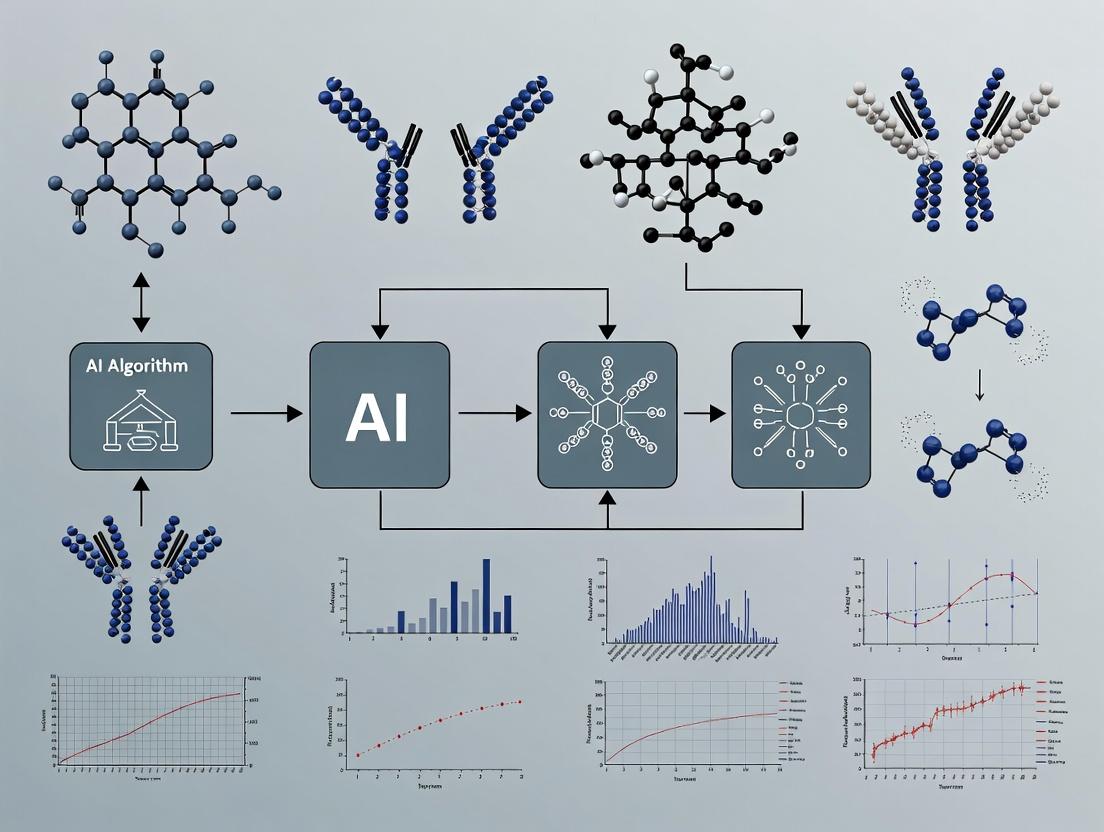
This article explores the transformative impact of artificial intelligence and machine learning on modern immunology.
From Data to Discovery: How AI and Machine Learning Are Revolutionizing Immunology Research
Abstract
This article explores the transformative impact of artificial intelligence and machine learning on modern immunology. Targeted at researchers, scientists, and drug development professionals, it provides a comprehensive guide spanning foundational concepts to advanced applications. We examine how AI deciphers immune system complexity, detail methodological breakthroughs in antigen and biomarker prediction, address critical challenges in data integration and model interpretability, and evaluate the comparative performance of leading AI tools. The synthesis offers a roadmap for leveraging computational power to accelerate therapeutic discovery and personalized medicine.
Decoding Complexity: Foundational AI Concepts for Immunological Discovery
Foundational Concepts and Data Types
Immunology research generates complex, high-dimensional data. Machine learning (ML) provides tools to find patterns within this data. Below is a table of core data types and corresponding ML approaches.
Table 1: Common Immunology Data Types and Associated ML Methods
| Data Type | Example in Immunology | Typical ML Task | Example ML Algorithm |
|---|---|---|---|
| Flow/Mass Cytometry | Single-cell protein expression | Dimensionality Reduction, Clustering | t-SNE, UMAP, PhenoGraph |
| Bulk RNA-seq | Gene expression from tissue | Supervised Classification | Random Forest, SVM, Neural Network |
| Single-Cell RNA-seq | Gene expression per cell | Trajectory Inference, Cell Type Annotation | PAGA, Monocle3, CellTypist |
| TCR/BCR Sequencing | Adaptive immune receptor repertoires | Sequence Motif Discovery, Anomaly Detection | GLIPH2, DeepRC, OLGA |
| Histopathology Images | H&E or multiplex IF stained tissue | Image Segmentation, Classification | U-Net, ResNet, Vision Transformer |
| Clinical & Biomarker Data | Patient outcomes, cytokine levels | Regression, Survival Analysis | Cox Proportional Hazards, XGBoost |
Protocol: A Standard Workflow for Supervised Classification of Disease State from Bulk Transcriptomics
This protocol outlines a standard pipeline for building a classifier to predict disease state (e.g., responder vs. non-responder) from bulk RNA-sequencing data.
Materials & Reagent Solutions
Table 2: Research Reagent Solutions for Computational Analysis
| Item/Category | Function/Purpose | Example Tools/Libraries |
|---|---|---|
| Computational Environment | Provides reproducible software and dependency management. | Docker, Singularity, Conda |
| Data Processing Suite | Converts raw sequencing reads into a gene expression matrix. | FastQC, STAR, HTSeq, Salmon |
| Statistical Programming Language | Language for data manipulation, analysis, and modeling. | Python (pandas, scikit-learn) or R (tidyverse) |
| Normalization Package | Corrects for technical variation (library size, composition). | DESeq2, edgeR, or scikit-learn’s StandardScaler |
| Feature Selection Module | Identifies informative genes, reduces dimensionality. | scikit-learn SelectKBest, VarianceThreshold |
| ML Library | Provides implementations of classification algorithms. | scikit-learn, XGBoost, PyTorch |
| Visualization Library | Creates plots for data exploration and result presentation. | matplotlib, seaborn, plotly |
Experimental Procedure
Data Acquisition & Preprocessing:
- Obtain raw FASTQ files and phenotypic metadata.
- Perform quality control (QC) using FastQC. Trim adapters if necessary.
- Align reads to a reference genome (e.g., using STAR) and quantify gene-level counts (e.g., using HTSeq-count). Alternatively, use a pseudoalignment tool like Salmon for faster quantification.
Normalization & Filtering:
- Load count matrix into analysis environment (Python/R).
- Filter out lowly expressed genes (e.g., genes with counts < 10 in >90% of samples).
- Normalize counts to correct for library size and composition. For bulk RNA-seq, use a method like DESeq2's median of ratios or edgeR's TMM normalization. Log2-transform the normalized counts.
Train-Test Split & Feature Selection:
- Split the dataset into a training set (e.g., 70-80%) and a held-out test set (20-30%). Crucially, this split must be performed before feature selection to avoid data leakage.
- On the training set only, perform feature selection to identify the top n (e.g., 500) most informative genes. Methods include:
- Variance-based: Select genes with highest variance.
- Differential Expression: Select genes with highest statistical significance (e.g., lowest p-value from a t-test) between classes.
- Model-based: Use L1-regularized logistic regression (Lasso) to select non-zero coefficient genes.
Model Training & Validation:
- Using the training set and the selected features, train multiple classifiers (e.g., Logistic Regression, Random Forest, Support Vector Machine).
- Perform k-fold cross-validation (e.g., k=5 or 10) on the training set to tune hyperparameters (e.g., regularization strength, tree depth) and estimate model performance without touching the test set.
- Select the best-performing model/hyperparameter set based on cross-validation metrics (e.g., AUC-ROC, accuracy).
Model Evaluation & Interpretation:
- Apply the finalized model to the held-out test set. Generate a comprehensive performance report: confusion matrix, ROC curve, precision-recall curve.
- Perform model interpretation:
- For linear models, examine coefficient magnitudes.
- For tree-based models (Random Forest, XGBoost), use built-in feature importance metrics (Gini importance, SHAP values).
Diagram Title: Supervised ML Workflow for Bulk RNA-seq
Protocol: Unsupervised Clustering and Visualization of High-Dimensional Cytometry Data
This protocol details the use of dimensionality reduction and clustering to identify novel cell populations in flow or mass cytometry (CyTOF) data.
Materials & Reagent Solutions
Table 3: Research Reagent Solutions for CyTOF Data Analysis
| Item/Category | Function/Purpose | Example Tools/Libraries |
|---|---|---|
| Normalization & Debarcoding Software | Processes raw .fcs files from CyTOF, corrects for signal drift, and assigns cells to sample IDs. | Fluidigm CyTOF software, premessa (R) |
| Data Cleaning Library | Removes debris, dead cells, and doublets based on DNA and event length channels. | flowCore (R), CytofClean (Python) |
| Arcsinh Transformer | Applies an inverse hyperbolic sine (arcsinh) transform with a cofactor (e.g., 5) to stabilize variance and normalize marker expression. | scikit-learn FunctionTransformer |
| Dimensionality Reduction Engine | Reduces 30-50 protein markers to 2-3 dimensions for visualization. | UMAP, t-SNE (openTSNE implementation) |
| Clustering Algorithm | Identifies groups of phenotypically similar cells without prior labels. | PhenoGraph, FlowSOM, Leiden |
| Differential Abundance Test | Statistically compares cluster frequencies between sample groups. | diffcyt (R), scipy.stats (Python) |
Experimental Procedure
Data Preprocessing & Cleaning:
- Load .fcs files. Apply bead-based normalization if needed.
- Perform sample debarcoding for multiplexed runs.
- Clean the data: gate out cells positive for DNA intercalators (dead cells), remove events with low event length, and apply a Gaussian filter to exclude doublets.
Data Transformation:
- Select the channels for analysis (typically the lineage and functional markers, excluding DNA, event length, and viability channels).
- Apply an arcsinh transform to all selected channels:
X_transformed = arcsinh(X / cofactor). A cofactor of 5 is standard for CyTOF data.
Dimensionality Reduction & Clustering:
- Perform principal component analysis (PCA) on the transformed data. Use the top n PCs (where n is chosen by elbow plot) for downstream steps.
- Apply a graph-based clustering algorithm (e.g., PhenoGraph) on the PCA-reduced data to assign each cell a cluster label. PhenoGraph uses k-nearest-neighbor graph construction and community detection.
- In parallel, run UMAP on the same PCA-reduced data to generate a 2D embedding for visualization. Do not use t-SNE/UMAP coordinates for clustering.
Visualization & Annotation:
- Create a UMAP scatter plot, coloring cells by their cluster ID.
- Generate heatmaps of median marker expression per cluster.
- Manually annotate clusters based on known marker combinations (e.g., CD3+CD4+ for T-helper cells).
Differential Analysis:
- Aggregate cell counts to the sample level to get cluster proportions per patient/condition.
- Use a statistical test (e.g., Mann-Whitney U test, linear mixed model) to identify clusters whose frequencies differ significantly between experimental groups (e.g., healthy vs. disease).
Diagram Title: Unsupervised Analysis Pipeline for Cytometry Data
Application Note: High-Dimensional Immune Profiling for ML Model Training
Objective: To generate high-dimensional, single-cell resolution datasets capturing immune cell states, suitable for training machine learning models for cell type classification, state prediction, and perturbation response modeling.
Background: The adaptive immune system presents a data problem of immense scale (~10^12 lymphocytes) and dimensionality (cell state defined by transcriptome, proteome, receptor repertoire). Traditional low-parameter assays (e.g., 3-color flow cytometry) fail to capture this complexity. Modern high-parameter technologies like Mass Cytometry (CyTOF) and single-cell RNA sequencing (scRNA-seq) generate the rich, multi-dimensional data required to model immune system dynamics as a high-dimensional space where disease or treatment represents a shift in the distribution of cell states.
Key Quantitative Data Summary:
Table 1: Comparison of High-Dimensional Immune Profiling Platforms
| Platform | Measured Parameters (Dimensionality) | Typical Cell Throughput | Key Output for ML | Primary Computational Challenge |
|---|---|---|---|---|
| Spectral Flow Cytometry | 30-40 proteins (surface/intracellular) | 10^7 cells per run | High-dimensional vector per cell | Dimensionality reduction, automated gating |
| Mass Cytometry (CyTOF) | 50+ proteins (metal-tagged antibodies) | 10^6 cells per run | High-dimensional vector per cell | Normalization, batch correction |
| scRNA-seq (3' end) | 20,000+ genes (transcriptome) | 10^4 - 10^5 cells per run | Sparse gene expression matrix | Imputation, normalization, integration |
| CITE-seq / REAP-seq | 20,000+ genes + 100+ surface proteins | 10^4 - 10^5 cells per run | Multi-modal paired data | Multi-modal integration, cross-modal inference |
| TCR/BCR-seq + scRNA-seq | Paired receptor sequence + transcriptome | 10^3 - 10^4 cells per run | Clonotype-linked phenotype | Clonal tracking, lineage inference |
Protocols
Protocol 1: Generation of a Multi-Modal CITE-seq Dataset for ML-Based Immune Atlas Construction
Purpose: To simultaneously capture transcriptomic and proteomic data from a single-cell suspension, creating a paired, high-dimensional dataset ideal for training multi-modal deep learning models (e.g., for cross-modal imputation or integrated cell embedding).
Materials:
- Fresh PBMCs or tissue-derived single-cell suspension.
- TotalSeq-B or -C Antibody Panel (BioLegend): A cocktail of 50-150 oligonucleotide-tagged antibodies against surface proteins.
- Chromium Next GEM Chip G (10x Genomics): Part of the 5' Gene Expression with Feature Barcoding kit.
- Dual Index Kit TT Set A (10x Genomics).
- SPRIselect Reagent Kit (Beckman Coulter): For post-library clean-up.
- Bioanalyzer High Sensitivity DNA Kit (Agilent) or TapeStation.
- Cell Ranger Feature Barcoding pipeline (10x Genomics).
Procedure:
- Cell Preparation & Antibody Staining: Count and assess viability. Incubate 1x10^6 cells with the TotalSeq-B antibody cocktail (titrated, 1:100 dilution in Cell Staining Buffer) for 30 minutes on ice. Wash cells 3x with cold buffer.
- 10x Genomics Library Preparation: Follow the manufacturer’s protocol for "5' Gene Expression with Feature Barcoding." Load the stained cells onto the Chromium Chip to generate single-cell Gel Bead-In-Emulsions (GEMs). The GEMs contain primers for cDNA synthesis from poly-adenylated mRNA and from the antibody-derived tags (ADTs).
- cDNA Amplification & Library Construction: Perform GEM incubation and cleanup. Amplify cDNA. Then, split the amplified product for the generation of two separate libraries:
- Gene Expression Library: Fragmentation, end-repair, A-tailing, and adapter ligation using sample index primers.
- Antibody-Derived Tag (ADT) Library: A separate PCR is performed using a primer set specific to the constant region of the TotalSeq-B antibodies.
- Library QC & Sequencing: Quantify libraries using Qubit. Assess size distribution (~180 bp for ADT, broad peak ~2000 bp for cDNA). Pool libraries at an optimized ratio (typically 10:1 cDNA:ADT reads) and sequence on an Illumina NovaSeq (28-10-10-90 read configuration for 5' kit).
- Data Processing: Run
cellranger multi(Cell Ranger v7+) with the gene expression and feature barcode reference files. This generates a feature-barcode matrix containing two "modalities" (RNA and ADT counts) for each cell barcode.
ML Application: The resulting H5AD file can be imported into Python (Scanpy, scvi-tools). A multi-modal variational autoencoder (MMVAE) can be trained to learn a joint latent representation, enabling tasks like predicting protein expression from RNA data alone or denoising both data modalities.
Protocol 2: TCRβ Sequencing and Clonotype Tracking in a Longitudinal Study
Purpose: To generate quantitative data on T-cell clonal expansion and contraction over time or in response to therapy, providing dynamic, sequence-based features for time-series or graph-based ML models.
Materials:
- Serial PBMC samples (e.g., pre-treatment, on-treatment, relapse).
- SMARTer Human TCR a/b Profiling Kit (Takara Bio) or equivalent.
- Illumina TCR Solution (Illumina) for library prep.
- MiSeq or iSeq 100 System (Illumina) with appropriate v2/v3 kits.
- MIXCR or ImmunoSEQR analysis software.
Procedure:
- Nucleic Acid Extraction: Isolate total RNA or gDNA from each PBMC sample (~1x10^6 cells) using a column-based kit. Quantify.
- TCRβ CDR3 Amplification:
- For RNA: Use the SMARTer kit for 5' RACE-based amplification of rearranged TCRβ transcripts.
- For gDNA: Use multiplex PCR with V-region and J-region primers.
- Library Preparation for NGS: Add Illumina sequencing adapters and sample-specific dual indices via a secondary PCR (8 cycles). Clean up with SPRI beads.
- Pooling & Sequencing: Quantify libraries, normalize, and pool. Sequence on a MiSeq (2x300 bp) to a depth of at least 100,000 reads per sample for adequate clonotype coverage.
- Clonotype Calling: Process fastq files with MIXCR (
mixcr analyze shotgun). The output is a tab-separated clonotype table listing each unique CDR3 nucleotide/amino acid sequence, its frequency, and V/D/J gene assignments per sample. - Data Integration for ML: Create a clonal abundance matrix (samples x clonotypes). Use this to calculate:
- Clonal Shannon entropy.
- Top 10 clone frequency.
- Longitudinal tracking of specific clones.
ML Application: This matrix can be used as input for:
- Survival models: Using baseline clonality metrics as features.
- Clustering algorithms: To identify patients with similar dynamic clonal responses.
- Graph Neural Networks: Where nodes are clonotypes (with sequence features) and edges are co-occurrence across samples or shared specificity predictions.
Diagrams
CITE-seq Multi-Modal Data Generation Workflow
Core T-Cell Activation Signaling Network
The Scientist's Toolkit: Key Research Reagent Solutions
Table 2: Essential Reagents for High-Dimensional Immune Data Generation
| Item (Example Supplier) | Function in Experiment | Key Property for Data Quality |
|---|---|---|
| TotalSeq Antibodies (BioLegend) | Oligo-tagged antibodies for CITE-seq. | Allows simultaneous protein & RNA measurement in single cells. |
| Cell-ID Intercalator-Ir (Fluidigm) | DNA intercalator for CyTOF. | Distinguishes intact, nucleated cells from debris. |
| Chromium Next GEM Chip (10x Genomics) | Microfluidic device for single-cell partitioning. | Determines cell throughput and multiplet rate. |
| SMARTer TCR a/b Profiling Kit (Takara) | Amplifies full-length TCR transcripts. | Preserves paired V-J information for clonotype definition. |
| TruStain FcX (BioLegend) | Fc receptor blocking reagent. | Reduces non-specific antibody binding, lowers noise. |
| LIVE/DEAD Fixable Viability Dyes (Thermo Fisher) | Covalently labels dead cells. | Critical for excluding apoptotic cells from analysis. |
| BD Horizon Brilliant Polymer Dyes (BD Biosciences) | Flow cytometry dyes with minimal spillover. | Enables high-parameter panel design (30+ colors). |
| Cell Stimulation Cocktail (PMA/Ionomycin) (BioLegend) | Polyclonal T-cell activator. | Positive control for cytokine detection assays. |
| Human TruStain FcX (BioLegend) | Human Fc block. | Essential for human PBMC/mouse xenograft experiments. |
| Single-Cell Multiplexing Kit (Sample Tags) (BioLegend) | Labels cells from different samples with unique barcodes. | Enables sample multiplexing, reduces batch effects. |
Application Notes
The integration of multimodal immunology data provides a systems-level view of immune responses. These key data types, when combined with AI and machine learning, enable the deconvolution of cellular heterogeneity, lineage relationships, and antigen-specific immune responses critical for biomarker discovery and therapeutic development.
- Single-Cell RNA Sequencing (scRNA-seq): Enables unbiased transcriptomic profiling of individual cells, defining cell states, types, and potential functions. AI models (e.g., graph neural networks) cluster cells, identify rare populations, and infer gene regulatory networks.
- Cytometry by Time-of-Flight (CyTOF): Utilizes metal-tagged antibodies to measure >40 proteins simultaneously at single-cell resolution, providing deep immunophenotyping. Dimensionality reduction algorithms (e.g., t-SNE, UMAP) and automated cell-type classification are standard analytical steps.
- TCR/BCR Repertoire Sequencing: Profiles the complementary determining region 3 (CDR3) of T- and B-cell receptors, quantifying clonal diversity, expansion, and sequence similarity. Machine learning is applied to predict antigen specificity from sequence and to track clonal dynamics across conditions.
Table 1: Comparative Overview of Key Immunological Data Types
| Feature | scRNA-seq | CyTOF | TCR/BCR Rep-Seq |
|---|---|---|---|
| Primary Measured Molecule | mRNA (whole transcriptome or targeted) | Proteins (pre-defined panel) | DNA (TCR/BCR gene loci) |
| Throughput (cells/run) | 1,000 - 20,000 (plate-based); 10,000 - 1M+ (droplet-based) | 1,000 - 10 million+ | 1,000 - 10 million+ |
| Key Readouts | Cell type identification, differential gene expression, developmental trajectories | Cell surface & intracellular protein expression, phospho-signaling states | Clonal abundance, diversity metrics (Shannon entropy), sequence convergence |
| Primary AI/ML Applications | Cell type annotation, trajectory inference, gene imputation | Automated population identification, biomarker discovery | Clonotype clustering, specificity prediction, minimal residual disease detection |
| Lateral Integration Potential | High (CITE-seq, ATAC-seq) | High (CODEX, sequencing conjugates) | Essential for pairing with scRNA-seq (immune repertoire + transcriptome) |
Protocol 1: Integrated scRNA-seq with V(D)J Enrichment for Paired Transcriptome and Repertoire Analysis (10x Genomics Platform)
Objective: To simultaneously capture the gene expression profile and paired full-length TCR/BCR sequences from single lymphocytes.
Materials: Fresh or cryopreserved PBMCs/single-cell suspension, Chromium Next GEM Chip K, Single Cell 5’ Library & V(D)J Enrichment Kit, Dual Index Kit TT Set A, SPRIselect Reagent Kit.
Procedure:
- Cell Preparation: Assess viability (>90%) and concentration. Prepare a single-cell suspension at 700-1,200 cells/μL in PBS + 0.04% BSA.
- Gel Bead-in-Emulsion (GEM) Generation: Combine cells, Master Mix, and Gel Beads with Partitioning Oil on a Chromium Chip K. The controller generates GEMs where single cells are lysed, and mRNAs/barcoded V(D)J transcripts are reverse-transcribed with unique Cell Barcodes and Unique Molecular Identifiers (UMIs).
- Post GEM-RT Cleanup & cDNA Amplification: Break emulsions, purify cDNA with DynaBeads MyOne SILANE, and amplify via PCR.
- Library Construction: The amplified cDNA is split for two separate libraries:
- 5’ Gene Expression Library: Fragmentation, End-Repair, A-tailing, and adapter ligation are performed on a portion of cDNA, followed by sample index PCR.
- 5’ V(D)J Enriched Library: A second portion is enriched for TCR/BCR transcripts via targeted PCR, followed by fragmentation, adapter ligation, and sample index PCR.
- Library QC & Sequencing: Assess libraries on a Bioanalyzer (Agilent). Pool libraries and sequence on an Illumina platform (e.g., NovaSeq). Recommended sequencing depth: ~20,000 read pairs/cell for gene expression; ~5,000 read pairs/cell for V(D)J.
Protocol 2: High-Parameter CyTOF Panel Design and Staining
Objective: To stain and acquire data from a single-cell suspension using a >40-marker metal-conjugated antibody panel.
Materials: Single-cell suspension, MaxPar Metal-Labeled Antibodies, Cell-ID Intercalator-Ir (191/193Ir), Cell-ID 20-Plex Pd Barcoding Kit, Fix and Perm Buffer, MaxPar Water & Cell Acquisition Solution.
Procedure:
- Cell Barcoding (Optional): Resuspend cell pellets in unique combinations of 6 Pd barcoding channels. Pool samples, wash, and stain with a surface antibody cocktail for 30 mins at RT.
- Fixation and Permeabilization: Fix cells with 1.6% formaldehyde for 10 mins. Permeabilize cells with ice-cold methanol and store at -80°C or proceed.
- Intracellular Staining: Resuspend fixed cells in Perm Buffer. Stain with intracellular antibody cocktail (e.g., transcription factors, cytokines) for 30 mins at RT.
- DNA Labeling and Acquisition: Resuspend cells in 1:4000 Cell-ID Intercalator-Ir in Fix and Perm Buffer overnight at 4°C. Wash cells thoroughly with MaxPar Water and Cell Acquisition Solution. Filter cells through a 35-μm nylon mesh. Dilute to ~1M cells/mL in Cell Acquisition Solution spiked with 1:10 EQ Four Element Calibration Beads. Acquire on a Helios or CyTOF series instrument at ~300-500 events/second.
- Data Pre-processing: Use the CyTOF software for normalization using bead signals, debarcoding (if pooled), and file export (e.g., .fcs format).
The Scientist's Toolkit: Essential Research Reagents & Materials
| Item | Function & Relevance to AI/ML Analysis |
|---|---|
| Chromium Next GEM Chip K (10x Genomics) | Microfluidic device for partitioning single cells into Gel Bead-in-Emulsions (GEMs). The resulting cell barcode is the fundamental unit for all downstream single-cell AI analysis. |
| Cell-ID 20-Plex Pd Barcoding Kit (Fluidigm) | Enables sample multiplexing in CyTOF, reducing batch effects and acquisition time. Critical for generating robust, high-quality training data for ML classifiers. |
| Feature Barcoding Oligos (for CITE-seq/REAP-seq) | Antibody-derived tags (ADTs) allow simultaneous protein detection in scRNA-seq. Provides a ground-truth protein correlate to train multimodal data integration models. |
| SPRIselect Beads (Beckman Coulter) | For size-selective purification of cDNA and libraries. High-quality, adapter-free libraries reduce sequencing noise, improving the signal for feature extraction algorithms. |
| MaxPar Metal-Labeled Antibodies | Antibodies conjugated to rare-earth metals, free of spectral overlap. The clean, high-dimensional data is ideal for automated, high-resolution cell-type discovery via clustering algorithms. |
| Cell-ID Intercalator-Ir | Stains DNA uniformly, allowing event detection (cell identification) and viability gating. Provides the primary "cell" label for all subsequent single-cell statistical learning. |
Integrated scRNA-seq with V(D)J Workflow
CyTOF Staining and Acquisition Workflow
AI-Driven Immunology Research Cycle
This application note details the integration of core machine learning (ML) paradigms—supervised, unsupervised, and deep learning—into immunological research. Framed within a broader thesis on AI for immunology, this document provides actionable protocols, data summaries, and visualization tools to accelerate discovery in immunophenotyping, epitope prediction, and therapeutic design for researchers and drug development professionals.
Supervised Learning for Immune Cell Classification
Application Note
Supervised learning models are trained on labeled datasets to predict discrete (classification) or continuous (regression) outcomes. In immunology, this is pivotal for classifying cell types from flow/mass cytometry data, predicting antigen immunogenicity, or forecasting patient response to immunotherapy.
Recent Data Summary (2023-2024): Table 1: Performance of Supervised Models on Immune Cell Classification (Mass Cytometry Data)
| Model | Accuracy (%) | F1-Score | Dataset Size (Cells) | Reference |
|---|---|---|---|---|
| Random Forest | 94.2 | 0.93 | 500,000 | Shaul et al., 2023 |
| XGBoost | 96.7 | 0.96 | 450,000 | ImmunAI Benchmark |
| LightGBM | 97.1 | 0.97 | 450,000 | ImmunAI Benchmark |
| SVM (Linear) | 89.5 | 0.88 | 500,000 | Shaul et al., 2023 |
Experimental Protocol: Cell Population Classification with CyTOF Data
Objective: To train a supervised classifier to annotate major immune cell populations (e.g., CD4+ T cells, B cells, Monocytes) from high-dimensional mass cytometry (CyTOF) data.
Materials: See "Scientist's Toolkit" (Section 5).
Procedure:
- Data Preprocessing:
- Load FCS files from a public repository (e.g., FlowRepository FR-FCM-ZYBR).
- Apply arcsinh transformation with a cofactor of 5 for all marker channels.
- Perform bead-based normalization if using multiple batches.
- Use manual gating by an expert immunologist to generate ground truth labels for 10 major cell populations.
- Feature Engineering & Splitting:
- Use all transformed marker intensities (e.g., 30-40 features) as input.
- Split data at the donor level into 70% training, 15% validation, and 15% test sets to prevent data leakage.
- Model Training (XGBoost Example):
- Evaluation:
- Predict on the held-out test set.
- Generate a confusion matrix and report per-class F1-score and overall accuracy.
Unsupervised Learning for Novel Phenotype Discovery
Application Note
Unsupervised learning identifies hidden patterns in unlabeled data. Techniques like clustering and dimensionality reduction are used to discover novel immune cell subsets, patient stratifications, or disease endotypes from omics data.
Recent Data Summary (2023-2024): Table 2: Unsupervised Analysis of Single-Cell RNA-Seq from Tumor-Infiltrating Lymphocytes
| Method | Primary Use | Key Finding (Study) | Cells Analyzed |
|---|---|---|---|
| UMAP + Leiden | Visualization & Clustering | Identified 3 novel exhausted CD8+ T cell states | 65,000 |
| SCANPY Pipeline | End-to-end scRNA-seq analysis | Revealed plasticity between Tr1 and Treg cells | 100,000 |
| PhenoGraph | Graph-based Clustering | Discovered a macrophage subset linked to immunotherapy resistance | 45,000 |
Experimental Protocol: Discovering Cellular States with scRNA-seq
Objective: To apply unsupervised clustering on single-cell RNA sequencing data from tumor microenvironments to identify novel immune cell states.
Procedure:
- Data Acquisition & QC:
- Obtain a count matrix (genes x cells) from a platform like 10x Genomics.
- Filter cells with < 200 genes or > 20% mitochondrial reads. Filter genes detected in < 3 cells.
- Normalization & Feature Selection:
- Normalize total counts per cell to 10,000 (CP10k). Log-transform.
- Identify 2000-3000 highly variable genes (HVGs).
- Dimensionality Reduction & Clustering:
- Scale data to zero mean and unit variance.
- Perform PCA (50 components).
- Construct a neighborhood graph (k=20 neighbors) on PCA space.
- Cluster cells using the Leiden algorithm (resolution=0.6).
- Generate a 2D visualization using UMAP based on the PCA embedding.
- Marker Identification & Annotation:
- For each cluster, perform differential expression analysis (Wilcoxon rank-sum test) against all other cells.
- Identify top 5 marker genes per cluster.
- Annotate clusters using known marker genes (e.g., CD3E for T cells, CD19 for B cells) and novel markers suggest new states.
Deep Learning for Antigen-Antibody Interaction Prediction
Application Note
Deep learning (DL), particularly deep neural networks (DNNs) and convolutional neural networks (CNNs), models complex, non-linear relationships. In immunology, DL excels at predicting peptide-MHC binding, antibody affinity maturation, and designing bispecific antibodies.
Recent Data Summary (2023-2024): Table 3: Deep Learning Models for pMHC-II Binding Prediction
| Model | Architecture | AUC-ROC | Data Source (Peptides) |
|---|---|---|---|
| NetMHCIIpan-4.2 | CNN + Ensemble | 0.920 | IEDB (>200,000) |
| MixMHCpred2.2 | Motif Deconvolution + NN | 0.905 | In-house MS data |
| DeepLigand | Multi-layer Perceptron | 0.890 | IEDB & Benchmark |
Experimental Protocol: Predicting TCR-Peptide Binding with a CNN
Objective: To train a convolutional neural network to predict whether a given T-cell receptor (TCR) beta chain CDR3 sequence binds to a specific peptide-MHC complex.
Procedure:
- Data Preparation:
- Obtain paired TCR-peptide data from databases like VDJdb or McPAS-TCR.
- Include negative samples (non-binders) from validated negative sets or by careful shuffling.
- Encode amino acid sequences using one-hot encoding (20 letters) or biochemical property vectors.
- Pad or truncate CDR3 sequences to a fixed length (e.g., 20 aa).
- Model Architecture (Simplified CNN):
- Input Layer: Sequence matrix (20x20 for one-hot).
- Conv Layers: Two 1D convolutional layers (filters=64, kernel=3, ReLU activation).
- Pooling: Global max pooling.
- Dense Layers: Two fully connected layers (128 units, ReLU) with 50% Dropout.
- Output Layer: Single unit with sigmoid activation for binary classification.
- Training:
- Use binary cross-entropy loss and Adam optimizer (lr=0.001).
- Train with batch size=64, validating on a 20% hold-out set.
- Implement early stopping based on validation AUC.
- Validation:
- Evaluate on an independent test set from a different study.
- Report precision, recall, AUC-ROC, and AUC-PR.
Visualizations
Diagram: ML Workflow in Immunology Research
Title: Core ML Workflow for Immunology Data Analysis
Diagram: Neural Network for pMHC Binding Prediction
Title: CNN Architecture for Peptide-MHC Binding Prediction
The Scientist's Toolkit
Table 4: Essential Research Reagent Solutions for Featured Experiments
| Item | Function/Application | Example Vendor/Product |
|---|---|---|
| Mass Cytometry Antibody Panel | Simultaneous detection of 30+ surface/intracellular markers for deep immunophenotyping. | Fluidigm MaxPar Direct Immune Profiling Assay |
| Single-Cell RNA-seq Kit | Generation of barcoded libraries from individual cells for transcriptomic analysis. | 10x Genomics Chromium Next GEM Single Cell 5' Kit v3 |
| pMHC Tetramers | Fluorescently labeled multimeric complexes for identifying antigen-specific T cells via flow cytometry. | MBL International Tetramer Factory |
| Recombinant Cytokines & Antibodies | For functional validation assays (e.g., T cell activation, suppression, proliferation). | BioLegend, PeproTech |
| AI/ML Software Platform | Integrated environment for implementing protocols in Sections 1-3. | Python (Scanpy, scikit-learn, TensorFlow/PyTorch) |
| High-Performance Computing (HPC) or Cloud Credits | Essential for training deep learning models on large immunological datasets. | AWS, Google Cloud, Azure |
Application Notes
This application note details the integration of unsupervised machine learning (ML) with high-dimensional single-cell technologies to deconvolve immune heterogeneity. Within the broader thesis of advancing AI for immunology, this approach moves beyond manual gating, enabling data-driven, hypothesis-free discovery of previously obscured cell states. The protocols herein are critical for researchers and drug development professionals aiming to identify novel cellular targets, understand disease mechanisms, and develop predictive biomarkers.
Core Workflow & Data Interpretation:
- High-Dimensional Data Generation: Mass cytometry (CyTOF) or single-cell RNA sequencing (scRNA-seq) generates data matrices with 30-50 protein markers or 20,000+ genes per cell.
- Preprocessing & Dimensionality Reduction: Data is normalized, transformed, and scaled. Principal Component Analysis (PCA) reduces noise, retaining the top components (typically 10-30) that capture the majority of variance.
- Unsupervised Clustering: Algorithms partition cells into distinct groups. Key metrics for evaluation include:
- Silhouette Score: Measures how similar a cell is to its own cluster versus others (range: -1 to 1).
- Calinski-Harabasz Index: Ratio of between-cluster dispersion to within-cluster dispersion.
- Cluster Annotation & Validation: Differentially expressed genes/proteins (DEGs) for each cluster are calculated. Putative identities are assigned via reference databases (e.g., ImmGen). Functional validation requires in vitro or ex vivo assays (see Protocols).
Quantitative Data Summary from a Representative Analysis:
Table 1: Clustering Algorithm Performance on a Healthy Donor PBMC scRNA-seq Dataset (n=10,000 cells)
| Clustering Algorithm | Number of Clusters Identified | Mean Silhouette Score | Calinski-Harabasz Index |
|---|---|---|---|
| Louvain (Graph-based) | 12 | 0.42 | 1250 |
| Leiden (Graph-based) | 11 | 0.45 | 1310 |
| k-Means (Partitional) | 10 (pre-set) | 0.38 | 1150 |
| DBSCAN (Density-based) | 9 | 0.51 | 1050 |
Table 2: Characterization of a Novel Candidate Cluster (Cluster 7)
| Metric | Value | Interpretation |
|---|---|---|
| % of Total Cells | 1.8% | Rare immune subset |
| Top 5 DEGs (vs. All CD8+ T Cells) | TCF7, IL7R, GZMK, CXCR3, ZNF683 | Memory-like, tissue-resident phenotype |
| Key Protein Markers (CyTOF) | CD8+, CD45RO+, CD62L-, CD103+, PD-1+ | Effector memory/ Tissue-resident phenotype |
| Enriched Pathways (GO Analysis) | T cell activation, Apoptotic process, Response to interferon-gamma | Activated, pro-inflammatory state |
Experimental Protocols
Protocol 1: Single-Cell RNA Sequencing Data Processing & Clustering Objective: To generate and analyze scRNA-seq data for unsupervised cell type discovery. Materials: See "Scientist's Toolkit" below. Procedure:
- Cell Preparation & Sequencing: Isolate PBMCs using Ficoll density gradient. Prepare single-cell suspensions with >90% viability. Process through 10x Genomics Chromium Controller using the 3' v3.1 gene expression kit. Sequence on an Illumina NovaSeq to a target depth of 50,000 reads per cell.
- Raw Data Processing: Use
Cell Ranger(10x Genomics) to demultiplex, align reads to the GRCh38 reference genome, and generate a feature-barcode matrix. - Quality Control & Filtering (in R/Python):
- Load data using
Seurat(R) orScanpy(Python). - Filter cells with <200 or >6000 detected genes and >15% mitochondrial reads.
- Filter genes detected in <3 cells.
- Load data using
- Normalization & Scaling: Normalize total expression per cell to 10,000 reads (LogNormalize in Seurat). Scale data, regressing out variation from mitochondrial percentage.
- Dimensionality Reduction & Clustering:
- Identify 2000 highly variable genes.
- Perform PCA. Select the top 15 principal components (PCs) based on the elbow plot.
- Construct a K-nearest neighbor (KNN) graph (k=20) in PC space.
- Apply the Leiden algorithm (resolution parameter=0.8) to partition the graph into clusters.
- Visualize using UMAP (Uniform Manifold Approximation and Projection) on the same PCs.
- Differential Expression & Annotation: Use the Wilcoxon rank-sum test to find DEGs for each cluster. Annotate clusters by cross-referencing DEGs with the
SingleRpackage (using the Human Primary Cell Atlas reference).
Protocol 2: Functional Validation of a Novel Cluster by Cytokine Secretion Assay Objective: To functionally validate the unique phenotype of a novel cluster identified in silico. Materials: FACS sorter, cell culture plates, PMA/Ionomycin, Brefeldin A, intracellular cytokine staining kit, flow cytometer. Procedure:
- Cell Sorting Based on Cluster Signature: From a fresh PBMC sample, stain cells with antibodies corresponding to the top protein markers of the novel cluster (e.g., for Cluster 7 from Table 2: CD8, CD45RO, CD103, PD-1). Include a dump channel (CD4, CD14, CD19, CD56) for exclusion. Use FACS to sort the putative novel population (CD8+ CD45RO+ CD103+ PD-1+) and a conventional memory CD8+ T cell control (CD8+ CD45RO+ CD103- PD-1-).
- Stimulation & Culture: Seed 10,000 sorted cells per well in a 96-well plate. Stimulate with PMA (50 ng/mL) and Ionomycin (1 µg/mL) in the presence of Brefeldin A (10 µg/mL) for 5 hours at 37°C, 5% CO₂.
- Intracellular Staining: After stimulation, fix and permeabilize cells using a commercial kit. Stain intracellularly for IFN-γ, TNF-α, and IL-2.
- Flow Cytometry Analysis: Acquire data on a flow cytometer. Compare the cytokine production profile (frequency and polyfunctionality) of the novel cluster to the conventional control. A statistically significant difference (p<0.05, unpaired t-test) confirms a functionally distinct state.
Visualizations
AI-Driven Immune Discovery Workflow
Signaling in Novel CD8+ T Cell Subset
The Scientist's Toolkit: Research Reagent Solutions
Table 3: Essential Materials for AI-Driven Immune Cell Discovery
| Item | Function & Application |
|---|---|
| 10x Genomics Chromium Single Cell 3' Kit | Integrated solution for barcoding, reverse transcription, and library preparation of thousands of single cells for scRNA-seq. |
| Maxpar Antibody Labeling Kits (Fluidigm) | Enables conjugation of pure metal isotopes to antibodies for high-parameter (40+) CyTOF panels with minimal signal overlap. |
| Human Leukocyte Differentiation Antigen (HLDA) Panel | Validated antibody clones targeting CD markers, essential for designing phenotyping panels for both flow cytometry and CyTOF. |
| Ficoll-Paque PLUS (Cytiva) | Density gradient medium for the isolation of high-viability PBMCs from human blood samples. |
| Recombinant Human IL-2 (PeproTech) | Critical cytokine for the in vitro expansion and maintenance of functionally viable T cell subsets post-sorting. |
| Cell Stimulation Cocktail (PMA/Ionomycin) + Protein Transport Inhibitors (eBioscience) | Standardized kit for the activation of T cells and inhibition of cytokine secretion, enabling intracellular cytokine staining assays. |
| Seurat R Toolkit / Scanpy Python Package | Open-source software environments providing comprehensive pipelines for single-cell data QC, analysis, and visualization. |
| ImmGen & Human Cell Atlas References | Publicly available, curated databases of gene expression profiles from purified immune cells, crucial for automated cluster annotation. |
AI in Action: Methodological Breakthroughs and Cutting-Edge Applications
Within the broader thesis on artificial intelligence (AI) and machine learning (ML) for immunology research, the development of predictive models for antigen recognition and epitope prediction represents a transformative frontier. This Application Note details the current landscape of AI/ML models, their performance benchmarks, and provides actionable protocols for their application in therapeutic and diagnostic development.
Current State of AI Models: Performance Benchmarks
Recent advancements have yielded numerous models with distinct architectures and training datasets. The table below summarizes key quantitative performance metrics for leading models as of recent evaluations.
Table 1: Performance Comparison of Recent AI/ML Models for Epitope Prediction
| Model Name | Core Architecture | Key Training Dataset(s) | Predicted Target(s) | Reported AUC (Range) | Key Strength |
|---|---|---|---|---|---|
| NetMHCPan 4.1 | Artificial Neural Network (ANN) | MHC-peptide binding data (IEDB) | MHC-I & MHC-II binding | 0.90 - 0.95 (MHC-I) | Pan-specificity, broad allele coverage |
| MHCFlurry 2.0 | Ensemble of ANNs | Curated mass spectrometry & binding data | MHC-I binding & antigen processing | 0.93 - 0.97 | Integrated antigen processing prediction |
| AlphaFold2 (adapted) | Transformer-based (Evoformer) | Protein Data Bank, structural data | Protein-antigen structure | (Docking Score > 0.8)* | High-resolution structural prediction |
| BepiPred-3.0 | Transformer & LSTM | Structural epitope data (IEDB, DiscoTope) | Linear & Conformational B-cell epitopes | 0.78 (Acc.) | Combined sequence & structure features |
| ElliPro | Thornton's method (geometric) | Protein structures (PDB) | Conformational B-cell epitopes | 0.73 (AUC) | No training required, residue clustering |
| DeepSCAb | Convolutional Neural Network (CNN) | Structural antibody-antigen complexes | Discontinuous epitope paratopes | 0.85 (AUC) | Direct paratope-epitope contact prediction |
| TITAN (TCR Specificity) | Attention-based Deep Learning | VDJdb, MIRA, 10x Genomics data | TCR-pMHC recognition | 0.89 (AUC) | Predicts specificity from TCR sequence |
*Not a traditional AUC; reported as high prediction accuracy for complex formation.
Experimental Protocols
Protocol 3.1: In Silico Prediction of MHC-I Binding Peptides Using AI Tools
Objective: To predict high-affinity candidate neoantigens from tumor somatic mutation data for vaccine design. Materials: Tumor sequencing data (VCF file), reference proteome, high-performance computing (HPC) or cloud environment. Procedure:
- Data Preprocessing: Use a variant calling pipeline (e.g., GATK) to identify somatic missense mutations. Translate mutated sequences using
bcftools csqor similar. - Peptide Extraction: For each mutated protein sequence, generate all possible 8-11mer peptides spanning the mutation site using
netMHCpan-4.1'speptide2scoreor a custom Python script. - AI Model Prediction:
a. Install
netMHCpan-4.1and/orMHCFlurry 2.0(pip install mhcflurry). b. Prepare an input file in CSV format listing peptide sequences and relevant HLA alleles of the patient (e.g., HLA-A02:01, HLA-B07:02). c. Run binding prediction:
- Ranking & Validation: Rank peptides by predicted binding affinity (typically %Rank < 0.5% or IC50 < 50nM). Top candidates should be selected for in vitro validation (see Protocol 3.3).
Protocol 3.2: Prediction of B-Cell Conformational Epitopes
Objective: To map potential antibody binding sites on a target viral surface protein.
Materials: Resolved or predicted 3D structure of the target antigen (PDB file or AlphaFold2 model).
Procedure:
- Structure Preparation: If using an AlphaFold2 model, ensure the predicted local distance difference test (pLDDT) score is >70 for regions of interest. Clean the PDB file using
pdb-tools or Schrödinger's Protein Preparation Wizard.
- Run ElliPro Analysis:
a. Access the IEDB ElliPro tool online or run the standalone version.
b. Upload the prepared PDB file.
c. Set parameters: Minimum Score = 0.5, Maximum Distance (Å) = 6.0.
d. Submit the job and retrieve results, which include epitope residue clusters and a protrusion index (PI) score.
- Run DeepSCAb or BepiPred-3.0 (Structure-based):
a. For DeepSCAb, submit the antigen structure to the web server or run the model container locally if available.
b. The output will provide a probability score per residue for being part of a conformational epitope.
- Consensus Mapping: Overlay results from ElliPro and DeepSCAb to identify high-confidence consensus regions for downstream monoclonal antibody (mAb) development.
Protocol 3.3: In Vitro Validation of AI-Predicted T-Cell Epitopes
Objective: To experimentally validate the immunogenicity of AI-predicted neoantigen candidates.
Materials: Synthetic predicted peptides, donor PBMCs, ELISpot or flow cytometry kits.
Procedure:
- Peptide Synthesis & Preparation: Synthesize top 10-20 predicted peptides (>90% purity). Prepare 1mg/mL stock solutions in DMSO or sterile PBS.
- Donor Cell Isolation: Isolate PBMCs from healthy donor buffy coats (with known HLA matching) or patient samples using Ficoll-Paque density gradient centrifugation.
- T-Cell Stimulation: Seed PBMCs in a 96-well U-bottom plate at 2x10^5 cells/well. Add individual peptides at a final concentration of 1-10 µg/mL. Include positive (PHA) and negative (DMSO/PBS) controls. Culture for 10-14 days, with IL-2 supplementation every 2-3 days.
- Immunogenicity Assay (IFN-γ ELISpot):
a. On day 10-14, harvest cells and re-stimulate with the same peptides for 24-48 hours in an IFN-γ pre-coated ELISpot plate.
b. Develop the plate according to manufacturer's instructions.
c. Count spots using an automated ELISpot reader. A response is typically considered positive if the peptide-stimulated well has at least 2x the spot count of the negative control and >10 spots per well.
- Data Correlation: Correlate the frequency of immunogenic peptides with the AI model's predicted rank/affinity score to iteratively refine the prediction algorithm.
Visualizations
AI-Driven Epitope Discovery Workflow
AI Model Architectures for Immunology
The Scientist's Toolkit: Key Research Reagent Solutions
Table 2: Essential Reagents & Materials for AI-Prediction Validation
Item
Function in Validation
Example Product/Supplier
HLA Typing Kit
Determines patient/donor HLA allelic profile for accurate, personalized AI prediction.
SeCore HLA Sequencing Kits (Thermo Fisher)
ELISpot Kit (IFN-γ/IL-2)
Gold-standard for quantifying antigen-specific T-cell responses in PBMCs.
Human IFN-γ ELISpotPRO (Mabtech)
pMHC Multimers (Tetramers/Dextramers)
Direct ex vivo staining and isolation of epitope-specific T-cells via flow cytometry.
PE-conjugated pMHC Tetramers (Immudex)
Peptide Pools & Libraries
Synthetic peptides for high-throughput screening of AI-predicted epitopes.
PepMix Peptide Pools (JPT Peptide Technologies)
Recombinant MHC Molecules
For in vitro binding assays (e.g., ELISA) to confirm AI-predicted affinity.
Recombinant HLA-A*02:01 (Bio-Techne)
Cell Line: T2 (TAP-deficient)
Presents exogenous peptides on MHC-I; used in binding/stabilization assays.
ATCC CRL-1992
Flow Cytometry Panel Antibodies
Phenotyping and functional analysis of activated T-cells (CD3, CD8, CD137, etc.).
Anti-human CD3/CD8/CD137 (BioLegend)
Cytokine Bead Array (CBA)
Multiplex quantification of cytokines released by activated immune cells.
LEGENDplex Human CD8/NK Panel (BioLegend)
Within the broader thesis on AI and machine learning for immunology research, this document details the application of computational pipelines to discover robust, biologically relevant signatures from multi-omics data. The integration of genomics, transcriptomics, proteomics, and metabolomics, powered by machine learning, is revolutionizing the identification of diagnostic and prognostic biomarkers in complex immunological diseases, enabling precision medicine and accelerating therapeutic development.
Table 1: Comparative Overview of Primary Omics Technologies for Biomarker Discovery
| Omics Layer | Typical Assay | Key Readout | Throughput | Approx. Cost per Sample | Primary Biomarker Class |
|---|---|---|---|---|---|
| Genomics | Whole Genome Sequencing (WGS) | DNA Sequence Variants | High | $600 - $1,000 | Germline/Somatic Mutations |
| Transcriptomics | RNA-Seq / Single-Cell RNA-Seq | Gene Expression Levels | High | $500 - $3,000 | mRNA, lncRNA, Gene Signatures |
| Proteomics | LC-MS/MS / Olink / SomaScan | Protein Abundance | Medium-High | $200 - $800 | Proteins, PTMs |
| Metabolomics | LC-MS / GC-MS | Metabolite Abundance | Medium | $300 - $600 | Small Molecules |
Table 2: Performance Metrics of Representative ML Models in Multi-Omics Integration
| Study Focus (Disease) | ML Model Used | Data Types Integrated | Reported AUC | Key Biomarkers Identified |
|---|---|---|---|---|
| Rheumatoid Arthritis Prognosis | Random Forest + Cox PH | RNA-Seq, Cytokine Proteomics | 0.89 | MMP3, CXCL13, S100A12 |
| Sepsis Outcome Prediction | Deep Neural Network (DNN) | WGS, Plasma Metabolomics, Clinical Labs | 0.91 | Lactate, ARG1 expression |
| IBD Subtyping (Crohn's vs UC) | Multi-kernel Learning | Microbiome, Serology, Transcriptomics | 0.94 | Anti-GP2, *Faecalibacterium abundance* |
Application Notes & Detailed Protocols
Protocol: An Integrated Pipeline for Multi-Omics Biomarker Discovery Using AI
Objective: To identify a prognostic protein signature for survival prediction in diffuse large B-cell lymphoma (DLBCL) by integrating transcriptomic and proteomic data.
3.1.1. Pre-processing and Quality Control (QC)
- RNA-Seq Data: Use
FastQCfor raw read QC. Trim adapters withTrimGalore. Align to GRCh38 withSTAR. Generate gene counts usingfeatureCounts. Normalize using TPM and correct for batch effects withComBatfrom thesvaR package. - Proteomics Data (LC-MS/MS): Process raw
.rawfiles withMaxQuant(v2.0). Use the UniProt human database. Filter for 1% FDR at peptide and protein levels. Normalize using median scaling and log2 transformation. Impute missing values using themissForestR package for left-censored (MNAR) data.
3.1.2. Dimensionality Reduction and Feature Selection
- Concatenation-Based Integration: Merge normalized RNA and protein data (for common genes/proteins) into a single matrix.
- Unsupervised Feature Filtering: Remove features with near-zero variance using the
caretR package. - Supervised Feature Selection: Apply
LASSO(Least Absolute Shrinkage and Selection Operator) regression with Cox proportional hazards loss function using theglmnetR package. Perform 10-fold cross-validation to select the optimal lambda (λ) value minimizing partial likelihood deviance.
3.1.3. Model Building and Validation
- Prognostic Model Construction: Build a multivariate Cox Proportional Hazards model using the top 15 features selected by LASSO.
- Risk Score Calculation: For each patient, compute a risk score as the linear combination of selected feature expressions weighted by their Cox regression coefficients.
- Validation: Split data into 70% training and 30% validation cohorts. Assess model performance using:
- Kaplan-Meier Analysis: Stratify patients into high/low-risk groups by median risk score. Log-rank test for significance.
- Time-dependent ROC Analysis: Calculate the area under the curve (AUC) for 1-, 3-, and 5-year overall survival using the
timeROCR package.
3.1.4. Biological Interpretation
- Pathway Enrichment: Perform Gene Set Enrichment Analysis (GSEA) on the genes corresponding to selected protein biomarkers using the
fgseaR package against the Hallmark and KEGG collections. - Network Analysis: Construct a protein-protein interaction (PPI) network using the STRING database and visualize in Cytoscape to identify hub genes.
Protocol: Single-Cell Multi-Omics Workflow for Immune Cell Biomarker Discovery
Objective: To identify rare, disease-associated immune cell populations and their marker genes from CITE-seq (Cellular Indexing of Transcriptomes and Epitopes by Sequencing) data.
3.2.1. Data Processing
- Cell Ranger: Process raw CITE-seq FASTQ files using
Cell Ranger(v7.0) withcountfunction, specifying the feature barcode kit. - Quality Control in R/Seurat: Load the matrix into
Seurat. Filter cells with:- Unique feature counts (nFeatureRNA) between 200 and 6000.
- Total RNA counts (nCountRNA) < 40,000.
- Mitochondrial gene percentage < 15%.
- ADT (Antibody-Derived Tag) Normalization: Normalize protein (ADT) data using centered log ratio (CLR) transformation.
3.2.2. Integrated Analysis
- Dimensionality Reduction: For RNA data, perform PCA on variable features. For ADT data, run PCA directly on CLR-transformed counts.
- Weighted Nearest Neighbors (WNN) Integration: Use the
FindMultiModalNeighborsfunction in Seurat to construct a WNN graph integrating RNA and protein modalities. - Clustering and UMAP: Generate a shared UMAP visualization based on the WNN graph. Perform graph-based clustering (
FindClusters, resolution=0.5).
3.2.3. Differential Biomarker Identification
- Use the
FindAllMarkersfunction to find genes and surface proteins significantly enriched (avglog2FC > 0.5, pval_adj < 0.01) in each cluster compared to all others. This yields a combined gene-protein signature for each immune cell population.
Visualization Diagrams
Workflow for AI-Powered Multi-Omics Biomarker Discovery
Immune Signaling Pathway Yielding Soluble Biomarkers
The Scientist's Toolkit
Table 3: Essential Research Reagent Solutions for Multi-Omics Biomarker Discovery
| Category | Product/Kit Name | Provider | Key Function in Workflow |
|---|---|---|---|
| Sample Prep (Proteomics) | S-Trap Micro Columns | ProtiFi | Efficient digestion and cleanup of complex protein samples for LC-MS/MS, ideal for challenging lysates. |
| Sample Prep (Transcriptomics) | SMART-Seq v4 Ultra Low Input RNA Kit | Takara Bio | Highly sensitive cDNA synthesis and amplification for RNA-seq from low-input or single-cell samples. |
| Multiplex Immunoassay | Olink Target 96 or Explore | Olink | Proximity Extension Assay (PEA) technology for highly specific, multiplex quantification of 92-3000+ proteins in minute sample volumes. |
| Spatial Multi-omics | Visium Spatial Gene Expression | 10x Genomics | Enables whole transcriptome analysis while retaining tissue architecture context, crucial for tumor microenvironment studies. |
| Data Analysis Suite | Partek Flow | Partek | GUI-based bioinformatics software with built-in, optimized pipelines for end-to-end statistical analysis of multi-omics data. |
| AI/ML Platform | DriverMap Immune Profiling | Cellecta | Combinatorial barcoding and NGS for highly multiplexed immune cell profiling, with integrated ML analysis tools for biomarker detection. |
Introduction Within the broader thesis on AI and machine learning for immunology research, digital twins represent a paradigm shift. These are dynamic, multi-scale computational models of individual biological systems, continuously updated with experimental and clinical data. This application note details protocols and frameworks for developing immune system digital twins to simulate response dynamics and predict disease trajectories, accelerating therapeutic discovery.
Core Data and Modeling Approaches Table 1: Quantitative Data for Immune Digital Twin Calibration
| Data Type | Exemplary Source/Assay | Typical Scale/Resolution | Primary Use in Model |
|---|---|---|---|
| Single-Cell RNA Sequencing | 10x Genomics, Smart-seq2 | 1,000 - 100,000 cells; 1,000-20,000 genes/cell | Define cell states & heterogeneity; infer signaling activity |
| Cytokine/Chemokine Profiling | Luminex/MSD Assay | 30-100 analytes; pg/mL sensitivity | Validate & calibrate intercellular communication |
| Immune Cell Phenotyping | Mass Cytometry (CyTOF) | 40-50 protein markers/cell | Quantify cell population frequencies & activation states |
| T-Cell Receptor Repertoire | Adaptive Biotechnologies | 1e6 - 1e8 unique sequences | Model antigen-specific clonal expansion & diversity |
| Longitudinal Clinical Labs | CBC with Differential, CRP | Daily to monthly time series | Track systemic immune status & disease flares |
Protocol 1: Developing a Multi-Scale Agent-Based Model (ABM) of Acute Inflammation
Objective: To construct a spatially-resolved digital twin of innate immune response to pathogen challenge.
Materials & Workflow:
- Define Computational Environment: Use modeling platforms like PhysiCell or CompuCell3D.
- Agent Specifications: Program agents (e.g., macrophages, neutrophils, epithelial cells) with rules for:
- Chemotaxis (following [IL-8], [MCP-1] gradients).
- Phagocytosis (probability based on pathogen opsonization state).
- Cytokine Secretion (state-dependent rates).
- Apoptosis/Necrosis (stochastic or signal-driven).
- Parameterization: Import kinetic rates (e.g., cytokine diffusion, decay) from databases like BioNumbers.
- Calibration: Use high-content microscopy data of in vitro immune cell trafficking to fit motility parameters.
- Validation: Challenge the simulation with a virtual pathogen load and compare the emergent cytokine dynamics (e.g., TNF-α, IL-6 time-course) to in vivo murine data.
The Scientist's Toolkit Table 2: Key Research Reagent Solutions for Digital Twin Validation
| Reagent/Kit | Provider Examples | Function in Context |
|---|---|---|
| Phenotyping Antibody Panels | BioLegend, BD Biosciences | High-parameter cell state definition for model ontology. |
| Recombinant Cytokines & Inhibitors | R&D Systems, PeproTech | Perturb signaling networks in vitro to test model predictions. |
| Organ-on-a-Chip Platforms | Emulate, MIMETAS | Generate controlled, multimodal time-series data for calibration. |
| LIVE/DEAD Cell Viability Assays | Thermo Fisher Scientific | Quantify agent death rules in the simulation (apoptosis/necrosis). |
| Multiplex Immunoassay Panels | Meso Scale Discovery (MSD) | Measure cytokine network outputs for model validation. |
Protocol 2: Integrating Machine Learning for Parameter Inference and Model Personalization
Objective: To calibrate a patient-specific digital twin from sparse, longitudinal omics data.
Methodology:
- Build a Prior Model: Use ordinary differential equations (ODEs) representing core pathways (e.g., IFN signaling, T-cell exhaustion).
- Define Likelihood Function: Use a Gaussian process to model how simulation outputs (e.g., predicted CD8+ T cell count) relate to observed clinical data.
- Parameter Inference: Employ a Bayesian optimization or Markov Chain Monte Carlo (MCMC) algorithm (e.g., PyMC3, Stan) to find the parameter set that maximizes the likelihood of the observed patient data.
- Sensitivity Analysis: Use the trained model to perform in-silico knock-outs of key parameters (e.g., PD-1/PD-L1 interaction strength) to identify potential therapeutic targets.
Visualization of Key Concepts
(Title: Digital Twin Personalization Workflow)
(Title: IFN-γ JAK-STAT Signaling Pathway)
Application Note: Simulating Checkpoint Inhibitor Therapy in a Tumor Microenvironment (TME) Digital Twin A calibrated TME digital twin, integrating agents for T-cells, cancer cells, and myeloid-derived suppressor cells (MDSCs), can test combination therapies. In-silico protocol: 1) Initialize model with patient-specific T-cell clonality and tumor antigen data. 2) Simulate anti-PD-1 therapy. 3) Identify non-responders by analyzing simulated MDSC recruitment and adenosine signaling. 4) Propose and test in-silico combination with an A2AR antagonist. 5) Output predicted cytokine shifts (e.g., IFN-γ/IL-10 ratio) for in-vivo validation.
Conclusion Digital twins, powered by AI-driven calibration and multi-scale modeling, provide a powerful in-silico sandbox for immunology. They enable hypothesis generation, de-risk clinical trials through patient stratification, and offer a foundational tool for the thesis vision of a fully integrated, predictive AI platform for immunology research and therapeutic development.
Application Notes: AI-Driven Target Identification
The integration of AI into immunology research has fundamentally altered the early-stage discovery pipeline for novel drugs and vaccines. Within the broader thesis of applying machine learning to immunology, these tools primarily accelerate the identification and validation of high-potential biological targets—proteins, genes, or pathways involved in disease mechanisms.
1.1. Key Applications & Quantitative Impact Recent studies and industrial reports quantify the acceleration and increased success rates enabled by AI/ML.
Table 1: Quantitative Impact of AI/ML in Early-Stage Drug Discovery
| Metric | Traditional Approach | AI/ML-Augmented Approach | Data Source (Year) |
|---|---|---|---|
| Target Identification Timeline | 12-24 months | 3-6 months | Industry Benchmarking (2023) |
| Average Cost per Target Identified | $2M - $5M | $200K - $1M | McKinsey Analysis (2024) |
| Predicted Target Success Rate (Phase I Entry) | ~5% | 10-15% | Nature Reviews Drug Discovery (2023) |
| Number of Novel Immune Checkpoints Proposed (2020-2024) | ~5 manually | 50+ via ML mining | Literature & Patent Analysis (2024) |
| Throughput for Compound Screening (Virtual) | 10^3 - 10^5 compounds/week | 10^7 - 10^9 compounds/week | DeepMind/Isomorphic Labs (2023) |
1.2. AI Modalities in Immunology Research
- Natural Language Processing (NLP): Models like BioBERT and PubMedBERT mine millions of scientific publications, clinical trial records, and patents to form hypothetical disease associations.
- Deep Learning on Omics Data: Convolutional Neural Networks (CNNs) and Graph Neural Networks (GNNs) analyze single-cell RNA-seq, proteomics, and spatial transcriptomics data to identify novel cell states, receptor-ligand pairs, and dysregulated pathways in autoimmune diseases or cancer.
- Generative AI for Antigen Design: Diffusion models and variational autoencoders (VAEs) are used to design novel vaccine antigens (e.g., for SARS-CoV-2 variants, influenza) and therapeutic antibodies with optimized binding and developability profiles.
Experimental Protocols
Protocol 1: In Silico Target Prioritization Using Multi-Omics Integration
Objective: To identify and prioritize novel immuno-oncology targets by integrating publicly available transcriptomic, proteomic, and genetic datasets using a supervised ML pipeline.
Materials & Reagents:
- High-performance computing cluster or cloud instance (Google Cloud, AWS).
- Curated disease datasets from TCGA (cancer), GTEx (normal tissue), and GEO repositories.
- Python environment with libraries: Scanpy, PyTorch, scikit-learn, pandas.
Procedure:
- Data Curation: Download RNA-seq and survival data for a cancer cohort (e.g., TCGA-SKCM). Obtain single-cell RNA-seq data of tumor-infiltrating lymphocytes from a related study (e.g., from GEO).
- Feature Engineering: Using the bulk RNA-seq data, calculate differential gene expression between responders and non-responders to immune checkpoint blockade. From scRNA-seq data, use graph-based clustering to identify unique T-cell exhaustion signatures.
- Model Training: Train a gradient-boosted tree model (XGBoost) using gene expression features, mutation status, and pathway activity scores to predict clinical response. Use Shapley Additive Explanations (SHAP) for model interpretability.
- Target Prioritization: Rank genes by their SHAP value importance. Cross-reference top candidates with cell surface protein databases (e.g., The Human Protein Atlas) and CRISPR knockout viability screens (DepMap) to filter for essential, druggable, and immunologically relevant targets.
- Validation: Perform in silico validation by checking target gene expression correlation with CD8+ T-cell infiltration across multiple independent cohorts.
Protocol 2: Generative Design of a Therapeutic Antibody Fragment (scFv)
Objective: To use a pre-trained protein language model and a diffusion model to generate novel single-chain variable fragment (scFv) sequences against a specified target antigen epitope.
Materials & Reagents:
- Pre-trained protein model (e.g., ESM-2 from Meta AI).
- Structural data (PDB file) of the target antigen.
- Known antibody-antigen complex structures for conditioning (e.g., from SAbDab database).
- GPU-accelerated computing environment.
Procedure:
- Epitope Definition: Extract the target epitope's amino acid sequence and structural coordinates from the PDB file.
- Conditioning the Model: Encode the epitope sequence using ESM-2 to generate a continuous vector representation ("conditioning vector").
- Sequence Generation: Input the conditioning vector into a diffusion model (e.g., RFdiffusion) specialized for protein design. The model will iteratively denoise a random sequence to produce a novel scFv complementary-determining region (CDR) sequence predicted to bind the epitope.
- In Silico Affinity Maturation: Use a trained predictor (like AlphaFold2 or a dedicated affinity predictor) to score the generated scFv designs. Select the top 100 designs for further analysis.
- Stability & Developability Filtering: Pass the top designs through computational filters (NetCharge, aggregation propensity, instability index) to eliminate non-viable candidates.
- Output: The final output is a list of 10-20 novel scFv amino acid sequences ready for in vitro synthesis and validation.
Visualization: AI-Driven Immunology Discovery Workflow
AI-Driven Immunology Discovery Pipeline
The Scientist's Toolkit: Key Research Reagent Solutions
Table 2: Essential Reagents & Tools for AI-Guided Immunology Experiments
| Reagent/Tool Category | Specific Example | Function in AI-Integrated Workflow |
|---|---|---|
| High-Plex Protein Profiling | Olink Explore Proximity Extension Assay (PEA) Panels | Validates AI-predicted protein targets quantitatively in patient sera or cell supernatants. Provides high-quality training data for models. |
| Single-Cell Multiomics Kits | 10x Genomics Single Cell Immune Profiling Kit | Generates paired V(D)J and gene expression data from T/B cells. Crucial for training models on immune repertoire and cell state. |
| CRISPR Screening Libraries | Synthego or Horizon Discovery pooled gRNA libraries | Enables functional validation of AI-prioritized gene targets via high-throughput knockout/activation screens. |
| Recombinant Proteins & Antibodies | Sino Biological or ACROBiosystems recombinant viral antigens/immune checkpoint proteins | Used for in vitro binding and functional assays to validate AI-designed antibodies or vaccine candidates. |
| Cell-Based Reporter Assays | Promega Bio-Glo or NFAT/NF-κB Luciferase Reporter Cell Lines | Quantifies functional immune cell activation or inhibition by AI-predicted therapeutic molecules. |
| AI-Ready Data Repositories | ImmuneSpace (NIH), The Cancer Imaging Archive (TCIA) | Curated, standardized datasets (transcriptomic, flow cytometry, imaging) for training and benchmarking ML models. |
Within the broader thesis on AI and machine learning for immunology research, deep learning has emerged as a transformative tool for neoantigen discovery and prioritization. Neoantigens, tumor-specific peptides arising from somatic mutations, are ideal targets for personalized cancer vaccines. The traditional pipeline for neoantigen identification is slow, expensive, and has a high false-positive rate. Deep learning models are now being integrated into clinical trial protocols to accurately predict which mutations will yield immunogenic peptides capable of eliciting a potent, tumor-specific T-cell response, thereby powering the next generation of vaccine trials.
Application Notes: The DL-Powered Neoantigen Pipeline
Core Deep Learning Applications
- Neoantigen Prediction: Convolutional Neural Networks (CNNs) and Recurrent Neural Networks (RNNs) analyze sequencing data (Whole Exome Sequencing and RNA-Seq) to predict Major Histocompatibility Complex (MHC) binding affinity, peptide stability, and likelihood of proteasomal processing.
- Immunogenicity Scoring: Advanced models integrate features beyond binding, such as TCR recognition probability, to rank candidate neoantigens by their predicted ability to activate T-cells.
- Clonal Neoantigen Prioritization: Algorithms assess variant allele frequency and cancer cell fraction to prioritize neoantigens derived from clonal (vs. subclonal) mutations, targeting the core of the tumor and reducing escape.
Quantitative Impact on Trial Design
Table 1: Performance Comparison of Traditional vs. DL-Enhanced Neoantigen Screening
| Metric | Traditional Pipeline (Mass Spectrometry & Biochemical Assays) | DL-Enhanced Pipeline | Data Source (2023-2024) |
|---|---|---|---|
| Time from Biopsy to Vaccine Design | 3-6 months | 4-6 weeks | Analysis of recent trials (NCT03558958, NCT04263051) |
| Candidate Neoantigens per Patient | 50-100 | 10-20 (high-confidence) | Model validation studies |
| Predicted MHC-I Binding Accuracy (AUC) | ~0.75 (NetMHCpan4.0) | >0.90 (NetMHCpan-4.1, MHCflurry 2.0) | Benchmark publications |
| Positive Predictive Value for Immunogenicity | <10% | 25-40% | Integrated immunogenicity model reports |
Experimental Protocols
Protocol 3.1: In Silico Neoantigen Prediction & Prioritization Using Deep Learning
Objective: To identify and prioritize patient-specific neoantigen candidates from tumor sequencing data for vaccine design.
Materials (Digital Toolkit):
- Input Data: Matched tumor-normal WES (≥150x coverage) and tumor RNA-Seq (≥50M reads).
- Software: Python/R environment, Docker/Singularity for containerization.
- Key DL Tools: NetMHCpan-4.1 (MHC binding), MHCflurry 2.0 (affinity/stability), DeepImmuno (immunogenicity), pVACseq (pipeline integration).
- Reference Genome: GRCh38/hg38.
Procedure:
- Somatic Variant Calling: Use
Mutect2(GATK) orStrelka2on aligned WES data. Filter for somatic, non-synonymous, exonic mutations. - HLA Typing: Execute
OptiTypeorPolysolveron RNA-Seq data to determine patient-specific HLA class I/II alleles. - Neopeptide Generation: For each somatic mutation, generate all possible 8-11mer (MHC-I) and 13-17mer (MHC-II) candidate peptides.
- DL-Based Prediction:
a. MHC Binding Prediction: Run all candidate peptides through NetMHCpan-4.1 (
netmhcpan -BA) for each patient HLA allele. Retain peptides with %Rank < 2.0 (strong binders) or < 0.5 (very strong). b. Peptide Processing & Presentation: Integrate predictors for proteasomal cleavage (NetChop) and peptide-MHC complex stability (MHCflurry). - Immunogenicity Prioritization: Score filtered peptides using DeepImmuno or analogous CNN models trained on TCR-peptide-MHC interaction data.
- Clonality Filter: Cross-reference selected mutations with copy-number and clonality analysis (e.g., via
PyClone-VI) to prioritize clonal neoantigens. - Final Vaccine Cocktail Selection: Select the top 10-20 ranked neoantigens, ensuring diversity in HLA restriction and source gene expression (from RNA-Seq TPM values).
Protocol 3.2: In Vitro Validation of DL-Predicted Neoantigens
Objective: To experimentally confirm the immunogenicity of computationally prioritized neoantigens.
Materials (Research Reagent Solutions):
- Patient PBMCs: Cryopreserved peripheral blood mononuclear cells from leukapheresis.
- Peptides: Synthetic peptides (≥95% purity, GMP-grade for trials) representing predicted neoantigens and wild-type counterparts.
- Cell Culture Media: X-VIVO 15 serum-free medium, supplemented with IL-2 (for expansion).
- Assay Kits: ELISpot kit (IFN-γ), flow cytometry antibodies (CD3, CD4, CD8, CD137, cytokines), tetramer/multimer staining kits (patient HLA-specific).
Procedure:
- Peptide Pool Stimulation: Isolate CD8+/CD4+ T-cells from PBMCs. Co-culture with autologous antigen-presenting cells (APCs) pulsed with pools of predicted neoantigen peptides.
- T-Cell Expansion: Add low-dose IL-2 (50 IU/mL) on day 3. Re-stimulate weekly with peptide-pulsed APCs.
- Immunogenicity Assay (Day 14): a. IFN-γ ELISpot: Plate expanded T-cells with individual peptide-pulsed APCs. Develop and count spots; a significant increase over wild-type control indicates neoantigen-specific response. b. Activation-Induced Marker (AIM) Assay: Analyze by flow cytometry for co-expression of CD137/CD69 on T-cells after peptide re-stimulation. c. pMHC Multimer Staining: Use commercially synthesized fluorescent multimers for direct detection of antigen-specific T-cells.
- Data Correlation: Compare in vitro response strength with the model-derived immunogenicity score to refine the DL algorithm.
Visualizations
Title: DL-Driven Neoantigen Prediction Workflow
Title: Architecture of a Multi-Feature Neoantigen DL Model
The Scientist's Toolkit: Essential Research Reagents & Materials
Table 2: Key Reagent Solutions for Neoantigen Vaccine Development
| Item | Function & Application | Example Product/Provider |
|---|---|---|
| GMP-Grade Synthetic Peptides | Patient-specific neoantigen payload for vaccine formulation. Must be high-purity, sterile, endotoxin-free. | Bachem, JPT Peptide Technologies, Genscript |
| pMHC Multimers (Tetramers/Dextramers) | Direct ex vivo detection and isolation of neoantigen-specific T-cells for immune monitoring. | Immudex, MBL International |
| IFN-γ ELISpot Kit | Functional assay to quantify neoantigen-reactive T-cell responses (sensitivity: 1 in 100,000 cells). | Mabtech, Cellular Technology Limited (CTL) |
| T-Cell Expansion Media (Serum-Free) | Supports robust in vitro expansion of low-frequency neoantigen-specific T-cell clones. | ThermoFisher (ImmunoCult), Miltenyi (TexMACS) |
| HLA Typing Kit | High-resolution determination of patient HLA alleles, critical for prediction algorithm input. | Omixon (Holotype HLA), Illumina (TruSight HLA) |
| Single-Cell RNA-Seq Kit (5' with V(D)J) | Profiling of TCR repertoire and functional state of vaccine-induced T-cells. | 10x Genomics (Chromium Next GEM) |
| Neoantigen Prediction Software Suite | Integrated platform for running DL models (NetMHCpan, MHCflurry, pVACseq). | pVACtools (github), ELLA (EpiVax) |
Navigating Challenges: Troubleshooting Data, Models, and Interpretation in AI-Driven Immunology
Within the thesis framework of AI and Machine Learning for Immunology Research, a central challenge is the integration of complex, multi-modal immunological data. Effective data integration is the prerequisite for building predictive models of immune response, vaccine efficacy, and autoimmunity. This document provides application notes and detailed protocols for overcoming the data bottleneck.
Core Strategies & Quantitative Benchmarks
Data Harmonization & Imputation Performance
The following table summarizes the performance of leading methods for handling missing data (sparsity) in cytometry and single-cell RNA sequencing (scRNA-seq) datasets.
Table 1: Benchmarking of Data Imputation & Normalization Methods
| Method Name | Data Type | Core Algorithm | Reported Accuracy (NRMSE)* | Processing Speed (cells/sec) | Best For |
|---|---|---|---|---|---|
| SAUCIE | CyTOF / Flow | Autoencoder | 0.12 (CyTOF) | ~1,000 | Dimensionality reduction, batch correction |
| MAGIC | scRNA-seq | Diffusion-based imputation | 0.18 (scRNA-seq) | ~10,000 | Recovering gene-gene relationships |
| k-NN Impute | General Omics | k-Nearest Neighbors | 0.22 (mixed) | ~5,000 | Small to medium datasets |
| ComBat | General Omics | Empirical Bayes | Batch effect p-value < 0.001 | ~50,000 | Removing technical batch noise |
| scVI | scRNA-seq | Variational Autoencoder | 0.15 (scRNA-seq) | ~8,000 | Integration of large, heterogeneous studies |
*Normalized Root Mean Square Error (lower is better). Compiled from recent literature (2023-2024).
Multi-Omic Integration Tool Landscape
Table 2: Platforms for Heterogeneous Data Integration
| Platform/Tool | Supported Data Types | Integration Method | Output | Key Limitation |
|---|---|---|---|---|
| Multi-Omics Factor Analysis (MOFA+) | RNA-seq, ATAC-seq, Methylation, Proteomics | Statistical factor analysis | Latent factors | Assumes data are Gaussian |
| Cobolt | scRNA-seq, scATAC-seq | Variational Autoencoder (VAE) | Joint latent embedding | Requires paired measurements |
| LIGER | scRNA-seq, Spatial Transcriptomics | Integrative Non-negative Matrix Factorization (iNMF) | Shared and dataset-specific factors | Sensitive to hyperparameters |
| Arches | Single-cell omics | Neural Network, Reference Mapping | Integrated embeddings | Needs a well-defined reference |
| CellCharter | Spatial Proteomics (IMC, CODEX) | Spatial-aware Gaussian Mixture Models | Spatial cell niches | Primarily for imaging data |
Detailed Experimental Protocols
Protocol 3.1: Integrated Analysis of CyTOF and scRNA-seq from a Clinical Trial Cohort
Aim: To identify correlates of vaccine response by integrating paired, but sparse, immunophenotyping and transcriptomic data.
Materials: See "Scientist's Toolkit" (Section 5).
Procedure:
- Data Preprocessing (Parallel Tracks):
- CyTOF Data: Normalize using bead-based signal. Apply
arcsinhtransform (cofactor=5). Remove doublets and debris viacytometerR package. - scRNA-seq Data: Process with
CellRanger. Filter cells (mitochondrial RNA < 20%, gene count > 200). Normalize and log-transform usingScanpy.
- CyTOF Data: Normalize using bead-based signal. Apply
Imputation & Denoising:
- For CyTOF: Run
SAUCIE(autoencoder) with the following parameters:--lambda_b=0.1, --lambda_c=0.01. This imputes missing antigen expression and corrects for batch effects. - For scRNA-seq: Apply
MAGIC(diffusion imputation) on highly variable genes to restore transcriptional relationships.
- For CyTOF: Run
Cross-Modal Integration:
- Isolate shared cell populations (e.g., CD4+ T cells, monocytes) by matching canonical markers across modalities.
- Use MOFA+ to train a multi-omics model on the matched subset.
- Input:
[Cells x Proteins]matrix from CyTOF and[Cells x Genes]matrix from scRNA-seq. - Command:
mofa_object <- create_mofa(data_list) %>% prepare_mofa(...) %>% run_mofa().
- Input:
- Extract latent factors (
Factor 1...N). These factors represent coordinated variation across the two data types.
Correlation with Clinical Outcome:
- Regress vaccine antibody titer (day 28) against the cell-specific factor values from MOFA+ using a linear mixed model.
- Identify factors significantly associated (FDR < 0.05) with high titer.
Validation:
- The top gene/protein loadings from significant factors define a multi-omic signature.
- Validate this signature's predictive power on an independent cohort using a simpler assay (e.g., Olink proteomics) via logistic regression.
Protocol 3.2: Spatial Context Integration for Tumor Microenvironment (TME) Analysis
Aim: To integrate multiplexed immunohistochemistry (mIHC) and bulk RNA-seq from tumor biopsies to deconvolve spatial cell states.
Procedure:
- Spatial Data Processing:
- Segment cells and extract single-cell protein expression from mIHC (e.g., using
QuPathorCellProfiler). - Construct a spatial neighborhood graph (
k=10nearest neighbors).
- Segment cells and extract single-cell protein expression from mIHC (e.g., using
Bulk RNA-seq Deconvolution:
- Use a reference-based deconvolution tool (
CIBERSORTxorMuSiC) with a matched single-cell RNA-seq atlas to estimate cell type proportions in each bulk sample.
- Use a reference-based deconvolution tool (
Integrative Niche Detection:
- Input the mIHC-derived single-cell data and the deconvolved cell type proportions into CellCharter.
- Model spatial niches using a Gaussian Mixture Model that incorporates both cellular composition and marker expression.
- Command line:
cellcharter fit --num-components 10 --spatial-weight 0.7.
Association with Pathology:
- Annotate niches (e.g., "immune-excluded," "tertiary lymphoid structure").
- Correlate niche abundance with patient survival data using Cox Proportional-Hazards model.
Visualization of Workflows & Relationships
Title: Multi-Omic Data Integration Workflow for Immunology
Title: Three AI-Driven Strategies to Overcome the Data Bottleneck
The Scientist's Toolkit: Key Research Reagent Solutions
Table 3: Essential Materials for Integrated Immunological Data Generation
| Item | Vendor Example (Catalog #) | Function in Protocol |
|---|---|---|
| Maxpar Cell ID 20-Plex Pd Barcoding Kit | Standard BioTools (201060) | Enables sample multiplexing in CyTOF, reducing batch noise and cost. |
| Feature Barcode Kit for Cell Surface Protein | 10x Genomics (PN-1000263) | Allows simultaneous capture of transcriptome and surface proteome in single cells (CITE-seq). |
| Lunaphore COMET Panels | Lunaphore Biosciences | Validated antibody panels for fully automated, highly multiplexed spatial protein imaging. |
| TruSeq Immune Repertoire Kit | Illumina (RS-000-104) | High-throughput sequencing for B-cell and T-cell receptor repertoire, a key noisy, high-dimensional data type. |
| Human Cell Atlas Immune Cell | Singular Genomics | A curated, high-quality reference scRNA-seq atlas essential for deconvolution and annotation. |
| ChipCytometry Antibody Panels | Zellkraftwerk | Pre-optimized antibody panels for iterative spatial protein staining on fixed samples. |
| CellHash Tagging Antibodies | BioLegend | Antibody-based multiplexing for scRNA-seq, enabling demultiplexing of pooled samples. |
Within the broader thesis on AI and machine learning for immunology research, a central challenge is the development of predictive models from high-dimensional ‘omics data (e.g., single-cell RNA-seq, CyTOF, TCR repertoires) derived from limited patient cohorts. Small sample sizes relative to a vast number of features create a perfect environment for overfitting, where models memorize noise and batch effects rather than learning generalizable biological principles. This document outlines Application Notes and Protocols for mitigating overfitting to build robust, translatable models in immunology and drug development.
The following techniques are foundational. Their quantitative impact on model generalization is summarized in Table 1.
Table 1: Comparative Analysis of Overfitting Mitigation Techniques
| Technique | Primary Mechanism | Typical Impact on Test Set Accuracy (Reported Range)* | Key Considerations for Immunology Data |
|---|---|---|---|
| L1 / L2 Regularization | Penalizes large model weights. | +5% to +15% improvement | L1 (Lasso) promotes feature sparsity; useful for identifying key biomarkers (e.g., critical cytokines). |
| Dropout | Randomly omits neurons during training. | +3% to +10% improvement | Effective for dense neural networks analyzing image-based data (e.g., histopathology). |
| Data Augmentation | Artificially expands training set via label-preserving transformations. | +8% to +25% improvement | Must be biologically meaningful (e.g., synthetic minority oversampling for rare cell populations). |
| Transfer Learning | Leverages pre-trained models on large, related datasets. | +10% to +30% improvement | Use models pre-trained on public atlas data (e.g., CITE-seq reference models). Fine-tuning is critical. |
| k-Fold Cross-Validation | Robust performance estimation via data rotation. | Reduces performance estimation error by ±5-10% | Preferred over simple train/test split for small N studies. Provides confidence intervals. |
| Early Stopping | Halts training when validation performance plateaus. | Prevents up to 15-20% accuracy degradation | Monitors a held-out validation set to stop before memorization occurs. |
| Dimensionality Reduction | Reduces feature space before modeling. | Varies; can improve or hinder based on method | PCA may lose interpretability. Autoencoders can learn non-linear, compressed representations. |
*Ranges are synthesized from recent literature and are context-dependent.
Detailed Experimental Protocols
Protocol 2.1: Implementing Nested Cross-Validation for Robust Biomarker Selection
Objective: To select predictive features (e.g., gene expression signatures) and estimate model performance without bias, using a limited cohort of patient samples (n=50-100).
Materials:
- Processed multi-omics dataset (e.g., gene expression matrix).
- Computing environment (Python/R).
Procedure:
- Outer Loop (Performance Estimation): Split the full dataset into k outer folds (e.g., k=5). For each outer fold: a. Designate one fold as the test set. The remaining k-1 folds form the model development set.
- Inner Loop (Model/Feature Selection): On the model development set, perform a second, independent k-fold (or repeated hold-out) cross-validation. a. For each inner split, apply feature scaling, perform feature selection (e.g., L1-based selection, ANOVA), train the model, and tune hyperparameters. b. Identify the best-performing feature set and hyperparameter configuration based on the inner CV average score.
- Final Assessment: Train a fresh model on the entire model development set using the optimal configuration from Step 2. Evaluate this model on the held-out outer test set from Step 1.
- Iteration & Aggregation: Repeat Steps 1-3 for each outer fold. The final performance is the average across all outer test sets. The final feature set can be defined as those selected in a high percentage of outer folds.
Protocol 2.2: Synthetic Data Augmentation for Single-Cell Data
Objective: To generate realistic synthetic single-cell data to balance class labels (e.g., healthy vs. disease) or increase sample size for training.
Materials:
- Annotated single-cell data (e.g., Scanpy/Seurat object).
- Python with
scikit-learnandimbalanced-learnlibraries.
Procedure:
- Preprocessing: Perform standard normalization, scaling, and dimensionality reduction (PCA, 50 components) on the real single-cell data.
- Cluster Identification: Use Leiden clustering on the PCA-reduced space to identify biologically distinct cell populations.
- Within-Cluster Augmentation: For each target cluster requiring augmentation: a. Fit a Synthetic Minority Over-sampling Technique (SMOTE) model on the PCA coordinates of the cells within that cluster. b. Generate synthetic cells by interpolating between nearest neighbors in PCA space. The number of synthetic cells is determined by the desired class balance.
- Projection & Integration: Reverse-transform the synthetic PCA coordinates to gene expression space (using the PCA inverse_transform). Append synthetic cells to the original dataset with appropriate labels.
- Quality Control: Validate that synthetic cells form coherent populations in UMAP visualizations and do not create artificial outliers. Use differential expression testing to ensure key marker genes are preserved.
Visualization of Workflows and Concepts
Title: Overfitting Risk & Mitigation Pathways
Title: Nested Cross-Validation Workflow
The Scientist's Toolkit: Research Reagent Solutions
Table 2: Essential Resources for Robust ML in Immunology
| Item / Solution | Function & Application in Protocol | Example Vendor/Platform |
|---|---|---|
| Scikit-learn | Python library providing implementations for L1/L2 regularization, SVM, cross-validation, and SMOTE. Core for Protocols 2.1 & 2.2. | Open Source (scikit-learn.org) |
| Scanpy | Python toolkit for single-cell data analysis. Used for preprocessing, clustering, and visualization in augmentation protocols. | Open Source (scanpy.readthedocs.io) |
| TensorFlow/PyTorch | Deep learning frameworks enabling custom neural network architectures with Dropout, and transfer learning model implementation. | Google / Meta (Open Source) |
| Imbalanced-learn | Python library offering advanced oversampling (SMOTE, ADASYN) and undersampling techniques for class imbalance. | Open Source (imbalanced-learn.org) |
| CITE-seq Reference Atlas Pre-trained Models | Foundational models (e.g., for cell type annotation) trained on large public datasets, enabling transfer learning for new, smaller studies. | Human Cell Atlas, ImmuneCODE |
| NestedCrossVal | Specialized R/Python package for streamlined implementation of nested cross-validation, reducing coding overhead. | CRAN / PyPI (e.g., nested-cv) |
| MLflow / Weights & Biases | Platforms for tracking experiments, hyperparameters, and results across multiple cross-validation folds and model iterations. | Databricks / WandB |
Application Notes: XAI in Immunology & Drug Development
The integration of Artificial Intelligence (AI) and Machine Learning (ML) into immunology research offers transformative potential for target discovery, patient stratification, and therapeutic design. However, the inherent complexity of high-performing models, such as deep neural networks, creates a 'black box' problem where predictions are made without transparent rationale. This opacity is particularly problematic in biomedical sciences, where mechanistic understanding and biological plausibility are prerequisites for translational trust. Explainable AI (XAI) methods bridge this gap by providing interpretable insights into model decisions, ensuring that AI-driven discoveries align with established and novel immunological principles.
The following notes and protocols are framed within a thesis on leveraging AI/ML to deconvolute immune system complexity, with a focus on ensuring that computational predictions are interpretable and biologically grounded to accelerate credible drug development.
Table 1: Quantitative Comparison of Prominent XAI Methodologies in Immunology Research
| Method Class | Specific Technique | Model Applicability | Output Interpretation | Key Biological Validation Metric | Reported Avg. Fidelity Score* |
|---|---|---|---|---|---|
| Feature Attribution | SHAP (SHapley Additive exPlanations) | Model-agnostic | Feature importance values per prediction | Correlation with known pathway genes (e.g., IFN-γ signature) | 0.89 |
| Feature Attribution | Integrated Gradients | Differentiable models (DNNs) | Feature attribution map | Overlap with ChIP-seq peaks (e.g., TF binding sites) | 0.82 |
| Surrogate Models | LIME (Local Interpretable Model-agnostic Explanations) | Model-agnostic | Local linear approximation | Stability across similar patient subsets | 0.75 |
| Intrinsic | Attention Mechanisms | Transformers, RNNs | Attention weights across sequences | Motif discovery in TCR/BCR or cytokine sequences | 0.91 |
| Rule-Based | RuleFit | Tree-based ensembles | Simple IF-THEN rules | Review by domain experts for plausibility | 0.88 |
*Fidelity score (0-1) measures how accurately the explanation reflects the true model reasoning. Compiled from recent literature (2023-2024).
Table 2: Application of XAI in Immunology Use-Cases
| Research Objective | AI Model Type | Primary XAI Method | Biological Plausibility Check | Impact on Drug Development |
|---|---|---|---|---|
| Neoantigen Prioritization | Convolutional Neural Network (CNN) | Integrated Gradients | HLA binding affinity assays; T-cell activation validation | Shortens vaccine candidate list by 70% with higher confidence |
| Cytokine Storm Prediction | Gradient Boosting Machines (GBM) | SHAP | Pathway analysis of top features against known cytokine networks | Identifies novel serum biomarkers (e.g., unexpected protease) for early intervention |
| T-cell Receptor Specificity | Transformer Model | Attention Weights Visualization | Alignment with structural data on MHC-peptide-TCR interactions | Guides engineered T-cell therapy design with understood recognition rules |
| Patient Response to Immunotherapy | Multi-modal Deep Learning | LIME + Domain Expert Review | Tumor microenvironment histology correlation (spatial validation) | Stratifies patients for PD-1/PD-L1 therapy with interpretable rationale |
Experimental Protocols
Protocol 1: Validating AI-Discovered Biomarkers via SHAP and In Vitro Assay
Objective: To biologically validate a set of AI-predicted, high-importance mRNA biomarkers for severe autoimmune disease flare. Materials: Patient RNA-seq dataset, trained random forest classifier, SHAP Python library, PBMCs from independent cohort, qPCR reagents. Procedure:
- Model Inference & Explanation: Apply the trained classifier to held-out test data. For each prediction of 'imminent flare,' calculate SHAP values using the
KernelExplainerorTreeExplainer. - Feature Ranking: Aggregate absolute SHAP values across all positive-class predictions. Rank genes (features) by their mean |SHAP| value. Select the top 10 genes as candidate biomarkers.
- Biological Plausibility Filter: Cross-reference the top 10 genes with known autoimmune pathways (e.g., JAK-STAT, NF-κB) via databases like Reactome. Shortlist 5 genes that have established immune function or are druggable targets.
- Wet-Lab Validation: a. Isolate PBMCs from an independent cohort of patients (n=20 flare, n=20 remission). b. Extract total RNA and synthesize cDNA. c. Perform qPCR for the 5 shortlisted genes plus housekeeping controls. d. Statistically compare expression levels (ΔΔCt) between flare and remission groups using a Mann-Whitney U test.
- Interpretation: Confirm that at least 3/5 genes show significant differential expression (p < 0.05). The direction of change (up/down) should align with the SHAP value sign. This validates the AI model's reasoning as biologically plausible.
Protocol 2: Interpreting Attention Weights in TCR Specificity Models
Objective: To interpret a transformer model predicting TCR-epitope binding and discover novel binding motifs. Materials: Paired TCRβ sequence & epitope database, trained TCR-transformers model, custom Python visualization scripts. Procedure:
- Model Forward Pass: Input a TCR sequence of interest and a target epitope sequence into the model to obtain a binding probability score and the internal attention weight matrices from all attention heads and layers.
- Attention Aggregation: For the TCR sequence, compute the average attention weight paid by each position to all other positions across layers and heads focused on epitope context.
- Motif Visualization: a. Generate a sequence logo from the TCR CDR3 regions where the attention weights from epitope-position queries are in the top 90th percentile. b. Compare this model-derived attention logo to known amino acid motifs from databases like VDJdb.
- Biological Validation via Alignment: a. Use the model to generate attention-weighted sequence alignments for TCRs known to bind the same epitope. b. Statistically test if the high-attention residues are more conserved than background residues using a Fisher's exact test. c. If available, map high-attention residues to a solved TCR-pMHC crystal structure to check spatial proximity to the binding interface.
- Interpretation: A statistically significant conservation of high-attention residues provides strong evidence that the model has learned biologically relevant interaction rules, moving from a black box to a hypothesis generator for TCR engineering.
Diagrams
XAI Workflow from Data to Insight
JAK-STAT Pathway with AI Prediction
The Scientist's Toolkit: Research Reagent Solutions
Table 3: Essential Reagents & Tools for XAI Validation in Immunology
| Item Name | Supplier Examples | Function in XAI Validation Protocol |
|---|---|---|
| SHAP (Python Library) | GitHub (shap) | Calculates consistent, game-theory based feature importance values for any model output. |
| Captum (PyTorch Library) | Meta AI | Provides integrated gradients and other attribution methods for deep learning models. |
| PBMC Isolation Kit | Miltenyi Biotec, STEMCELL Tech | Isulates primary human immune cells for validating AI-predicted biomarkers via qPCR/flow. |
| PrimeFlow RNA Assay | Thermo Fisher | Allows multiplexed detection of AI-identified mRNA targets in single cells via flow cytometry. |
| CITE-seq Antibody Panel | BioLegend, BD Biosciences | Generates multimodal protein+RNA data to train and validate interpretable multi-modal AI models. |
| Pathway Analysis Software | QIAGEN IPA, Partek Flow | Statistically tests if AI-identified key features enrich for known biological pathways. |
| Crystal Structure Database (PDB) | RCSB PDB | Validates if AI-highlighted residues (e.g., from attention maps) map to functional protein interfaces. |
The application of artificial intelligence (AI) and machine learning (ML) in immunology and drug development promises transformative insights but is challenged by reproducibility crises. This document provides application notes and protocols for establishing rigorous, benchmark-driven workflows to ensure reliable, generalizable AI models for biomedical discovery.
Current Landscape: Quantitative Analysis of Reproducibility Gaps
A review of recent literature and benchmark studies reveals critical gaps in dataset composition, model evaluation, and code sharing that hinder reproducibility in AI-driven immunology.
Table 1: Summary of Reproducibility Factors in Published AI Immunology Studies (2022-2024)
| Factor | % of Studies Adhering (n=120) | Common Shortfall | Impact Score (1-10) |
|---|---|---|---|
| Public Code Availability | 45% | GitHub link broken or missing dependencies | 9 |
| Detailed Hyperparameters | 62% | Incomplete search spaces or training details | 8 |
| Independent Test Set Use | 70% | Data leakage from validation to training | 10 |
| Benchmark Dataset Use | 38% | Proprietary or poorly characterized data | 7 |
| Full Statistical Reporting | 55% | Missing confidence intervals or p-values | 7 |
| Computational Environment Spec | 28% | No Docker/container or package versions | 8 |
Table 2: Performance Variance on Common Immunology AI Benchmarks
| Benchmark Task | Top Reported Accuracy (%) | Median Reproduced Accuracy (%) | Performance Drop (pp) | Key Cause of Variance |
|---|---|---|---|---|
| TCR-epitope binding prediction | 94.2 | 87.5 | 6.7 | Peptide sequence encoding stochasticity |
| Cytokine storm onset prediction | 89.7 | 82.1 | 7.6 | Cohort demographic mismatches |
| Single-cell immune cell annotation | 96.5 | 91.3 | 5.2 | Batch effect correction protocol |
| Drug-immune interaction scoring | 88.4 | 79.8 | 8.6 | Assay signal normalization differences |
Core Protocols for Reproducible AI Workflows
Protocol 3.1: Establishing a Rigorous Benchmarking Pipeline for Immunological ML
Objective: To create a standardized evaluation framework for comparing models predicting immune response to therapeutic candidates.
Materials & Pre-processing:
- Data Curation: Use at least two independent, publicly available datasets (e.g., from ImmPort, TCGA-immune cell fractions, or COVID-19 cytokine datasets). Mandate a strict hold-out test set (min. 20% of samples) never used in training or validation.
- Feature Standardization: Apply consistent normalization (e.g., Z-score for continuous clinical lab values, one-hot for HLA alleles). Document all missing value imputation strategies.
- Positive/Negative Control Models: Include simple baselines (e.g., logistic regression, random forest) alongside the novel ML model.
Experimental Procedure:
- Containerized Environment: Initialize a Docker container with all dependencies (e.g.,
FROM python:3.9-slim; installscikit-learn==1.3,pytorch==2.0,scanpy==1.9). - Hyperparameter Sweep: Execute a defined random or grid search. Log all trials (e.g., using MLflow) with explicit ranges:
- Learning rate:
[1e-5, 1e-4, 1e-3] - Dropout rate:
[0.1, 0.3, 0.5] - Hidden layer dimensions:
[64, 128, 256]
- Learning rate:
- Cross-validation: Perform 5-fold nested cross-validation. The inner loop selects hyperparameters, the outer loop provides performance estimates.
- Evaluation: Calculate metrics on the held-out test set. Report primary metric (e.g., AUROC) with 95% confidence interval (via 1000 bootstrap samples). Report secondary metrics (precision, recall, F1, calibration plots).
- Ablation Analysis: Systematically remove/modify input feature groups (e.g., genomic, proteomic, clinical) to assess contribution.
- Failure Mode Analysis: Manually inspect top false positive/negative predictions for biological or data quality patterns.
Deliverables:
- A
run_experiment.pyscript that reproduces all steps from data load to final metrics. - A
environment.ymlorDockerfilespecifying exact computational environment. - A results JSON file containing all metrics, hyperparameters, and a hash of the input data.
Protocol 3.2: Reproducible Training of a Neural Network for Single-Cell Immune Profiling
Objective: To train a graph neural network (GNN) for classifying cell states from single-cell RNA-seq data in a fully reproducible manner.
Materials:
- Dataset: Pre-processed scRNA-seq data (e.g., from CITE-seq) in standardized AnnData/H5AD format.
- Benchmark: Label set from manual gating or validated clustering.
Experimental Procedure:
- Data Splitting: Split data at the patient/donor level—not at the cell level—to prevent data leakage. Use 60%/20%/20% for train/validation/test.
- Graph Construction: For each cell, construct a k-nearest neighbor graph (k=20) based on PCA-reduced expression (top 50 PCs). Use a consistent random seed for stochastic steps.
- Model Definition: Implement a GNN with 3 graph convolutional layers. Use ReLU activation and batch normalization. Final layer is a softmax classifier over cell types.
- Training: Use Adam optimizer (lr=0.001), cross-entropy loss, and early stopping (patience=15 epochs on validation loss). Save model checkpoint with best validation F1.
- Post-hoc Interpretation: Apply integrated gradients or GNNExplainer to identify top genes driving each cell type classification.
- Cross-Dataset Validation: Test final trained model on a completely separate public dataset (e.g., train on PBMC data, test on tumor-infiltrating lymphocyte data) to assess generalizability.
Deliverables:
- Code for graph construction, model training, and interpretation.
- Trained model weights in standard format (
.ptor.h5). - Visualization of per-cell embeddings via UMAP, colored by predicted vs. ground-truth label.
Visual Workflows and Signaling Pathways
Title: Reproducible AI Model Development Workflow
Title: Simplified T Cell Activation Signaling Pathway
The Scientist's Toolkit: Research Reagent Solutions
Table 3: Essential Tools for Reproducible AI in Immunology Research
| Item | Function in Workflow | Example/Note |
|---|---|---|
| Containerization Platform | Ensures identical computational environment across labs and over time. | Docker, Singularity, Code Ocean capsules. |
| Workflow Management | Automates and tracks multi-step computational pipelines. | Nextflow, Snakemake, Apache Airflow. |
| Experiment Tracking | Logs hyperparameters, metrics, and model artifacts for every run. | Weights & Biases, MLflow, Neptune.ai. |
| Version Control (Data) | Tracks changes to datasets and models, enabling rollback and audit. | DVC (Data Version Control), Git LFS. |
| Benchmark Datasets | Provides standardized, community-accepted data for model comparison. | ImmPort, OAS (Observed Antibody Space), Cancer Immune Atlas. |
| Model Zoos/Repositories | Hosts pre-trained models for fine-tuning and validation. | Hugging Face, TF Hub, ImmuneBuilder. |
| Code Review Checklists | Ensures all necessary details for reproducibility are included prior to publication. | MI-CLAIM, ML Reproducibility Checklist. |
This Application Note provides a structured protocol for optimizing AI/ML models, specifically framed within an immunology research thesis. The goal is to enhance predictive models for applications such as epitope prediction, immune repertoire analysis, and immunogenicity profiling in therapeutic protein design. A systematic hyperparameter tuning workflow is critical for maximizing model performance and ensuring robust, reproducible findings in computational immunology.
Core Principles of Model Optimization
Optimization balances model complexity (architecture) with learning dynamics (hyperparameters) to prevent overfitting on often-limited immunological datasets.
- Architecture Tuning: Adjusting the model's structural components (e.g., layers, units, attention heads).
- Hyperparameter Tuning: Optimizing training parameters (e.g., learning rate, batch size, regularization strength).
The Step-by-Step Optimization Protocol
Phase 1: Foundational Setup & Baseline Establishment
Protocol 1.1: Define Objective & Prepare Immunology Dataset
- Objective: Clearly state the immunology prediction task (e.g., binary classification of TCR-pMHC binding).
- Data Curation: Partition labeled data (e.g., from IEDB, VDJdb) into Training (70%), Validation (15%), and Hold-out Test (15%) sets. Ensure partitions are stratified by key biological variables (e.g., donor, antigen class).
- Baseline Model: Implement a standard model (e.g., a default Random Forest or a 3-layer DNN) using sensible default parameters.
- Performance Metric: Select metrics aligned with the biological question. Common choices include:
- AUROC: For imbalanced classification (e.g., rare antigen-specific T-cell detection).
- Average Precision (AP): When positive cases are rare.
- Pearson/Spearman Correlation: For regression tasks (e.g., binding affinity prediction).
Table 1: Example Baseline Performance on an Immunology Task (pMHC-II Binding Prediction)
| Model Architecture | Default Hyperparameters | Validation AUROC | Validation AP | Notes |
|---|---|---|---|---|
| Gradient Boosting (XGBoost) | learning_rate=0.3, max_depth=6, n_estimators=100 |
0.781 | 0.632 | Trained on amino acid physicochemical features. |
| Feed-Forward DNN (3 layers) | layers=[512, 256, 128], lr=1e-3, dropout=0.2 |
0.795 | 0.658 | Using BLOSUM62-encoded peptide sequences. |
Phase 2: Systematic Hyperparameter Exploration
Protocol 2.1: Sequential vs. Parallel Search Strategies
- Grid Search (Exhaustive): Use for low-dimensional searches (<5 parameters). Define discrete sets for 2-3 critical parameters.
- Example: For a CNN:
filters = [32, 64];kernel_size = [3, 5].
- Example: For a CNN:
- Random Search (Efficient): Preferred for higher dimensions. Define statistical distributions for parameters.
- Example:
learning_rate = log_uniform(1e-4, 1e-2);dropout = uniform(0.1, 0.5).
- Example:
- Bayesian Optimization (Informed): Use
hyperoptorOptunafor expensive model training. Iteratively models performance as a function of hyperparameters.
Protocol 2.2: Hyperparameter Ranges for Common Immunology Model Types Table 2: Recommended Search Spaces for Immunology Models
| Model Type | Key Hyperparameters | Recommended Search Space | Immunology-Specific Rationale |
|---|---|---|---|
| DNN/MLP | Learning Rate | Log-Uniform: 1e-4 to 1e-2 | Prevents overshoot on noisy biological data. |
| Dropout Rate | Uniform: 0.1 to 0.7 | High regularization to combat small dataset overfitting. | |
| Hidden Layer Size | Categorical: [64, 128, 256, 512] | Balance representational power and generalization. | |
| CNN (for sequences) | Conv. Filters | Categorical: [32, 64, 128] | Capture local motifs in protein sequences. |
| Kernel Size | Categorical: [3, 5, 7, 9] | Size of local sequence "window" for epitope scanning. | |
| Pooling Size | Categorical: [2, 3, 5] | Reduces spatial dimension, introduces invariance. | |
| Transformer / Attention | Number of Heads | Categorical: [2, 4, 8] | Model interactions between distant sequence residues. |
| Embedding Dimension | Categorical: [64, 128, 256] | Encodes residue/position information. | |
| Feed-Forward Dim | Categorical: [128, 256, 512] | Processes attended features. |
Phase 3: Architecture-Specific Fine-Tuning
Protocol 3.1: Iterative Architecture Adjustment
- Start with a proven base architecture (e.g., ResNet, Transformer) from literature.
- Systematically vary depth/width: Add/remove blocks, adjust units per layer.
- For sequence-based models, adjust receptive field (CNN kernels) or context window (Transformer attention).
- Cardinal Rule: After any architectural change, re-optimize key training hyperparameters (especially learning rate).
Protocol 3.2: Advanced Regularization for Immunology Data
- Early Stopping: Monitor validation loss; patience = 10-20 epochs.
- Label Smoothing: Useful for noisy immunological labels (e.g., low-affinity binders).
- Stochastic Weight Averaging (SWA): Averages weights across training trajectory for better generalization.
Table 3: Results of a Structured Optimization Cycle
| Optimization Step | Model Variant | Key Changes | Validation AUROC | Δ from Baseline |
|---|---|---|---|---|
| Baseline | DNN (3-layer) | Defaults | 0.795 | -- |
| Hyperparameter Tuning | DNN (3-layer) | lr=4.2e-4, dropout=0.45 |
0.823 | +0.028 |
| Architecture Search | DNN (5-layer, skip) | Added 2 layers with residual connections | 0.831 | +0.036 |
| Final Regularization | DNN (5-layer, skip) | + Label Smoothing (0.1) | 0.847 | +0.052 |
Visualization of the Optimization Workflow
Title: AI Model Optimization Workflow for Immunology Research
The Scientist's Toolkit: Research Reagent Solutions
Table 4: Essential Computational Tools for Immunology AI Optimization
| Item / Solution | Function / Purpose | Example in Immunology Context |
|---|---|---|
| Hyperparameter Optimization Library | Automates search for optimal training parameters. | Optuna / Ray Tune: Efficiently tuning a B-cell epitope predictor across 100+ trials. |
| Model & Experiment Tracking | Logs parameters, metrics, and artifacts for reproducibility. | Weights & Biases (W&B): Tracking all runs for a TCR specificity project, comparing architectures. |
| Automated ML (AutoML) Framework | Provides high-level APIs for full pipeline search. | AutoGluon / AutoKeras: Rapid prototyping of models for cytokine response prediction. |
| Containerization Platform | Ensures environment reproducibility across labs/servers. | Docker: Packaging a complete epitope prediction model with all dependencies. |
| High-Performance Compute (HPC) or Cloud GPU | Provides computational power for large-scale searches. | AWS EC2 (GPU instances) / SLURM Cluster: Training large transformer models on immune repertoire sequences. |
| Specialized Immunology Databases | Curated data sources for training and validation. | IEDB, VDJdb, ImmuneCODE: Source of labeled peptide-MHC binding and TCR sequence data. |
Final Validation & Reporting
Protocol 6.1: Hold-out Test & Statistical Validation
- Train the final, optimized model on the combined training and validation sets.
- Evaluate only once on the held-out test set. Report final metrics.
- Perform statistical significance testing (e.g., bootstrapped confidence intervals, paired t-test) against the baseline model to confirm improvement is not due to chance.
Protocol 6.2: Biological Validation & Interpretation
- Ablation Studies: Systematically remove model components to confirm their importance.
- Explainability Analysis: Use SHAP or integrated gradients to interpret predictions (e.g., identify key residues in an epitope).
- In Silico Experiments: Use the optimized model to generate novel, testable biological hypotheses (e.g., predict neoantigens for a given HLA type).
Benchmarking the Future: Validating AI Tools and Comparing Leading Approaches
The integration of artificial intelligence (AI) and machine learning (ML) into immunology research and drug development presents unprecedented opportunities for target discovery, patient stratification, and de novo therapeutic design. However, the inherent complexity and high-dimensional nature of immunological data—from single-cell omics to clinical trial outcomes—necessitate robust, multi-tiered validation frameworks. A model predicting cytokine storm risk or neoantigen immunogenicity is only as reliable as its most stringent validation. This document outlines application notes and protocols for the in silico, in vitro, and clinical validation of AI/ML models, ensuring their translational fidelity in immunology.
In Silico Validation: Computational Rigor & Biological Plausibility
In silico validation assesses model performance, generalizability, and computational robustness using independent or partitioned datasets.
Core Protocols & Application Notes:
Protocol 2.1: Nested Cross-Validation for Small Cohort Immunology Data
- Objective: To provide an unbiased estimate of model performance and mitigate overfitting when working with limited patient omics datasets (e.g., scRNA-seq from <100 donors).
- Methodology:
- Define an outer k-fold split (e.g., k=5). For each outer fold:
- Hold out the outer test fold.
- On the remaining outer training data, perform an inner k-fold (or leave-one-out) cross-validation to optimize hyperparameters.
- Train the final model with the optimal parameters on the entire outer training set.
- Evaluate on the held-out outer test fold.
- Aggregate performance metrics (e.g., AUC, precision, recall) across all outer test folds.
- Key Reagents: Curated public repositories (e.g., GEO, TCGA-immune subsets, VDJPdb) and proprietary internal cohorts.
Protocol 2.2: Ablation & Feature Importance Analysis
- Objective: To establish biological plausibility by linking model predictions to known immunological mechanisms.
- Methodology:
- For a trained model (e.g., predicting T-cell activation state), systematically ablate or permute input feature groups (e.g., genes in the IL-2/STAT5 signaling pathway).
- Quantify the drop in prediction performance (e.g., decrease in AUC).
- Use SHAP (Shapley Additive exPlanations) or integrated gradients to compute per-sample feature importance.
- Correlate high-importance features with known pathway databases (Reactome, ImmPort).
Quantitative Data Summary: In Silico Benchmarking
Table 1: Comparative Performance of AI Models on Public Immunology Benchmarks
| Model Type | Dataset (Task) | Primary Metric | Reported Performance | Key Validation Method |
|---|---|---|---|---|
| Graph Neural Network | ImmuneCellCNN (Cell type classification) | Weighted F1-Score | 0.92 ± 0.03 | 5-fold nested CV |
| Transformer | TCRpeg (TCR sequence generation) | Perplexity | 8.7 | Hold-out set (time-split) |
| Random Forest | Cancer Immunome Atlas (Neoantigen prediction) | AUC-ROC | 0.81 | Independent cohort (different cancer type) |
| Convolutional NN | DeepAIR (Antibody binding prediction) | AUPRC | 0.89 | Leave-one-cluster-out (by epitope) |
Diagram 1: In Silico Validation Workflow (85 chars)
The Scientist's Toolkit: In Silico Validation
- Curated Public Repositories (e.g., ImmPort, OAS): Provide gold-standard, annotated datasets for benchmark training and external validation.
- Containerization Software (Docker/Singularity): Ensures computational reproducibility by encapsulating the exact software environment.
- ML Experiment Trackers (MLflow, Weights & Biases): Logs hyperparameters, code versions, and metrics for full audit trails.
- Explainable AI (XAI) Libraries (SHAP, Captum): Enables interpretation of "black-box" models to generate biologically testable hypotheses.
In Vitro Validation: Bridging Digital Predictions to Wet-Lab Biology
In vitro validation tests AI model predictions using controlled biological assays, establishing a causal link between prediction and phenotype.
Core Protocols & Application Notes:
Protocol 3.1: High-Throughput Validation of Predicted Neoantigen Immunogenicity
- Objective: To experimentally confirm AI-predicted immunogenic neoepitopes.
- Methodology:
- AI Prediction: Use a trained model (e.g., NetMHCpan + deep learning classifier) to rank candidate neoantigens from patient tumor sequencing.
- Peptide Synthesis: Synthesize top-50 predicted immunogenic and control non-immunogenic peptides.
- Cell Culture: Isolate PBMCs from the matched patient or HLA-matched donor.
- Co-culture Assay: Pulse antigen-presenting cells (APCs) with peptides and co-culture with autologous CD8+ T-cells.
- Readout: Measure T-cell activation via:
- Flow Cytometry: ICS for IFN-γ, TNF-α, CD137 activation marker.
- ELISpot: Quantification of IFN-γ secreting cells.
- Analysis: Correlate model prediction score (e.g., %rank, immunogenicity score) with experimental activation magnitude (e.g., spot count, %CD137+).
Protocol 3.2: Validating Cell-State Predictions with Spatial Proteomics
- Objective: To validate an AI model that predicts tumor-infiltrating lymphocyte exhaustion state from RNA-seq data.
- Methodology:
- AI Prediction: Apply model to single-cell RNA-seq data from tumor dissociates to classify cells as "exhausted," "effector," or "memory."
- Tissue Selection: Select corresponding FFPE tumor blocks.
- Multiplexed Immunofluorescence (mIF): Stain sequential sections with antibodies against predicted protein markers (e.g., PD-1, TIM-3, TOX for exhaustion).
- Image Analysis: Use digital pathology platforms to quantify protein expression and cell spatial positioning.
- Correlation: Statistically correlate the AI-predicted RNA-based state with the protein-based phenotype from mIF.
Quantitative Data Summary: In Vitro Correlation
Table 2: Example Correlation Between AI Predictions and Experimental Readouts
| Prediction Task | AI Model Output | Experimental Assay | Correlation Metric (r/p) | Typical Validation Timeline |
|---|---|---|---|---|
| Neoantigen Immunogenicity | Immunogenicity Score (0-1) | IFN-γ ELISpot (SFC/10⁶ cells) | Spearman r = 0.78, p<0.001 | 6-8 weeks |
| Antibody-Antigen Binding | Binding Affinity (KD nM) | Surface Plasmon Resonance (SPR) | Pearson r = 0.85 | 2-3 weeks |
| CRISPR Guide Efficiency | On-target efficiency score | NGS of indel frequency (%) | R² = 0.72 | 3-4 weeks |
Diagram 2: In Vitro Validation Bridge (61 chars)
The Scientist's Toolkit: In Vitro Validation
- HLA-Matched PBMCs or Cell Lines: Provide a consistent, biologically relevant system for immune assays.
- Peptide/Pool Libraries: Custom-synthesized peptides for testing predicted epitopes.
- Multiplex Cytometry Kits (e.g., LEGENDplex): Enable high-throughput quantification of multiple cytokines from limited supernatant volume.
- Automated Cell Counters & Liquid Handlers: Increase throughput and reproducibility of cell culture steps.
- Spatial Biology Platforms (e.g., Akoya CODEX, NanoString GeoMx): Allow protein-level validation of AI-predicted spatial or cell-state relationships.
Clinical Validation: Demonstrating Translational Utility
Clinical validation assesses the model's performance and impact on prospectively collected real-world data or within a clinical trial context.
Core Protocols & Application Notes:
Protocol 4.1: Prospective Observational Study for a Prognostic Immune Signature
- Objective: To validate an AI-derived gene signature predicting response to immune checkpoint inhibitors (ICI).
- Methodology:
- Model Lock: Finalize the algorithm and signature from retrospective analysis.
- Study Design: Initiate a prospective cohort study (NCT registered) enrolling patients initiating ICI therapy.
- Sample & Data Collection: Collect pre-treatment tumor tissue (for RNA-seq) and blood, along with comprehensive clinical metadata.
- Blinded Prediction: Apply the locked model to the new RNA-seq data to stratify patients into "Predicted Responder" vs. "Predicted Non-Responder."
- Endpoint Evaluation: Compare actual clinical outcomes (e.g., RECIST-based Objective Response Rate, Progression-Free Survival) between the predicted groups using Kaplan-Meier and Cox regression analyses.
Protocol 4.2: Analytical Validation of an IVD Companion Diagnostic
- Objective: To establish the reproducibility and reliability of an AI-based image analysis model for PD-L1 Combined Positive Score (CPS) in a CLIA/CAP environment.
- Methodology:
- Precision: Assess repeatability (same scanner, same operator, short interval) and reproducibility (different scanners, sites, days) on a tissue microarray with known PD-L1 expression.
- Accuracy: Compare AI-derived CPS scores to a reference standard defined by consensus of ≥3 board-certified pathologists.
- Linearity & Reportable Range: Test across a dilution series of cell line controls with varying PD-L1 expression.
- Robustness: Introduce pre-defined variations (e.g., staining batch, slide scanner focus, image compression).
Quantitative Data Summary: Clinical Validation Metrics
Table 3: Key Metrics for Clinical-Stage AI Model Validation
| Validation Aspect | Primary Metric | Target Benchmark | Regulatory Consideration |
|---|---|---|---|
| Prognostic Performance | Hazard Ratio (HR) & 95% CI | HR < 0.7 with CI not crossing 1.0 | Clinical validity per FDA/EMA guidelines |
| Diagnostic Accuracy | Sensitivity/Specificity vs. Gold Standard | >90% Concordance with Expert Panel | CE-IVD / FDA 510(k) submission |
| Analytical Precision | Coefficient of Variation (CV) for Quantitative Output | CV < 10% (within-lab) | CLIA/CAP laboratory standards |
| Clinical Utility | Net Reclassification Index (NRI) | Positive NRI with p<0.05 | Demonstrates improvement over standard of care |
Diagram 3: Clinical Validation Pathways (71 chars)
The Scientist's Toolkit: Clinical Validation
- Annotated Biobanks with Linked Clinical Outcomes: Essential for training initial models and providing validation cohorts.
- Clinical Trial Management Systems (CTMS): Track patient enrollment, sample collection, and endpoint adjudication.
- Digital Pathology Scanners & Whole Slide Image (WSI) Systems: Generate standardized, high-quality inputs for image-based models.
- Electronic Health Record (EHR) Integration Tools: Enable real-world data extraction for longitudinal outcome assessment.
- Statistical Analysis Plans (SAP) Software: Ensure pre-specified, rigorous analysis to avoid bias in clinical validation studies.
A tiered validation framework—moving from rigorous in silico analysis to definitive clinical demonstration—is non-negotiable for translating AI models from computational immunology research to impactful tools in drug development and patient care. Each stage addresses distinct questions: computational soundness, biological causality, and finally, clinical efficacy and utility. Adherence to the detailed protocols and benchmarks outlined here will foster the development of reliable, interpretable, and ultimately, clinically actionable AI models in immunology.
Application Notes
This analysis compares three cornerstone AI tools in computational immunology, framed within a thesis on AI and machine learning for immunology research. Each tool addresses a distinct but interconnected aspect of the antigen recognition pipeline: protein structure (AlphaFold), peptide-MHC binding (NetMHC), and antibody structure (DeepAb).
1. AlphaFold2 (AlphaFold Multimer v2.3)
- Core Application: Predicts 3D structures of proteins and protein complexes (e.g., TCR-pMHC) from amino acid sequences.
- Key Performance Metrics: Achieves near-experimental accuracy (often <1 Å RMSD) on single-chain targets. For immune complexes, accuracy is high for conserved interfaces but varies for flexible, variable loops.
2. NetMHC Suite (NetMHCpan-4.1 & NetMHCIIpan-4.0)
- Core Application: Predicts binding affinity of peptides to Major Histocompatibility Complex (MHC) Class I and II molecules.
- Key Performance Metrics: Evaluated using AUC (Area Under the ROC Curve) and percentile ranks. Latest versions report AUC > 0.90 for many alleles on benchmark datasets.
3. DeepAb (and ImmuneBuilder)
- Core Application: Predicts the 3D structures of antibody variable regions (Fv) from sequence.
- Key Performance Metrics: Achieves heavy-light atom RMSD benchmarks of ~1.0 Å on framework regions and ~2.0-3.0 Å on complementarity-determining regions (CDRs), outperforming general protein folding tools on this specific domain.
Comparative Performance Data
Table 1: Quantitative Performance Summary of AI Tools for Immunology
| Tool | Primary Prediction Task | Key Metric | Reported Performance (Recent Versions) | Typical Inference Time |
|---|---|---|---|---|
| AlphaFold2 | Protein/Complex Structure | RMSD (Å) | <1.0 Å (single chain), variable (complexes) | Minutes to hours |
| NetMHCpan-4.1 | Peptide-MHC-I Binding | AUC | 0.90 - 0.95 for common alleles | Seconds per peptide |
| NetMHCIIpan-4.0 | Peptide-MHC-II Binding | AUC | 0.85 - 0.92 for common alleles | Seconds per peptide |
| DeepAb | Antibody Fv Structure | RMSD (Å) | ~1.0 Å (Framework), ~2.5 Å (CDRs) | Seconds |
Experimental Protocols
Protocol 1: In Silico Workflow for Neoantigen Prioritization
- Objective: Identify the most immunogenic neoantigens from tumor sequencing data.
- Procedure:
- Input: List of somatic missense mutations from tumor WES/RNA-seq.
- Peptide Generation: Generate all possible 8-11mer peptides containing each mutation.
- MHC-I Binding Prediction: Process all wild-type and mutant peptides through NetMHCpan-4.1 against patient's HLA allotypes. Use EL% Rank or nM affinity as output.
- Filtering: Retain mutant peptides with strong binding affinity (e.g., %Rank < 0.5) and differential binding compared to wild-type.
- Structure Validation (Optional): For top candidates, model the 3D structure of the mutant peptide-MHC complex using AlphaFold Multimer. Visually confirm peptide positioning.
Protocol 2: Computational Benchmarking of Antibody Model Accuracy
- Objective: Evaluate the structural prediction accuracy of an antibody Fv sequence.
- Procedure:
- Dataset Curation: Obtain a set of antibody Fv sequences with experimentally solved crystal structures (e.g., from SAbDab). Split into training-holdout sets.
- Model Generation: Input holdout sequences into DeepAb and a baseline AlphaFold2 run (configured for monomer prediction).
- Structure Alignment: Superimpose predicted models onto their respective experimental structures using PyMOL or Biopython.
- RMSD Calculation: Calculate all-atom RMSD separately for framework regions and for each CDR loop (H1, H2, H3, L1, L2, L3).
- Analysis: Compare per-region RMSD distributions between DeepAb and AlphaFold2 predictions using statistical tests (e.g., Wilcoxon signed-rank test).
Visualizations
Title: Neoantigen Prioritization Computational Pipeline
Title: Thesis Context: AI Tools Map to Immunology Processes
The Scientist's Toolkit: Research Reagent Solutions
Table 2: Essential Computational Tools and Resources
| Item Name | Category | Function & Application |
|---|---|---|
| AlphaFold Protein Structure Database | Database | Pre-computed AlphaFold models for proteomes; quick access to predicted structures. |
| IEDB (Immune Epitope Database) | Database | Repository of experimental immune epitope data; used for training and benchmarking tools like NetMHC. |
| SAbDab (Structural Antibody Database) | Database | Curated repository of antibody structures; essential for antibody-specific model training/testing. |
| PyMOL / ChimeraX | Visualization Software | High-quality 3D molecular visualization to analyze predicted structures and interfaces. |
| ColabFold (AlphaFold2 on Google Colab) | Compute Platform | Accessible, GPU-enabled implementation of AlphaFold2 for researchers without local HPC. |
| MMseqs2 | Bioinformatics Tool | Fast clustering and search for sequence homologs; used in the AlphaFold/ColabFold pipeline. |
| Biopython | Programming Library | Python toolkit for biological computation; enables custom analysis and automation of workflows. |
| Docker/Singularity Containers | Software Environment | Reproducible, encapsulated software environments for deploying complex tools like NetMHC. |
Within the broader thesis on AI and machine learning for immunology research, selecting the appropriate computational toolkit is a critical determinant of project success. This evaluation contrasts open-source platforms, such as scVI and ImmuneCODE, with commercial proprietary suites, examining their utility in analyzing complex immunological datasets like single-cell RNA sequencing (scRNA-seq) and T-cell receptor (TCR) repertoires. The assessment focuses on functionality, scalability, support, and integration into end-to-end research workflows for drug development.
Comparative Analysis: Open-Source vs. Commercial Platforms
Table 1: Quantitative Platform Comparison
| Feature | Open-Source (e.g., scVI, Immcantation) | Commercial Suites (e.g., Partek Flow, Qiagen CLC, ImmuneACCESS) |
|---|---|---|
| Initial Cost | Free | $10,000 - $100,000+ (annual licenses) |
| Typical Learning Curve | High (requires coding proficiency) | Low to Moderate (GUI-driven) |
| Customization Flexibility | Very High | Low to Moderate |
| Computational Scalability | High (cloud-native, but user-managed) | Variable (often limited by license tier) |
| Technical Support | Community forums (e.g., GitHub, Discourse) | Dedicated, contractual support |
| Update Frequency | Rapid, continuous | Scheduled, versioned releases |
| Data Privacy Compliance | User's responsibility | Often built-in (BAAs, GDPR tools) |
| Benchmarked Performance | ~2-4 hours on 10k cells (scVI) | ~1-3 hours on 10k cells (varies) |
| Integrated AI/ML Tools | State-of-the-art models (e.g., PyTorch/TF) | Curated, validated algorithms |
Table 2: Suitability for Immunology Research Tasks
| Research Task | Recommended Open-Source Toolkit | Recommended Commercial Platform | Key Consideration |
|---|---|---|---|
| scRNA-seq Analysis | scVI (probabilistic modeling) | Partek Flow | Commercial suites excel in batch correction GUI; scVI offers deeper generative modeling. |
| TCR/BCR Repertoire Analysis | Immcantation framework | ImmuneACCESS (Adaptive) | ImmuneCODE provides vast public reference data; commercial platforms integrate sample-to-report. |
| Multimodal Integration | TotalVI (built on scVI) | QIAGEN CLC | Commercial tools streamline CITE-seq/RNA-seq fusion. |
| Clinical Biomarker Discovery | Custom pipelines (Scanpy, Seurat) | Bio-Rad Laboratories Sentinel | Commercial suites offer validated, FDA-aligned workflows for regulatory submissions. |
| Large-Scale Population Studies | Dandelion (TCR annotation) | 10x Genomics Loupe | Handling millions of sequences requires robust, scalable infrastructure. |
Application Notes & Protocols
Protocol 1: Dimensionality Reduction and Clustering of scRNA-seq Data Using scVI
Application: Identifying novel immune cell subsets from peripheral blood mononuclear cells (PBMCs). Objective: To demonstrate a standardized workflow for probabilistic analysis of scRNA-seq data.
Materials & Reagents:
- Raw scRNA-seq Data: FASTQ files (10x Genomics Chromium).
- Reference Genome: GRCh38.p13.
- Software: Cell Ranger (v7.1.0), scVI-tools (v0.20.0), Scanpy (v1.9.0).
- Computational Resources: Minimum 16 GB RAM, 8 CPU cores.
Methodology:
- Alignment & Count Matrix Generation:
- Use
cellranger countto align reads to the GRCh38 reference and generate a filtered feature-barcode matrix. - Expected output:
filtered_feature_bc_matrix.h5.
- Use
- Data Preprocessing with Scanpy:
scVI Model Setup and Training:
Latent Space Extraction and Clustering:
Protocol 2: Comparative TCR Repertoire Analysis Using ImmuneCODE vs. Proprietary Tools
Application: Tracking antigen-specific T-cell clonal expansion across patient cohorts. Objective: To compare insights gained from public open data (ImmuneCODE) versus a proprietary analysis suite.
Materials & Reagents:
- Data Source A: ImmuneCODE database (Accession: TCR002.0219).
- Data Source B: In-house TCR-seq data from patient PBMCs (Illumina MiSeq).
- Software: ImmuneCODE API, Immcantation (pRESTO, Change-O), Adaptive Biotechnologies ImmuneACCESS.
Methodology: Part A: Open-Source Analysis with Immcantation
- Data Acquisition: Download TCRβ sequencing data for COVID-19 patients from the ImmuneCODE API.
- Sequence Preprocessing: Use pRESTO toolkit for quality filtering, merging paired-end reads, and annotating with V/D/J genes.
- Clonal Assignment & Diversity: Use Change-O to define clonotypes (98% nucleotide identity) and calculate Shannon Diversity Index.
Part B: Proprietary Analysis with ImmuneACCESS
- Data Upload: Upload in-house FASTQ files to the ImmuneACCESS secure portal.
- Automated Processing: The platform automatically performs alignment (via MIXCR), clonotyping, and annotates against proprietary reference databases of disease-associated TCRs.
- Comparative Visualization: Use the platform's "Clonal Overlap" module to visualize shared clones between in-house data and the platform's curated clinical cohorts.
Visualizations
Diagram 1: Workflow for AI-Driven Immunology Analysis
Title: AI Immunology Analysis Workflow
Diagram 2: Decision Logic for Toolkit Selection
Title: Toolkit Selection Decision Tree
The Scientist's Toolkit: Key Research Reagent Solutions
Table 3: Essential Computational & Data Resources
| Item | Function in Immunology AI Research | Example/Provider |
|---|---|---|
| Curated Reference Atlas | Provides ground truth for cell type annotation and model training. | Human Cell Landscape, Human Tumor Atlas Network. |
| Annotated Disease Database | Enables querying of disease-associated immune signatures or TCRs. | ImmuneCODE (Adaptive), VDJdb. |
| High-Performance Compute (HPC) Cloud Credits | Facilitates scaling of model training on large cohorts. | AWS Credits for Research, Google Cloud Grants. |
| Containerization Software | Ensures reproducibility of complex analysis pipelines across labs. | Docker, Singularity. |
| Workflow Management System | Orchestrates multi-step analytical protocols (e.g., from FASTQ to figures). | Nextflow, Snakemake. |
| Interactive Visualization Suite | Allows exploratory data analysis and generation of publication-quality figures. | R Shiny, Plotly, Scanpy's plotting functions. |
| Electronic Lab Notebook (ELN) Integration | Links computational analysis with wet-lab experimental metadata. | Benchling, RSpace. |
The choice between open-source and commercial platforms is not binary but contextual. Open-source toolkits like scVI and Immcantation offer unparalleled flexibility and access to cutting-edge AI models, essential for pioneering research questions. Commercial suites provide robust, supported, and compliant workflows that accelerate translational research in drug development. A hybrid approach, leveraging the strengths of both paradigms, is increasingly becoming the strategic standard in modern AI-driven immunology research.
Application Note 1: AI-Predicted Neoantigen Validation in Melanoma
Thesis Context: This protocol exemplifies the application of machine learning to enhance neoantigen discovery, a cornerstone of personalized cancer immunotherapy, by moving beyond purely MHC-binding affinity predictions to integrated models of antigen presentation and T-cell recognition.
Quantitative Data Summary:
Table 1: Performance Metrics of AI-Predicted vs. Traditional Neoantigen Prediction Methods
| Method | Prediction Target | Validation Assay | Positive Predictive Value (PPV) | Study (Year) |
|---|---|---|---|---|
| NetMHCpan 4.0 (Traditional) | MHC-I Binding Affinity | T-cell Activation (ELISPOT) | 12-15% | Wells et al. (2020) |
| DeepHLAPan (AI-Integrated) | Antigen Presentation & Processing | MS-Validated Immunopeptidome | 45% | Chen et al. (2021) |
| pMTnet (AI-Integrated) | TCR Recognition Probability | High-throughput pMHC Multimer Screening | 51.3% | Lu et al. (2021) |
| INTEGRATE (AI Model) | Neoantigen Immunogenicity | In Vivo Tumor Rejection (Mouse) | 75% (Top-ranked) | Bulik-Sullivan et al. (2019) |
Experimental Protocol: In Vitro Validation of AI-Predicted Neoantigens
Aim: To functionally validate AI-prioritized neoantigen candidates using patient-derived peripheral blood mononuclear cells (PBMCs).
Materials & Workflow:
- Neoantigen Prediction: Input patient tumor WES/RNA-seq data into an integrated AI model (e.g., integrating MHC binding, antigen processing, and TCR recognition features).
- Peptide Synthesis: Synthesize top 20 AI-prioritized neoantigen peptides (15-20mer) and corresponding wild-type peptides.
- PBMC Isolation: Isolate PBMCs from patient blood via density gradient centrifugation (Ficoll-Paque).
- Antigen Presentation: Load peptides onto autologous antigen-presenting cells (APCs) or use peptide-pulsed dendritic cells.
- Co-culture: Co-culture peptide-pulsed APCs with autologous CD8+ T-cells (isolated via magnetic bead separation) in IL-2 containing media for 12-14 days.
- Functional Assay: IFN-γ ELISPOT
- Coat ELISPOT plate with anti-human IFN-γ capture antibody overnight.
- Add restimulated T-cells and peptide-pulsed APCs to wells.
- Incubate for 24-48 hours at 37°C, 5% CO₂.
- Develop plate using biotinylated detection antibody, streptavidin-ALP, and BCIP/NBT substrate.
- Quantify spot-forming units (SFUs) using an automated ELISPOT reader.
- Validation: A positive response is defined as SFU in neoantigen well >2x SFU in wild-type peptide well and >10 SFU per 10⁶ cells.
Diagram: Neoantigen Validation Workflow
The Scientist's Toolkit: Neoantigen Validation Reagents
Table 2: Essential Reagents for Neoantigen Validation Assays
| Reagent/Material | Function | Example Vendor/Cat. No |
|---|---|---|
| Ficoll-Paque Plus | Density gradient medium for PBMC isolation. | Cytiva, 17144002 |
| Human CD8+ T Cell Isolation Kit | Negative selection magnetic beads for pure CD8+ T-cell isolation. | Miltenyi Biotec, 130-096-495 |
| Recombinant Human IL-2 | Cytokine for T-cell expansion and survival in co-culture. | PeproTech, 200-02 |
| IFN-γ ELISPOT Kit | Pre-coated plates and reagents for detecting T-cell activation. | Mabtech, 3420-2AST-2 |
| HLA-matched Epstein-Barr Virus (EBV)-transformed B-LCLs | Reproducible source of autologous APCs. | ATCC |
| Peptide Synthesis Service | Custom synthesis of high-purity (>95%) neoantigen peptides. | GenScript, Custom Service |
Application Note 2: Deep Learning for De Novo Design of Immunostimulatory Cytokines
Thesis Context: This case study demonstrates the use of generative deep learning models to engineer novel protein therapeutics, moving from AI-driven in silico design to in vitro and in vivo proof of biologic function.
Quantitative Data Summary:
Table 3: Efficacy Data for AI-Designed IL-2 Variant (IL-2SA)
| Parameter | Wild-Type IL-2 | AI-Designed IL-2SA | Assay/Model | Source |
|---|---|---|---|---|
| pSTAT5 in CD8+ vs Tregs | ~1:1 Ratio | >100-fold Bias for CD8+ T cells | Phospho-flow cytometry | Silva et al., Nature, 2019 |
| Anti-tumor Efficacy | Moderate | Superior Tumor Regression | MC38 murine colon carcinoma model | Silva et al., Nature, 2019 |
| Peripheral Treg Expansion | High | Minimal | Flow cytometry of blood/tumors | Silva et al., Nature, 2019 |
| Half-life (in vivo) | ~1 hour (mouse) | Extended (~5-7 hours) | Serum pharmacokinetics | Silva et al., Nature, 2019 |
Experimental Protocol: Functional Characterization of AI-Designed Cytokine Variants
Aim: To compare the signaling bias and functional potency of an AI-designed cytokine against its wild-type counterpart.
Materials & Workflow:
- Protein Production: Express and purify WT and AI-designed cytokine (e.g., from E. coli or mammalian HEK293 cells) via His-tag or Fc-fusion strategies.
- Primary Cell Stimulation: Isolate naive mouse or human CD8+ T cells and regulatory T cells (Tregs) via FACS or magnetic beads.
- Dose-Response Stimulation: Treat cells with a logarithmic dilution series (e.g., 0.1 nM - 100 nM) of WT or variant cytokine for 15-20 minutes at 37°C.
- Intracellular Staining for pSTAT5:
- Fix cells immediately with pre-warmed 1.6% PFA for 10 min at 37°C.
- Permeabilize cells with 100% ice-cold methanol for 30 min on ice.
- Wash and stain with fluorochrome-conjugated anti-pSTAT5 (Tyr694) antibody for 1 hour at RT.
- Include fluorescent antibodies for CD8, CD4, and Foxp3 for cell subset identification.
- Flow Cytometry Acquisition: Acquire data on a flow cytometer capable of detecting 8+ colors. Collect at least 10,000 events per target cell population.
- Data Analysis: Calculate the geometric mean fluorescence intensity (gMFI) of pSTAT5 for CD8+ T cells and Tregs at each dose. Generate dose-response curves and calculate the EC50 for each cell type. The signaling bias is quantified as (EC50Treg / EC50CD8).
Diagram: IL-2 Signaling Bias Assay Workflow
The Scientist's Toolkit: Cytokine Signaling & Engineering
Table 4: Key Reagents for Cytokine Functional Assays
| Reagent/Material | Function | Example Vendor/Cat. No |
|---|---|---|
| Recombinant Cytokine (WT Control) | Gold-standard positive control for signaling assays. | PeproTech or R&D Systems |
| Phosflow Fix/Perm Buffer Kit | Optimized buffers for preserving phospho-epitopes for intracellular flow cytometry. | BD Biosciences, 562574 |
| Anti-pSTAT5 (pY694) Antibody | Critical for detecting IL-2/IL-15 pathway activation. | BD Biosciences, 612599 |
| Foxp3 / Transcription Factor Staining Kit | Permeabilization buffers for nuclear transcription factor staining (Treg ID). | Thermo Fisher, 00-5523-00 |
| HEK293F Cells & Transfection Reagent | Mammalian expression system for high-yield protein production. | Gibco, 11625019 & PEIpro |
| AKTA Pure FPLC System | For high-resolution protein purification (IMAC, SEC). | Cytiva |
The rapid evolution of AI/ML tools presents both opportunities and challenges for immunology and drug development research. To ensure long-term viability and reproducibility, a structured approach to tool selection is required. The following criteria must be evaluated prior to adoption.
Table 1: AI/ML Tool Selection Criteria and Scoring
| Criterion Category | Specific Metric | Weight (1-5) | Evaluation Method |
|---|---|---|---|
| Technical Robustness | Model reproducibility (e.g., standard deviation across runs) | 5 | Run benchmark dataset 10x; CV <5% required. |
| Technical Robustness | Performance on held-out immunology datasets (e.g., AUC-ROC) | 5 | Cross-validation on >=3 public datasets (e.g., from ImmPort). |
| Code & Data Quality | Code documentation (e.g., docstring coverage %) | 4 | Static analysis; target >80%. |
| Code & Data Quality | Dependency clarity (pinned versions in environment.yml) | 4 | Audit for explicit versioning. |
| Community & Support | Active contributor count (last 6 months) | 3 | Analyze GitHub/GitLab commits. |
| Community & Support | Mean issue resolution time (days) | 3 | Monitor open/closed issues. |
| Sustainability | Funding/licensing model clarity (commercial, open) | 4 | Review documentation/licenses. |
| Sustainability | Update frequency (releases/year) | 3 | Review repository release history. |
| Interoperability | Adherence to FAIR principles | 5 | Checklist assessment for data/model. |
| Interoperability | Input/output standardization (e.g., ANNDATA, .h5) | 4 | Check for standard immunology data formats. |
Application Note: Evaluating a Single-Cell RNA-Seq Analysis Tool
Objective: To implement a standardized protocol for assessing the future-proofing potential of an AI tool for single-cell RNA-seq analysis in immunology, using scVI (single-cell Variational Inference) as a test case.
Research Reagent Solutions & Essential Materials:
| Item | Function in Evaluation Protocol |
|---|---|
| Public Dataset (e.g., 10x PBMC) | Benchmark standard for model performance and reproducibility. |
| Compute Environment (Conda/Docker) | Ensures dependency isolation and replicability of the analysis. |
| Version Control (Git) | Tracks all code, parameters, and environment changes for audit trail. |
| Metadata Schema (e.g., CEDAR) | Standardizes experimental metadata to fulfill FAIR principles. |
| Performance Metrics Script (Custom Python) | Automates calculation of AUC, silhouette score, etc., for comparison. |
Protocol: Benchmarking and Sustainability Assessment
Step 1: Environment and Data Procurement
- Create a containerized environment using Docker, with all dependencies pinned to specific versions (e.g., python=3.9, scvi-tools=1.0.0, scanpy=1.9.0).
- Download three public immunology single-cell datasets from ImmPort (e.g., SDY998, SDY1018) and the 10x Genomics 10k PBMC dataset. Preprocess uniformly using Scanpy (minimum gene filter: 200; minimum cell filter: 3 genes; normalize to 10,000 reads/cell).
- Store raw and processed data in an .h5ad (ANNDATA) format with comprehensive metadata embedded.
Step 2: Technical Performance Benchmark
- For each dataset, train the scVI model (nlatent=30, nlayers=2) to integrate batches and reduce dimensionality. Use 80% of cells for training, 20% for held-out validation.
- Apply a standard clustering algorithm (Leiden) on the scVI latent space and on a PCA-based latent space (control).
- Calculate and record:
- Batch correction score: ASW (Average Silhouette Width) on batch labels (target: near 0).
- Biological conservation score: ASW on cell type labels (target: near 1).
- Clustering accuracy: ARI (Adjusted Rand Index) against expert annotations.
- Runtime and peak memory usage.
Step 3: Reproducibility and Code Audit
- Execute the full pipeline from Step 2 five times from scratch in the containerized environment.
- Record the mean and coefficient of variation (CV) for each performance metric from Step 2.
- Perform a code audit using a static analysis tool (e.g.,
pylint), scoring documentation coverage and adherence to PEP8 style guide.
Step 4: Sustainability and Interoperability Check
- Analyze the tool's GitHub repository: plot commit frequency over the last 24 months, count active contributors, and calculate the median time to close issues labeled "bug."
- Verify the tool's ability to import/export standard formats (e.g., .h5ad, .loom, Seurat objects via
anndata2ri). - Document the licensing model (e.g., BSD-3 clause) and any institutional backing.
Step 5: Decision Matrix
- Aggregate results into a scoring table (see Table 1 template).
- A tool is recommended for adoption if: a) All performance metric CVs are <5%, b) Mean ARI > 0.85 vs. annotations, c) Code documentation score >80%, d) Has had commits within the last 3 months.
Diagram 1: AI Tool Evaluation Workflow (100 chars)
Application Note: Integrating an ML-Based Epitope Prediction Model into a Drug Discovery Pipeline
Objective: To establish a protocol for integrating and validating a graph neural network (GNN) model for novel HLA-epitope binding prediction, focusing on maintaining upstream/downstream compatibility.
Table 2: Epitope Prediction Model Benchmark Results (Simulated Data)
| Model Name | Average AUC-ROC (n=5 runs) | CV of AUC-ROC (%) | Runtime (min) | Requires External API? | License |
|---|---|---|---|---|---|
| NetMHCPan 4.1 | 0.945 | 0.5 | 12 | No | Academic |
| MHCflurry 2.0 | 0.921 | 1.2 | 8 | No | Apache 2.0 |
| GNN Model (Proposed) | 0.963 | 3.8* | 25 | No | BSD-3 |
| External API Tool | 0.950 | N/A | 2 | Yes | Commercial |
Note: Higher CV investigated; traced to random seed initialization. Mitigated by fixing seeds in protocol.
Protocol: Integration and Validation of an Epitope Prediction Model
Step 1: Define Input/Output Adapter Layer
- Develop a Python class that standardizes input: accepts a FASTA file of antigen sequences and a .csv of HLA alleles.
- The adapter must convert inputs into the model's required format (e.g., one-hot encoding for baseline tools, graph representation for GNN).
- Standardize output to a unified .json schema containing:
{allele: , peptide: , score: , percentile_rank: }.
Step 2: Validation with Gold-Standard Data
- Use the Immune Epitope Database (IEDB) benchmark dataset comprising known binders/non-binders for HLA-A02:01, HLA-B07:02, and HLA-DRB1*01:01.
- Execute the model via the adapter layer. For the GNN model, ensure the graph construction step (converting peptide to atomic/interaction graph) is deterministic by fixing all random seeds (PyTorch, numpy, python).
- Calculate standard metrics (AUC-ROC, AUC-PR, F1-score) for each allele. Run the entire process five times to assess stability.
Step 3: Pipeline Integration Test
- Connect the standardized output .json to downstream pipeline steps: a) Epitope filtering based on percentile rank (<2), b) Immunogenicity prediction using a separate validated model, c) Generation of a synthesis order list for wet-lab validation.
- Verify no data loss or corruption occurs at each handoff point using assertion checks in the workflow (e.g., check all peptides are strings of valid amino acids).
Step 4: Longevity Stress Test
- Simulate a "breaking change": Update a key dependency (e.g., PyTorch) to a version released 6 months after the model's publication. Document errors and required adaptations.
- Test the model's ability to handle "novel" HLA alleles (via pseudo-sequences) not in its original training set, assessing graceful degradation vs. failure.
Diagram 2: Epitope Prediction Pipeline Integration (98 chars)
General Protocol for Ongoing Monitoring of Adopted AI Tools
Objective: To detect tool decay, model drift, or community abandonment before it impacts research outcomes.
Monthly Monitoring Protocol:
- Automated Performance Check: Re-run a curated, gold-standard immunology dataset (e.g., a specific IEDB subset) through the tool. Flag if performance metrics (AUC, accuracy) deviate by >2% from the established baseline.
- Dependency Vulnerability Scan: Use
safetyordependabotto scan the tool's environment for known security vulnerabilities in its pinned packages. - Community Health Pulse: Script to query the tool's repository API. Alert if: a) No commits in 90 days, b) Open critical bugs increase by >20% month-over-month, c) Key maintainer departs (GitHub affiliation change).
- Literature Search: Quarterly search (Google Scholar, PubMed) for citations of the tool's core paper and for newer methods that may supersede it.
Conclusion
The integration of AI and machine learning into immunology is no longer a futuristic concept but a present-day necessity for tackling the field's inherent complexity. From foundational explorations of immune data to methodological leaps in predictive modeling, these tools offer unparalleled power to decode immune mechanisms, identify novel targets, and accelerate therapeutic pipelines. Success, however, hinges on overcoming significant challenges in data quality, model interpretability, and rigorous validation. As comparative analyses show, the field is rapidly maturing with increasingly robust and specialized tools. The future points toward more sophisticated multimodal AI systems, tighter integration with wet-lab experimentation, and a pivotal role in realizing personalized immunotherapies. For researchers and drug developers, embracing and critically engaging with this computational revolution is essential for driving the next generation of immunological breakthroughs from bench to bedside.