Mastering FFPE Tissue in IHC: A Complete Guide from Basics to Advanced Troubleshooting
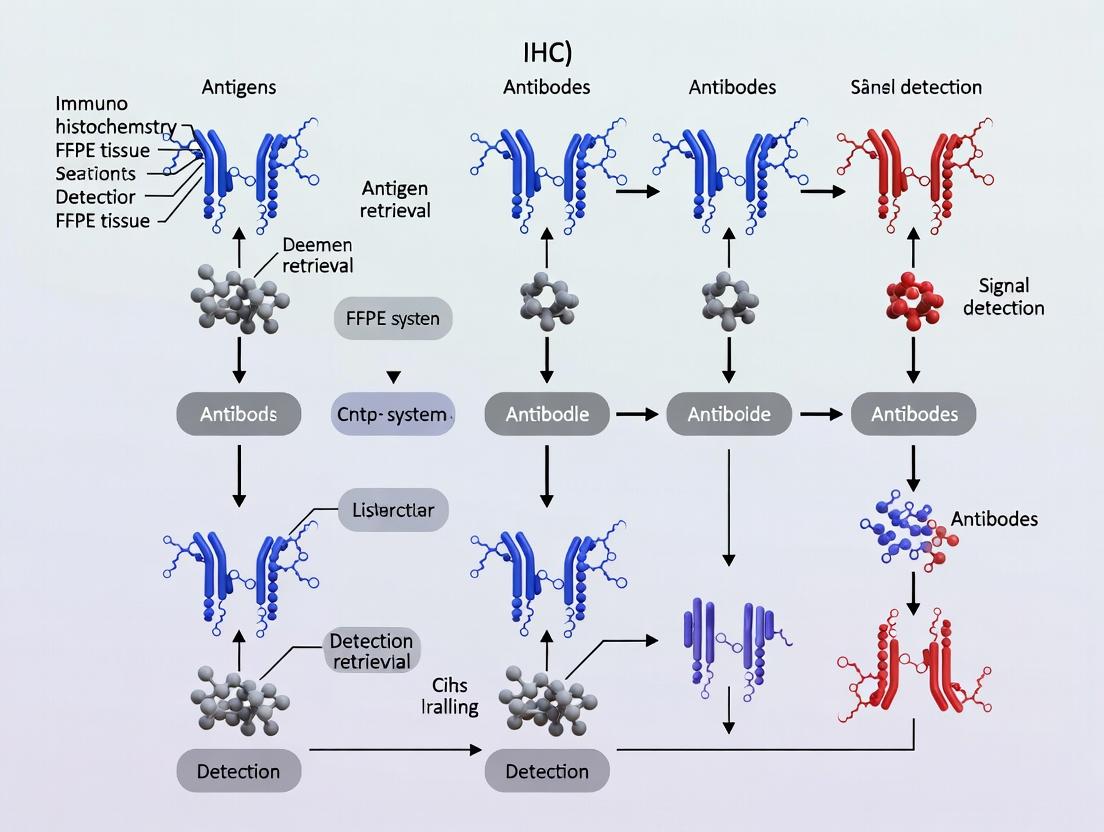
This comprehensive guide explores the pivotal role of Formalin-Fixed, Paraffin-Embedded (FFPE) tissue in Immunohistochemistry (IHC) research.
Mastering FFPE Tissue in IHC: A Complete Guide from Basics to Advanced Troubleshooting
Abstract
This comprehensive guide explores the pivotal role of Formalin-Fixed, Paraffin-Embedded (FFPE) tissue in Immunohistochemistry (IHC) research. Designed for scientists, researchers, and drug development professionals, it provides foundational knowledge on FFPE's advantages and challenges, detailed methodologies for optimal antigen retrieval and staining, systematic troubleshooting for common artifacts, and insights into validation against frozen tissue and fresh alternatives. The article synthesizes current best practices to ensure reliable, reproducible IHC results, crucial for biomarker discovery, diagnostic pathology, and therapeutic development.
Understanding FFPE Tissue: Why It's the Gold Standard for IHC and Biobanking
Within the foundational thesis of Immunohistochemistry (IHC) research basics, the Formalin-Fixed Paraffin-Embedded (FFPE) process remains the cornerstone methodology for tissue preservation. This technical guide details the core steps, from fixation to embedding, which create stable, long-term archival tissue blocks essential for morphological study and biomarker analysis in research and drug development.
The Core FFPE Process: A Step-by-Step Technical Guide
Tissue Fixation
The primary goal is to halt autolysis and putrefaction, preserving cellular morphology and macromolecules. Neutral buffered formalin (NBF) is the universal fixative.
- Mechanism: Formaldehyde (CH2O) forms cross-links between primary amines, hydroxyl groups, and peptide bonds in proteins and nucleic acids, creating a methylene bridge (-CH2-) network.
- Protocol:
- Immerse tissue specimen in a volume of 10% NBF that is 15-20 times the tissue volume.
- Fixation time is critical: 1 mm of tissue thickness requires approximately 1 hour of fixation.
- For standard biopsies (2-4 mm), fix for 6-12 hours. For larger specimens, perfusion or sectioning may be required.
- Under-fixation leads to poor morphology; over-fixation (>24-48 hours) causes excessive cross-linking, impairing antigen retrieval in downstream IHC.
Tissue Processing
This is a sequential dehydration and clearing step to prepare the water-filled tissue for infiltration with hydrophobic paraffin wax.
- Protocol: Automated tissue processors are standard. A typical protocol is summarized in Table 1.
Table 1: Standard Automated Tissue Processing Protocol
| Step | Reagent | Time (Minutes) | Purpose & Function |
|---|---|---|---|
| 1 | 70% Ethanol | 60 | Initial dehydration, gentle removal of water. |
| 2 | 90% Ethanol | 60 | Continued dehydration. |
| 3 | 100% Ethanol I | 60 | Complete removal of water. |
| 4 | 100% Ethanol II | 60 | Ensure absolute dehydration. |
| 5 | Xylene or Substitute I | 60 | Clearing: Ethanol is miscible with both water and paraffin. |
| 6 | Xylene or Substitute II | 60 | Complete clearing for transparent tissue. |
| 7 | Molten Paraffin Wax I | 60-90 | Infiltration at 55-60°C. |
| 8 | Molten Paraffin Wax II | 60-90 | Complete infiltration under vacuum. |
Embedding (Blocking)
Oriented tissue is embedded in a solid paraffin block to provide structural support for microtomy.
- Protocol:
- A mold is filled with molten paraffin.
- The processed tissue is oriented precisely (e.g., surgical margin down) using heated forceps.
- A cassette is placed on top for identification and sealed with more paraffin.
- The block is cooled rapidly on a cold plate to form a uniform crystalline structure, minimizing cutting artifacts.
Critical Considerations for IHC Research
The fixation and processing parameters directly impact IHC results. The central challenge in FFPE-IHC is the reversal of formalin-induced cross-links (masking) to reveal epitopes for antibody binding. This is achieved through Heat-Induced Epitope Retrieval (HIER) or enzymatic methods, a topic central to the broader thesis on IHC basics.
Title: FFPE Process Creates and Solves the Core IHC Challenge
The Scientist's Toolkit: Essential Research Reagent Solutions
Table 2: Key Reagents for the FFPE Process and Downstream IHC Research
| Reagent/Material | Primary Function in FFPE/IHC |
|---|---|
| Neutral Buffered Formalin (NBF) | Gold-standard fixative. Phosphate buffer maintains pH ~7.2-7.4 to prevent acid artifacts and preserve tissue architecture. |
| Ethanol (Graded Series) | Dehydrating agent. Removes water from fixed tissue through a graded series to prevent severe tissue shrinkage. |
| Xylene or Xylene Substitutes | Clearing agent. Removes alcohol, making tissue transparent and miscible with paraffin wax. Substitutes are less toxic. |
| Paraffin Wax (High-Grade) | Embedding medium. Infiltrates tissue to provide rigid support for thin sectioning (4-7 µm). Low-melt-point (~56°C) waxes are common. |
| Antigen Retrieval Buffers | Critical for IHC. Solutions (e.g., citrate pH 6.0, Tris-EDTA pH 9.0) used with heat to break methylene cross-links and unmask epitopes. |
| Proteolytic Enzymes | Alternative for antigen retrieval. Proteinase K or trypsin digests proteins to physically expose masked epitopes, useful for some targets. |
| Mayer's Hematoxylin | Nuclear counterstain for IHC. Provides blue visualization of cell nuclei, contrasting with the chromogen (e.g., DAB-brown) for morphological context. |
The FFPE process, from controlled fixation to precise embedding, generates a stable biological snapshot essential for histopathology and translational research. Understanding its technical nuances and inherent impacts on biomolecules is a fundamental prerequisite within the thesis of IHC research basics, enabling researchers to effectively harness this century-old technique for modern discovery and diagnostic applications.
Formalin-Fixed, Paraffin-Embedded (FFPE) tissue represents the cornerstone of histopathological analysis and translational research. Within the context of a broader thesis on FFPE tissue in Immunohistochemistry (IHC) research basics, its enduring value is predicated on three core pillars: unparalleled archival stability, superior preservation of morphological detail, and direct clinical relevance. This whitepaper provides a technical guide to these advantages, supported by current data, experimental protocols, and visualizations essential for researchers, scientists, and drug development professionals.
Archival Stability: The Longitudinal Biobank
The archival stability of FFPE blocks enables retrospective studies spanning decades, linking historical patient outcomes to modern molecular techniques.
Mechanism: Formaldehyde cross-links proteins, creating a methylene bridge network that stabilizes tissue macromolecules against degradation. Paraffin embedding provides an anhydrous, inert physical barrier.
Quantitative Data on Nucleic Acid Stability:
Table 1: Nucleic Acid Integrity in Long-Term FFPE Storage
| Storage Duration | DNA Amplification Success Rate (500bp amplicon) | RNA Integrity Number (RIN) Equivalent | Key Determinant |
|---|---|---|---|
| < 5 years | 95-98% | 4.5 - 5.5 | Fixation protocol |
| 5 - 15 years | 85-92% | 3.0 - 4.5 | Storage conditions |
| 15 - 30 years | 70-85% | 2.0 - 3.5 | Block sealing |
| > 30 years | 50-75% | < 2.0 | Initial tissue quality |
Experimental Protocol: Assessing DNA/RNA Yield and Quality from Archival FFPE
- Sectioning: Cut 3-5 x 10 µm curls into a sterile microfuge tube.
- Deparaffinization: Add 1 mL xylenes (or xylene substitute), vortex, incubate 5 min at 55°C. Centrifuge at full speed for 2 min. Discard supernatant. Repeat.
- Rehydration: Wash sequentially with 1 mL of 100%, 95%, and 70% ethanol. Air-dry pellet.
- Nucleic Acid Extraction: Use a dedicated FFPE DNA/RNA extraction kit (e.g., Qiagen GeneRead, Invitrogen RecoverAll). Include a proteinase K digestion step (3-16 hrs at 56°C) to reverse cross-links.
- Quantification & QC: Use fluorometric assays (Qubit). For DNA, perform multiplex PCR for amplicons of varying lengths (100bp, 300bp, 500bp). For RNA, use RT-PCR for a housekeeping gene (e.g., ACTB) with a short amplicon (<150bp).
Morphology: The Histological Gold Standard
FFPE processing preserves tissue architecture and cellular morphology with exceptional fidelity, enabling precise pathological assessment.
Core Advantage: The gradual dehydration and clearing process minimizes tissue distortion. Thin-sectioning (4-5 µm) allows for detailed visualization of subcellular structures (nuclei, membranes, cytoplasm) when stained with H&E or IHC.
Quantitative Comparison of Morphological Preservation:
Table 2: Comparison of Tissue Preservation Methodologies
| Method | Nuclear Detail | Cytoplasmic Detail | Tissue Architecture | Compatibility with Routine Stains |
|---|---|---|---|---|
| FFPE | Excellent | Excellent | Excellent | Excellent (H&E, IHC, Special Stains) |
| Fresh Frozen | Good | Poor (ice crystal artefact) | Moderate | Poor (requires specialized IHC) |
| Cryopreserved | Moderate | Moderate | Good | Moderate |
| Methacarn | Excellent | Very Good | Excellent | Good (can affect some epitopes) |
Experimental Protocol: Optimal Tissue Processing for Morphology
- Fixation: Immerse tissue in 10% Neutral Buffered Formalin (NBF) within 30 minutes of excision. Fixation time: 24-48 hours (depending on tissue thickness; 1 mm/hr guideline).
- Grossing: Trim tissue to < 4 mm thickness.
- Processing (Automated Processor):
- 70% Ethanol: 60 min
- 80% Ethanol: 60 min
- 95% Ethanol: 60 min
- 100% Ethanol I: 60 min
- 100% Ethanol II: 60 min
- Xylene I: 60 min
- Xylene II: 60 min
- Paraffin Wax I (58-60°C): 60 min
- Paraffin Wax II: 60 min
- Embedding: Orient tissue in mold with fresh paraffin. Cool rapidly on chilled plate.
- Sectioning: Use a rotary microtome. Float sections on a 40-45°C water bath. Mount on charged slides. Dry at 60°C for 60 min.
Clinical Relevance: The Bridge to Translational Medicine
FFPE tissue is intrinsically linked to clinical practice, providing a direct pathway from patient diagnosis to biomarker discovery and validation.
Advantage: The vast majority of hospital pathology archives are FFPE-based. This links molecular data to rich, annotated clinical datasets (patient history, treatment response, survival outcomes), enabling clinically meaningful research.
Quantitative Impact on Biomarker Discovery:
Table 3: Source of Tissue for FDA-Approved Companion Diagnostics (2017-2023)
| Tissue Type | Number of Approved CDx | Primary Indication | Key Advantage Cited |
|---|---|---|---|
| FFPE | 28 | Oncology (Solid Tumors) | Archival linkage, standardized pathology |
| Fresh/Frozen | 5 | Hematologic malignancies, liquid biopsies | High-quality nucleic acids |
| Cell Block | 3 | Cytology (e.g., effusions) | Minimal invasiveness |
Experimental Protocol: IHC for Clinical Biomarker Assessment (PD-L1 Example)
- Deparaffinization & Antigen Retrieval:
- Bake slides at 60°C for 30 min.
- Deparaffinize in xylene, rehydrate through graded ethanol to water.
- Perform Heat-Induced Epitope Retrieval (HIER): Place slides in pre-heated (95-100°C) Tris-EDTA buffer (pH 9.0) or Citrate buffer (pH 6.0) for 20-30 min. Cool for 20 min at room temperature.
- Immunostaining (Automated Platform Recommended):
- Peroxidase block: 5-10 min.
- Protein block (serum-free): 10 min.
- Primary antibody incubation: Clone 22C3, 28-8, or SP263 as per validated protocol (typically 30-60 min at RT).
- Labeled polymer detection system (HRP): 20-30 min.
- Chromogen: DAB, 5-10 min. Counterstain with hematoxylin.
- Scoring: Use approved companion diagnostic scoring method (e.g., Tumor Proportion Score for PD-L1).
Visualizing the FFPE IHC Workflow & Molecular Landscape
Diagram 1: FFPE IHC Workflow from Biopsy to Data
Diagram 2: Molecular & Morphological Analysis from FFPE
The Scientist's Toolkit: Essential Research Reagent Solutions
Table 4: Key Reagents and Materials for FFPE-IHC Research
| Item | Function & Rationale |
|---|---|
| 10% Neutral Buffered Formalin | Gold-standard fixative. Buffering prevents acid-induced artefacts, ensuring optimal protein and morphology preservation. |
| Automated Tissue Processor | Ensures consistent, standardized dehydration, clearing, and infiltration, critical for reproducible results. |
| Charged/Plus Microscope Slides | Positively charged surface enhances adhesion of FFPE tissue sections, preventing detachment during AR and IHC steps. |
| Heat-Induced Epitope Retrieval (HIER) Buffer (pH 6.0 Citrate or pH 9.0 Tris-EDTA) | Reverses formaldehyde cross-links to expose target epitopes. pH choice is antibody-dependent. |
| Validated Primary Antibodies | Antibodies specifically validated for IHC on FFPE tissue. Clone selection is critical for consistency. |
| Polymer-based Detection System (HRP/AP) | High-sensitivity, low-background detection systems. Superior to traditional avidin-biotin (ABC) for FFPE. |
| DAB Chromogen Kit | Enzyme substrate producing a stable, insoluble brown precipitate at antigen site. Most common for brightfield IHC. |
| Hematoxylin Counterstain | Provides nuclear contrast, allowing assessment of cellular morphology and context. |
| Coverslipping Mountant (Aqueous or Organic) | Preserves stained slide for long-term storage. Choice depends on chromogen (DAB is permanent, most mountants suitable). |
| Positive Control Tissue Microarray (TMA) | Contains cores of tissues with known antigen expression. Essential for validating each IHC run. |
Formalin-Fixed Paraffin-Embedded (FFPE) tissue is the cornerstone of histopathological archives and immunohistochemistry (IHC) research, providing invaluable morphological context and enabling retrospective studies. The core process involves tissue fixation in neutral buffered formalin, which cross-links proteins to preserve morphology, followed by dehydration, clearing, and embedding in paraffin wax. While this ensures tissue architecture integrity for decades, it creates the central analytical challenge: the cross-links formed during fixation simultaneously mask antigen epitopes, severely impairing antibody binding in subsequent IHC assays. This whitepaper details the molecular basis of this challenge and provides advanced, current methodologies to overcome it.
The Molecular Basis of Cross-linking and Masking
Formaldehyde (HCHO) primarily reacts with the primary amino groups (e.g., lysine, arginine side chains, N-termini) of proteins, forming methylol adducts. These intermediates rapidly react with other nitrogen nucleophiles (e.g., from neighboring tryptophan, histidine, or peptide backbone amides) to form stable methylene bridges (-CH2-). This creates a dense, inter- and intra-molecular protein network.
Table 1: Primary Formaldehyde-Induced Cross-links
| Cross-link Type | Molecular Target A | Molecular Target B | Stability |
|---|---|---|---|
| Methylene Bridge | Lysine ε-amino group | Glutamine/Asn amide nitrogen | High |
| Methylene Bridge | Lysine ε-amino group | Tryptophan indole nitrogen | High |
| Methylol Adduct | Lysine ε-amino group | Water (reversible) | Low |
The resulting network physically obscures antibody-binding epitopes. The degree of masking is influenced by:
- Fixation Time & pH: Prolonged fixation (>24-48 hours) increases cross-link density. Acidic pH accelerates fixation but can cause artifacts.
- Tissue Size & Penetration: Inadequate fixation leads to a gradient of cross-linking.
- Protein/Epitope Specificity: Linear epitopes are more susceptible to masking than conformational epitopes.
Core Solution: Antigen Retrieval (AR) – Detailed Protocols
Antigen Retrieval is the essential reversal of cross-linking to restore antibody accessibility. The two principal methods are Heat-Induced Epitope Retrieval (HIER) and Proteolytic-Induced Epitope Retrieval (PIER).
Protocol 3.1: Standard Heat-Induced Epitope Retrieval (HIER)
Principle: Application of heat (95-100°C or above) in a specific pH buffer hydrolyzes methylene bridges and reverses some cross-links. Key Research Reagent Solutions:
- Citrate Buffer (pH 6.0): 10mM Sodium Citrate, 0.05% Tween 20. Function: Acidic buffer effective for a majority of nuclear and cytoplasmic antigens.
- Tris-EDTA/EGTA Buffer (pH 9.0): 10mM Tris Base, 1mM EDTA/EGTA, 0.05% Tween 20. Function: Alkaline buffer often superior for phosphorylated epitopes and membrane proteins.
- Pressure Cooker or Decloaking Chamber: Function: Provides consistent, high-temperature heating (>100°C in some systems) for uniform retrieval.
- Commercial HIER Buffer Kits (e.g., from Vector Labs, Dako/Agilent): Function: Standardized, optimized buffers for reproducibility.
Method:
- Dewax & Rehydrate: Deparaffinize FFPE sections in xylene (or substitute), followed by graded ethanol series (100%, 95%, 70%) to water.
- Buffer Preparation: Preheat retrieval buffer (≥500ml) in the retrieval device to the target temperature (95-100°C for water bath/steamer; follow manufacturer instructions for pressure cooker).
- Heat Treatment: Immerse slide rack in preheated buffer. Incubate for 20 minutes (standard) or as optimized (range 10-40 min).
- Cooling: Remove container from heat and allow slides to cool in buffer at room temperature for 20-30 minutes.
- Rinse & Proceed: Rinse slides in distilled water, then transfer to PBS or TBS for subsequent IHC steps.
Protocol 3.2: Proteolytic-Induced Epitope Retrieval (PIER)
Principle: Enzymatic cleavage of peptide bonds within the cross-linked network to physically release epitopes. Key Research Reagent Solutions:
- Proteinase K (20 µg/ml in Tris buffer): Function: Broad-spectrum serine protease, effective for many tightly fixed antigens.
- Trypsin (0.05-0.1% in Tris-CaCl2 buffer): Function: Cleaves at lysine/arginine residues, often sites of cross-linking.
- Pepsin (0.1-0.5% in 0.1N HCl): Function: Functions at low pH, useful for some cytoplasmic antigens.
Method:
- Dewax & Rehydrate: As per Protocol 3.1.
- Enzyme Preparation: Prepare fresh enzyme solution in appropriate buffer. Pre-warm to 37°C in a humidified chamber.
- Digestion: Apply enzyme solution to tissue sections. Incubate at 37°C for 5-20 minutes (time is critical and must be optimized; over-digestion destroys morphology).
- Stop Reaction: Rinse slides thoroughly in running distilled water for 5 minutes.
- Rinse & Proceed: Rinse in PBS or TBS before IHC staining.
Table 2: Antigen Retrieval Method Selection Guide
| Antigen Localization | Preferred AR Method | Typical Buffer/Condition | Key Consideration |
|---|---|---|---|
| Nuclear (ER, PR, p53) | HIER | Citrate, pH 6.0 | Most common, highly effective |
| Phospho-proteins (p-AKT, p-ERK) | HIER | Tris-EDTA, pH 9.0 | Alkaline pH crucial |
| Membrane (CD20, HER2 extracellular) | HIER | Tris-EDTA, pH 9.0 or Citrate pH 6.0 | May require high-temperature HIER |
| Cytoplasmic (Cytokeratins) | HIER or PIER | Citrate pH 6.0 or Pepsin | PIER can be faster but harsher |
| Tightly Fixed/Cross-linked | Sequential HIER+PIER | HIER first, then mild protease | For refractory antigens |
Advanced Strategies and Optimization
For refractory antigens, sequential or combined AR methods may be employed. The "HIER-plus-protease" approach (brief, mild proteolysis after standard HIER) can be effective. Optimization requires systematic titration of AR time, temperature, and pH against positive and negative controls to achieve maximal signal-to-noise ratio.
Figure 1: FFPE Antigen Retrieval Decision & Workflow
Figure 2: Molecular Challenge & Solution Pathways
The Scientist's Toolkit: Key Research Reagent Solutions
Table 3: Essential Reagents for Overcoming Cross-linking in FFPE-IHC
| Item | Function & Role in Addressing Cross-linking |
|---|---|
| Neutral Buffered Formalin (10%) | Standard fixative. Controlled use (18-24 hrs) minimizes over-fixation, reducing extreme antigen masking. |
| Citrate-Based Antigen Retrieval Buffer (pH 6.0) | The most common HIER buffer. Low pH and heat break methylol adducts and cross-links for a wide antigen spectrum. |
| Tris-EDTA/EGTA Retrieval Buffer (pH 9.0) | Alkaline HIER buffer. Particularly effective for challenging antigens (phospho-epitopes, some nuclear targets) by altering electrostatic interactions. |
| Proteinase K | Broad-spectrum protease for PIER. Cleaves peptide bonds within the cross-linked network, physically liberating epitopes. |
| Pressure Cooker/Decloaking Chamber | Provides consistent, high-temperature (often >100°C) heat delivery for robust and uniform HIER, critical for standardization. |
| High-Quality, Validated Primary Antibodies | Antibodies validated for IHC on FFPE tissue are selected for epitopes that survive fixation and are retrievable. Critical for success. |
| Positive Control FFPE Tissue Sections | Essential for optimizing and validating AR protocols for each specific antigen. |
| HIER Optimization Kits (Commercial) | Provide pre-titrated buffers and protocols for systematic testing of time, temperature, and pH. |
In the foundational research of immunohistochemistry (IHC), the choice of tissue preservation method is paramount. Formalin-Fixed Paraffin-Embedded (FFPE) and fresh-frozen (Frozen) tissues represent the two primary archives for pathological and biomedical research. Understanding their structural and molecular differences is critical for experimental design, data interpretation, and translational drug development. This guide details these distinctions within the context of IHC research basics.
Core Structural Differences
The fixation and processing protocols fundamentally alter tissue architecture.
- FFPE Tissue: Formalin cross-links proteins, creating a methylene bridge network that stabilizes tissue morphology but introduces structural artifacts. Subsequent dehydration and paraffin embedding can cause variable tissue shrinkage.
- Frozen Tissue: Rapid freezing in optimal cutting temperature (OCT) compound or liquid nitrogen halts degradation (autolysis) with minimal chemical alteration. Ice crystal formation, however, can disrupt cellular membranes and ultrastructure.
Key Molecular Differences and Impact on Downstream Assays
The preservation method has profound effects on nucleic acids, proteins, and antigens, directly influencing assay suitability and protocol requirements.
Table 1: Molecular Integrity and Suitability for Core Assays
| Molecular Aspect | FFPE Tissue | Frozen Tissue | Primary Impact on IHC/Basic Research |
|---|---|---|---|
| Protein Antigenicity | Cross-linking masks epitopes; requires heat-induced epitope retrieval (HIER). | Largely preserved; no retrieval typically needed. | FFPE: Protocol standardization for HIER is critical for reproducibility. Frozen: More native antigen presentation. |
| Protein Structure | Highly cross-linked; fragmented for mass spec. | Native state largely intact; ideal for protein complexes and PTM studies. | FFPE: Limited for structural biology. Frozen: Gold standard for proteomics. |
| RNA Integrity | Highly fragmented (50-300 bp). Formalin modifies bases. | High-quality, intact RNA (RIN >7 often achievable). | FFPE: Suitable for targeted sequencing, qPCR of short amplicons. Frozen: Required for RNA-Seq, microarrays, full-transcript analysis. |
| DNA Integrity | Fragmented (100-1000 bp); cytosine deamination common. | High molecular weight DNA. | FFPE: Suitable for targeted panels and amplicon-based NGS. Frozen: Ideal for whole-genome sequencing, complex rearrangement analysis. |
| Enzymatic Activity | Destroyed by fixation. | Preserved, allowing functional assays. | FFPE: Not suitable for live-cell or activity-based assays. Frozen: Can be used for enzyme activity stains, some functional studies. |
Experimental Protocols for Core Analyses
Protocol 1: Heat-Induced Epitope Retrieval (HIER) for FFPE-IHC
- Sectioning: Cut 4-5 µm sections onto charged slides. Dry at 60°C for 1 hour.
- Deparaffinization: Immerse slides in xylene (2 x 5 min), then 100% ethanol (2 x 2 min).
- Rehydration: Sequential immersion in 95%, 70%, 50% ethanol (2 min each), then distilled water.
- Antigen Retrieval: Place slides in pre-heated citrate buffer (pH 6.0) or Tris-EDTA buffer (pH 9.0). Perform in a decloaking chamber or pressure cooker for 10-20 min at 95-120°C.
- Cooling: Cool slides in retrieval buffer at room temperature for 30 min.
- Proceed to immunostaining (blocking, primary/secondary antibody application).
Protocol 2: Protein Extraction from FFPE for Immunoblotting
- Macrodissection: Mark region of interest on an unstained slide.
- Scraping: Dewax and scrape tissue from 5-10 x 10 µm sections.
- Digestion: Incubate tissue pellets in 100-200 µL of extraction buffer (e.g., containing 20 mM Tris-HCl pH 8, 2% SDS, 10 mM DTT) at 99°C for 60 min, then 80°C for 2 hours.
- Sonication: Sonicate samples on ice (3 cycles of 20 sec on/off at high intensity).
- Clearing: Centrifuge at 14,000 x g for 15 min. Collect supernatant for downstream analysis.
Protocol 3: RNA Isolation from FFPE for qPCR
- Deparaffinization: Add 1 mL xylene to 5-10 x 10 µm sections, vortex, centrifuge. Remove supernatant. Repeat with 100% ethanol.
- Digestion: Digest pellet with Proteinase K in buffer at 56°C for 15 min, then 80°C for 15 min.
- Nucleic Acid Binding: Add binding buffer and ethanol. Transfer to a silica-column.
- DNase Treatment: Perform on-column DNase digestion for 15 min.
- Washes & Elution: Wash with provided buffers. Elute RNA in nuclease-free water. Assess quantity by spectrophotometry and quality by DV200 metric (% of RNA fragments >200 nucleotides).
Visualizing the Experimental Decision Pathway
Tissue Preservation Decision Pathway for IHC Research
Visualization of Key Molecular Differences
Molecular Consequences of FFPE vs. Frozen Processing
The Scientist's Toolkit: Key Research Reagent Solutions
Table 2: Essential Reagents for FFPE and Frozen Tissue Research
| Reagent Category | Specific Item/Kit | Primary Function in Context |
|---|---|---|
| Fixation & Embedding | 10% Neutral Buffered Formalin | Standard FFPE fixative; cross-links proteins to preserve morphology. |
| Optimal Cutting Temperature (OCT) Compound | Water-soluble embedding medium for frozen tissue; enables cryosectioning. | |
| Antigen Retrieval | Citrate Buffer (pH 6.0) / Tris-EDTA Buffer (pH 9.0) | Common retrieval solutions; breaks protein cross-links to unmask epitopes for IHC. |
| Nucleic Acid Isolation | FFPE RNA/DNA Isolation Kits (e.g., from Qiagen, Thermo Fisher) | Optimized for reversing cross-links and extracting fragmented nucleic acids from FFPE. |
| TRIzol Reagent / Column-based Kits | For high-quality, intact RNA/DNA extraction from frozen tissues. | |
| Protein Analysis | RIPA Buffer with Protease Inhibitors | Standard for protein extraction from frozen tissues/cells. |
| Commercial FFPE Protein Extraction Buffers | Contain specialized detergents and reductants to solubilize cross-linked proteins. | |
| Sectioning & Staining | Poly-L-Lysine or Charged Microscope Slides | Enhances tissue section adhesion, critical for FFPE and frozen sections. |
| Hematoxylin and Eosin (H&E) Staining Kits | Standard histological stain for assessing tissue morphology in both types. | |
| Detection | Polymer-based HRP/AP Detection Kits | High-sensitivity detection systems for IHC, commonly used with FFPE tissues. |
| Mounting Media (Aqueous & Permanent) | Preserves fluorescence (aqueous) or provides permanent coverslipping (resinous). |
The choice between FFPE and frozen tissue is not a matter of superiority but of application-specific suitability. FFPE tissue remains the irreplaceable cornerstone of clinical pathology and retrospective IHC studies due to its superb morphological preservation and stability. Frozen tissue is the benchmark for molecular discovery research requiring high-quality nucleic acids and native proteins. A nuanced understanding of their inherent structural and molecular differences, as outlined here, is fundamental to designing robust, reproducible experiments in basic IHC research and drug development.
The Role of FFPE in Modern Biobanks and Translational Research
Formalin-Fixed Paraffin-Embedded (FFPE) tissue preservation remains the cornerstone of pathology archives and modern biobanks, serving as an indispensable bridge between clinical histopathology and advanced molecular translational research. Within the thesis of FFPE tissue's role in Immunohistochemistry (IHC) and basic research, its value extends far beyond morphology. FFPE biobanks represent a vast, clinically annotated repository that enables retrospective longitudinal studies, biomarker discovery, and validation in a context that preserves the tissue's architectural integrity. The challenge and success of translational research increasingly depend on extracting high-quality molecular information—DNA, RNA, proteins, and metabolites—from these archived specimens to drive diagnostic, prognostic, and therapeutic advancements.
Technical Foundations: From Fixation to Molecular Extraction
The integrity of downstream molecular data from FFPE samples is fundamentally determined by the initial pre-analytical conditions.
Critical Pre-Analytical Variables
| Variable | Optimal Practice | Impact on Downstream Analysis |
|---|---|---|
| Ischemia Time | < 1 hour | Prolonged time induces hypoxia-related gene expression changes and macromolecule degradation. |
| Fixation Type | 10% Neutral Buffered Formalin | Unbuffered formalin causes acid hydrolysis, fragmenting nucleic acids. |
| Fixation Duration | 18-24 hours | Under-fixation leads to poor morphology and macromolecule loss; over-fixation (>48h) causes crosslinking that impedes nucleic acid extraction. |
| Tissue Processing | Standardized, automated dehydration and clearing | Inconsistent processing affects antigen retrieval and nucleic acid yield. |
| Storage Conditions | Cool, dry, stable environment (20-25°C) | High temperature/humidity accelerates nucleic acid fragmentation and antigen degradation. |
Core Protocol: Nucleic Acid Extraction from FFPE Tissue
Protocol: High-Yield DNA/RNA Co-Extraction for NGS Applications.
- Sectioning: Cut 3-5 x 10 µm sections into a sterile microfuge tube. Use a fresh, sterile blade for each block to prevent cross-contamination.
- Deparaffinization: Add 1 mL of xylene (or xylene substitute). Vortex. Incubate at 55°C for 3 minutes. Centrifuge at full speed for 2 minutes. Carefully remove supernatant.
- Ethanol Washes: Add 1 mL of absolute ethanol to the pellet. Vortex. Centrifuge at full speed for 2 minutes. Remove supernatant. Repeat with 90% and 70% ethanol.
- Digestion: Air-dry pellet briefly (5-10 mins). Resuspend in 180 µL of digestion buffer (e.g., ATL buffer from Qiagen) with 20 µL of Proteinase K. Incubate at 56°C with agitation until tissue is completely lysed (typically 3-16 hours; overnight is common).
- Crosslink Reversal/Inactivation: Incubate at 90°C for 1 hour to reverse formalin crosslinks and inactivate Proteinase K. Cool briefly.
- Nucleic Acid Binding: Add binding buffer and ethanol. Transfer to a silica-membrane column.
- Wash & Elute: Perform two wash steps with appropriate wash buffers. Elute DNA/RNA in nuclease-free water or low-EDTA TE buffer. Elution volume is typically 30-60 µL.
- Quality Assessment: Quantify using fluorometry (e.g., Qubit). Assess fragment size distribution using TapeStation/Fragment Analyzer (DV200 > 30% is desirable for RNA-Seq).
Core Protocol: Antigen Retrieval for IHC/ICC
Protocol: Heat-Induced Epitope Retrieval (HIER) using Citrate Buffer.
- Deparaffinization & Rehydration: Follow standard histological protocol: xylene (2 changes, 5 mins each) → 100% ethanol (2 changes, 2 mins) → 95% ethanol (2 mins) → 70% ethanol (2 mins) → dH₂O rinse.
- Retrieval Solution: Prepare 10 mM Sodium Citrate Buffer, pH 6.0. Alternatively, Tris-EDTA Buffer (pH 9.0) can be used for more challenging antigens.
- Heating: Place slides in a pre-filled slide holder with retrieval buffer. Heat in a pressure cooker, microwave, or steamer until the buffer reaches >95°C. Maintain sub-boiling temperature for 15-20 minutes.
- Cooling: Remove container from heat and allow slides to cool in the buffer for 20-30 minutes at room temperature.
- Wash: Rinse slides in dH₂O, then transfer to Wash Buffer (e.g., PBS or TBS).
- Proceed: Continue with standard IHC staining protocol (blocking, primary antibody incubation, detection).
Quantitative Data: The Molecular Yield from FFPE Archives
Table 1: Representative Nucleic Acid Yield and Quality from FFPE Tissues
| Tissue Type | Avg. DNA Yield (per 10µm section) | Avg. RNA Yield (per 10µm section) | Successful NGS Library Prep Rate (DNA) | Successful RNA-Seq Rate (DV200 > 30%) |
|---|---|---|---|---|
| Breast Carcinoma | 850 ng | 220 ng | 92% | 65% |
| Colon Adenocarcinoma | 920 ng | 180 ng | 95% | 58% |
| Lung Squamous Cell CA | 780 ng | 250 ng | 90% | 70% |
| Glioblastoma | 600 ng | 150 ng | 85% | 50% |
| Normal Adjacent Tissue | 950 ng | 210 ng | 96% | 62% |
Data compiled from recent literature (2022-2024) on optimally processed archival blocks (<10 years old). Success rates decline with block age and suboptimal fixation.
Table 2: Comparison of FFPE vs. Fresh Frozen Tissues in Key Assays
| Assay Type | FFPE Suitability | Key Limitation/Factor | Typical Success Metric (FFPE) |
|---|---|---|---|
| Sanger Sequencing | High | DNA fragmentation limits amplicon size to <250 bp. | >95% for targeted genes |
| Next-Generation Sequencing (DNA) | High (Targeted) / Moderate (WGS) | Fragmentation biases; C>T/G>A artifacts from deamination. | On-target rate >65% for panels |
| RNA Sequencing | Moderate | RNA fragmentation; chemical modifications. | DV200 > 30% required |
| Quantitative PCR (qPCR) | High | Requires short amplicons (<120 bp). | Reliable Ct values <35 |
| Digital PCR (dPCR) | Very High | Tolerant of fragmentation; absolute quantification. | High precision for biomarkers |
| Immunohistochemistry (IHC) | Gold Standard | Dependent on antigen retrieval optimization. | High concordance with clinical outcomes |
| Multiplexed Ion Beam Imaging (MIBI) | High | Compatible with standard FFPE sections. | >40-plex protein detection |
Signaling Pathway Analysis in Translational Research
A common translational research workflow involves analyzing oncogenic pathways in FFPE tumor samples via IHC and in-situ hybridization.
Diagram Title: FFPE Translational Research Workflow from Biobank to Clinic
Diagram Title: Key Oncogenic Signaling Pathways Analyzed in FFPE Tissues
The Scientist's Toolkit: Essential Reagents & Solutions for FFPE Research
Table 3: Research Reagent Solutions for FFPE-Based Experiments
| Category | Item/Kit | Primary Function in FFPE Workflow |
|---|---|---|
| Nucleic Acid Extraction | Qiagen QIAamp DNA FFPE Tissue Kit | Silica-membrane based purification of DNA, optimized for crosslink reversal. |
| Nucleic Acid Extraction | Promega Maxwell RSC RNA FFPE Kit | Automated, high-throughput RNA isolation with DNase treatment. |
| Nucleic Acid Extraction | Covaris truXTRAC FFPE DNA/RNA Kit | Uses adaptive focused acoustics (AFA) for simultaneous extraction, minimizing fragmentation. |
| Nucleic Acid QC | Agilent TapeStation/Fragment Analyzer | Critical for assessing DNA/RNA integrity number (DIN, RINe) or DV200%. |
| Library Prep (NGS) | Illumina TruSeq RNA Access | Targeted RNA-Seq library prep designed for degraded, FFPE-derived RNA. |
| Library Prep (NGS) | KAPA HyperPrep Kit (FFPE) | DNA library preparation with uracil-tolerant polymerases to address formalin-induced C deamination. |
| Antigen Retrieval | Vector Laboratories Antigen Unmasking Solutions | Buffered citrate or EDTA solutions for standardized HIER. |
| IHC Detection | Agilent/Dako EnVision+ System | HRP-based polymer detection system for high-sensitivity, low-background IHC. |
| Multiplex IHC/IF | Akoya Biosciences Opal Polychromatic IF | Tyramide Signal Amplification (TSA) for multiplexed protein detection on a single slide. |
| Spatial Transcriptomics | 10x Genomics Visium for FFPE | Combines histology with whole-transcriptome analysis from morphologically selected regions. |
| Digital Pathology | HALO/QuPath Open-Source Software | Image analysis platforms for quantitative scoring of IHC and multiplex staining. |
The role of FFPE in biobanking is evolving from passive archiving to active, high-dimensional molecular resource centers. Integration with fresh frozen counterparts, application of spatially resolved 'omics technologies (e.g., Visium, GeoMx, CODEX), and advanced computational pathology powered by Artificial Intelligence are unlocking deeper insights from these invaluable specimens. For translational research, the FFPE block remains an unparalleled resource, linking decades of clinical outcome data with the molecular tools of the future, thereby accelerating the pace of precision medicine.
The FFPE-IHC Protocol: Step-by-Step Methods for Optimal Staining
Within the foundational thesis on Formalin-Fixed, Paraffin-Embedded (FFPE) tissue basics for Immunohistochemistry (IHC) research, the pre-analytical phase is the most critical determinant of data integrity. Fixation time, ischemic delay, and tissue processing are interdependent variables that directly dictate the preservation of macromolecules, profoundly impacting the validity of downstream IHC and molecular analyses. This guide details their technical specifications and experimental validation.
Tissue Ischemic Delay: The Initial Variable
Ischemic delay refers to the time between tissue devascularization (surgical resection or biopsy) and immersion in fixative. During this period, anoxia triggers rapid enzymatic and degradative processes.
Key Effects:
- Phosphoprotein Degradation: Signaling pathway epitopes (e.g., pERK, pAKT) degrade within minutes.
- RNA Integrity: RIN (RNA Integrity Number) decreases rapidly.
- Morphological Artifacts: Autolysis causes nuclear pyknosis and cytoplasmic basophilia.
Quantitative Data Summary:
| Tissue Type | Delay Time | Measured Impact |
|---|---|---|
| Breast Carcinoma | 0-30 min | pAKT signal maintained at >95% of baseline. |
| Breast Carcinoma | 60 min | pAKT signal reduced to ~60% of baseline. |
| Prostate | 120 min | Significant reduction in mRNA yield and quality (RIN < 6). |
| Liver | 30 min | Onset of cytoplasmic vacuolization and loss of nuclear detail. |
| Recommended Maximum | ≤30 min | For phosphoprotein preservation; ≤60 min for general morphology and stable proteins. |
Experimental Protocol for Validating Delay Impact:
- Title: Time-Course Analysis of Phosphoprotein Degradation Post-Resection.
- Method: 1) Surgically resect tumor tissue and immediately slice into identical samples. 2) Place each sample into pre-cooled saline at room temperature for staggered intervals (0, 10, 30, 60, 120 min). 3) Immediately transfer all samples to neutral buffered formalin (NBF) for identical fixation (24h). 4) Process all samples in a single batch. 5) Perform IHC for a labile phosphoprotein (e.g., pERK1/2) and a stable protein (e.g., ERK total). 6) Quantify staining intensity via digital image analysis.
- Analysis: Plot staining intensity (H-score or % positive cells) against ischemic delay time.
Fixation Time: The Core Stabilization Step
Fixation cross-links proteins, preserving tissue architecture but can mask epitopes. Under-fixation causes poor morphology and antigen loss; over-fixation causes excessive cross-linking and impaired antigen retrieval.
Quantitative Data Summary:
| Fixative | Under-Fixation (<6h) | Optimal Fixation | Over-Fixation (>48h) |
|---|---|---|---|
| 10% NBF | Poor morphology; antigen "leaching". | 18-24 hours | Severe epitope masking; high fragmentation. |
| PLP (Periodate-Lysine-Paraformaldehyde) | Excellent for glycoprotein preservation. | 6-12 hours | Less cross-linking than NBF, but can still occur. |
| Zinc Formalin | Good for IHC, less masking. | 18-24 hours | More tolerant than NBF for some epitopes. |
| Impact on DNA/RNA | DNA: Minimal impact. RNA: Variable degradation. | DNA: Fragmentation increases linearly. RNA: Degraded. |
Experimental Protocol for Determining Optimal Fixation Time:
- Title: Fixation Time Course for a Challenging Antigen (e.g., HER2 extracellular domain).
- Method: 1) Take a large, homogeneous tumor sample and slice into multiple identical sections (using a tissue matrix for consistency). 2) Immerse sections in a large volume of NBF (1:10 tissue:fixative ratio) for varying times (1h, 6h, 12h, 24h, 48h, 72h). 3) Process all samples identically. 4. Perform IHC with standardized protocol, including multiple antigen retrieval conditions (e.g., citrate pH6, EDTA pH9). 5) Score for intensity, completeness of membrane staining (for HER2), and background.
- Analysis: Identify the fixation window yielding maximal specific signal with minimal background.
Tissue Processing: Dehydration, Clearing, and Embedding
Processing replaces aqueous tissue fluids with paraffin. Incomplete processing leads to poor sectioning; harsh processing can degrade antigens.
Critical Variables & Data:
| Processing Step | Standard Protocol (Manual) | Rapid Protocol (Automated) | Risk of Artifact |
|---|---|---|---|
| Dehydration | Graded Ethanol (70%, 80%, 95%, 100% x2) - 1h each. | Accelerated ethanol/xylene - 30-45 min total. | Incomplete: Water trails, poor sectioning. |
| Clearing | Xylene or substitutes (3 changes) - 1h each. | Integrated with dehydration. | Incomplete: Ethanol in paraffin, soft blocks. |
| Infiltration | Paraffin (3 changes) - 1h each at 56-60°C. | Under vacuum/pressure - 45-60 min total. | Incomplete: Tissue collapse, sectioning defects. |
| Total Time | ~12-16 hours | ~3-6 hours |
The Scientist's Toolkit: Research Reagent Solutions
| Item | Function & Rationale |
|---|---|
| Neutral Buffered Formalin (10%) | Gold-standard fixative. Phosphate buffer maintains pH (7.2-7.4), preventing acid-induced artifact and preserving DNA. |
| Pre-Chilled Isotonic Saline | For temporary tissue transport. Cooling slows autolysis. Avoids direct contact with ice (freeze-thaw artifact). |
| RNA Stabilization Solution | Penetrates tissue to rapidly inhibit RNases for downstream RNA-based assays from FFPE. |
| Automated Tissue Processor | Provides consistent, timed processing with vacuum/pressure cycles, reducing variability between samples. |
| Low-Melting Point Paraffin Wax | For sensitive tissues. Infiltrates at lower temperatures, reducing heat-induced epitope damage. |
| Antigen Retrieval Buffer (Citrate, EDTA/Tris) | Reverses formalin-induced cross-links. pH choice is epitope-dependent and must be optimized. |
| Histology Control Tissue Microarray | Contains cores with known fixation times/delays. Essential for batch-to-batch assay validation. |
Visualizations
Title: Pre-Analytical Variable Impact on IHC Workflow
Title: Fixation Time Optimization Protocol Flowchart
Immunohistochemistry (IHC) on Formalin-Fixed Paraffin-Embedded (FFPE) tissue is a cornerstone technique in both basic research and drug development, allowing for the spatial visualization of protein expression within a morphological context. The validity of any subsequent quantitative or qualitative analysis hinges upon the initial preparation of high-quality tissue sections. Within this workflow, sectioning and mounting represent critical, yet often under-optimized, steps. Improper technique during these stages directly leads to tissue detachment from the slide or the introduction of folds and tears, which obscure morphology, create artifactual staining, and render data uninterpretable. This guide provides an in-depth technical examination of evidence-based methods to prevent these failures, ensuring the integrity of samples for IHC within the broader thesis of robust and reproducible FFPE-based research.
Core Principles: Adhesion Science for FFPE Sections
The primary challenge is overcoming the hydrophobic nature of paraffin and the inherent fragility of the tissue-embedding matrix. Successful adhesion is a function of both electrostatic and chemical interactions between the tissue section, the slide surface, and the mounting medium.
Table 1: Quantitative Impact of Sectioning/Mounting Artifacts on IHC Analysis
| Artifact Type | Reported Incidence in Suboptimal Protocols | Consequence for IHC Analysis | Typical Data Loss |
|---|---|---|---|
| Complete Detachment | 15-30% (Routine) up to 50% (Difficult Tissues*) | Complete loss of sample; no data generated. | 100% |
| Partial Detachment/Lifting | 10-25% | Irregular staining at edges; compromised automated analysis. | 30-70% |
| Folds & Tears | 20-40% | Obscured morphology; false-positive/negative staining in folded areas. | Area-dependent (10-60%) |
| Section Thickness Variation (>±1µm) | Common without calibration | Alters antibody penetration and chromogen density, skewing quantification. | Introduces significant variance |
*Difficult tissues include fatty tissue, bone, decalcified tissue, and tissues with inherent elasticity (e.g., skin, lung).
Experimental Protocols for Optimal Sectioning
Protocol: Microtomy for FFPE Blocks to Prevent Folding
Objective: To produce serial, flat, wrinkle-free ribbons of paraffin sections of consistent thickness. Key Materials: Precision microtome (recently calibrated), high-profile disposable microtome blades, fine artist's brush, distilled water bath, chilled ice pack. Detailed Methodology:
- Block Cooling: Condition the FFPE block on a cold plate or with an ice pack for 10-15 minutes prior to sectioning. This hardens the paraffin and reduces compression.
- Microtome Setup: Secure the block firmly in the chuck. Set the section thickness to 4-5 µm for routine IHC. Verify the blade angle (clearance angle) is optimal (typically 5-10°).
- Facing the Block: Trim the block face at a coarse thickness (e.g., 10-15 µm) until the full tissue surface is exposed.
- Sectioning: a. Use a slow, steady, and even rotation of the microtome wheel. Inconsistent speed promotes compression and chatter. b. As the ribbon forms, gently guide it with a fine, dry artist's brush, supporting it from beneath. Do not pull or stretch the ribbon. c. For tissues prone to folding (e.g., lung), slightly increase the section thickness to 5-6 µm and ensure the blade is extremely sharp.
- Ribbon Transfer: Cut the ribbon to the desired number of sections. Using the brush, float the ribbon directly onto the surface of a distilled water bath maintained at 40-45°C.
Protocol: Water Bath Optimization to Eliminate Folds
Objective: To gently expand compressed tissue sections without introducing folds or leaching antigens. Key Materials: Thermostatically controlled water bath, APES- or silane-coated slides, thermometer. Detailed Methodology:
- Bath Preparation: Fill the bath with distilled or deionized water. Set the temperature to 5-10°C below the melting point of the paraffin. A temperature range of 40-45°C is standard for most paraffins. Monitor with a calibrated thermometer.
- Section Expansion: Gently float the ribbon from the microtome onto the water surface. The sections should glide onto the water, not be dropped. Allow them to remain for 30-60 seconds. Observe as the compression wrinkles smooth out.
- Critical Troubleshooting: If folds persist, the water temperature may be too low. If sections begin to fragment or the paraffin appears melted, the temperature is too high. Adjust accordingly.
- Slide Selection: Use positively charged or adhesive-coated slides (see Table 3). Label slides with a solvent-resistant pen.
Experimental Protocols for Mounting and Drying
Protocol: Mounting Sections with Maximal Adhesion
Objective: To transfer an expanded, wrinkle-free section from the water bath onto a slide with permanent adherence. Detailed Methodology:
- Slide Immersion: Submerge a coated slide into the water bath at a shallow angle, positioning it beneath the floating section.
- Lift-Out: Slowly and smoothly lift the slide upwards, "catching" the section onto its surface. Use fine forceps to gently guide the section if needed, but avoid touching the tissue.
- Draining: Hold the slide vertically on a lint-free wipe to drain excess water. Do not blot.
- Orientation: Ensure the section is centered and flat. While the section is still wet, use the tip of a needle or forceps to tease apart any minor folds that may have formed during lifting. This is the last point at which folds can be corrected.
- Drying: Place the slide on a flat, level slide warmer. Dry for 30-60 minutes at 37-42°C. Avoid high-temperature drying (>60°C), which can bake the tissue and create uneven adhesion or antigen masking.
Protocol: Oven Curing for Durable Adhesion
Objective: To polymerize adhesive coatings and create covalent bonds between tissue and slide for harsh downstream processing (e.g., antigen retrieval, stringent washes). Detailed Methodology:
- After initial drying on the slide warmer, transfer slides to a forced-air oven.
- Incubate at 58-60°C for a minimum of 1 hour. For difficult tissues, extended curing for 2 hours or overnight at 55°C is recommended.
- Critical Parameter: The oven temperature must be uniform. Verify with an independent thermometer. Overheating (>65°C) can degrade tissue morphology and antigens.
Visualization of Workflows and Relationships
Title: FFPE Sectioning & Mounting Workflow with Adhesion Risk Points
Title: Chemical Bonding Mechanism on Coated Slides for Adhesion
The Scientist's Toolkit: Research Reagent Solutions
Table 2: Essential Materials for Preventing Detachment and Folding
| Item Category | Specific Product/Type | Function & Rationale |
|---|---|---|
| Slide Coating | Poly-L-Lysine (PLL) | Positively charged polymer that electrostatically binds negatively charged tissue components. Good for general use. |
| 3-Aminopropyltriethoxysilane (APES) | Forms a reactive amino-silane layer that covalently bonds tissue proteins after heating, offering superior adhesion for stringent protocols. | |
| Electrostatically Charged Slides | Commercially pre-coated slides providing a uniform, stable positive charge for reliable adhesion. | |
| Microtomy | High-Profile Disposable Blades | Sharper, more rigid blades reduce section compression and chatter, the primary cause of folds. |
| Fine Artist’s Brushes (#0 or #1) | For gentle handling of ribbons without static or stretching, preventing tearing. | |
| Bath & Drying | Temperature-Controlled Water Bath | Precise thermal control (40-45°C) is critical for consistent, fold-free section expansion. |
| Flat-Bed Slide Warmer | Provides even, low-temperature (37-42°C) drying to prevent "baking" artifacts and differential adhesion. | |
| Adhesion Enhancers | Proteinase K or Trypsin (Used Sparingly) | Mild proteolysis can increase surface area for bonding in very dense tissues, but risks antigen damage. |
| Ionized Water Bath Additives (e.g., Richard-Allan Scientific Trace) | Reduces static and improves ribbon cohesion during microtomy and floating. |
Mastering the techniques of sectioning and mounting is not merely a preparatory step but a foundational determinant of success in FFPE-IHC research. By understanding the principles of adhesion, meticulously following optimized protocols for microtomy, water bath use, and slide curing, and employing the correct toolkit of coated slides and reagents, researchers can virtually eliminate the catastrophic artifacts of detachment and folding. This ensures maximal yield of interpretable data, enhances the reproducibility of experiments, and solidifies the reliability of findings in both basic immunological research and critical drug development pipelines. The integrity of any IHC thesis begins at the microtome.
Formalin-fixed, paraffin-embedded (FFPE) tissue preservation creates methylene bridges that cross-link proteins, masking epitopes critical for immunohistochemistry (IHC). Antigen retrieval (AR) is the seminal step to reverse these cross-links, enabling antibody binding. This whitepaper, framed within the foundational thesis of robust FFPE-IHC methodology, provides an in-depth technical comparison of the two principal AR modalities: Heat-Induced Epitope Retrieval (HIER) and Enzymatic Epitope Retrieval (EER). Mastery of their principles, applications, and protocols is essential for researchers and drug development professionals aiming to generate reproducible, high-quality data.
Core Mechanisms and Comparative Analysis
Heat-Induced Epitope Retrieval (HIER) employs elevated temperature (typically 92-100°C) in a pH-buffered solution (e.g., citrate, Tris-EDTA) to hydrolyze cross-links and partially denature proteins, thereby exposing epitopes.
Enzymatic Epitope Recovery (EER) uses proteolytic enzymes (e.g., trypsin, proteinase K, pepsin) to cleave peptide bonds, physically cutting through cross-linked proteins to liberate epitopes.
A quantitative comparison of key parameters is summarized below.
Table 1: Comparative Analysis of HIER vs. EER Methods
| Parameter | Heat-Induced Epitope Retrieval (HIER) | Enzymatic Epitope Retrieval (EER) |
|---|---|---|
| Primary Mechanism | Hydrolysis of methylene cross-links via heat & pH. | Proteolytic cleavage of peptide bonds. |
| Typical Agents | Citrate buffer (pH 6.0), Tris-EDTA (pH 9.0), Citrate-EDTA. | Trypsin, Proteinase K, Pepsin. |
| Incubation Conditions | 92-100°C for 15-40 minutes. | 37°C for 5-30 minutes. |
| Optimal Epitope Types | Widely applicable, especially for nuclear & many cytoplasmic antigens. | Often preferred for tightly cross-linked or extracellular matrix antigens. |
| Tissue Morphology | Generally better preservation. | Risk of over-digestion and tissue damage. |
| Consistency & Control | High; easily standardized with pressure cookers/water baths. | Moderate; sensitive to enzyme lot, concentration, and time. |
| Key Advantage | Broad spectrum, robust, and highly tunable via pH. | Can retrieve antigens resistant to HIER. |
| Key Disadvantage | May destroy heat-labile epitopes. | Narrower optimization window; can destroy epitopes. |
Detailed Experimental Protocols
Protocol 1: Standard Heat-Induced Epitope Retrieval (HIER) using Citrate Buffer
This is a foundational protocol for a majority of nuclear and cytoplasmic targets (e.g., ER, PR, Ki-67).
Deparaffinization & Rehydration:
- Incubate FFPE slides in fresh xylene (or substitute), 3 changes, 5 minutes each.
- Hydrate through graded ethanols: 100% (2x), 95%, 70%, 50% (3 minutes each).
- Rinse in distilled water.
Antigen Retrieval Solution Preparation:
- Prepare 10mM Sodium Citrate Buffer, pH 6.0. Add 0.05% Tween 20 for enhanced wettability.
- Pre-heat retrieval solution in a pressure cooker, steamer, or water bath to 95-100°C.
Heating:
- Place slides in a slide holder and submerge in pre-heated retrieval solution.
- For Pressure Cooker: Heat until full pressure is reached, then time for 2-5 minutes. Rapidly depressurize and cool under running tap water for 10 minutes.
- For Water Bath/Steamer: Maintain at 95-100°C for 20-30 minutes. Remove container and cool at room temperature for 20 minutes.
Post-Retrieval:
- Rinse slides in PBS (pH 7.4) or Tris buffer.
- Proceed immediately to immunohistochemical staining or blocking steps.
Protocol 2: Enzymatic Retrieval using Proteinase K
Recommended for select antigens in heavily cross-linked tissues or certain viral and extracellular matrix targets.
- Deparaffinization & Rehydration: As per Protocol 1.
- Buffer Preparation: Prepare Proteinase K digest buffer: 50mM Tris-HCl, 1mM EDTA, 0.5% Triton X-100, pH 7.6. Pre-warm to 37°C.
- Enzymatic Digestion:
- Add Proteinase K to the pre-warmed buffer at a final concentration of 5-20 µg/mL. Concentration must be empirically optimized.
- Apply solution to slides and incubate in a humidified chamber at 37°C for 10-20 minutes.
- Termination:
- Gently rinse slides in copious amounts of PBS or distilled water to halt enzymatic activity.
- Proceed immediately to subsequent IHC steps.
Visualizing Antigen Retrieval Workflows and Logic
HIER Standard Experimental Workflow
Antigen Retrieval Method Decision Logic
The Scientist's Toolkit: Essential Research Reagent Solutions
Table 2: Key Reagents and Materials for Antigen Retrieval
| Item | Function & Importance in AR |
|---|---|
| Sodium Citrate Buffer (pH 6.0) | The most common HIER buffer. Mildly acidic pH is ideal for many nuclear antigens (e.g., steroid receptors). |
| Tris-EDTA Buffer (pH 9.0) | Alkaline HIER buffer. Often superior for membrane-bound targets, phospho-epitopes, and some viral antigens. |
| Proteinase K (≥30 units/mg) | Serine protease for EER. Broad specificity; effective for difficult antigens but requires precise optimization. |
| Trypsin (0.05-0.1%) | Protease for EER. More specific cleavage (arginine/lysine); used for some intracellular and basement membrane antigens. |
| Pressure Cooker/Commercial Decloaker | Provides consistent, high-temperature HIER. Rapid heating and cooling improve results for many targets. |
| Temperature-Controlled Water Bath or Steamer | Alternative to pressure cooking for HIER. Allows for gentler, longer heat application. |
| Slide Holder & Coplin Jars | For safe immersion of slides in retrieval solutions and solvents during deparaffinization. |
| pH Meter & Calibration Buffers | Critical for accurate preparation of retrieval buffers. A 0.1 pH unit deviation can significantly impact staining. |
| Humidified Incubation Chamber | Essential for controlled enzymatic retrieval at 37°C, preventing evaporation and section drying. |
Within the broader thesis on IHC research basics, the integrity of immunohistochemistry (IHC) data is fundamentally dependent on the specific binding of primary antibodies to their intended targets in formalin-fixed paraffin-embedded (FFPE) tissues. FFPE processing induces protein cross-linking and chemical modifications that can mask or alter epitopes, making antibody validation for this specific matrix a critical, non-negotiable step. This guide details the rigorous validation strategies required to ensure antibody specificity in FFPE-IHC.
The Validation Imperative: Key Performance Indicators
Validating an antibody for FFPE-IHC extends beyond a simple positive stain. It requires a multi-parameter assessment, as summarized in the table below.
Table 1: Core Validation Criteria for FFPE-Specific Antibodies
| Validation Criterion | Description & Quantitative Benchmark | Purpose |
|---|---|---|
| Signal-to-Noise Ratio | Ratio of specific staining intensity in target-positive tissue to background in negative tissue. A minimum ratio of 3:1 is often required. | Quantifies specificity and identifies optimal dilution. |
| Titration (Antibody Dilution) | Identification of the dilution yielding optimal specific signal with minimal background. Performed in a checkerboard format. | Determines economical and specific working concentration. |
| Positive Control Reactivity | Consistent, expected staining pattern in a known positive control FFPE tissue block. | Confirms antibody functionality post-retrieval. |
| Negative Control Specificity | Lack of staining in: 1) Isotype control, 2) Target-negative tissue, 3) Primary antibody omission (no primary control). | Identifies non-specific binding and false positives. |
| Orthogonal Verification | Correlation of IHC signal with mRNA in situ hybridization or another antibody targeting a non-overlapping epitope. ≥90% concordance is strong support. | Confirms target identity independently of the antibody-epitope interaction. |
| Knockout/Knockdown Validation | Absence of staining in FFPE tissues from genetic knockout (KO) or siRNA knockdown models of the target protein. Gold standard for specificity. | Provides definitive evidence of on-target binding. |
| Inter-Lot Consistency | ≤20% variance in staining intensity scores across multiple production lots of the same antibody. | Ensures experimental reproducibility over time. |
Detailed Experimental Protocols
Protocol 1: Checkerboard Titration for Optimal Dilution
This protocol determines the optimal combination of antigen retrieval conditions and antibody concentration.
Materials:
- FFPE tissue sections (positive control tissue).
- Candidate primary antibody.
- Antigen retrieval solutions (e.g., citrate buffer pH 6.0, Tris-EDTA buffer pH 9.0).
- Standard IHC detection kit.
Methodology:
- Sectioning: Cut serial sections from the FFPE block.
- Retrieval Matrix: Perform antigen retrieval using different methods (e.g., heat-induced epitope retrieval in pH 6 and pH 9 buffers, or with/ without enzyme digestion) on separate sections.
- Antibody Dilution: For each retrieval condition, apply the primary antibody at a range of dilutions (e.g., 1:50, 1:100, 1:200, 1:500, 1:1000).
- Detection: Complete the IHC protocol with appropriate controls.
- Analysis: Score each section for specific signal intensity and background. The optimal condition is the pairing that gives the highest specific signal at the lowest background with the most dilute antibody.
Protocol 2: Knockout/Knockdown Validation
The most rigorous specificity test.
Materials:
- FFPE blocks from wild-type (WT) and isogenic target protein knockout (KO) animal tissues or engineered cell line xenografts.
- Alternatively, FFPE blocks from cells transfected with target-specific vs. scramble siRNA.
Methodology:
- Tissue Preparation: Process WT and KO tissues identically in parallel through fixation and embedding.
- Sectioning: Place WT and KO tissue sections on the same slide to ensure identical processing.
- IHC Staining: Stain the multi-tissue slide with the candidate antibody using standardized protocols.
- Analysis: Specific antibody staining must be present in WT and completely absent in KO tissue. Any residual signal in KO tissue indicates non-specific binding.
Visualizing the Validation Workflow
The logical progression for comprehensive antibody validation is a multi-step pathway.
Critical Signaling Pathways in IHC Validation
Understanding the validation pathway's logic is as crucial as knowing key biological pathways often studied in FFPE tissues, such as the MAPK/ERK pathway.
The Scientist's Toolkit: Essential Research Reagent Solutions
Table 2: Key Reagents for FFPE-IHC Antibody Validation
| Item | Function in Validation |
|---|---|
| Certified Positive Control FFPE Block | Tissue with documented expression of the target, essential for establishing baseline staining patterns and protocol optimization. |
| Isogenic Knockout FFPE Block | The gold-standard negative control. Tissues from a KO model provide definitive proof of antibody on-target specificity. |
| Multi-Tissue Microarray (TMA) | Contains dozens of tissue types on one slide, enabling high-throughput assessment of antibody specificity and cross-reactivity across tissues. |
| Antigen Retrieval Buffers (pH 6 & pH 9) | Different buffers reverse formalin-induced cross-links to varying degrees. Testing both is crucial for epitope unmasking. |
| Validated Secondary Detection System | A high-sensitivity, low-background polymer-based detection kit ensures signal fidelity is not limited by the detection step. |
| Automated IHC Stainer | Provides superior reproducibility and consistency for validation runs compared to manual staining, reducing technical variability. |
| Digital Slide Scanner & Image Analysis Software | Enables quantitative, objective analysis of staining intensity, percentage positivity, and signal-to-noise ratios. |
Within the foundational research of Immunohistochemistry (IHC) on Formalin-Fixed, Paraffin-Embedded (FFPE) tissues, maximizing detection sensitivity is paramount. This technical guide explores the core principles of detection systems and signal amplification, detailing how advanced methodologies overcome the challenges of low-abundance target antigens and suboptimal epitope availability inherent to FFPE processing. The focus is on providing researchers and drug development professionals with a practical framework for selecting and optimizing detection strategies to achieve precise, reproducible, and highly sensitive results.
FFPE tissue preservation, while standard for histopathology, introduces significant hurdles for IHC. Formalin cross-linking masks epitopes, and long-term storage can degrade nucleic acids and proteins. Consequently, detection systems must be extraordinarily sensitive to visualize low-expression targets critical for prognostic and predictive biomarkers. Signal amplification is not merely an enhancement but a necessity for robust FFPE-based IHC research.
Core Detection System Architectures
Direct vs. Indirect Detection
The choice of detection architecture fundamentally impacts sensitivity.
Direct Detection: A primary antibody is directly conjugated to a reporter enzyme (e.g., horseradish peroxidase, HRP) or fluorophore. This one-step method is fast and minimizes background but offers low signal amplification. Indirect Detection: A primary antibody is detected by a labeled secondary antibody. This provides inherent signal amplification, as multiple secondary antibodies can bind to a single primary antibody.
Enzymatic vs. Fluorescent Reporters
| Reporter Type | Common Examples | Detection Method | Key Advantages for FFPE | Sensitivity Consideration |
|---|---|---|---|---|
| Enzymatic | Horseradish Peroxidase (HRP), Alkaline Phosphatase (AP) | Chromogenic precipitation (DAB, Fast Red) | Permanent slides, high contrast with hematoxylin, compatible with brightfield microscopy. | High amplification potential via enzymatic turnover. |
| Fluorescent | Alexa Fluor dyes, Cy dyes | Fluorescence emission | Multiplexing capability, no enzyme-substrate kinetics limit. | Sensitivity depends on fluorophore brightness and photostability. |
Advanced Signal Amplification Strategies
Tyramide Signal Amplification (TSA)
TSA, also known as Immunohistochemistry (CARD), is a catalyzed reporter deposition method. HRP, conjugated to a secondary antibody, catalyzes the deposition of numerous labeled tyramide molecules onto tissue proteins near the enzyme site, yielding exponential signal increase.
Experimental Protocol for TSA IHC on FFPE Tissue:
- Deparaffinization & Antigen Retrieval: Standard processing (xylene, graded ethanols) followed by heat-induced epitope retrieval (HIER) in appropriate buffer (e.g., citrate pH 6.0, EDTA pH 8.0, or Tris-EDTA pH 9.0).
- Peroxidase Blocking: Incubate with 3% H₂O₂ for 10 minutes to quench endogenous peroxidase activity.
- Protein Block: Apply normal serum or protein block for 20 minutes to reduce non-specific binding.
- Primary Antibody Incubation: Apply optimized primary antibody diluted in antibody diluent. Incubate for 60 minutes at room temperature or overnight at 4°C.
- HRP-Conjugated Secondary Antibody: Incubate with species-specific HRP-polymer conjugate for 30 minutes.
- Tyramide Reagent Incubation: Prepare tyramide reagent (fluorophore- or hapten-labeled) per manufacturer's instructions. Apply to sections for 2-10 minutes. Critical: Optimization of tyramide concentration and time is essential to prevent high background.
- Signal Detection: For fluorescent tyramide, apply mounting medium with DAPI and image. For chromogenic tyramide (e.g., tyramide-DAB), add DAB substrate post-tyramide deposition.
- Counterstaining & Mounting: Apply appropriate counterstain (hematoxylin for chromogen, DAPI for fluorescence) and mount.
Polymer-Based Systems
These systems replace traditional secondary antibodies with dextran or other polymer chains conjugated with numerous enzyme molecules and secondary antibodies, creating a "tree-like" amplification structure.
Branched DNA (bDNA) Amplification
Primarily used for in situ hybridization (ISH) on FFPE, bDNA involves a series of sequential hybridizations to build a large branched structure that can be labeled with numerous reporter molecules, offering exceptional sensitivity for low-copy RNA targets.
Comparative Analysis of Amplification Methods:
| Method | Mechanism | Typical Signal Gain | Best Application in FFPE | Key Limitation |
|---|---|---|---|---|
| Polymer/Enzyme-Polymer | Multiple enzymes on a polymer backbone. | ~10-50x over indirect | Routine IHC, excellent balance of sensitivity and simplicity. | Limited multiplexing with enzymatic detection. |
| Tyramide (TSA) | Catalyzed deposition of tyramide reporters. | >100x over indirect | Ultra-sensitive detection of low-abundance targets, multiplex IHC/IF. | Requires meticulous optimization to control background. |
| Branched DNA (bDNA) | Sequential nucleic acid hybridization. | >1000x for RNA targets | In situ detection of viral RNA or low-expression mRNA. | Complex protocol, specific to nucleic acid detection. |
The Scientist's Toolkit: Research Reagent Solutions
| Item | Function in FFPE IHC/Amplification |
|---|---|
| HIER Buffer (Citrate, pH 6.0) | Breaks protein cross-links formed by formalin, restoring antigen accessibility. |
| HRP Polymer Conjugate | Secondary detection reagent offering higher sensitivity than simple enzyme-antibody conjugates. |
| Tyramide-Opal Reagents | Commercial TSA reagents (e.g., Opal, TSA) for multiplex fluorescent IHC. |
| Chromogen (DAB, Vector NovaRED) | Enzyme substrate producing an insoluble, colored precipitate at the antigen site. |
| Fluorophore-Conjugated Secondary | For direct fluorescent detection or use in TSA systems. |
| Serum/Protein Block | Reduces non-specific binding of antibodies to hydrophobic or charged tissue sites. |
| Antibody Diluent with Protein | Stabilizes primary antibodies during incubation and can reduce background. |
| Mounting Medium (Antifade) | Preserves fluorescence and prevents photobleaching during microscopy. |
Visualizing Key Pathways and Workflows
Tyramide Signal Amplification Mechanism
Title: TSA Catalytic Deposition Mechanism
Polymer vs. TSA Detection Workflow
Title: Polymer Detection vs TSA Workflow Comparison
Integrated IHC Optimization Pathway for FFPE
Title: FFPE IHC Sensitivity Optimization Decision Tree
Maximizing sensitivity in IHC detection for FFPE tissue research requires a systematic understanding of amplification chemistries and their integration into a rigorously optimized protocol. The choice between high-sensitivity polymer systems and ultra-sensitive TSA must be guided by the target abundance and the required multiplexing capabilities. By applying these advanced detection systems within a framework that prioritizes meticulous antigen retrieval and background reduction, researchers can reliably uncover critical biological and clinical insights from archived FFPE specimens, directly supporting the advancement of biomarker discovery and drug development.
Counterstaining, Dehydration, and Coverslipping for Permanence
In Immunohistochemistry (IHC) research using Formalin-Fixed Paraffin-Embedded (FFPE) tissues, the final steps of counterstaining, dehydration, clearing, and coverslipping are critical for achieving permanent, archival-quality slides. These procedures directly impact the contrast, clarity, and long-term stability of the immunohistochemical signal, which is essential for accurate data interpretation, peer review, and retrospective studies in both basic research and drug development. Proper execution ensures that the invaluable data captured from precious FFPE samples is preserved for future analysis.
Quantitative Data on Mounting Media and Stain Stability
The choice of mounting media significantly affects fade rates and optical properties. Current data from leading reagent manufacturers is summarized below.
Table 1: Comparison of Common Aqueous and Resinous Mounting Media
| Media Type | Example Formulations | Refractive Index (RI) | Cure Type | Key Advantages | Key Limitations | Signal Stability (DAB) |
|---|---|---|---|---|---|---|
| Aqueous | Glycerol-based, polyvinyl alcohol (PVA) | ~1.42 - 1.47 | Non-curing, dries | Fluorescence-friendly, non-toxic | Prone to drying, microbial growth, lower RI | Moderate; may fade within months |
| Synthetic Resin | Xylene-based (e.g., Permount, DPX) | ~1.52 | Evaporative | High RI, permanent seal, durable | Contains solvents, not for fluorescence | Excellent; can last decades |
| Polymerizing | Acrylic-based, styrene-based | ~1.49 - 1.52 | Chemical or UV cure | Solvent-free, hard setting, good RI | Potentially difficult to remove | Very Good to Excellent |
Table 2: Counterstain Characteristics and Compatibility
| Counterstain | Target | Staining Solution Concentration | Incubation Time | Compatibility with Common Chromogens (e.g., DAB, Fast Red) | Recommended Mounting Media Type |
|---|---|---|---|---|---|
| Hematoxylin | DNA (nuclei) | 0.1% - 1% Harris or Mayer's | 30 sec - 5 min | Excellent with DAB (brown). Requires differentiation/bluing. | Aqueous or Resinous |
| Methyl Green | DNA (nuclei) | 0.1% - 0.5% in acetate buffer | 5 - 10 min | Good with red chromogens (e.g., AP-Red). | Aqueous |
| DAPI | DNA (nuclei) | 0.1 - 1 µg/mL | 2 - 10 min | For fluorescence IHC only. Must be non-fluorescent quench. | Aqueous, Antifade |
Detailed Experimental Protocol for Permanent Mounting
The following protocol assumes an FFPE tissue section has been successfully stained with a primary antibody and chromogen (e.g., DAB).
Protocol: Counterstaining, Dehydration, Clearing, and Coverslipping
A. Counterstaining (Post-Chromogen Development)
- Rinse slides thoroughly in distilled water.
- Hematoxylin Staining: Immerse slides in filtered Mayer's Hematoxylin for 30-90 seconds.
- Rinsing: Rinse in running tap water for 1 minute.
- Differentiation (Optional for Harris): Dip slides briefly (1-3 dips) in 1% acid alcohol (1% HCl in 70% ethanol) to remove excess stain. Rinse immediately in tap water.
- Bluing: Immerse slides in a bluing solution (e.g., Scott's Tap Water substitute, 0.1% ammonia water, or saturated lithium carbonate solution) for 30-60 seconds. This step converts the reddish hematoxylin complex to a stable blue color.
- Rinse in running tap water for 5 minutes. Optionally, rinse in distilled water.
B. Dehydration and Clearing (for Resinous Mountants) This series is critical to remove all water from the tissue and prepare it for a xylene-based mounting medium.
- Dehydrate through a graded series of ethanols:
- 70% Ethanol: 30 seconds
- 95% Ethanol: 30 seconds
- 100% Ethanol I: 1 minute
- 100% Ethanol II: 2 minutes (ensures complete dehydration)
- Clearing: Transfer slides through two changes of a clearing agent (xylene or xylene substitute):
- Xylene I: 2 minutes
- Xylene II: 5 minutes, or until fully cleared (tissue appears translucent).
C. Coverslipping
- Remove one slide from the final xylene bath and briefly drain.
- Place slide flat on a paper towel.
- Apply 2-3 drops of resinous mounting medium (e.g., DPX) directly onto the tissue section.
- Gently lower a clean glass coverslip at a ~45-degree angle, allowing the medium to spread evenly and avoid air bubbles.
- Allow slides to dry flat in a fume hood for 24-48 hours. Cured slides can be cleaned with xylene-dampened tissue to remove excess medium.
Note for Fluorescent IHC: Omit dehydration and clearing. Apply an aqueous, antifade mounting medium (e.g., containing PVA or glycerol with N-propyl gallate/DABCO) and seal coverslip edges with clear nail polish.
Visualizations
Diagram 1: Workflow for Permanent Slide Preparation
Diagram 2: The Role of RI in Slide Clarity
The Scientist's Toolkit: Essential Reagents & Materials
Table 3: Research Reagent Solutions for Permanent Mounting
| Item | Function & Technical Rationale |
|---|---|
| Mayer's Hematoxylin | A progressive nuclear counterstain that does not typically require differentiation, providing consistent, moderate-intensity blue nuclear staining. |
| Scott's Tap Water Substitute | A bluing agent (alkaline solution) that adjusts pH to convert hematein to its blue form, finalizing the hematoxylin stain and enhancing contrast. |
| Ethanol (70%, 95%, 100%, Anhydrous) | A graded series for gentle to complete dehydration of tissue, preventing shrinkage artifacts and preparing for clearing agent. |
| Xylene or Xylene Substitute | A clearing agent miscible with both ethanol and resinous mountants. Removes ethanol and provides a high-refractive-index bridge to the mounting medium, rendering tissue transparent. |
| Resinous Mounting Medium (e.g., DPX) | A synthetic, xylene-based polymer dissolved in a solvent. It evaporates to form a hard, permanent seal with a refractive index (~1.52) close to glass, optimizing light transmission for brightfield microscopy. |
| Aqueous Antifade Mountant (e.g., PVA-based) | For fluorescence IHC. Contains polyvinyl alcohol or glycerol and antifading agents (e.g., DABCO, p-phenylenediamine) to reduce photobleaching of fluorophores. |
| High-Quality Glass Coverslips (#1.5 thickness) | Provides a standardized, optically optimal (0.17mm thick) cover for microscopy, compatible with high-NA objectives. |
| Coverslipping Station & Pipettes | Ensures controlled, reproducible application of mounting medium, minimizing air bubbles and waste of reagents. |
Solving Common FFPE-IHC Problems: Artifacts, Background, and Weak Signal
Identifying and Mitigating Fixation-Related Artifacts (e.g., Over-fixation)
In Immunohistochemistry (IHC) research utilizing Formalin-Fixed Paraffin-Embedded (FFPE) tissues, fixation is the critical first step that preserves cellular morphology and antigenicity. However, improper fixation, particularly over-fixation, introduces significant artifacts that compromise data integrity. Within the broader thesis on FFPE tissue IHC basics, this guide details the identification, mechanisms, and mitigation of fixation-related artifacts, focusing on over-fixation, to ensure reproducible and accurate research outcomes for drug development and biomarker discovery.
Mechanisms and Impact of Over-fixation
Prolonged exposure to formalin (typically >24-48 hours for most tissues) leads to excessive cross-linking. This creates a dense molecular mesh that traps antigens, sterically hinders antibody binding, and modifies epitope structures. The consequences are quantifiable reductions in staining intensity and specificity.
Table 1: Quantitative Impact of Fixation Time on IHC Staining Intensity*
| Fixation Time (in 10% Neutral Buffered Formalin) | Relative Staining Intensity (0-3+ Scale) | Background Score (0-3+ Scale) | Optimal Antigen Retrieval Required |
|---|---|---|---|
| 6-12 hours | 3+ | 0-1+ | Mild |
| 24 hours (Standard) | 3+ | 1+ | Standard |
| 48-72 hours | 1-2+ | 1-2+ | Extended/High-Intensity |
| >1 week | 0-1+ | 2-3+ (non-specific) | Often Ineffective |
*Data synthesized from recent literature and vendor technical notes.
Diagram 1: Mechanism of Over-fixation Artifacts
Identification of Fixation Artifacts
Key indicators of over-fixation include:
- Weak or False-Negative Staining: Staining is absent or faint in regions known to express the target, while positive controls (optimally fixed) stain appropriately.
- Increased Non-Specific Background: Excessive cross-linking can promote hydrophobic interactions, leading to non-specific antibody trapping.
- Tissue Hardness and Brittleness: Difficult sectioning, chatter, and tissue tearing.
- Gradient Effects: Staining intensity varies from the periphery (over-fixed) to the core (under-fixed) of large tissue pieces.
Experimental Protocols for Mitigation and Validation
Protocol 1: Standardized Fixation Control
Objective: To establish a baseline and identify fixation variability. Method:
- Tissue Preparation: Divide fresh tissue samples from the same source into identical dimensions (e.g., 5mm thickness).
- Controlled Fixation: Immerse samples in a 10-fold volume of 10% Neutral Buffered Formalin (NBF) at room temperature.
- Group A (Optimal): Fix for 18-24 hours.
- Group B (Over-fixed): Fix for 72 hours.
- Group C (Under-fixed): Fix for 4-6 hours.
- Processing: Process all samples simultaneously through identical dehydration, clearing, and paraffin embedding cycles.
- Analysis: Section and stain for a ubiquitous antigen (e.g., Cytokeratin, Vimentin) using a standardized IHC protocol with a consistent antigen retrieval method. Compare intensity and homogeneity.
Protocol 2: Titration of Antigen Retrieval (AR) Conditions
Objective: To potentially rescue signal from over-fixed tissue. Method:
- Sectioning: Cut sequential sections from an over-fixed FFPE block.
- AR Methods Tested:
- Heat-Induced Epitope Retrieval (HIER): Use a pH 6.0 citrate buffer and a pH 9.0 Tris-EDTA buffer.
- Proteolytic-Induced Epitope Retrieval (PIER): Use a low-concentration proteinase K (e.g., 5 µg/mL) or pepsin solution.
- Titration: For HIER, vary retrieval time (10, 20, 30 minutes) in a pressure cooker or water bath at 95-100°C. For PIER, vary incubation time (2-10 minutes) at 37°C.
- Staining: Complete IHC staining with consistent antibody incubation times. Include optimally fixed tissue as a positive control and a no-primary antibody control for each AR condition.
- Scoring: Quantify staining intensity (e.g., using H-score or quantitative image analysis) and background for each condition.
Table 2: Example Antigen Retrieval Optimization Results for Over-fixed Tissue*
| Antigen Retrieval Method | Condition | Staining Intensity (Over-fixed) | Background | Result vs. Optimal Fixation |
|---|---|---|---|---|
| Citrate pH6, 10 min | Standard Protocol | 1+ | 1+ | Suboptimal |
| Citrate pH6, 30 min | Extended HIER | 2+ | 2+ | Improved Signal/High Background |
| Tris-EDTA pH9, 20 min | High-pH HIER | 2.5+ | 1.5+ | Best Recovery |
| Proteinase K, 5 min | Mild Proteolysis | 2+ | 3+ | Signal Recovery/Damaged Morphology |
*Example data for a nuclear antigen (e.g., ER).
Diagram 2: Mitigation Workflow for Over-fixed Tissue
The Scientist's Toolkit: Key Research Reagent Solutions
Table 3: Essential Materials for Managing Fixation Artifacts
| Item | Function & Relevance to Fixation Artifacts |
|---|---|
| 10% Neutral Buffered Formalin | Gold-standard fixative. Buffering prevents acid-induced artifacts. Consistent use is key for reproducibility. |
| Validated Positive Control Tissues | Tissues with known fixation history and antigen expression levels are crucial for benchmarking staining quality. |
| Antigen Retrieval Buffers | Citrate (pH 6.0): Standard for many antigens. Tris-EDTA/EGTA (pH 9.0): Often more effective for over-fixed/nuclear antigens. |
| HIER Device (Pressure Cooker/Steamer/Water Bath) | Provides controlled, high-temperature heating essential for reversing formalin cross-links. |
| Proteolytic Enzymes (e.g., Proteinase K, Pepsin) | An alternative to HIER for specific antigens. Requires careful titration to avoid tissue damage. |
| Polymer-based Detection Systems | High-sensitivity systems can help detect masked antigens but may also amplify background; optimization required. |
| Digital Pathology/Image Analysis Software | Enables objective quantification of staining intensity and heterogeneity to detect subtle fixation gradients. |
Within the framework of robust FFPE-IHC research, proactive management of fixation is non-negotiable. Over-fixation presents as a major source of artifact, but it can be identified through controlled experiments and mitigated through systematic optimization of antigen retrieval. Adherence to standardized protocols, the use of appropriate controls, and a toolkit of retrieval solutions are essential for generating reliable, interpretable data that can inform drug development pipelines and clinical research.
Troubleshooting High Background and Non-Specific Staining
High background and non-specific staining are pervasive challenges in immunohistochemistry (IHC) research using Formalin-Fixed, Paraffin-Embedded (FFPE) tissue. Within the broader thesis on IHC research basics, these artifacts critically undermine data validity, leading to false-positive interpretations and irreproducible results. This guide provides a systematic, technical approach to identifying and rectifying the root causes of these issues, ensuring the specificity and clarity required for robust scientific and drug development research.
Core Principles and Common Causes
Non-specific staining arises from interactions not mediated by the specific antigen-antibody binding. Key mechanisms include:
- Hydrophobic and Ionic Interactions: Endogenous proteins, especially in necrotic or collagen-rich areas, can bind antibodies via non-immunologic forces.
- Endogenous Enzyme Activity: Inadequate quenching of endogenous peroxidase or alkaline phosphatase.
- Endogenous Biotin: Prevalent in tissues like liver, kidney, and brain.
- Fc Receptor Binding: Immune cells within tissue can bind the Fc portion of antibodies.
- Over-fixation: Excessive cross-linking from prolonged formalin exposure can mask epitopes, leading to increased antibody trapping and high background when attempting to recover them.
- Antibody Concentration: Excessive primary or secondary antibody titers are a leading cause.
Systematic Diagnostic Workflow
The following diagram outlines a logical, stepwise approach to diagnosing the source of problematic staining.
Diagram Title: Logical Flowchart for Diagnosing IHC Staining Issues
Key Experimental Protocols for Troubleshooting
Control Experiments
Essential controls to incorporate in every IHC study.
- No-Primary-Antibody Control: Replace primary antibody with antibody diluent or buffer. Identifies background from detection system or endogenous enzyme activity.
- Isotype Control: Use an irrelevant immunoglobulin of the same isotype and concentration as the primary antibody. Identifies non-specific binding via Fc receptors or other protein interactions.
- Absorption/Pepblock Control: Pre-incubate primary antibody with a 5-10x molar excess of the target peptide antigen. Loss of signal confirms antibody specificity.
Protocol: Endogenous Biotin Blocking
Reagents: Avidin Solution, Biotin Solution. Method:
- Following antigen retrieval and cooling, wash slides in PBS.
- Apply ready-to-use avidin solution for 15 minutes at room temperature (RT).
- Wash thoroughly with PBS.
- Apply ready-to-use biotin solution for 15 minutes at RT.
- Wash thoroughly with PBS before proceeding to the blocking step.
Protocol: Endogenous Peroxidase Quenching
Reagents: 3% Hydrogen Peroxide (H₂O₂) in methanol or PBS. Method:
- Deparaffinize and rehydrate slides.
- Prepare fresh 3% H₂O₂.
- Completely cover tissue sections with H₂O₂ solution.
- Incubate for 10-15 minutes at RT in the dark.
- Rinse thoroughly with distilled water, then proceed with antigen retrieval.
Protocol: Antibody Titration (Checkerboard Assay)
Method:
- Prepare a series of primary antibody dilutions (e.g., 1:50, 1:100, 1:200, 1:500, 1:1000).
- Apply to serial sections of a well-characterized positive control FFPE block.
- Process all slides identically through the same IHC run.
- Score slides for both specific signal intensity and background staining. The optimal dilution provides the highest signal-to-noise ratio.
The Scientist's Toolkit: Research Reagent Solutions
| Item | Function in Troubleshooting |
|---|---|
| Serum Block (e.g., Normal Goat/Donkey Serum) | Blocks non-specific binding sites on tissue proteins, minimizing ionic/hydrophobic interactions. Must match the host species of the secondary antibody. |
| Protein Block (e.g., BSA, Casein) | Inert protein used to coat free binding sites on tissue and slides, reducing background. Often used in combination with serum. |
| Polymer-Based Detection System | Enzyme-labeled polymer conjugated with secondary antibodies. Eliminates background from endogenous biotin and reduces non-specific binding vs. avidin-biotin systems. |
| Antigen Retrieval Buffers (Citrate pH 6.0, Tris-EDTA pH 9.0) | Reverses formaldehyde-induced cross-links. Optimization of pH, time, and temperature is critical for unmasking the target epitope while minimizing exposure of non-target sites. |
| Antibody Diluent with Protein | Commercial diluents often contain stabilizing proteins and blockers, improving antibody stability and reducing non-specific adhesion to glass and tissue. |
| Enzyme-Specific Chromogen Kits | Provide optimized, high-sensitivity substrates for HRP or AP. Using a different chromogen (e.g., AEC instead of DAB) can sometimes reveal less background in certain tissues. |
Quantitative Impact of Common Optimizations
The following table summarizes typical experimental outcomes from key troubleshooting modifications, based on aggregated literature and technical data.
Table 1: Quantitative Impact of Common Troubleshooting Steps on Signal-to-Noise Ratio
| Optimization Step | Typical Change in Specific Signal | Typical Change in Background | Net Effect on Signal-to-Noise Ratio |
|---|---|---|---|
| Antibody Titration (Optimal vs. 2x High) | -15% to -25% | -60% to -80% | +100% to +200% |
| Extended Blocking (30 min vs. 60 min) | No Significant Change | -40% to -50% | +70% to +100% |
| Polymer vs. Avidin-Biotin Detection | +10% to +20% | -70% to -90%* | +300% to +500% |
| Optimized Antigen Retrieval Time | +50% to +200% | +10% to +30% | +40% to +150% |
| Endogenous Enzyme Quenching | No Significant Change | -85% to -95% | +600% to +1000% |
Primarily in biotin-rich tissues. *Background may increase if retrieval is excessively harsh.
Advanced Considerations: Signaling Pathways and Artifacts
Over-fixation and aggressive retrieval can expose cryptic epitopes or alter cellular structures, leading to non-specific binding. The diagram below conceptualizes this balance.
Diagram Title: The Balance of Antigen Retrieval After Fixation
Effective troubleshooting of high background and non-specific staining in FFPE-IHC requires a hypothesis-driven approach, leveraging appropriate controls and systematic optimization. By understanding the underlying physicochemical principles and rigorously applying the diagnostic protocols and reagent solutions outlined, researchers can significantly enhance the reliability and interpretability of their IHC data, forming a solid foundation for advanced research and translational drug development.
The reliability of immunohistochemistry (IHC) on Formalin-Fixed, Paraffin-Embedded (FFPE) tissue is foundational to biomedical research, diagnostic pathology, and therapeutic target validation. A core tenet of this thesis is that robust IHC begins not at the staining step, but with the precise reversal of formaldehyde-induced cross-links—a process known as Antigen Retrieval (AR). Optimizing AR is the single most critical pre-analytical variable for successful IHC. This guide provides an in-depth technical analysis of the three primary optimization parameters: buffer pH, retrieval time, and buffer composition, framing them within the essential workflow of FFPE tissue research.
Core Principles of Antigen Retrieval
Formaldehyde fixation creates methylene bridges between proteins, masking antigenic epitopes. AR uses heat and chemical energy to break these cross-links. The mechanism is primarily driven by:
- Heat-Induced Epitope Retrieval (HIER): Application of high temperature (∼95-100°C) in a buffered solution.
- Proteolytic-Induced Epitope Retrieval (PIER): Use of enzymes like proteinase K. HIER is now the predominant method due to its broader applicability and reduced tissue damage.
The efficacy of HIER is governed by the synergistic effect of time, temperature, and the chemical environment (buffer pH and ions).
Quantitative Optimization Parameters
Buffer pH and Selection
The pH of the retrieval buffer is crucial for reversing specific types of protein cross-links. The choice impacts the net charge on proteins, influencing antibody-epitope accessibility.
Table 1: Common AR Buffers, pH Ranges, and Typical Applications
| Buffer Type | Typical pH Range | Common Formulations | Best For (Antigen Examples) | Key Considerations |
|---|---|---|---|---|
| Citrate-Based | 6.0 (Acidic) | 10mM Sodium Citrate, 0.05% Tween 20 | Nuclear antigens (ER, PR, p53), many cytoplasmic antigens. | Widely used, robust standard. May be suboptimal for some membrane antigens. |
| Tris-EDTA | 8.0-9.0 (Alkaline) | 10mM Tris Base, 1mM EDTA, 0.05% Tween 20 | Membrane proteins, phosphorylated epitopes, many transcription factors (Beta-catenin, CD20). | More effective for calcium-dependent cross-links. Can cause higher tissue detachment. |
| EDTA-Only | 8.0-9.0 (Alkaline) | 1-5mM EDTA | Challenging nuclear antigens, some viral antigens. | Powerful chelation of divalent cations. Can be harsh on tissue morphology. |
| Borate/Citrate-Phosphate | 7.0-8.0 (Neutral) | Various combined formulations | A balance for mixed antigen panels. | Compromise solution; may not be optimal for extremely pH-sensitive epitopes. |
Experimental Protocol: pH Optimization Screen
- Objective: Determine optimal AR pH for a novel nuclear antigen.
- Materials: Consecutive FFPE tissue sections, citrate buffer (pH 6.0), Tris-EDTA buffers (pH 8.0 and 9.0), pressure cooker or water bath, standard IHC detection kit.
- Method:
- Deparaffinize and hydrate sections to water.
- Perform HIER in three separate containers: Citrate pH 6.0, Tris-EDTA pH 8.0, and Tris-EDTA pH 9.0.
- Hold at 95-100°C for 20 minutes (constant time variable).
- Cool to room temperature (∼20-30 min).
- Proceed with identical IHC protocol (blocking, primary antibody, detection, chromogen) for all slides.
- Compare results based on signal intensity, specificity (low background), and preservation of morphology.
Retrieval Time and Temperature
Time and temperature are interdependent. Standard methods include pressure cooking (∼120°C, shorter times), water bath/steamer (95-100°C, longer times), and microwave (variable, less consistent).
Table 2: Effects of Time-Temperature Combinations on AR Outcomes
| Method | Approx. Temp | Typical Time Range | Impact on Signal & Morphology |
|---|---|---|---|
| Pressure Cooker | ~120°C | 1-10 minutes | Fast, intense retrieval. Excellent for many tough antigens. Risk of over-retrieval (high background, damaged morphology). |
| Water Bath / Steamer | 95-100°C | 20-40 minutes | Gentle, consistent heat. Most common lab standard. Easier to optimize and reproduce. |
| Microwave | Variable (~95-100°C) | 10-20 min (cycled) | Prone to uneven heating ("hot spots") and evaporation. Less reproducible for critical work. |
| Extended Retrieval | 95-100°C | 40-60 minutes | May be necessary for highly cross-linked or long-term fixed tissue. Must monitor morphology closely. |
Experimental Protocol: Time Course Optimization
- Objective: Define the optimal retrieval time for a labile epitope using a steamer.
- Materials: FFPE sections, optimal buffer (determined from pH screen), steamer.
- Method:
- Prepare slides and buffer as above.
- Place slides in pre-heated buffer in the steamer.
- Retrieve sets of slides for different time points (e.g., 10, 20, 30, 40 minutes).
- Cool and process for IHC simultaneously.
- Assess which time point yields the strongest specific signal without increased non-specific background or loss of cellular detail.
Visualizing the AR Optimization Workflow & Impact
Diagram 1: AR Optimization Decision Pathway
Diagram 2: AR Mechanism in IHC Workflow Context
The Scientist's Toolkit: Essential Research Reagent Solutions
Table 3: Key Reagents for Antigen Retrieval Optimization
| Item | Function & Importance in AR Optimization |
|---|---|
| Sodium Citrate Dihydrate | Primary component of citrate buffer (pH 6.0). Provides acidic, ionic environment for breaking cross-links. |
| Tris Base & EDTA Disodium Salt | Components of alkaline retrieval buffers (pH 8.0-9.0). Tris maintains pH; EDTA chelates divalent cations critical for some cross-links. |
| Tween 20 or Triton X-100 | Non-ionic detergents added to AR buffers (0.05-0.1%). Reduce surface tension, improve buffer penetration into tissue, and aid in washing. |
| Commercial AR Buffer (pH 6-10) | Pre-mixed, standardized solutions ensure consistency and save preparation time. Available in low, mid, and high-pH formulations. |
| Pressure Cooker / Steamer | Devices for consistent, high-temperature HIER. Pressure cookers provide fastest, most intense retrieval; steamers offer gentle, uniform heat. |
| pH Meter & Calibrators | Critical for verifying in-house buffer pH. A deviation of 0.5 pH units can significantly affect retrieval efficacy. |
| Humidity Chamber / Slide Rack | For consistent cooling post-HIER. Prevents sections from drying out, which causes irreversible non-specific binding. |
| Positive Control Tissue | Tissue with known expression of the target antigen. Mandatory for validating any AR protocol change. |
| Poly-L-Lysine or Plus Charged Slides | Ensures tissue adhesion during aggressive AR, especially at high pH or extended times. |
| Heat-Resistant Plastic Coplin Jars | For holding slides and buffer during HIER. Prevents breakage and allows even heat transfer compared to glass. |
Within the foundational thesis of FFPE-IHC research, antigen retrieval is not a single step but a critical variable space demanding systematic optimization. The interplay between buffer pH, time, and temperature dictates the success or failure of subsequent detection. A disciplined, empirical approach—beginning with a pH screen, followed by time-course titration, and validated with appropriate controls—is non-negotiable for rigorous, reproducible research. Mastering these parameters ensures that the observed IHC signal faithfully represents the underlying biology, forming a reliable basis for scientific discovery and therapeutic development.
In the context of Immunohistochemistry (IHC) research using Formalin-Fixed, Paraffin-Embedded (FFPE) tissues, a primary challenge is the detection of low-abundance antigens. Signal amplification and meticulous protocol optimization are critical to reviving weak or lost signals, directly impacting the accuracy and reproducibility of basic research findings. This guide details contemporary strategies for enhancing signal detection in FFPE-IHC.
Core Amplification Strategies: Tyramide Signal Amplification (TSA)
Tyramide Signal Amplification (TSA), or Immunoenzymatic Amplification, is a powerful method to detect low-copy-number targets. It utilizes the catalytic activity of horseradish peroxidase (HRP) to deposit numerous labeled tyramide molecules at the antigen site.
Experimental Protocol: TSA-Based Amplification for FFPE Tissue
- Standard IHC Steps: Perform deparaffinization, antigen retrieval (heat-induced epitope retrieval recommended), and blocking of endogenous peroxidase.
- Primary Antibody Incubation: Apply species-appropriate primary antibody overnight at 4°C. Dilutions are typically 10-100x higher than standard IHC.
- HRP-Conjugated Secondary Antibody: Incubate for 1 hour at room temperature.
- Tyramide Reagent Incubation: Prepare tyramide reagent (fluorophore- or biotin-labeled) per manufacturer's instructions. Incubate on slides for 2-10 minutes.
- Signal Development: For fluorescent tyramide, proceed to counterstain and mount. For biotin-tyramide, incubate with streptavidin-HRP or -fluorophore for further amplification before detection.
- Counterstaining and Mounting: Use DAPI for nuclei and an appropriate mounting medium.
Critical Controls: Include a no-primary-antibody control and a TSA-only control (no primary) to assess non-specific deposition.
Protocol Adjustments: Antigen Retrieval Optimization
The efficacy of antigen retrieval is the single most significant variable in FFPE-IHC. Inadequate retrieval leads to irrevocable signal loss.
Experimental Protocol: Comparative Antigen Retrieval Optimization
A systematic comparison is essential for novel or stubborn targets.
Methodology:
- Sectioning: Cut serial sections (3-5 µm) from the same FFPE block.
- Retrieval Buffer Array: Prepare three common buffers:
- pH 6.0 Citrate Buffer
- pH 8.0 Tris-EDTA Buffer
- pH 9.0 Borate Buffer
- Retrieval Method: Use a pressure cooker or commercial decloaking chamber for consistent, high-temperature heating.
- Heat buffer to >95°C.
- Immerse slides, maintain sub-boiling temperature (95-98°C) for 15-20 minutes.
- Cool slides in buffer for 20-30 minutes at room temperature.
- Downstream Processing: Complete the IHC protocol identically for all slides using the same antibody dilutions and incubation times.
- Quantitative Analysis: Score staining intensity (0-3+) and completeness (%) of target cell staining via pathologist review or digital image analysis.
Data Presentation: Quantitative Comparison of Antigen Retrieval Buffers
| Retrieval Buffer pH | Average Intensity Score (0-3+) | % of Target Cells Stained | Background Level |
|---|---|---|---|
| Citrate, pH 6.0 | 2.5 | 85% | Low |
| Tris-EDTA, pH 8.0 | 3.0 | 95% | Moderate |
| Borate, pH 9.0 | 1.5 | 60% | Low |
Multiplex IHC Signal Amplification Workflow
For multiplexed assays, sequential amplification rounds with antibody stripping or species-specific tyramides are used.
Diagram Title: Sequential mIHC Amplification Workflow
Key Signaling Pathways in IHC Detection
The fundamental signaling cascade in enzymatic IHC detection underpins both standard and amplified protocols.
Diagram Title: IHC Detection & Amplification Pathway
The Scientist's Toolkit: Research Reagent Solutions
| Item & Common Example | Function in Signal Revival |
|---|---|
| Polymer-HRP Conjugates (e.g., ImmPRESS polymers) | Replaces traditional streptavidin-biotin systems, reducing background and increasing secondary antibody enzyme load for direct amplification. |
| Tyramide Amplification Kits (e.g., Opal TSA) | Provides optimized, ready-to-use tyramide reagents for highly multiplexed, order-of-magnitude signal amplification. |
| Multiplex Antigen Retrieval Buffers (e.g., AR6, AR9, AR10 Buffers) | A standardized panel of buffers at varying pH and composition to systematically optimize epitope exposure for diverse targets. |
| Chromogen Blocking Reagents (e.g., Antibody Stripping Buffers) | Allows sequential elution of primary/secondary antibodies in multiplex IHC without damaging tissue or other labels. |
| High-Sensitivity DAB Kits (e.g., DAB+ Substrate) | Provides stabilized, enhanced formulations of DAB chromogen that yield a more intense, granular precipitate with lower background. |
| Automated Staining Platform Reagents (e.g., BenchMark ULTRA reagents) | Specifically optimized for use in automated stainers, ensuring consistency, reproducibility, and efficient reagent use in amplification protocols. |
Dealing with Tissue Degradation and RNA/DNA Co-extraction Considerations
Within the foundational thesis of FFPE tissue in Immunohistochemistry (IHC) research, the integrity of nucleic acids is paramount for downstream genomic and transcriptomic analyses. Formalin fixation and paraffin embedding, while preserving morphology for IHC, induce extensive cross-linking and fragmentation of RNA and DNA. Effective co-extraction of these molecules from degrading FFPE archives is critical for correlating protein expression (IHC) with genetic and transcriptional data, enabling comprehensive biomarker discovery and drug development research.
Mechanisms and Impact of Degradation in FFPE Tissue
Tissue degradation in FFPE samples is a time- and process-dependent phenomenon. The primary damage occurs during fixation and long-term storage.
Table 1: Primary Factors Contributing to Nucleic Acid Degradation in FFPE Tissue
| Factor | Impact on RNA | Impact on DNA | Key Chemical Alteration |
|---|---|---|---|
| Formalin Fixation (Duration, pH) | Fragmentation, base modification (cytosine deamination to uracil). | Protein-DNA & DNA-DNA cross-links, fragmentation. | Methylol group addition, Schiff base formation. |
| Prolonged Storage | Increased fragmentation, oxidative damage. | Deamination (cytosine to thymine), strand breaks. | Hydrolysis, oxidation. |
| High Temperature | Dramatic RNA degradation. | Accelerated deamination and fragmentation. | Thermal hydrolysis. |
| Inadequate Fixation/Dehydration | Autolytic degradation, bacterial contamination. | Bacterial nuclease activity. | Enzymatic hydrolysis. |
Core Principles of RNA/DNA Co-extraction from FFPE
Successful co-extraction hinges on reversing cross-links, inactivating nucleases, and efficiently partitioning both nucleic acid types. The sequential or simultaneous isolation must account for their differing chemical properties and stabilities.
Experimental Protocol: Optimized Deparaffinization and Digestion
- Sectioning: Cut 3-5 x 10 µm FFPE sections into a sterile microcentrifuge tube.
- Deparaffinization: Add 1 mL of xylenes (or xylene-substitute). Vortex. Incubate at 55°C for 3 min. Centrifuge at full speed for 2 min. Discard supernatant.
- Ethanol Washes: Add 1 mL of absolute ethanol. Vortex. Centrifuge at full speed for 2 min. Discard supernatant. Repeat once.
- Air Drying: Dry pellet at 37°C for 5-10 min until no ethanol remains.
- Proteinase K Digestion: Resuspend pellet in 200 µL of digestion buffer (e.g., 20 mM Tris-HCl pH 8.0, 20 mM EDTA, 1% SDS) containing 2 mg/mL Proteinase K. Incubate at 56°C with agitation (800 rpm) for 3 hours, then at 80°C for 15 minutes to reverse formalin cross-links and inactivate the enzyme.
- Cool samples to room temperature. The lysate is now ready for co-extraction.
Co-extraction Methodologies: Detailed Protocols
Phenol-Chloroform-Guanidine Isothiocyanate (TRIzol-like) Method
This method utilizes phase separation based on differential solubility.
Detailed Protocol:
- To the cooled lysate from Step 3 above, add 1 mL of TRIzol or equivalent monophasic phenol/guanidine isothiocyanate reagent. Vortex vigorously.
- Incubate 5 min at room temperature.
- Add 0.2 mL chloroform. Shake tube vigorously for 15 sec. Incubate 2-3 min.
- Centrifuge at 12,000 x g for 15 min at 4°C. The mixture separates into: a red organic phase (protein/DNA), interphase (DNA), and colorless aqueous phase (RNA).
- RNA Recovery: Transfer the aqueous phase to a new tube. Precipitate RNA with 0.5 mL isopropanol. Incubate 10 min. Centrifuge at 12,000 x g for 10 min at 4°C. Wash pellet with 75% ethanol. Air dry and resuspend in RNase-free water.
- DNA Recovery: Add 0.3 mL 100% ethanol to the remaining organic phase and interphase. Mix by inversion. Incubate 3 min. Centrifuge at 2,000 x g for 5 min at 4°C. Discard supernatant. Wash DNA pellet with sodium citrate in ethanol. Centrifuge. Final wash with 75% ethanol. Air dry and resuspend in TE buffer or nuclease-free water.
Table 2: Comparison of Co-extraction Methodologies
| Method | Principle | Average Yield (RNA/DNA from 10µm section) | Average DV200 for RNA (Quality) | Suitability for Downstream App |
|---|---|---|---|---|
| Organic (TRIzol) | Acidic phenol-chloroform phase separation | RNA: 1-5 µg; DNA: 0.5-3 µg | 30-60% | RNA-seq, RT-qPCR, Genotyping |
| Silica-Membrane Column | Selective binding in chaotropic salts | RNA: 0.5-4 µg; DNA: 0.2-2 µg | 40-70% | Targeted NGS, qPCR, Microarrays |
| Magnetic Bead | Paramagnetic particle binding | RNA: 0.2-3 µg; DNA: 0.1-1.5 µg | 35-65% | High-throughput, automation |
Silica-Membrane Column-Based Co-extraction
This method uses sequential binding and elution from columns.
Detailed Protocol (AllPrep DNA/RNA FFPE kit example):
- Perform deparaffinization and digestion as in Section 3.
- Add lysate to an AllPrep DNA spin column placed in a 2 mL tube. Centrifuge at 13,000 x g for 30 sec. Flow-through contains RNA.
- DNA Purification: Wash column with buffers AW1 and AW2. Elute DNA in Buffer EB.
- RNA Purification: Add ethanol to the saved flow-through from step 2 to achieve ~70% ethanol concentration. Load mixture onto an RNeasy MinElute column. Centrifuge.
- Wash with RW1 and RPE buffers. Centrifuge column dry. Elute RNA in 14-30 µL RNase-free water.
The Scientist's Toolkit: Key Research Reagent Solutions
Table 3: Essential Materials for FFPE Nucleic Acid Co-extraction
| Item | Function & Key Consideration |
|---|---|
| Proteinase K | Essential for digesting cross-linked proteins and releasing nucleic acids. Must be molecular biology grade, RNase-free. |
| Xylene or Xylene-Substitute | Dissolves paraffin wax from tissue sections. Xylene-substitutes are less toxic. |
| TRIzol Reagent / Monophasic Phenol | Denatures proteins, inactivates RNases, and facilitates phase separation for organic extraction. |
| Chaotropic Salt Buffer (e.g., with GuHCl) | Disrupts cells, inactivates nucleases, and promotes binding of nucleic acids to silica membranes/beads. |
| DNase I (RNase-free) | For on-column digestion of genomic DNA during RNA-specific purification in sequential methods. |
| RNase A | For digestion of contaminating RNA during DNA-specific purification. |
| Silica-Membrane Spin Columns / Magnetic Beads | Provide a solid phase for selective binding and washing of nucleic acids. Beads are amenable to automation. |
| Carrier RNA (e.g., Poly-A RNA) | Increases precipitation efficiency and recovery of low-abundance or fragmented RNA, especially from degraded samples. |
| Nuclease-Free Water and Elution Buffers | Critical for resuspending nucleic acids without introducing degradation. Low EDTA buffers are better for sequencing. |
Quality Assessment and Downstream Application Considerations
Table 4: Quality Metrics and Suitability for Analysis
| Metric | Target for RNA (FFPE) | Target for DNA (FFPE) | Analytical Method |
|---|---|---|---|
| Concentration | > 5 ng/µL | > 1 ng/µL | Fluorometry (Qubit). Avoid spectrophotometry for FFPE. |
| Purity (A260/A280) | 1.8 - 2.1 | 1.7 - 2.0 | Spectrophotometry (on intact samples only). |
| Fragment Distribution | DV200 > 30% (for RNA-seq) | Median size > 250 bp (for WGS) | Bioanalyzer/TapeStation (Fragment Analyzer). |
| PCR Amplifiability | Cq < 32 (for 100-200 bp amplicon) | Cq < 30 (for 100-150 bp amplicon) | RT-qPCR for RNA; qPCR for DNA (single-copy gene). |
Key Consideration: For highly degraded samples, design all downstream assays (qPCR, NGS) for amplicons/library inserts < 200 bp to align with the fragment size of the extracted nucleic acids.
Visualizing the Workflow and Degradation Pathways
FFPE RNA/DNA Co Extraction Core Workflow
Nucleic Acid Degradation Pathways in FFPE
Formalin-fixed, paraffin-embedded (FFPE) tissue remains the cornerstone of immunohistochemistry (IHC) in biomedical research and drug development. This whitepaper frames the critical role of automation and digital pathology within the broader thesis of FFPE-IHC research basics: to achieve precise, reproducible, and quantitative data from complex tissue architecture. The inherent variability in manual FFPE-IHC workflows—from tissue processing and antigen retrieval to staining and analysis—poses a significant challenge to standardization. Integrating automated platforms and digital pathology solutions is no longer optional but essential for modern, high-throughput, and data-driven research.
The Imperative for Standardization in FFPE-IHC
Quantitative data from recent studies highlight the impact of automation on key assay performance metrics.
Table 1: Impact of Automation on FFPE-IHC Workflow Metrics
| Performance Metric | Manual Protocol | Automated Protocol | Improvement |
|---|---|---|---|
| Inter-assay Coefficient of Variation (CV) | 25-40% | 8-15% | ~65% reduction |
| Slide Processing Time (hands-on) | 4-6 hours | 30-45 minutes | ~85% reduction |
| Reagent Consumption per Slide | Baseline | 20-35% less | Significant savings |
| Inter-operator Result Discrepancy | High | Negligible | Essential for reproducibility |
Core Automated Workflow Components
A standardized automated FFPE-IHC pipeline integrates several key modules.
Pre-Staining Automation: Tissue Processing & Sectioning
- Methodology: Automated tissue processors standardize fixation and dehydration using pressurized, standardized cycles. Subsequent automated sectioning (microtomy) coupled with slide labelers ensures traceability. Sections are floated in controlled water baths and mounted consistently.
- Protocol: Tissue samples are loaded into cassettes and processed through graded alcohols, xylenes, and paraffin under controlled vacuum and temperature profiles (e.g., 12-16 hour cycle). Sections are cut at 4-5 µm, automatically transferred to water baths (42-45°C), and picked up on positively charged slides.
Automated Staining Platform Workflow
Automated stainers execute the core IHC protocol with precision.
Title: Automated FFPE-IHC Staining Workflow Sequence
Digital Pathology & Quantitative Analysis
The stained slide is digitized via a whole-slide scanner at 20x or 40x magnification. Digital image analysis (DIA) software then applies algorithms for quantification.
- Methodology: Regions of interest (ROI) are annotated manually or via AI-based tissue detection. DIA algorithms perform cell segmentation (based on nuclear counterstain) and classify each cell as positive or negative based on chromogen (DAB) signal intensity thresholding.
- Protocol: Slides are loaded into a high-throughput scanner. Scanning parameters (exposure, focus) are preset for consistency. Digital files (.svs, .ndpi) are stored in a secure server. Using DIA software (e.g., HALO, QuPath), an analysis pipeline is created: tissue detection -> cell segmentation (using nuclear algorithm) -> DAB optical density measurement -> positivity classification (threshold set via negative control) -> data export (counts, intensity, density).
Key Signaling Pathways in IHC Biomarker Research
Common cancer research pathways assessed via FFPE-IHC are diagrammed below.
Title: Key Oncogenic Pathways Analyzed by IHC
The Scientist's Toolkit: Research Reagent Solutions
Table 2: Essential Reagents & Materials for Automated FFPE-IHC
| Item | Function & Importance for Standardization |
|---|---|
| Automated IHC Stainer | Integrated platform (e.g., Ventana Roche, Leica BOND, Agilent) that precisely dispenses reagents, controls incubation times/temperatures, and washes slides. Eliminates operator-dependent variables. |
| Validated Primary Antibody Clones | Antibodies specifically validated for IHC on FFPE tissue with known performance metrics (specificity, sensitivity, optimal dilution). Critical for reproducibility across labs. |
| Polymer-based Detection System | HRP or AP-labeled polymer systems (e.g., EnVision, OmniMap) offer high sensitivity and low background. Pre-packaged, ready-to-use reagents ensure lot-to-lot consistency. |
| Buffered Antigen Retrieval Solutions | Standardized, low-pH (citrate) or high-pH (EDTA/ Tris) retrieval buffers. Consistent formulation is key to reliable epitope unmasking. |
| Chromogen Substrates | Stable, ready-to-use DAB or other chromogen kits. Automated dispensers apply consistent volume, leading to uniform development and staining intensity. |
| Whole Slide Scanner | High-resolution digital microscope that creates a whole-slide image (WSI) for archival, sharing, and quantitative analysis. Enables remote review and data mining. |
| Digital Image Analysis (DIA) Software | Software (e.g., HALO, QuPath, Visiopharm) for quantitative, objective analysis of biomarker expression (H-score, percentage positivity, density). Removes observer bias. |
The integration of automation and digital pathology into FFPE-IHC workflows is fundamental to advancing the core thesis of reliable and quantitative tissue-based research. By systematically addressing pre-analytical and analytical variability, these technologies provide the necessary framework for generating robust, high-quality data. This standardization is indispensable for translational research, biomarker discovery, and therapeutic development, ensuring that conclusions drawn from FFPE tissue are both accurate and actionable.
Validating FFPE-IHC Results: Benchmarking Against Modern Technologies
Within the foundational research on Formalin-Fixed, Paraffin-Embedded (FFPE) tissues for Immunohistochemistry (IHC), establishing rigorous validation controls is paramount to data integrity and biological relevance. IHC is a critical tool for visualizing protein expression and localization in preserved tissue architecture, directly impacting biomarker discovery and therapeutic target validation in drug development. This technical guide details the core principles and implementation of positive, negative, and isotype controls, which collectively form the trifecta of assay validation, ensuring specificity, sensitivity, and the accurate interpretation of staining patterns.
The Trifecta of IHC Controls: Definitions and Rationale
Positive Control: A tissue sample known to express the target antigen. It validates the entire IHC protocol, confirming that all reagents and procedures are functional. A lack of staining indicates a technical failure.
Negative Control: A tissue sample known to be devoid of the target antigen. It assesses background and non-specific staining. Staining in this control suggests issues with antibody specificity or assay conditions.
Isotype Control: Utilizes an immunoglobulin of the same species, subclass, and concentration as the primary antibody but with no specificity for the target antigen. It identifies non-specific binding mediated by the Fc region or other protein-protein interactions.
Key Research Reagent Solutions for Control Experiments
| Reagent / Material | Function in Control Experiments |
|---|---|
| Validated FFPE Tissue Microarray (TMA) | Contains cores of known positive and negative tissues for multiple targets, enabling simultaneous control runs. |
| Recombinant Protein Lysates (Cell Line Derived) | Used in western blot or dot blot to confirm primary antibody specificity prior to IHC. |
| Isotype Control Antibodies | Matched IgG from same host species and subclass as primary antibody; critical for distinguishing specific from background binding. |
| Phosphate-Buffered Saline (PBS) / Antibody Diluent | Replaces primary antibody in the negative reagent control to identify artifacts from detection system. |
| Cell Line Pellet Controls (FFPE) | FFPE blocks of cell lines with known antigen expression (positive) or null expression (negative). |
| Serum Blocking Solutions | Normal serum from the species of the secondary antibody reduces non-specific background staining. |
| Specific Peptide or Antigen | For performing absorption/neutralization control to confirm antibody specificity by pre-incubating with the target epitope. |
Detailed Experimental Protocols for Control Establishment
Protocol 1: Isotype Control Staining
- Sectioning: Cut 4-5 µm serial sections from the FFPE block of interest.
- Deparaffinization & Antigen Retrieval: Process slides identically using standardized heat-induced epitope retrieval (HIER) or enzyme digestion.
- Blocking: Apply endogenous peroxidase block, followed by a protein block (e.g., 5% normal serum, 1% BSA) for 30 minutes.
- Primary Antibody Application:
- Test Slide: Apply the target-specific primary antibody at optimized concentration.
- Isotype Control Slide: Apply the matched isotype control immunoglobulin at the exact same protein concentration.
- Detection: Use polymer-based HRP or AP detection systems with DAB or other chromogens. Counterstain with hematoxylin.
- Interpretation: Any staining observed on the isotype control slide represents non-specific background. True positive signal must be significantly stronger than this baseline.
Protocol 2: Comprehensive Tissue Control Strategy
- Design: Incorporate controls onto every slide or batch.
- On-Slide Control: Include a multi-tissue "sausage" block or TMA core containing known positive tissue on the same slide as the test tissue.
- Negative Reagent Control: For each assay batch, include a slide where the primary antibody is replaced with diluent only (PBS/BSA).
- System Control: Use a ubiquitously expressed protein (e.g., Beta-actin) as a procedural control to confirm tissue integrity and protocol success.
- Quantitative Benchmarking: Use image analysis software to quantify staining intensity (H-score, % positivity) in control tissues. Establish acceptable ranges for positive and negative controls.
Data Presentation: Quantitative Benchmarks for Control Validation
Table 1: Expected Outcomes and Acceptable Criteria for IHC Controls
| Control Type | Tissue/Specimen | Acceptable Staining Outcome | Quantitative Benchmark (Example) | Failure Implication |
|---|---|---|---|---|
| Positive | Known expressing tissue (e.g., tonsil for CD20) | Clear, specific localization at expected intensity. | H-score > 150 (scale 0-300) | Protocol failure; invalidate batch. |
| Negative | Known non-expressing tissue | No specific staining above background. | H-score < 10 | High background or non-specific binding; requires optimization. |
| Isotype | Test tissue of interest | Minimal to no staining; only background level. | Staining intensity ≤ 2+ (on 0-4 scale) in <5% of cells. | Primary antibody concentration may be too high or blocking insufficient. |
| Reagent (No Primary) | Test tissue of interest | Absence of chromogen signal. May see hematoxylin counterstain only. | 0% chromogen positivity. | Detection system non-specificity or endogenous enzyme not blocked. |
Signaling and Validation Workflow Visualization
Title: IHC Control Strategy Workflow for Validation
Title: Specific vs. Background Signal Sources in IHC
The rigorous implementation of positive, negative, and isotype controls is non-negotiable in IHC research using FFPE tissues. These controls are not merely procedural checkboxes but are fundamental experimental variables that define the limits of detection and specificity. For scientists and drug developers, data derived from assays lacking this trifecta of controls are inherently unreliable and pose significant risk in translational research and diagnostic decision-making. A robust validation framework, as detailed herein, ensures that observed staining patterns are accurate reflections of biology, thereby strengthening the foundation of biomedical research and therapeutic development.
Correlating FFPE-IHC with Western Blot, Flow Cytometry, and ELISA
Formalin-Fixed Paraffin-Embedded (FFPE) tissue, analyzed via Immunohistochemistry (IHC), is a cornerstone of translational research and diagnostic pathology. It provides critical spatial context within an intact tissue architecture. However, a comprehensive understanding of protein expression often requires correlation with quantitative, non-spatial techniques like Western Blot (WB), Flow Cytometry (FC), and Enzyme-Linked Immunosorbent Assay (ELISA). This whitepaper provides an in-depth technical guide for researchers aiming to design robust experiments that correlate findings from FFPE-IHC with these complementary methods, thereby strengthening data validity within a broader thesis on protein target validation.
Core Principles and Challenges of Correlation
Correlating FFPE-IHC with other techniques requires addressing fundamental differences:
- Specimen Nature: FFPE-IHC uses fixed, embedded tissue sections; WB/FC/ELISA typically use fresh/frozen homogenates or cell suspensions.
- Target Epitopes: Formalin fixation creates methylene cross-links, masking or altering epitopes. Antibodies must recognize these denatured forms for IHC, but often prefer native forms for WB/FC/ELISA.
- Quantification: IHC is semi-quantitative (H-score, % positivity), while WB (densitometry), FC (median fluorescence intensity), and ELISA (absolute concentration) offer more precise quantification.
- Sample Area: IHC analyzes a specific microscopic field; downstream methods typically use a bulk lysate from a larger tissue piece.
Primary Challenge: Identifying antibodies that work reliably across these different assay formats, recognizing that an antibody validated for one technique is not automatically validated for another.
Detailed Methodologies for Correlation Experiments
Pre-Experimental Design: Tissue Triaging
For a coherent study, plan tissue usage from the outset.
- Sample Sourcing: Obtain a sufficiently large tissue sample (e.g., surgical resection).
- Macrodissection: Divide the sample into adjacent, representative portions.
- Processing:
- Portion A: Fix in 10% Neutral Buffered Formalin for 18-24 hours, process, and embed in paraffin for IHC.
- Portion B: Snap-freeze in liquid nitrogen and store at -80°C for protein extraction (WB, ELISA).
- Portion C (if applicable): Process into a single-cell suspension for Flow Cytometry (more common for liquid samples or fresh tissue).
Protocol A: From FFPE Section to Protein Lysate for WB/ELISA
This protocol enables direct comparison using the same FFPE block.
- Sectioning: Cut multiple 10-20 μm thick sections from the FFPE block. Use a fresh, clean blade for each block.
- Deparaffinization: Place sections in a microcentrifuge tube. Add 1 mL xylene, vortex, incubate 10 min, centrifuge at max speed for 5 min. Remove supernatant. Repeat.
- Rehydration: Perform sequential washes with 100%, 95%, 70% ethanol (1 mL each, 5 min per wash). Centrifuge and aspirate after each.
- Antigen Retrieval & Protein Extraction: Add 100-200 μL of a commercial FFPE protein extraction buffer (e.g., containing Tris, SDS, and proprietary retrieval agents) to the pellet.
- Heat Denaturation: Heat at 95-100°C for 20-120 minutes (optimize for your target), with vortexing every 20 min.
- Clearing: Cool, centrifuge at 14,000 x g for 15 min at 4°C. Transfer the clear supernatant (protein lysate) to a new tube. Quantify protein using a detergent-compatible assay (e.g., BCA assay).
- Downstream Application: Use lysate directly for SDS-PAGE/WB or dilute in appropriate buffer for sandwich ELISA.
Protocol B: Parallel Staining for IHC and FC
For cell surface targets, use adjacent tissue pieces.
- FFPE-IHC Arm: Fix and embed one piece as standard.
- Flow Cytometry Arm: Keep the adjacent piece fresh. Mechanically dissociate and enzymatically digest (e.g., collagenase/DNase cocktail) to create a single-cell suspension.
- Staining: Use the same antibody clone (conjugated for FC) targeting the same epitope. For FC, include viability dye and appropriate isotype controls.
- Analysis: Correlate the IHC staining intensity/pattern (% positive cells in a region) with the FC-derived percentage of positive cells and MFI from the suspension.
Data Presentation: Quantitative Correlation Tables
Table 1: Correlation of HER2/neu Expression in Breast Carcinoma (Representative Data)
| Sample ID | FFPE-IHC (Score: 0, 1+, 2+, 3+) | FFPE-IHC (% Tumor Cells Positive) | Western Blot (Relative Density vs. GAPDH) | ELISA (Total Protein pg/μg) | Flow Cytometry (% Live Cells Positive) |
|---|---|---|---|---|---|
| BC-01 | 3+ | 95% | 8.7 | 125.4 | 92.1% |
| BC-02 | 2+ | 65% | 3.2 | 45.2 | 60.5% |
| BC-03 | 1+ | 15% | 1.1 | 8.7 | 12.3% |
| BC-04 | 0 | <1% | 0.3 | 1.2 | 1.5% |
| Correlation (r) vs. IHC % | N/A | 1.00 | 0.98 | 0.99 | 0.97 |
Table 2: Key Advantages and Limitations of Each Technique
| Technique | Primary Output | Quantification Level | Required Sample | Key Advantage for Correlation | Major Challenge for Correlation |
|---|---|---|---|---|---|
| FFPE-IHC | Spatial localization in tissue | Semi-quantitative | FFPE section | Architectural context; gold standard | Epitope masking; difficult to multiplex |
| Western Blot | Molecular weight & specificity | Relative (fold-change) | Homogenate (Frozen/FFPE) | Confirms specificity via size | Poor throughput; not absolute |
| ELISA | Absolute concentration | Absolute (e.g., pg/mL) | Homogenate / Serum | High throughput; precise quant | Loses spatial information |
| Flow Cytometry | Multi-parameter single-cell data | Absolute (% pos, MFI) | Single-cell suspension | Multi-parameter on live cells | Requires suspension; no spatial data |
Visualizing Workflows and Relationships
Title: Experimental Workflow for Multi-Method Correlation
Title: Generating IHC and WB Data from a Single FFPE Block
The Scientist's Toolkit: Key Reagent Solutions
Table 3: Essential Materials for Correlation Studies
| Item / Reagent Category | Specific Example(s) | Function in Correlation Studies |
|---|---|---|
| FFPE Protein Extraction Kit | Commercial kits from R&D Systems, Thermo Fisher, Covaris | Standardized buffer for efficient antigen reversal and protein recovery from FFPE sections for WB/ELISA. |
| Cross-Platform Validated Antibodies | Clones validated for IHC, WB, and FC on vendor datasheets. | Ensures detection of the same epitope across all techniques, critical for valid correlation. |
| Multiplex IHC Platforms | Akoya Biosciences (Phenocycler, OPAL), NanoString (GeoMx) | Allows quantification of multiple targets in the same FFPE section, enabling richer correlation with FC multiplex data. |
| Automated Image Analysis Software | HALO, Visiopharm, QuPath | Converts IHC staining patterns into quantitative data (H-score, cell counts) suitable for statistical correlation with WB/FC/ELISA numbers. |
| Laser Capture Microdissection | Arcturus XT, Leica LMD | Allows precise isolation of specific cell populations from an FFPE slide for subsequent protein/RNA extraction, reducing tissue heterogeneity. |
| Detergent-Compatible Protein Assay | Pierce Detergent-Compatible (DC) Protein Assay, BCA Kit | Accurately quantifies protein concentration in SDS-containing FFPE extraction lysates prior to WB or ELISA loading. |
Formalin-fixed, paraffin-embedded (FFPE) tissue is the cornerstone of histopathology and retrospective immunohistochemistry (IHC) research, offering unparalleled archival stability. However, the fixation and embedding process fundamentally alters protein and nucleic acid integrity, leading to antigenicity loss and reduced assay sensitivity compared to fresh-frozen (FF) tissue. This whitepaper quantifies these losses and provides a technical guide for optimizing IHC in FFPE within the fundamental thesis that understanding these limitations is essential for robust, reproducible IHC-based research and drug development.
Mechanisms of Antigenicity Loss in FFPE Tissue
The primary cause of antigenicity loss is formalin-induced protein cross-linking. Formaldehyde forms methylene bridges between amino acid side chains (e.g., lysine, arginine), masking epitopes recognized by antibodies. Prolonged fixation exacerbates this. Subsequent paraffin embedding at high temperatures and the required rehydration process for IHC can further damage protein conformation. Epitope retrieval techniques are designed to reverse these cross-links.
Title: Mechanism of FFPE Antigen Masking and Retrieval
Quantitative Comparison: FFPE vs. Fresh/Frozen
The following tables summarize key quantitative metrics from recent studies comparing FFPE and FF tissues in IHC and related proteomic analyses.
Table 1: Protein Yield and Antigen Detection Sensitivity
| Metric | Fresh/Frozen Tissue | FFPE Tissue | Notes & Source |
|---|---|---|---|
| Total Protein Yield | 100% (Reference) | 30-70% | Significant loss due to cross-linking and extraction inefficiency [1]. |
| Detectable Proteins (Proteomics) | ~6000-10,000 | ~4000-7,000 | FFPE shows reduced depth, especially for hydrophobic/phospho-proteins [2]. |
| IHC Signal Intensity (Average Loss) | 100% (Reference) | 20-80% | Highly antigen-dependent. Citrate pH6 retrieval most common. ER/PR/Her2 show ~10-30% loss with optimized protocols; others (e.g., PD-L1, phospho-targets) can lose >50% [3]. |
| Optimum Section Thickness | 4-10 µm | 3-5 µm | Thicker FFPE sections increase background; optimal for antigen access. |
Table 2: Impact on Key Biomarker Classes
| Biomarker Class | Relative Performance in FFPE | Primary Challenge |
|---|---|---|
| Cell Surface Proteins (e.g., CD markers) | Moderate to Good | Cross-linking masks extracellular domains. |
| Nuclear Proteins (e.g., ER, Ki-67) | Generally Good | Dense chromatin can impede access. |
| Phospho-Proteins | Poor to Moderate | Phospho-epitopes are highly labile. Rapid fixation is critical. |
| Labile/Inducible Proteins | Poor | Degradation prior to fixation. Requires cold fixation methods. |
Core Experimental Protocols for Comparison & Validation
Protocol 1: Paired Sample IHC Validation
- Objective: Directly compare antigenicity for a target in matched FFPE and FF samples.
- Method:
- Sample Preparation: Split tissue sample immediately after resection. One piece snap-frozen in liquid N₂ (FF). The other fixed in 10% Neutral Buffered Formalin for 18-24h at room temperature before processing to paraffin (FFPE).
- Sectioning: Cut 4-5 µm sections from both blocks.
- Staining: Perform IHC on consecutive runs using the same antibody clone, dilution, detection system, and incubation times.
- Antigen Retrieval (FFPE only): Deparaffinize, then perform heat-induced epitope retrieval (HIER) in citrate buffer (pH 6.0) or Tris-EDTA (pH 9.0).
- Quantification: Use digital pathology/image analysis software to measure staining intensity (H-score, Allred score, or mean optical density) in identical regions.
Protocol 2: Antigen Retrieval Optimization Screen
- Objective: Determine optimal retrieval condition to maximize signal recovery in FFPE.
- Method:
- Buffer Selection: Test 3-4 retrieval buffers (e.g., Citrate pH6, Tris-EDTA pH8-9, high/low pH proprietary buffers).
- Heat Method: Use a pressure cooker, steamer, or water bath at consistent temperature (95-100°C) with variable time points (10, 20, 40 minutes).
- Experimental Design: Stain an FFPE tissue microarray (TMA) containing known positive/negative controls with the target antibody.
- Analysis: Score for highest signal-to-noise ratio. Phospho-antibodies often require high-pH retrieval.
Title: Core IHC Workflow for FFPE Tissue with Retrieval Options
The Scientist's Toolkit: Essential Research Reagents & Solutions
| Item | Function/Application |
|---|---|
| 10% Neutral Buffered Formalin | Standardized fixation to minimize over-fixation artifacts. |
| Antigen Retrieval Buffers (Citrate pH6, Tris-EDTA pH9) | Key solutions for breaking methylene cross-links and unmasking epitopes. |
| Protease-Induced Epitope Retrieval (PIER) Enzymes | Alternative to HIER for specific, sensitive epitopes (e.g., trypsin). |
| Validated FFPE-Compatible Primary Antibodies | Antibodies specifically validated on FFPE tissue, often with recommended retrieval conditions. |
| Polymer-based HRP Detection Systems | High-sensitivity detection systems to amplify weak signals from compromised antigens. |
| Automated IHC Staining Platforms | Ensure reproducibility in retrieval, staining times, and washing for comparative studies. |
| Digital Pathology Slide Scanners & Analysis Software | Enable precise, quantitative comparison of staining intensity between FFPE and FF samples. |
Quantifying antigenicity loss is not an indictment of FFPE but a necessary step for rigorous research. For core IHC research, the following is recommended:
- Validate Every Antibody: Assume FFPE performance differs. Use paired samples if possible.
- Optimize Retrieval Systematically: It is the single most critical variable.
- Employ Sensitive Detection: Polymer systems are essential for low-abundance targets.
- Use Appropriate Controls: Include FFPE known positive/negative and FF controls in every experiment.
- Document Pre-Analytical Variables: Fixation time and delay are crucial metadata.
Understanding and mitigating sensitivity loss allows researchers to fully leverage the vast biobank of FFPE tissues for reliable translational and drug development research.
Within the foundational thesis of immunohistochemistry (IHC) research basics, formalin-fixed, paraffin-embedded (FFPE) tissue remains the gold-standard biospecimen for morphological analysis. This whitepaper details how multiplex IHC (mIHC) and spatial profiling technologies are revolutionizing FFPE analysis by enabling the simultaneous detection of multiple biomarkers within preserved tissue architecture. These techniques expand analytical dimensions beyond single-plex assays, providing critical insights into cellular phenotypes, functional states, and cellular interactions within the tumor microenvironment (TME) for drug development.
Core Technologies and Principles
Multiplex IHC (mIHC) Methodologies
mIHC allows for the concurrent visualization of multiple antigens on a single FFPE tissue section. Current live search data indicates two dominant technological approaches:
- Sequential Immunofluorescence (seqIF): Involves iterative cycles of antibody staining, imaging, and fluorophore inactivation (via chemical bleaching or stripping). Platforms like Akoya Biosciences' OPAL and Phenocycler facilitate this.
- Mass Spectrometry-Based Imaging (MSI): Utilizes metal-tagged antibodies detected by time-of-flight mass spectrometry (e.g., Ionpath's MIBI, Fluidigm's Hyperion). This method offers >40-plex capability without spectral overlap.
Spatial Transcriptomics and Profiling
Spatial profiling technologies correlate multiplex protein data with whole-transcriptome or targeted RNA expression within the tissue's geographical context. Key platforms include:
- 10x Genomics Visium: Captures whole transcriptome data from FFPE sections.
- NanoString GeoMx Digital Spatial Profiler (DSP): Enables protein and RNA quantification from user-defined regions of interest (ROIs).
Table 1: Comparison of Core Multiplex & Spatial Profiling Platforms for FFPE
| Platform/Technology | Core Principle | Max Plexity (Proteins) | Spatial Resolution | Key Advantage | Primary Readout |
|---|---|---|---|---|---|
| Sequential IF (OPAL) | Cyclic fluorescence | 6-8+ | ~0.25 µm/pixel (standard microscopy) | Uses standard microscopes; familiar workflow | Fluorescence intensity |
| CODEX | Cyclic fluorescence with DNA barcodes | 40+ | ~0.25 µm/pixel | High plexity with fluorescence imaging | Fluorescence intensity |
| MIBI / Hyperion | Imaging Mass Cytometry | 40+ | ~0.26 µm/pixel | Ultra-high plexity; no spectral overlap | Metal ion counts |
| GeoMx DSP | UV-cleavable oligonucleotide tags | ~150 (Proteins & RNA) | ROI-based (cellular to 600µm) | Protein & RNA co-detection; region selection | Digital counts (NGS) |
| Visium (FFPE) | Spatial barcoding on array | Whole Transcriptome | 55 µm (spot diameter) | Untargeted discovery; whole transcriptome | Digital counts (NGS) |
Table 2: Typical Antibody Panel Design for Tumor Immune Contexture (6-Plex Example)
| Target | Cell Type/Function | Fluorochrome/Metal Tag | Expected Localization | Purpose in Analysis |
|---|---|---|---|---|
| Pan-CK | Tumor/epithelial cells | 149Sm (Metal) / Cy5 (Fluor) | Membrane/Cytoplasm | Identify tumor regions |
| CD3 | T cells | 170Er (Metal) / Opal 520 | Membrane | General T cell infiltration |
| CD8 | Cytotoxic T cells | 156Gd (Metal) / Opal 570 | Membrane | Effector cytotoxic cells |
| CD68 | Macrophages | 158Gd (Metal) / Opal 620 | Membrane | Myeloid cell infiltration |
| PD-1 | Immune checkpoint | 175Lu (Metal) / Opal 690 | Membrane | T cell exhaustion marker |
| DAPI | Nuclear DNA | N/A | Nucleus | Cellular segmentation |
Experimental Protocols
Protocol 1: Sequential Multiplex IHC/IF using Tyramide Signal Amplification (TSA)
This protocol is adapted for an automated stainer using OPAL reagents.
Materials: FFPE tissue section (4-5 µm), primary antibodies validated for sequential IHC, OPAL fluorophore reagents, antigen retrieval buffer (pH 6 or 9), antibody diluent, autofluorescence quencher, microwave or pressure cooker, fluorescent slide scanner.
Method:
- Deparaffinization & Retrieval: Bake slide at 60°C for 1 hr. Deparaffinize in xylene and rehydrate through graded ethanol. Perform heat-induced epitope retrieval (HIER) in appropriate buffer using a pressure cooker (120°C, 15 min).
- Primary Antibody Incubation: Cool slides, apply peroxidase block. Incubate with the first primary antibody (e.g., anti-CD8) for 1 hour at room temperature (RT).
- TSA Detection: Incubate with HRP-conjugated secondary antibody for 10 min. Apply selected OPAL fluorophore (1:50-1:100 in amplification diluent) for 10 min.
- Antibody Stripping: Perform microwave-based stripping in retrieval buffer to remove the primary-secondary complex, preserving the covalently deposited fluorophore.
- Repetition: Repeat steps 2-4 for each subsequent marker (e.g., CD3, PanCK, etc.).
- Counterstaining & Mounting: After the final cycle, stain nuclei with DAPI or Spectral DAPI. Apply anti-fade mounting medium.
- Imaging: Image using a multispectral fluorescence microscope or scanner. Use spectral unmixing software to generate single-channel images.
Protocol 2: GeoMx Digital Spatial Profiler Workflow for Protein Targets
Materials: FFPE tissue sections, GeoMx slides, indexing oligonucleotide-tagged antibodies, UV illuminator, NGS library prep kit, ROI selection software.
Method:
- Panel Conjugation & Staining: Conjugate primary antibodies with indexing oligonucleotides per manufacturer's protocol. Stain FFPE slides with the conjugated antibody cocktail and morphological markers (SYTO13 for nuclei, PanCK-AF532).
- Imaging & ROI Selection: Scan slides on the instrument. Use software to define ROIs based on morphology (e.g., tumor vs. stroma, cellular neighborhoods).
- UV Cleavage & Collection: For each selected ROI, a UV light cleaves the indexing oligonucleotides from the bound antibodies. The oligos are collected via a microcapillary into a 96-well plate.
- Quantification: Process the collected oligos for next-generation sequencing (NGS) library preparation and sequencing. Digital counts are generated for each target per ROI.
Diagrams
Title: Sequential mIHC Workflow
Title: Spatial Profiling Platform Selection Logic
The Scientist's Toolkit: Research Reagent Solutions
Table 3: Essential Materials for Multiplex IHC/IF in FFPE
| Item | Function & Importance | Example Brands/Products |
|---|---|---|
| Validated Primary Antibodies | Specificity and performance in sequential or conjugated formats are critical for reproducibility. | Cell Signaling Tech, Abcam, CST, in-house validated clones |
| Tyramide Signal Amplification (TSA) Kits | Amplify weak signals, enabling high-plex sequential staining with minimal antibody cross-talk. | Akoya OPAL, Thermo Fisher TSATM Plus |
| Antigen Retrieval Buffers | Reverse formaldehyde cross-links to expose epitopes; pH optimization is target-dependent. | Citrate (pH 6.0), Tris-EDTA (pH 9.0) |
| Multispectral Imaging System | Captures full emission spectrum for precise spectral unmixing of overlapping fluorophores. | Akoya Vectra/Polaris, Zeiss Axioscan |
| Spectral Unmixing Software | Deconvolutes mixed signals into pure single-channel images for accurate quantification. | Akoya inForm, HALO, Visiopharm |
| Indexed Oligo-Conjugation Kits | For spatial proteomics platforms, allows antibody tagging with unique DNA barcodes. | NanoString GeoMx Ab Conjugation Kits |
| Cell Segmentation Software | Identifies individual cell boundaries based on nuclear/membrane markers for single-cell data. | HALO, QuPath, Cellpose |
| Antifade Mounting Medium | Preserves fluorophore intensity during storage and repeated imaging. | ProLong Diamond, Vectashield |
Integrating FFPE-IHC with Next-Gen Sequencing and Proteomics Data
Within the foundational thesis of FFPE tissue in immunohistochemistry (IHC) research, the integration of IHC with next-generation sequencing (NGS) and proteomics represents a paradigm shift. Formalin-fixed, paraffin-embedded (FFPE) tissue archives represent an unparalleled resource for translational research, linking rich morphological context with molecular data. This technical guide details the methodologies for unlocking and correlating protein expression (IHC), genomic alterations (NGS), and global protein/post-translational modification data (proteomics) from the same FFPE specimen, thereby creating a multidimensional map of disease biology crucial for biomarker discovery and drug development.
Technical Foundations: From FFPE Tissue to Multimodal Data
The core challenge in integration lies in the compromised quality of biomolecules due to formalin fixation. Cross-linking and fragmentation must be addressed through optimized protocols for nucleic acid and protein recovery.
Key Research Reagent Solutions
| Reagent / Material | Function in Integration Workflow |
|---|---|
| FFPE RNA/DNA Extraction Kits (with de-crosslinking) | Maximize yield and quality of fragmented nucleic acids for NGS library prep. Include RNase inhibitors for transcriptomics. |
| FFPE Protein Extraction Buffers | Typically contain high concentrations of detergents (SDS) and chaotropes to reverse crosslinks and solubilize proteins for proteomics. |
| Multiplex IHC/IF Kits (Opal, CODEX) | Enable simultaneous detection of 6+ protein markers on a single slide, generating rich, spatial proteomic data for correlation. |
| Targeted NGS Panels (e.g., for solid tumors) | Designed for short amplicons, optimal for fragmented FFPE DNA/RNA. Focus on clinically relevant genes (e.g., cancer drivers). |
| TMT or LFQ Reagents for Proteomics | Isobaric (Tandem Mass Tag) or Label-Free Quantification reagents for multiplexed, quantitative mass spectrometry analysis. |
| Nucleic Acid QC Kits (FFPE-specific) | Fluorometric assays that accurately quantify fragmented DNA/RNA, superior to absorbance-based methods for FFPE. |
| Automated Slide Scanners & Image Analysis SW | Digitize IHC slides for quantitative analysis (H-score, % positivity) and spatial feature extraction. |
Core Experimental Protocol: Sequential Multi-Omics from a Single FFPE Block
This protocol outlines the sequential extraction of data from a single FFPE tissue block, prioritizing morphology.
Protocol Title: Sequential Multi-Omic Analysis of a Single FFPE Tissue Block Objective: To obtain IHC, NGS, and proteomics data from one FFPE block. Materials: Microtome, charged slides, laser capture microdissection (LCM) instrument, FFPE DNA/RNA extraction kit, protein extraction buffer, multiplex IHC reagents, NGS library prep kit, LC-MS/MS system.
Methodology:
- Sectioning: Cut serial 4-5 µm sections from the FFPE block. Mount on charged slides for IHC and PEN membrane slides for LCM.
- Pathologist Review & Annotation: A pathologist reviews an H&E-stained section to annotate regions of interest (ROI), e.g., tumor, stroma.
- Multiplex IHC/Immunofluorescence (mIHC/IF):
- Perform mIHC/IF on one slide using a validated antibody panel (e.g., CK, CD8, PD-L1, Ki67).
- Scan slide with a high-resolution fluorescence scanner.
- Use image analysis software to quantify marker expression within the annotated ROIs. Export quantitative data (cell counts, intensity, spatial coordinates).
- Macrodissection or Laser Capture Microdissection (LCM):
- For bulk analysis: Use an H&E guide slide to manually scrape the ROI from unstained sections.
- For pure population analysis: Perform LCM on an unstained section to precisely isolate specific cells (e.g., tumor cells) from the ROI.
- Nucleic Acid Extraction & NGS:
- Digest dissected tissue with proteinase K. Extract DNA and/or RNA using a dedicated FFPE kit.
- Assess DNA fragmentation (e.g., DV200 for RNA). Prepare sequencing libraries using a targeted panel or whole-exome/transcriptome protocols optimized for FFPE.
- Sequence on an appropriate NGS platform. Analyze for variants (SNVs, indels, CNVs), fusions, and gene expression.
- Protein Extraction & Proteomics:
- From a separate aliquot of dissected tissue, extract proteins using a heated, high-SDS buffer (e.g., 2-4% SDS in Tris-HCl, 95°C for 1-2 hrs).
- Digest proteins with trypsin after cleanup (e.g., filter-aided sample preparation).
- Label peptides with TMT isobaric tags or proceed with label-free quantification. Analyze by LC-MS/MS.
- Identify and quantify proteins and phospho-sites using database search engines.
Data Integration Point: The common link is the anatomically defined ROI. All molecular data (genomic variants, protein abundance, IHC scores) are referenced back to this same histological origin.
Diagram 1: Sequential Multi-Omic Workflow from One FFPE Block
Data Integration and Analytical Approaches
The correlation of spatial protein expression (IHC), genomic alterations, and global proteomic profiles requires specialized bioinformatic pipelines.
Key Data Types and Quantitative Comparison
| Data Modality | Typical Output Metrics | Primary Platform | Key Preprocessing Step for Integration |
|---|---|---|---|
| IHC / mIHC | H-score, Allred score, % positive cells, cell density, spatial proximity indices. | Digital Slide Scanner / Image Analysis Software | Segmentation of tumor/stroma; extraction of per-region or single-cell metrics. |
| DNA NGS (Targeted Panel) | Variant allele frequency (VAF) for SNVs/Indels, copy number variation (CNV), tumor mutational burden (TMB). | Illumina/Ion Torrent | Variant calling (e.g., GATK), annotation (e.g., VEP). Data normalized per ROI. |
| RNA-Seq (FFPE) | Transcripts per million (TPM), gene fusion calls, differentially expressed genes (DEGs). | Illumina | Pseudoalignment (e.g., Salmon) with GC bias correction. Use FFPE-aware aligners. |
| Mass Spectrometry Proteomics | Label-free intensity or TMT ratio, peptide spectral counts, phosphorylation stoichiometry. | Thermo Orbitrap/SCIEX | MaxQuant/Proteome Discoverer analysis. Normalization and batch correction. |
Integration Workflow and Pathway Mapping
The integrated analysis often focuses on validating and extending findings across modalities. For example, a genomic alteration (e.g., PIK3CA mutation) may be linked to increased phospho-AKT (p-AKT) signaling, detectable by both IHC and phosphoproteomics.
Diagram 2: Multi-Modal Data Convergence to Drive Hypothesis
Advanced Applications in Drug Development
This integrated approach is critical across the drug development pipeline.
Biomarker Discovery: Identification of composite biomarkers, e.g., a specific mutation (EGFR L858R) coupled with high PD-L1 IHC expression, predicting response to combination therapy. Mechanism of Action/Resistance: Analysis of pre- and post-treatment FFPE biopsies can reveal resistance mechanisms—e.g., loss of target protein (IHC), emergence of a secondary mutation (NGS), and activation of bypass pathways (phosphoproteomics). Patient Stratification: Creates comprehensive molecular profiles for clinical trial enrollment, moving beyond single-parameter testing.
The technical integration of FFPE-IHC with NGS and proteomics transforms archival tissue from a static morphological resource into a dynamic, multi-layered dataset. By implementing robust, sequential extraction protocols and leveraging bioinformatic tools for correlation, researchers can construct a more complete model of disease biology directly within its histological context. This approach is foundational to advancing precision medicine, enabling the discovery of novel biomarkers and accelerating targeted drug development.
Regulatory Considerations for FFPE-IHC in Diagnostic and Drug Development
Formalin-Fixed Paraffin-Embedded (FFPE) tissue combined with Immunohistochemistry (IHC) remains a cornerstone technique in diagnostic pathology and translational research for drug development. Within the broader thesis on FFPE tissue in IHC research basics, the regulatory landscape governing its use is critical. This guide details the regulatory frameworks, validation requirements, and quality control measures essential for employing FFPE-IHC data in regulated environments, including clinical diagnostics and submissions to agencies like the FDA and EMA.
Regulatory Frameworks and Standards
The use of FFPE-IHC is governed by distinct but overlapping regulations for diagnostics and drug development.
In Vitro Diagnostics (IVD): For clinical diagnostic use, IHC assays in the US are regulated by the FDA's Center for Devices and Radiological Health (CDRH) under 21 CFR Part 820 (Quality System Regulation) and require either 510(k) clearance or Pre-Market Approval (PMA). In the EU, the In Vitro Diagnostic Regulation (IVDR 2017/746) classifies IHC assays, with most being Class C, demanding rigorous performance evaluation and quality management system compliance.
Drug Development & Companion Diagnostics (CDx): IHC is often used as a biomarker assay or a CDx. CDx development aligns with drug approval under FDA guidance (e.g., "In Vitro Companion Diagnostic Devices") and EMA guidelines. The assay must be validated per standards like the FDA's "Principles for Codevelopment" and the ICH guidelines Q2(R1) (Validation of Analytical Procedures) and E6(R3) (Good Clinical Practice).
Laboratory-Developed Tests (LDTs): In CLIA-certified labs, LDTs using FFPE-IHC follow guidelines from the Clinical and Laboratory Standards Institute (CLSI, e.g., I/LA28-A2) and College of American Pathologists (CAP) checklists. The FDA's oversight of LDTs is evolving, increasing regulatory scrutiny.
Essential Validation Parameters for FFPE-IHC
Regulatory acceptance hinges on rigorous analytical and clinical validation. The following table summarizes the core performance characteristics and typical acceptance criteria for a quantitative or semi-quantitative IHC assay.
Table 1: Analytical Validation Parameters for FFPE-IHC Assays
| Validation Parameter | Definition & Method | Typical Acceptance Criteria (Example) |
|---|---|---|
| Precision (Repeatability & Reproducibility) | Measure of assay consistency. Intra-observer, inter-observer, inter-instrument, inter-day, and inter-site variability. | Coefficient of Variation (CV) < 10-20% (depending on analyte). >90% concordance between readers/sites. |
| Accuracy | Agreement with a reference method (e.g., FISH, PCR, another validated IHC assay). | Overall Percent Agreement (OPA) > 90%. Positive/Negative Percent Agreement (PPA/NPA) > 95%. |
| Analytical Sensitivity (Limit of Detection) | Lowest amount of analyte detectable. Test serially diluted cell lines or tissues with known low expression. | Consistent detection at the established lowest expression level with 95% confidence. |
| Analytical Specificity | Includes Cross-reactivity and Interference. | No staining with known negative cell lines/tissues. Staining unaffected by common fixatives, ischemia time (<1 hr variation). |
| Robustness / Ruggedness | Performance under deliberate, small changes (e.g., antigen retrieval time ±10%, primary antibody incubation time ±15%). | All results remain within predefined precision and accuracy limits. |
| Linearity / Reportable Range | Ability to provide results proportional to analyte concentration across assay range. Test using a dilution series of a positive control. | R² value > 0.95 for the dose-response relationship. |
| Sample Stability | Evaluation of antigenicity in FFPE blocks and slides over time under defined storage conditions. | No significant signal loss (<20% change) over claimed shelf-life (e.g., 3 years for blocks, 3 months for slides). |
Detailed Experimental Protocol: Analytical Validation for Precision (Reproducibility)
Objective: To assess the inter-site and inter-operator reproducibility of a semi-quantitative FFPE-IHC assay for biomarker "X".
Materials: See "The Scientist's Toolkit" below. Protocol:
- Sample Selection: A tissue microarray (TMA) containing 30 cores is constructed. It includes 10 positive controls (cell lines with known high expression), 10 negative controls (known null expression), and 10 clinical specimens covering a range of expression (low, medium, high). All cores are from FFPE blocks fixed for 6-24 hours.
- Slide Distribution: Serial sections (4 µm) from the master TMA block are distributed to three participating laboratories.
- Staining: Each site performs the IHC assay per the locked-down, detailed protocol on three separate days (non-consecutive), using the same lot of key reagents. One operator at each site performs all stainings.
- Digital Imaging & Analysis: Stained slides are digitally scanned at 20x magnification. Image analysis software, calibrated with the same training set, quantifies the H-score (0-300 scale) for each core.
- Statistical Analysis:
- Calculate the mean H-score and standard deviation (SD) for each core across all sites and runs (n=9 measurements per core).
- Determine the overall Coefficient of Variation (CV% = (SD/Mean)*100) for each core and for each control category.
- Perform an ANOVA to partition variance components (between-site, between-run, within-run).
- Calculate Intraclass Correlation Coefficient (ICC) for agreement. A two-way random-effects model for absolute agreement is typically used.
Acceptance Criteria: The assay passes if the overall CV for positive controls is <15%, and the ICC is >0.90, indicating excellent reproducibility.
Title: FFPE-IHC Inter-Site Reproducibility Study Workflow
Companion Diagnostic (CDx) Development Pathway
The co-development of a therapeutic product and an IHC-based CDx involves a tightly integrated, phase-aligned process with regulatory interactions.
Title: Integrated Drug and IHC-CDx Co-Development Timeline
The Scientist's Toolkit: Essential Reagents & Materials
Table 2: Key Research Reagent Solutions for Validated FFPE-IHC
| Item | Function & Regulatory Consideration |
|---|---|
| Primary Antibody (Clone-Specific) | Binds the target epitope. Must be thoroughly characterized for specificity (KO/WB validation). For CDx, a specific commercial lot is locked down. |
| Isotype Control Antibody | Negative control reagent matched to the host species and isotype of the primary antibody. Critical for assessing non-specific background. |
| Validated FFPE Tissue Controls | Cell line-derived or patient tissue controls with certified negative/weak/moderate/strong expression. Essential for daily run validation and assay monitoring. |
| Automated IHC Staining Platform | Provides consistent reagent application, incubation, and washing. Platform and software version must be specified and validated. |
| Antigen Retrieval Buffer (pH 6 or 9) | Reverses formaldehyde-induced cross-links. Buffer pH, heating method (water bath, pressure cooker, steamer), and time must be standardized. |
| Detection Kit (Polymer-based) | Amplifies the primary antibody signal. Must demonstrate minimal endogenous enzyme activity and high signal-to-noise ratio. Lot-to-lot consistency is critical. |
| Chromogen (DAB, Permanent Red) | Forms an insoluble precipitate at the antigen site. DAB is most common. Concentration, preparation method, and incubation time must be controlled. |
| Digital Pathology Scanner & Software | For whole-slide imaging and quantitative analysis. Software algorithms (e.g., for H-score, % positive cells) must be validated and locked. |
Pre-Analytical Variables: A Critical Regulatory Focus
Up to 70% of IHC variability stems from pre-analytical factors. Regulatory submissions must detail control strategies for these variables.
Table 3: Control of Key Pre-Analytical Variables
| Variable | Potential Impact on IHC | Recommended Control Strategy |
|---|---|---|
| Cold Ischemia Time | RNA/protein degradation, antigen loss. | Standardize SOP to ≤1 hour from resection to fixation. Document deviations. |
| Fixation Type & Time | Under-fixation: poor morphology, antigen loss. Over-fixation: epitope masking. | Use 10% Neutral Buffered Formalin for 6-72 hours. Validate assay across this range. |
| Tissue Processing & Embedding | Improper dehydration/clearing affects sectioning and antigenicity. | Use automated processors with standardized cycles. |
| Section Age (Slide Storage) | Antigen loss on cut slides over time, especially for labile targets. | Define and validate a maximum slide age (e.g., 3-12 weeks) when stored desiccated at 4°C. |
| Antigen Retrieval | Single most critical step for epitope recovery. Method, pH, time, and temperature must be exact. | Use a validated, automated retrieval system. Include controls for under- and over-retrieval. |
Navigating the regulatory landscape for FFPE-IHC requires a meticulous, data-driven approach from assay design through validation and implementation. Success in diagnostic and drug development contexts depends on robust control of the entire workflow—from tissue acquisition to quantitative interpretation—and rigorous documentation aligned with evolving FDA, EMA, IVDR, and CLIA/CAP standards. Integrating these considerations early ensures that high-quality, reliable IHC data can support patient diagnosis and pivotal therapeutic trials.
Conclusion
FFPE tissue remains an indispensable resource in IHC research, offering a unique bridge between rich morphological context and molecular insight within a stable, archival format. Mastering its use requires a holistic understanding of the pre-analytical chain, meticulous optimization of antigen retrieval and detection, and rigorous validation against complementary methods. As spatial biology and multiplexing technologies advance, the value of the vast FFPE biobank only increases. Future directions point toward more standardized, automated protocols, deeper integration with omics data, and the continued refinement of retrieval techniques to fully unlock the biomolecular potential within these preserved tissue archives, thereby accelerating discoveries in disease mechanism, diagnostic precision, and targeted therapy development.