Precision Measurement: A Complete Guide to ELISA-Based Antibody Quantification in Serum for Research & Drug Development
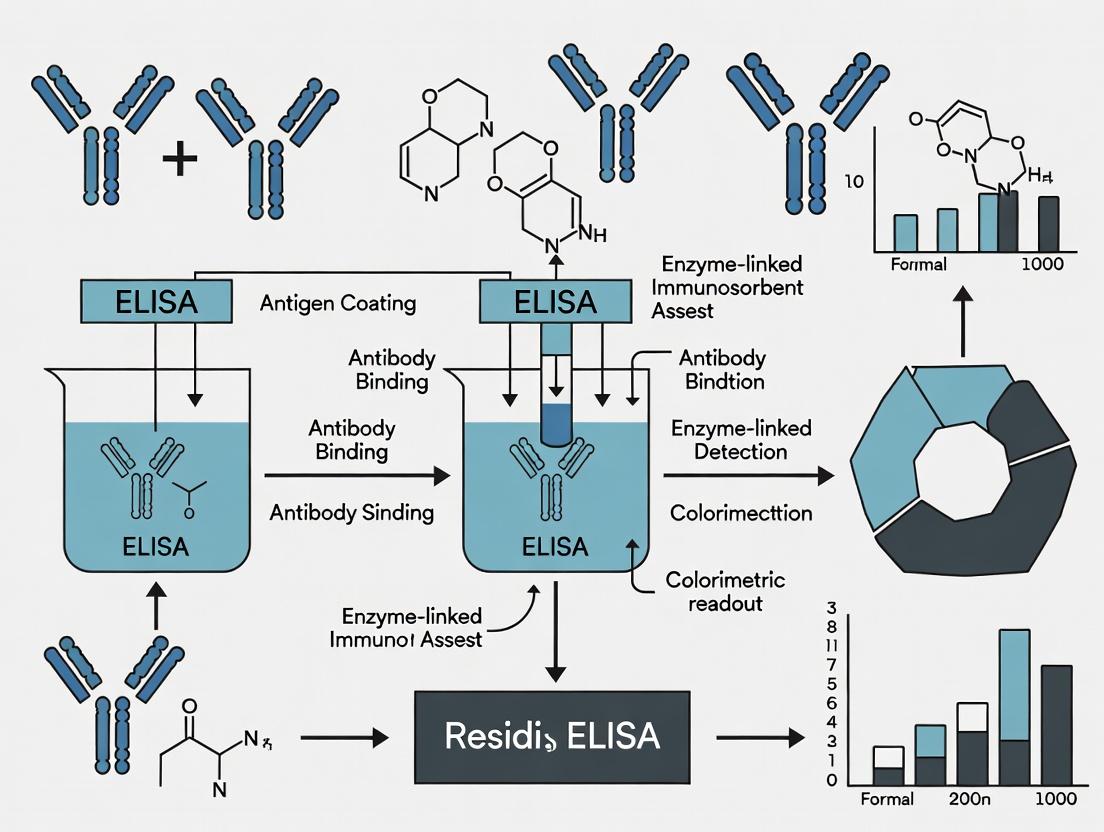
This comprehensive guide provides researchers, scientists, and drug development professionals with a complete framework for accurate antibody quantification in serum using ELISA.
Precision Measurement: A Complete Guide to ELISA-Based Antibody Quantification in Serum for Research & Drug Development
Abstract
This comprehensive guide provides researchers, scientists, and drug development professionals with a complete framework for accurate antibody quantification in serum using ELISA. We cover the fundamental principles of ELISA for serology, from method selection (e.g., direct, indirect, sandwich) and detailed, optimized protocols to advanced troubleshooting, data validation against reference standards, and comparative analysis with modern platforms like MSD and Luminex. The article synthesizes current best practices to ensure reliable, reproducible results critical for immunogenicity testing, vaccine evaluation, and therapeutic antibody monitoring.
Understanding ELISA Fundamentals: Principles of Serological Antibody Detection and Quantification
Thesis Context
Within a broader thesis investigating Enzyme-Linked Immunosorbent Assay (ELISA) for antibody quantification in serum samples, this document details the foundational principle of antigen-antibody interaction. This specific, high-affinity binding is the critical biochemical event enabling the precise detection and quantification of target antibodies in complex biological matrices like serum, forming the cornerstone of immunoassay development in therapeutic drug monitoring, vaccine response evaluation, and diagnostic biomarker discovery.
Application Notes: Quantification via Specific Binding
The quantification of antibodies in serum relies on the lock-and-key specificity of the antigen-antibody interaction. A known quantity of a purified target antigen is immobilized on a solid phase. When the serum sample is applied, specific antibodies bind to the antigen. After washing away non-specific components, the amount of bound antibody is quantified using a detection system (e.g., enzyme-conjugated secondary antibodies). The signal intensity is directly proportional to the concentration of the target antibody in the sample, as defined by a standard curve.
Table 1: Key Characteristics of Antigen-Antibody Interactions in Quantitative Assays
| Characteristic | Role in Quantification | Typical Range/Value |
|---|---|---|
| Affinity (Kd) | Determines assay sensitivity and lower limit of detection (LLOD). Higher affinity allows detection of lower antibody concentrations. | 10^-7 to 10^-11 M |
| Specificity | Minimizes cross-reactivity, ensuring signal derives only from the target antibody, crucial for accuracy in complex serum. | Defined by epitope uniqueness |
| Kinetics (kon/koff) | Influences incubation time requirements. A fast kon and slow koff are ideal for efficient capture. | kon: 10^3 to 10^7 M−1s−1 |
| Epitope Integrity | Immobilized antigen must maintain conformational epitopes for accurate detection of relevant antibodies. | Dependent on coating method |
Detailed Protocol: Indirect ELISA for Serum Antibody Quantification
Objective: To quantify the concentration of antigen-specific IgG in mouse serum samples.
Principle: The specific antigen is coated onto a microplate. Serially diluted serum samples are added, allowing specific IgG to bind. A conjugated anti-species IgG antibody (e.g., HRP-anti-mouse IgG) is used for detection, followed by a colorimetric substrate. Absorbance is measured and compared to a standard curve.
Materials & Reagent Setup
- Coating Buffer: 0.05 M Carbonate-Bicarbonate, pH 9.6.
- Wash Buffer (PBS-T): Phosphate-Buffered Saline (PBS), pH 7.4, with 0.05% (v/v) Tween-20.
- Blocking Buffer: PBS-T with 1% (w/v) Bovine Serum Albumin (BSA) or 5% non-fat dry milk.
- Sample Diluent: Blocking buffer.
- Detection Antibody: Horseradish Peroxidase (HRP)-conjugated anti-mouse IgG, diluted in blocking buffer.
- Substrate Solution: TMB (3,3',5,5'-Tetramethylbenzidine) or equivalent HRP chromogen.
- Stop Solution: 1 M or 2 M Sulfuric Acid (H2SO4).
- Standard: Purified mouse IgG of known concentration (for standard curve) or reference serum.
Procedure
- Antigen Coating:
- Dilute purified antigen to 1-10 µg/mL in carbonate coating buffer.
- Add 100 µL per well to a 96-well microplate. Seal and incubate overnight at 4°C.
- Blocking:
- Aspirate coating solution. Wash plate 3x with PBS-T (300 µL/well, 1 minute per wash).
- Add 200 µL of blocking buffer per well. Incubate for 1-2 hours at room temperature (RT).
- Wash plate 3x with PBS-T.
- Sample & Standard Incubation:
- Prepare serial dilutions of mouse serum samples and the IgG standard in sample diluent.
- Add 100 µL of each dilution to assigned wells. Include blank wells (diluent only). Incubate for 2 hours at RT.
- Wash plate 5x with PBS-T.
- Detection Antibody Incubation:
- Add 100 µL of optimally diluted HRP-anti-mouse IgG to each well. Incubate for 1-2 hours at RT, protected from light.
- Wash plate 5x with PBS-T.
- Signal Development & Measurement:
- Add 100 µL of TMB substrate per well. Incubate for 5-30 minutes at RT, monitoring for color development.
- Stop the reaction by adding 50-100 µL of stop solution. The color will change from blue to yellow.
- Immediately measure the absorbance at 450 nm (reference 570-650 nm) using a plate reader.
Data Analysis
- Subtract the average absorbance of the blank wells from all other readings.
- Generate a standard curve by plotting the absorbance (y-axis) against the known concentration of the mouse IgG standard (x-axis) using a 4- or 5-parameter logistic (4PL/5PL) curve fit.
- Interpolate the concentration of antigen-specific IgG in the unknown serum samples from the standard curve, applying the appropriate dilution factor.
The Scientist's Toolkit: Key Research Reagent Solutions
Table 2: Essential Materials for Antibody Quantification ELISA
| Item | Function & Importance |
|---|---|
| High-Binding 96-Well Plate (e.g., Polystyrene) | Solid phase for passive adsorption of capture antigen. Surface chemistry maximizes protein binding. |
| Purified Antigen (Recombinant/ Native) | The capture molecule. Must be pure and in its native conformation to ensure specific and quantitative antibody binding. |
| Reference Serum/ Calibrator | Contains a known quantity of the target antibody. Critical for generating the standard curve and ensuring inter-assay comparability. |
| HRP-Conjugated Anti-Species IgG (Fc-specific) | Secondary detection reagent. Conjugate quality (specificity, purity, enzyme activity) directly impacts signal-to-noise ratio. |
| Chromogenic TMB Substrate | Enzyme substrate producing a measurable color change. Stable, sensitive, and safe (non-carcinogenic) for routine use. |
| Spectrophotometric Plate Reader | Instrument for measuring absorbance at specific wavelengths (e.g., 450 nm). Precision and dynamic range are key for accurate quantification. |
Visualizations
Title: Indirect ELISA Workflow Steps
Title: Binding Signal to Concentration Logic
Why ELISA? Advantages for Serum Antibody Analysis in a Clinical Research Context
Within the context of a thesis on antibody quantification in serum, the Enzyme-Linked Immunosorbent Assay (ELISA) remains a cornerstone methodology. Its enduring relevance in clinical research and drug development is attributed to a synergistic combination of specificity, sensitivity, scalability, and quantitative rigor. This document outlines the definitive advantages of ELISA for serum antibody analysis, supported by current data, detailed application notes, and standardized protocols.
Core Advantages: Quantitative Analysis
The selection of ELISA is justified by its performance metrics, which are critical for generating publishable and regulatory-grade data in clinical research.
Table 1: Comparative Performance of Common Immunoassays for Serum Antibody Detection
| Assay Format | Typical Sensitivity | Dynamic Range | Throughput | Multiplexing Capability | Cost per Sample | Key Clinical Research Utility |
|---|---|---|---|---|---|---|
| Indirect ELISA | 0.1 - 1.0 ng/mL | 3 - 4 logs | High | No | Low | High-volume seroprevalence studies, vaccine immunogenicity. |
| Sandwich ELISA | 1 - 10 pg/mL | 3 - 4 logs | High | No | Medium | Quantification of specific antibody isotypes (e.g., IgG, IgA) or subclasses. |
| Chemiluminescence IA | < 1 pg/mL | 4 - 5 logs | High | Limited | Medium-High | High-sensitivity requirements (e.g., low-titer serology, biomarker discovery). |
| Lateral Flow | ~ 1 μg/mL | 1 - 2 logs | Very High | No | Very Low | Rapid, point-of-care qualitative/semi-quantitative screening. |
| Electrochemiluminescence | < 0.1 pg/mL | > 6 logs | High | High (10-plex+) | High | Comprehensive cytokine/antibody profiling in precious samples. |
Table 2: Key Metrics for a Robust Quantitative ELISA in Clinical Research
| Parameter | Optimal Target | Impact on Data Integrity |
|---|---|---|
| Intra-assay Precision (CV) | < 10% | Ensures replicate reliability within a plate. |
| Inter-assay Precision (CV) | < 15% | Ensures consistency across experiments and time. |
| Assay Recovery | 80 - 120% | Validates accuracy of the measurement in complex serum matrix. |
| Limit of Detection (LOD) | 3 SD above blank | Defines the lowest reliable concentration. |
| Limit of Quantification (LOQ) | 20% CV threshold | Defines the lowest precise & accurate concentration. |
| Hook Effect Threshold | > 10x ULOQ | Identifies concentration where signal falsely decreases. |
Application Notes
AN-1: Seroprevalence and Vaccine Response Monitoring
Context: Large-scale studies require robust, cost-effective methods. The indirect ELISA format is ideal for detecting total antigen-specific IgG in serum. Advantages: High throughput (96/384-well), excellent reproducibility, and standardized curve fitting enable longitudinal titer tracking and population-level comparison. Data is easily compared to established protective thresholds.
AN-2: Isotype/Subclass-Specific Profiling
Context: Understanding the quality of an immune response (e.g., IgG1 vs. IgG4) is crucial in allergy, vaccine, and autoimmune research. Advantages: Sandwich ELISA using isotype-specific capture/detection antibodies provides absolute quantification of specific antibody classes, informing functional immune status beyond total titer.
AN-3: Bridging Potency Assays for Biologics
Context: In drug development, quantifying anti-drug antibodies (ADAs) is mandatory for assessing immunogenicity. Advantages: The bridging ELISA format (antigen-coated plate, serum ADA, labeled antigen) is highly specific for bivalent antibodies (e.g., IgG). It offers a sensitive screening tool that can be validated per ICH guidelines.
Detailed Experimental Protocols
Protocol P-1: Indirect ELISA for Antigen-Specific IgG
Purpose: To quantify total antigen-specific IgG antibody in human serum samples. Thesis Context: This forms the foundational method for serological surveys in the thesis.
Workflow:
Diagram Title: Indirect ELISA Workflow for IgG Detection
Materials & Reagents:
- High-Binding 96-Well Plate: Polystyrene plate for optimal antigen adsorption.
- Purified Antigen: Recombinant protein, peptide, or inactivated viral lysate.
- Coating Buffer (Carbonate-Bicarbonate, pH 9.6): Optimal for protein adsorption.
- Blocking Buffer (1-5% BSA in PBST): Reduces non-specific binding.
- Test Serum Samples & Controls: Include positive, negative, and blank controls.
- Detection Antibody: Horseradish Peroxidase (HRP)-conjugated anti-human IgG.
- Chromogenic Substrate (TMB): Yields a blue color upon HRP catalysis.
- Stop Solution (1M H₂SO₄): Halts reaction, turns TMB yellow.
- Plate Reader: Spectrophotometer for measuring OD at 450 nm.
Procedure:
- Coating: Dilute antigen to 1-10 µg/mL in coating buffer. Add 100 µL/well. Seal and incubate overnight at 4°C.
- Washing: Aspirate and wash plate 3x with 300 µL PBST (0.05% Tween-20) using a microplate washer.
- Blocking: Add 200 µL of blocking buffer per well. Incubate for 1-2 hours at room temperature (RT). Wash 3x.
- Sample Incubation: Prepare serial dilutions of serum samples in blocking buffer. Add 100 µL/well in duplicate. Include a standard curve (e.g., calibrated human IgG). Incubate 2 hours at RT. Wash 5x.
- Detection Antibody: Add 100 µL/well of HRP-anti-human IgG at optimal dilution. Incubate 1 hour at RT. Wash 5x.
- Substrate Development: Add 100 µL/well of TMB substrate. Incubate in the dark for 10-20 minutes.
- Stop & Read: Add 50 µL/well of stop solution. Measure OD at 450 nm within 30 minutes.
- Analysis: Fit standard curve using a 4- or 5-parameter logistic (4PL/5PL) model. Interpolate sample concentrations.
Protocol P-2: Sandwich ELISA for IgG Subtype Quantification
Purpose: To quantify a specific IgG subclass (e.g., IgG1) against an antigen. Thesis Context: Used for detailed humoral immune response characterization.
Workflow:
Diagram Title: Sandwich ELISA for IgG Subclass
Key Modification from P-1: The plate is coated with a capture antibody specific for the human IgG subclass. After sample incubation, a biotinylated or enzyme-labeled antigen is added to detect the antigen-specific fraction of the captured IgG subclass. Requires careful optimization of capture/detection pair.
The Scientist's Toolkit: Essential Research Reagent Solutions
Table 3: Critical Reagents for ELISA-Based Serum Antibody Research
| Reagent | Function & Importance | Selection Criteria for Robust Assays |
|---|---|---|
| Capture Molecule | Antigen or anti-isotype antibody immobilized to plate. | High purity, known concentration, validated for ELISA binding. |
| Blocking Agent | Inert protein (BSA, casein) to occupy non-specific sites. | Must match detection system; e.g., use non-mammalian protein for mammalian samples. |
| Reference Standard | Calibrated antibody of known concentration. | Essential for quantification. Should be internationally recognized or carefully calibrated in-house. |
| Detection Conjugate | Enzyme-linked (HRP/AP) secondary antibody or labeled antigen. | High specificity, minimal cross-reactivity, optimal lot-to-lot consistency. |
| Chromogenic/Luminescent Substrate | Converted by enzyme to measurable signal. | Sensitivity (luminescent > chromogenic), kinetic range, and safety (stop solution required for TMB). |
| Matrix Solution | Diluent mimicking sample composition. | Should contain protein and potentially heterophilic antibody blockers to mitigate serum matrix effects. |
Within the broader thesis on ELISA for antibody quantification in serum samples, the selection of assay format is foundational. Serum presents a complex matrix of antibodies, antigens, and interfering substances. This document details the three primary ELISA formats—Direct, Indirect, and Sandwich—as applied to serum analysis, providing comparative application notes and actionable protocols for researchers, scientists, and drug development professionals.
Comparative Analysis of ELISA Formats
The following table summarizes the key operational and performance characteristics of the three primary ELISA formats for serum analysis.
Table 1: Comparative Summary of Key ELISA Formats for Serum Analysis
| Feature | Direct ELISA | Indirect ELISA | Sandwich ELISA (Antigen Capture) |
|---|---|---|---|
| Primary Application | Detection of specific antigens in serum (e.g., cytokines, hormones). | Detection and quantification of specific antibodies in serum (e.g., immune response, seroprevalence). | Detection of specific antigens in serum (especially proteins with multiple epitopes). |
| Target in Serum | Antigen. | Antibody (e.g., IgG, IgM). | Antigen. |
| Capture Molecule | Primary antibody (conjugated). | Antigen coated on plate. | Capture antibody coated on plate. |
| Detection Molecule | Enzyme-conjugated primary antibody. | Enzyme-conjugated secondary antibody (anti-host Ig). | Enzyme-conjugated detection antibody (different epitope). |
| Signal Amplification | Low. | High (multiple secondary antibodies bind per primary). | High (depends on detection system). |
| Sensitivity | Low to Moderate. | High. | Very High. |
| Specificity | High (single antibody). | Moderate (potential for cross-reactivity from secondary). | Very High (two antibodies required). |
| Time & Steps | Fast (fewer steps). | Moderate. | Longer (more steps). |
| Flexibility | Low (each primary must be conjugated). | High (one secondary can detect many primaries). | Moderate (requires matched antibody pair). |
| Typical Serum Sample Prep | Often requires dilution to minimize non-specific binding. | Dilution in blocking buffer; potential for pre-adsorption if cross-reactivity is high. | Dilution to minimize interference; may require pre-clearing for complex antigens. |
Detailed Protocols for Serum Samples
Protocol 1: Indirect ELISA for Detection of Serum Antibodies (e.g., Anti-Viral IgG)
Thesis Context: This is the cornerstone method for quantifying specific antibody titers in serum, directly relevant to vaccine immunogenicity studies and diagnostic serology.
Research Reagent Solutions:
- Coating Antigen: Purified viral protein or synthetic peptide. Function: Immobilized target for serum antibodies.
- Blocking Buffer: 1-5% BSA or non-fat dry milk in PBS. Function: Saturates unused protein-binding sites to prevent non-specific adsorption of serum components.
- Test Serum Samples: Typically serially diluted (e.g., 1:50 to 1:102,400) in blocking buffer. Function: Source of primary antibodies.
- Enzyme-Conjugated Secondary Antibody: HRP- or AP-conjugated anti-human IgG (γ-chain specific). Function: Binds to detected serum antibody, provides enzymatic signal.
- Chromogenic Substrate: TMB (3,3',5,5'-Tetramethylbenzidine) for HRP. Function: Enzymatic conversion yields measurable color change.
- Stop Solution: 1M or 2M Sulfuric Acid (H₂SO₄). Function: Halts enzymatic reaction, stabilizes final color.
Methodology:
- Coating: Dilute purified antigen to 1-10 µg/mL in carbonate-bicarbonate coating buffer (pH 9.6). Add 100 µL/well to a 96-well microplate. Incubate overnight at 4°C.
- Washing: Aspirate and wash plate 3x with 300 µL/well of PBS containing 0.05% Tween 20 (PBST).
- Blocking: Add 200-300 µL/well of blocking buffer. Incubate for 1-2 hours at room temperature (RT) or 37°C. Wash 3x with PBST.
- Primary Antibody Incubation: Add 100 µL/well of diluted serum samples and controls (negative, positive, blank). Incubate for 1-2 hours at RT or 37°C. Wash 3-5x with PBST thoroughly to remove unbound serum proteins.
- Secondary Antibody Incubation: Add 100 µL/well of enzyme-conjugated anti-human IgG, diluted per manufacturer's recommendation in blocking buffer. Incubate for 1 hour at RT, protected from light. Wash 3-5x with PBST.
- Detection: Add 100 µL/well of TMB substrate. Incubate for 5-30 minutes at RT until color develops.
- Stop & Read: Add 50-100 µL/well of stop solution. Read absorbance immediately at 450 nm (for TMB) using a plate reader.
Protocol 2: Sandwich ELISA for Detection of Serum Antigens (e.g., Cytokines)
Thesis Context: Used for quantifying soluble biomarkers, inflammatory mediators, or therapeutic proteins in serum, where high sensitivity and specificity are required.
Research Reagent Solutions:
- Matched Antibody Pair: A capture antibody and a detection antibody recognizing non-overlapping epitopes on the target antigen. Function: Ensure specific capture and detection.
- Blocking Buffer: As above, but often supplemented with 0.05% Tween 20.
- Standard Curve Antigen: Recombinant protein of known concentration. Function: Quantification reference.
- Biotinylated Detection Antibody: Detection antibody conjugated to biotin. Function: Provides high-affinity binding site for streptavidin-enzyme conjugate.
- Streptavidin-HRP Conjugate: Function: Amplifies signal by binding multiple biotin molecules, increasing enzyme load per antigen.
- Enhanced Chemiluminescent (ECL) Substrate: For HRP. Function: Provides higher sensitivity than chromogenic substrates.
Methodology:
- Capture Antibody Coating: Dilute capture antibody to 2-10 µg/mL in coating buffer. Add 100 µL/well. Incubate overnight at 4°C.
- Washing & Blocking: Wash 3x with PBST. Block with 300 µL/well blocking buffer for 1-2 hours at RT. Wash 3x.
- Sample & Standard Incubation: Add 100 µL/well of serum samples (diluted if necessary) and antigen standards in dilution buffer. Incubate for 2 hours at RT or overnight at 4°C. Wash 3-5x with PBST.
- Detection Antibody Incubation: Add 100 µL/well of biotinylated detection antibody at optimal concentration. Incubate 1-2 hours at RT. Wash 3-5x.
- Enzyme Conjugate Incubation: Add 100 µL/well of streptavidin-HRP, diluted per protocol. Incubate 30-60 minutes at RT. Wash 3-5x.
- Detection & Readout: Add 100 µL/well of ECL substrate. Incubate for 1-5 minutes. Measure luminescence immediately with a plate reader.
Experimental Visualization
Comparison of Three Key ELISA Formats
Indirect ELISA Signal Amplification
Application Notes: Components in Quantitative ELISA for Serum Antibody Analysis
The quantification of antibodies in serum via Enzyme-Linked Immunosorbent Assay (ELISA) requires meticulous optimization of its five core components, each presenting unique challenges when applied to complex serum matrices. This protocol details the considerations and methodologies for robust assay development.
Plates: The Solid-Phase Foundation
High-binding polystyrene 96-well plates are standard. Coatability varies by manufacturer; plate validation is essential. For serum samples, which contain abundant non-target proteins, plate surface uniformity directly impacts the signal-to-noise ratio by minimizing nonspecific binding.
Antigens: The Capture Molecule
The choice between full-length proteins, peptides, or recombinant fragments dictates assay specificity. For serum antibody quantification, antigen purity is paramount to avoid cross-reactivity. Optimal coating concentration must be determined to saturate plate binding sites without causing multilayer formation, which can sterically hinder antibody binding.
Table 1: Antigen Coating Buffer Comparison
| Buffer Type | pH | Common Use Case | Impact on Serum Assay |
|---|---|---|---|
| Carbonate-Bicarbonate | 9.6 | Most proteins | High pH enhances adsorption; may denature some conformational epitopes. |
| Phosphate-Buffered Saline (PBS) | 7.4 | Peptides, sensitive proteins | Preserves native structure; may require longer coating time. |
| Tris-based | 8.5 | Alternative for specific antigens | Useful for antigens unstable at pH 9.6. |
Conjugates: The Detection System
Horseradish Peroxidase (HRP) and Alkaline Phosphatase (AP) are the predominant enzymes. Secondary antibody conjugates (e.g., anti-human IgG-HRP) must be species- and isotype-specific. For serum, conjugate dilution is critical to minimize background from nonspecific interactions with serum components.
Table 2: Common Enzyme Conjugates in ELISA
| Enzyme | Common Substrate | Time to Develop | Sensitivity | Serum Interference Considerations |
|---|---|---|---|---|
| Horseradish Peroxidase (HRP) | TMB, OPD | Fast (5-30 min) | High | Susceptible to sodium azide, thiols; endogenous peroxidases can cause high background. |
| Alkaline Phosphatase (AP) | pNPP | Slower (30-90 min) | High | Endogenous AP in serum requires inhibition (e.g., with levamisole). |
Substrates: Signal Generation
Chromogenic substrates like 3,3',5,5'-Tetramethylbenzidine (TMB) for HRP and p-Nitrophenyl Phosphate (pNPP) for AP are standard. Development time must be optimized and strictly controlled for quantitative consistency.
Serum-Specific Considerations
Serum introduces matrix effects: heterophilic antibodies can cause false positives, while complement or lipids can interfere with binding. Dilution series (typically 1:50 to 1:10,000) in assay buffer containing irrelevant protein (e.g., 1% BSA) are mandatory to identify the linear range of detection and overcome matrix-induced hook effects.
Table 3: Common Serum Interferents and Mitigation Strategies
| Interferent | Effect on ELISA | Mitigation Strategy |
|---|---|---|
| Heterophilic Antibodies | False positive signal | Use blocking reagent with inert serum (e.g., 5% animal serum), or proprietary blocking buffers (e.g., MAB). |
| Rheumatoid Factor (IgM anti-IgG) | False positive in IgG assays | Use Fc-specific secondary antibodies or sample pre-treatment with RF absorbent. |
| Lipids (in lipemic serum) | Nonspecific binding | Dilute sample, or clarify by ultracentrifugation. |
| Complement Components | Nonspecific binding | Use EDTA-plasma or add EDTA to diluent to chelate Ca2+/Mg2+. |
Experimental Protocols
Protocol 1: Checkerboard Titration for Antigen and Serum Optimization
Objective: To determine optimal antigen coating concentration and serum sample dilution. Materials: Antigen, test serum (high-titer positive control and negative control), high-binding 96-well plate, coating buffer (0.05 M carbonate-bicarbonate, pH 9.6), PBST (PBS + 0.05% Tween-20), blocking buffer (1% BSA in PBST), detection conjugate, substrate, stop solution. Procedure:
- Antigen Coating: Prepare antigen dilutions in coating buffer (e.g., 10, 5, 2.5, 1.25 µg/mL). Add 100 µL/well across plate rows. Incubate overnight at 4°C.
- Blocking: Wash plate 3x with PBST. Add 200 µL/well blocking buffer. Incubate 2 hours at room temperature (RT). Wash 3x.
- Serum Incubation: Prepare serial dilutions of positive and negative serum in blocking buffer (e.g., 1:100, 1:500, 1:2500, 1:12500). Add 100 µL/well down plate columns. Incubate 2 hours at RT. Wash 5x.
- Detection: Add optimized conjugate dilution (100 µL/well). Incubate 1 hour at RT. Wash 5x.
- Signal Development: Add substrate (100 µL/well). Incubate for precise time (e.g., 15 min). Stop reaction.
- Analysis: Read absorbance. Optimal conditions are the lowest antigen concentration and highest serum dilution yielding maximum positive-negative signal difference (P/N ratio > 10).
Protocol 2: Standard Curve Generation for Quantification
Objective: To create a reference curve for interpolating antibody concentrations in unknown sera. Materials: Purified antibody standard of known concentration, samples, all other reagents as in Protocol 1. Procedure:
- Prepare a standard curve via serial dilution of the purified antibody in blocking buffer (e.g., from 1000 ng/mL to 15.6 ng/mL in 2-fold steps). Include a zero standard.
- Run standards alongside diluted unknown serum samples on the ELISA plate (coated and blocked at optimal conditions from Protocol 1).
- Perform assay as per Protocol 1 steps 3-6.
- Plot standard curve absorbance (y-axis) vs. log10 concentration (x-axis). Use 4- or 5-parameter logistic (4PL/5PL) regression for fitting. Interpolate unknown sample concentrations from the curve.
Diagrams
Indirect ELISA Workflow for Serum
Serum Interferent Mitigation Strategy Map
The Scientist's Toolkit: Key Research Reagent Solutions
Table 4: Essential Materials for Serum Antibody ELISA
| Item | Function & Rationale |
|---|---|
| High-Binding Polystyrene Plates (e.g., Nunc MaxiSorp) | Ensures efficient, uniform adsorption of antigen, critical for reproducibility. |
| Purified Antigen (Recombinant, >95% purity) | Minimizes cross-reactivity; ensures only target-specific antibodies are detected. |
| Reference Standard (e.g., WHO International Standard) | Allows for absolute quantification and inter-laboratory assay harmonization. |
| HRP-conjugated Anti-Human IgG (Fc-specific) | Reduces interference from Rheumatoid Factor; provides specific detection. |
| TMB (3,3',5,5'-Tetramethylbenzidine) Substrate | Safe, sensitive chromogen for HRP; yields blue product measurable at 450/650nm. |
| Assay Diluent with Protein & Blockers (e.g., 1% BSA, 5% Normal Animal Serum) | Reduces nonspecific binding of serum proteins and heterophilic antibodies to the plate. |
| Microplate Washer & Precision Pipettes | Ensures consistent, thorough washing and accurate reagent dispensing. |
| Plate Reader with Filter for 450nm & 620/650nm (Reference) | Accurately quantifies TMB signal and corrects for optical imperfections. |
In the broader thesis on ELISA for antibody quantification in serum samples, a fundamental methodological choice exists: to report results as a relative titer or an absolute concentration. This distinction is critical for data interpretation, reproducibility, and translational application in vaccine development, therapeutic antibody monitoring, and infectious disease serology. Titers, expressed as the reciprocal of the highest dilution yielding a positive signal, provide a relative, unitless measure of potency. Concentrations, derived from a standard curve of known analyte amounts, provide an absolute value (e.g., µg/mL or IU/mL) crucial for pharmacokinetic/pharmacodynamic (PK/PD) modeling and clinical decision thresholds.
Table 1: Absolute vs. Relative Antibody Quantification
| Feature | Relative Quantification (Titer) | Absolute Quantification (Concentration) |
|---|---|---|
| Reported Unit | Reciprocal of dilution (e.g., 1:1280, 1280 AU/mL*). | Mass/volume (µg/mL, ng/mL, IU/mL). |
| Standard Required | No calibration standard; uses a constant positive control. | Yes, a purified, well-characterized reference standard is mandatory. |
| Assay Output | Dichotomous (positive/negative) at each dilution; endpoint is interpolated. | Continuous absorbance value mapped to a continuous standard curve. |
| Data Analysis | Logistic or probit regression for endpoint calculation. | Linear or 4/5-parameter logistic regression. |
| Precision & Reproducibility | Lower, due to dilution series step error. Subject to plate-to-plate variation of control. | Higher, when using a validated standard curve. More amenable to inter-lab standardization. |
| Primary Application | Diagnostic serology, vaccine immunogenicity screening, potency assessment of polyclonal responses. | Biologics/Biosimilars PK/PD, biomarker validation, therapeutic drug monitoring, immunogenicity testing. |
| Key Limitation | Does not inform actual antibody mass; difficult to compare across assays/labs. | Dependent on the accuracy and commutability of the reference standard. |
| ELISA Format | Typically indirect or sandwich, with serial dilutions of sample. | Typically sandwich or competitive, with single or limited dilutions of sample. |
Note: AU/mL (Arbitrary Units/mL) is sometimes used to imply a titer value traceable to a specific laboratory standard, bridging relative and absolute measures.
Experimental Protocols
Protocol 3.1: Determining Antibody Titer via Endpoint Dilution ELISA
Objective: To determine the relative antibody titer in serum samples against a specific antigen.
Materials: Coating buffer (Carbonate-Bicarbonate, pH 9.6), target antigen, blocking buffer (e.g., 5% BSA in PBS-T), test sera, positive/negative control sera, detection antibody (enzyme-conjugated anti-species Ig), enzyme substrate (e.g., TMB), stop solution (e.g., 1M H₂SO₄), wash buffer (PBS-T), microplate reader.
Procedure:
- Coating: Dilute antigen to 1-10 µg/mL in coating buffer. Add 100 µL/well to a 96-well plate. Incubate overnight at 4°C.
- Washing: Aspirate and wash plate 3x with wash buffer (300 µL/well).
- Blocking: Add 200 µL/well of blocking buffer. Incubate for 1-2 hours at room temperature (RT). Wash 3x.
- Sample Addition (Serial Dilution): Prepare a 2-fold serial dilution series of each test and control serum in blocking buffer (e.g., from 1:100 to 1:102,400). Add 100 µL/well of each dilution in duplicate. Incubate 1-2 hours at RT. Wash 3-5x.
- Detection Antibody: Add 100 µL/well of conjugated detection antibody at optimal dilution in blocking buffer. Incubate 1 hour at RT. Wash 5x.
- Substrate & Stop: Add 100 µL/well of substrate. Incubate in the dark for 5-15 minutes. Add 100 µL/well of stop solution.
- Reading & Analysis: Measure absorbance at appropriate wavelength (e.g., 450nm for TMB). The titer endpoint is defined as the dilution factor corresponding to the absorbance value at the assay's cutoff (e.g., mean negative control + 3 SD). Calculate using interpolation from the dilution series curve.
Protocol 3.2: Determining Absolute Antibody Concentration via Quantitative Sandwich ELISA
Objective: To determine the absolute concentration of a specific antibody isotype (e.g., human IgG) in serum samples.
Materials: Capture antibody (e.g., anti-human IgG Fc-specific), reference standard (purified human IgG of known concentration), blocking buffer, test sera, detection antibody (enzyme-conjugated, antigen-specific or anti-isotype), enzyme substrate, stop solution, wash buffer, microplate reader.
Procedure:
- Coating: Dilute capture antibody to recommended concentration in coating buffer. Add 100 µL/well. Incubate overnight at 4°C.
- Washing & Blocking: Wash 3x. Block with 200 µL/well for 1-2 hours at RT. Wash 3x.
- Standard Curve & Samples: Reconstitute and serially dilute the reference standard across the plate's dynamic range (e.g., 1000 ng/mL to 15.6 ng/mL in 2-fold steps). Prepare a single or limited dilution (e.g., 1:50,000) of test sera in blocking buffer. Add 100 µL/well of standards (in duplicate) and samples (in duplicate or triplicate). Incubate 2 hours at RT. Wash 5x.
- Detection & Signal Development: Add detection antibody. Incubate 1-2 hours at RT. Wash 5x. Add substrate, incubate, and stop as in Protocol 3.1.
- Quantitative Analysis: Generate a 4- or 5-parameter logistic (4PL/5PL) standard curve (Absorbance vs. Log₁₀[Concentration]). Use the curve's equation to interpolate the absolute concentration of antibodies in each sample, applying the sample dilution factor.
Visualization: Workflows and Relationships
Title: Decision Flowchart: Absolute vs Relative Antibody ELISA
Title: Comparative ELISA Workflows for Antibody Quantification
The Scientist's Toolkit: Essential Research Reagent Solutions
Table 2: Key Reagents for Antibody Quantification ELISA
| Reagent / Solution | Function & Critical Consideration |
|---|---|
| Reference Standard | Purified antibody of known concentration and activity. Critical for absolute quantification. Must be commutable and stable. Defines the assay's accuracy. |
| Matched Antibody Pair | Capture and detection antibodies for sandwich ELISA. Must bind non-overlapping epitopes on the target antibody/antigen. High affinity and specificity reduce background. |
| Plate Coating Buffer | (e.g., Carbonate-Bicarbonate, pH 9.6). Optimizes passive adsorption of protein (antigen or capture antibody) to the polystyrene plate surface. |
| Blocking Buffer | (e.g., 1-5% BSA or Casein in PBS-T). Covers unsaturated binding sites on the plate to minimize non-specific binding of detection reagents, reducing background noise. |
| Sample Diluent / Assay Buffer | Used to dilute sera and standards. Often contains a protein base and detergents to mimic sample matrix and minimize interference (e.g., from heterophilic antibodies). |
| High-Sensitivity Detection System | (e.g., HRP or AP enzyme conjugates with chemiluminescent or ultra-sensitive chromogenic substrates). Expands the dynamic range and lowers the limit of detection (LoD). |
| Validated Positive & Negative Controls | Quality control samples (pooled positive sera, confirmed negative sera) monitor inter-assay precision and performance for both titer and concentration assays. |
| Automated Liquid Handler & Washer | For precise serial dilution generation and consistent wash steps, which are essential for reproducibility, especially in high-throughput titer determinations. |
Within a thesis investigating enzyme-linked immunosorbent assay (ELISA) for antibody quantification in serum samples, meticulous pre-assay planning is paramount. This application note addresses three critical questions that must be resolved prior to assay development: defining the target antibody isotype, confirming assay specificity, and anticipating serum matrix effects. Failure to adequately address these factors leads to inaccurate quantitation, high background, and irreproducible results, compromising research validity and drug development pipelines.
Target Antibody Isotype Determination
The immunoglobulin isotype (e.g., IgG, IgM, IgA, IgE) dictates the choice of capture/detection reagents and influences expected concentrations in serum.
Key Considerations:
- Primary Isotypes in Serum: IgG is the most abundant (∼80% of total immunoglobulins), making it a frequent target. IgM indicates recent exposure. IgE is present at very low levels.
- Subclass Specificity: For IgG, subclasses (IgG1-4) have different effector functions and may need distinct quantification.
Quantitative Data: Normal Human Serum Immunoglobulin Levels Table 1: Typical concentration ranges of major antibody isotypes in human serum.
| Isotype | Mean Concentration (mg/mL) | Typical Range (mg/mL) | Biological Significance |
|---|---|---|---|
| Total IgG | 12.0 | 6.5 - 16.0 | Major serum antibody; long-term immunity |
| IgG1 | 6.6 | 4.2 - 12.0 | Most abundant subclass |
| IgG2 | 3.2 | 1.4 - 7.5 | Response to polysaccharide antigens |
| IgG3 | 0.7 | 0.4 - 1.3 | Potent effector functions |
| IgG4 | 0.5 | 0.08 - 1.8 | Immune regulation |
| Total IgM | 1.2 | 0.4 - 2.5 | Primary response; pentameric structure |
| Total IgA | 2.5 | 1.0 - 4.0 | Mucosal immunity; can form dimers |
| Total IgE | 0.00015 | 0.00001 - 0.0005 | Allergic response; parasitic infections |
Protocol 1: Isotype-Specific ELISA Setup
- Materials: Isotype-specific capture antibodies (e.g., anti-human IgG Fc), target serum samples, isotype standards, HRP-conjugated detection antibodies specific for the target isotype's heavy chain.
- Method:
- Coat plate with isotype-specific capture antibody.
- Block with 3-5% BSA or suitable protein blocker.
- Add serum samples and a dilution series of the purified target isotype standard.
- Incubate, wash, and add HRP-conjugated detection antibody. Ensure detection antibody binds a different epitope than the capture antibody or uses a label-specific (e.g., biotin) system.
- Develop with TMB substrate, stop with acid, and read absorbance.
- Data Interpretation: Plot standard curve using 4- or 5-parameter logistic (4PL/5PL) regression. Interpolate sample concentrations.
Assay Specificity Validation
Specificity ensures the assay measures only the intended antibody and does not cross-react with other serum components (e.g., heterophilic antibodies, rheumatoid factors, other isotypes).
Protocol 2: Specificity Assessment via Competitive Inhibition
- Objective: Confirm detection antibody binds specifically to the target epitope.
- Materials: Purified target antigen, irrelevant antigen (control), serum samples.
- Method:
- Prepare two sets of serum sample dilutions.
- Pre-incubate one set with an excess of purified target antigen (inhibitor). Pre-incubate the other set with an irrelevant protein or buffer alone.
- Run both sets in the developed ELISA.
- Compare signals. Specific binding is significantly inhibited (>70-80% signal reduction) only in the sample pre-incubated with the target antigen.
Protocol 3: Cross-Reactivity Check with Related Proteins/Isotypes
- Objective: Test for cross-reactivity with similar antibody isotypes or antigens.
- Method: Coat plates with the target antigen. Test purified preparations of related but non-target antibody isotypes or antibodies against homologous antigens at high concentrations (e.g., 10 µg/mL). Signal should be <5% of the target signal.
Expected Serum Matrix Effects
Serum is a complex matrix containing interfering substances (complement, lipids, heterophilic antibodies, albumin) that can cause false signals. Matrix effects must be characterized and mitigated.
Quantitative Data: Common Serum Interferents and Impact Table 2: Common serum matrix interferents and their effects on ELISA.
| Interferent | Typical Concentration | Potential ELISA Impact | Mitigation Strategy |
|---|---|---|---|
| Human Anti-Animal Antibodies (HAAA) | Variable; prevalence ~10-40% | False high signal (bridge assays) or false low signal (blocking) | Use species-specific Fab fragments, add irrelevant IgG, use blocking reagents |
| Rheumatoid Factor (IgM anti-IgG) | Up to 100 IU/mL in disease | False high signal by bridging capture/detection antibodies | Use RF absorbent, IgG-specific F(ab')2 detection antibodies |
| Complement Factors | C3: ~1.2 mg/mL | Non-specific binding to solid phase | Use EDTA-plasma or add EDTA to diluent |
| Albumin | 35 - 50 mg/mL | Non-specific adsorption | Optimize blocking agent (e.g., casein, proprietary blockers) |
| Lipids (Chylomicrons) | Variable (fasting reduces) | Optical interference, non-specific binding | Sample clarification by centrifugation, use of surfactant in buffer |
Protocol 4: Assessment and Correction of Matrix Effects via Parallelism
- Objective: Determine if sample dilution curve is parallel to the standard curve prepared in assay diluent (indicating similar matrix).
- Materials: Serum sample, appropriate assay diluent (e.g., PBS with 1% BSA, 0.05% Tween-20), standard.
- Method:
- Prepare a series of doubling dilutions of the serum sample in assay diluent.
- Prepare the standard curve in assay diluent.
- Run both in the same ELISA.
- Plot log(dilution) vs. log(OD) or calculated concentration.
- Interpretation: Lines should be parallel. Non-parallelism indicates significant matrix interference, necessitating alternative sample diluents (e.g., commercially available matrix blocker solutions) or sample pre-treatment.
The Scientist's Toolkit: Key Research Reagent Solutions
Table 3: Essential materials for addressing pre-assay questions in antibody quantification ELISAs.
| Item | Function & Rationale |
|---|---|
| Isotype & Subclass-Specific Antibodies | For precise capture/detection; essential for distinguishing Ig classes/subclasses with similar structures. |
| Purified Immunoglobulin Isotype Standards | Provides a reference for generating a standard curve with known concentration for accurate interpolation. |
| Monomeric/ Dimeric Antigen Preparations | Used for specificity validation via competitive inhibition assays. High purity is critical. |
| Commercial Serum/Plasma Matrix Blocker | Pre-mixed solutions containing proteins, IgG, or polymers to neutralize heterophilic antibodies and other interferents. |
| Heterophilic Antibody Blocking Tubes/Reagents | Specifically formulated to absorb human anti-mouse antibodies (HAMA) and other HAAR, reducing false positives. |
| F(ab')2 or Fab Fragment Detection Antibodies | Minimize interference from RF and complement by removing the Fc portion that these factors bind to. |
| High-Binding, Low-Binding, & Streptavidin Coated Plates | Platform choice affects sensitivity and background. Streptavidin plates enable versatile biotin-streptavidin detection systems. |
| Signal Generation System (HRP/ALP with TMB/pNPP) | Enzyme-substrate pair influences sensitivity and dynamic range. HRP/TMB is common for high sensitivity. |
Visualizations
Diagram 1: ELISA Development Decision Pathway
Diagram 2: Serum Matrix Interference & Mitigation Pathways
Diagram 3: Key Steps in Specificity Validation Protocol
Step-by-Step Protocol: Optimized ELISA Workflow for Accurate Serum Antibody Measurement
This application note, situated within a broader thesis on ELISA for antibody quantification in serum samples, details the critical initial phase of assay development. The selection of an appropriate antigen coating strategy and a compatible coating buffer is paramount for achieving optimal assay sensitivity, specificity, and reproducibility. This phase establishes the foundation upon which the entire assay is built, directly impacting the accuracy of antibody quantification in complex biological matrices like serum.
Key Considerations for Antigen Coating
Antigen Properties
The nature of the antigen dictates the coating approach. Recombinant proteins, peptides, whole viruses, or other macromolecules each present unique challenges in adsorption to the solid phase.
Buffer Selection Criteria
The coating buffer must maintain antigen integrity, facilitate uniform adsorption, and minimize non-specific binding in subsequent steps. Key parameters include pH, ionic strength, and chemical composition.
Comparative Analysis of Common Coating Buffers
The following table summarizes the properties and performance of standard coating buffers, based on current literature and empirical data.
Table 1: Characteristics of Common ELISA Coating Buffers
| Buffer (Name & Typical Composition) | Optimal pH Range | Recommended Antigen Types | Key Advantages | Reported Coating Efficiency (Relative %) | Potential Drawbacks |
|---|---|---|---|---|---|
| Carbonate-Bicarbonate(50 mM, Na₂CO₃/NaHCO₃) | 9.2 - 9.6 | Most proteins, many recombinant antigens | High pH enhances passive adsorption; simple, widely used. | 95 - 100% (Reference) | May denature pH-sensitive epitopes; not suitable for some peptides. |
| Phosphate-Buffered Saline (PBS)(10 mM PO₄³⁻, 137 mM NaCl, 2.7 mM KCl) | 7.2 - 7.4 | Lipids, polysaccharides, pH-sensitive proteins/peptides | Physiological, gentle; preserves conformational epitopes. | 70 - 85% | Lower adsorption efficiency for many proteins. |
| Tris-based Buffers(50 mM Tris-HCl) | 7.5 - 8.5 | Specific peptide antigens, some glycoproteins | Good buffering capacity in mid-pH range; alternative to PBS. | 75 - 90% | Variable performance dependent on antigen. |
| Borax-Boric Acid (Borax)(50 mM, pH 8.5) | 8.0 - 9.0 | Basic proteins, some viral antigens | Alternative high-pH buffer; may improve stability for some antigens. | 85 - 95% | Less commonly used; optimization often required. |
| CBS (Citrate-Buffered Saline)(50 mM Citrate, pH 3.5-6.0) | 3.5 - 6.0 | Acidic proteins, small peptides, negatively charged antigens | Low pH facilitates adsorption of acidic molecules. | 80 - 95% (pH-dependent) | Highly specialized; can promote non-specific binding if not optimized. |
Detailed Protocol: Antigen Coating Optimization for Serum ELISA
Objective: To determine the optimal coating buffer and antigen concentration for quantifying target antibodies in serum.
Materials & Equipment:
- High-binding 96-well microplate
- Purified antigen (recombinant protein, peptide-conjugate, etc.)
- Candidate coating buffers (see Table 1)
- Coating buffer (PBS, pH 7.4)
- Plate sealers
- Microplate shaker (optional)
- Refrigerator (4°C)
- Microplate washer (or manual washing system)
- Blocking buffer (e.g., 1-5% BSA or casein in PBST)
Procedure:
Antigen Dilution Series: Prepare a 2-fold serial dilution of the purified antigen in each candidate coating buffer (e.g., Carbonate pH 9.6, PBS pH 7.4). A suggested starting range is 0.5 µg/mL to 10 µg/mL. Include a well coated with buffer only (no antigen) as a background control for each buffer condition.
Plate Coating: a. Dispense 100 µL of each antigen dilution (and buffer controls) into designated wells of the high-binding microplate. Each condition should be performed in duplicate or triplicate. b. Seal the plate to prevent evaporation. c. Incubate overnight (16-18 hours) at 4°C. Alternatively, incubate for 2 hours at 37°C on a microplate shaker (~300 rpm).
Plate Washing: After incubation, aspirate the coating solution from all wells. Wash each well three times with 300 µL of wash buffer (e.g., PBS with 0.05% Tween 20, PBST). Blot the plate firmly on clean paper towels to remove residual liquid.
Blocking: Add 200 µL of blocking buffer to every well. Seal the plate and incubate for 1-2 hours at room temperature (or overnight at 4°C).
Final Wash: Wash the plate three times with PBST as in Step 3. The plate is now ready for the next phase (sample addition). At this optimization stage, proceed immediately with a standardized control serum sample to evaluate coating efficiency.
Coating Efficiency Assessment: a. Apply a known positive control serum (containing the target antibody) and a negative control serum in duplicate across all antigen/buffer conditions. b. Complete the standard ELISA procedure (secondary antibody, detection, etc.). c. Analyze data: The optimal condition is the combination of coating buffer and antigen concentration that yields the highest signal-to-noise ratio (Positive Control Signal / Negative Control Signal) and the desired assay window.
The Scientist's Toolkit: Key Research Reagent Solutions
Table 2: Essential Materials for Antigen Coating and Buffer Preparation
| Item | Function / Purpose | Critical Notes for Serum ELISA |
|---|---|---|
| High-Binding Polystyrene Microplates | Solid phase for passive adsorption of antigens via hydrophobic interactions. | Ensures consistent and efficient capture of coating antigen, critical for reproducibility in quantitative assays. |
| Ultra-Pure Water (Type I) | Solvent for all buffer and antigen stock solutions. | Prevents interference from ions or organics that could affect coating pH, stability, or introduce background. |
| Purified Antigen (>95% purity) | The target molecule immobilized to capture specific antibodies from serum. | High purity minimizes non-specific binding from contaminants. Conformational integrity is key for detecting relevant antibodies. |
| BSA (Bovine Serum Albumin) or Casein | Primary blocking agent to occupy remaining hydrophobic sites on the plate after coating. | Prevents non-specific adsorption of serum proteins in subsequent steps, reducing background noise. |
| Precision pH Meter & Calibrated Buffers | For accurate and reproducible adjustment of coating buffer pH. | pH is a primary determinant of adsorption efficiency and antigen stability (see Table 1). |
| Tween 20 (Polysorbate 20) | Mild non-ionic detergent used in wash buffers (PBST). | Reduces non-specific hydrophobic interactions during washing steps, crucial for handling protein-rich serum samples. |
Visualizing the Coating Optimization Workflow and Impact
Diagram 1: Antigen Coating Optimization Decision Workflow
Diagram 2: Coating Buffer Impact on Antigen Orientation and Assay Signal
Within the broader thesis on ELISA for antibody quantification, the integrity of the analytical phase is predicated on meticulous pre-analytical sample preparation. This phase is critical, as errors introduced during serum collection, handling, or initial dilution are often irreversible and can lead to inaccurate quantification, confounding research and drug development outcomes. This Application Note details standardized protocols to ensure sample integrity from venipuncture to assay plate.
Adherence to standardized protocols minimizes pre-analytical variability. Key parameters are summarized below.
Table 1: Critical Time & Temperature Parameters for Serum Handling
| Process Step | Optimal Condition | Maximum Allowable Hold | Primary Risk of Deviation |
|---|---|---|---|
| Clotting Time (RT) | 30-60 minutes | 2 hours | Incomplete clotting, hemolysis |
| Centrifugation Force | 1,200 - 2,000 x g | N/A | Incomplete serum separation |
| Centrifugation Time | 10-15 minutes | N/A | Cell contamination |
| Fresh Serum Hold (4°C) | Immediate processing | 48 hours | Analyte degradation, bacterial growth |
| Long-term Storage | ≤ -70°C | Indefinite (with monitoring) | Loss of immunoreactivity from freeze-thaw |
| Freeze-Thaw Cycles | 0 | ≤ 2 cycles | Aggregate formation, antibody denaturation |
Table 2: Common Pre-Dilution Buffers & Applications
| Diluent | Typical Composition | Primary Function | Ideal For |
|---|---|---|---|
| Assay Diluent | PBS/Tween-20, BSA, Carrier Proteins | Matrices assay environment | Final assay plate dilutions |
| High-Abandon Diluent | 1-5% BSA or FBS in PBS | Minimizes non-specific binding | Initial high-ratio sample pre-dilution |
| Heterophile Block | Normal Serum, Ig Blocks, Specific Antibodies | Neutralizes interfering antibodies | Samples suspected of matrix effects |
| Sample Pre-Treatment Buffer | RF Absorbent, Chaperone Agents | Removes rheumatoid factor, stabilizes analytes | Autoimmune disease samples |
Detailed Experimental Protocols
Protocol 1: Standard Serum Collection and Processing
Objective: To obtain cell-free, stable serum suitable for antibody quantification. Materials: Serum separation tubes (SST), venipuncture kit, timer, centrifuge, sterile pipettes, cryovials, labels.
- Collection: Perform venipuncture using standard phlebotomy practices. Draw blood into serum separation tubes. Invert filled tubes gently 5-10 times.
- Clotting: Allow blood to clot at room temperature (20-25°C) for 30-60 minutes. Do not exceed 2 hours.
- Centrifugation: Load tubes into a balanced centrifuge. Spin at 1,500 x g for 10 minutes at room temperature.
- Aliquoting: Post-centrifugation, immediately aliquot the clear, top serum layer into pre-labeled cryovials using sterile pipettes. Avoid disturbing the buffy coat or red cell layer.
- Storage: For same-day use, store aliquots at 4°C. For long-term storage, freeze at ≤ -70°C promptly. Record all handling times.
Protocol 2: Strategic Pre-Dilution for High-Titer Samples
Objective: To bring high-concentration antibody samples into the dynamic range of the ELISA standard curve while minimizing matrix effects. Materials: Test sample, appropriate high-abandon diluent (e.g., 1% BSA/PBS), assay diluent, low-retention microcentrifuge tubes, calibrated pipettes.
- Initial Screening Dilution: Perform a preliminary 1:100 dilution of the test serum in high-abandon diluent. Vortex gently.
- Further Optimization: Based on expected titer (e.g., post-vaccination), prepare a serial dilution series from the 1:100 stock. Common intermediate dilutions are 1:1,000 and 1:10,000. Use high-abandon diluent for these steps.
- Final Assay Dilution: Further dilute the optimal intermediate dilution into the assay-specific diluent to achieve the final working concentration required for plate loading (e.g., a further 1:20 dilution in assay diluent).
- Control: Always include a matched dilution series of the standard/reference control in the same diluents.
Protocol 3: Pre-Treatment for Interference Mitigation
Objective: To reduce false-positive signals from heterophile antibodies or rheumatoid factor (RF). Materials: Sample, heterophile blocking reagent or RF absorbent, incubator.
- Identify Need: Apply this protocol if samples show aberrantly high signals or non-parallelism in dilution series.
- Treatment: Mix 50 µL of serum with 150 µL of blocking reagent. Vortex briefly.
- Incubation: Incubate the mixture for 60 minutes at room temperature on a shaker.
- Post-Treatment: Use treated sample directly in the pre-dilution protocol, or centrifuge briefly if precipitate forms. Note that the sample is now effectively pre-diluted.
Visual Workflows
Serum Processing Workflow for ELISA
Pre-Dilution Strategy Logic
The Scientist's Toolkit
Table 3: Essential Research Reagent Solutions for Serum ELISA Prep
| Item | Function & Importance |
|---|---|
| Serum Separation Tubes (SST) | Contains clot activator and gel separator; enables clean serum harvest after centrifugation. |
| High-Abandon Diluent (1-5% BSA/PBS) | Provides protein-rich matrix for initial high-ratio dilutions, minimizing non-specific adsorption to tube walls. |
| Commercial Heterophile/RF Blocking Reagent | Contains inert immunoglobulins or specific inhibitors to neutralize interfering antibodies, improving specificity. |
| Protease Inhibitor Cocktails | Added to serum pre-aliquoting to prevent analyte degradation, crucial for labile antibodies or biomarkers. |
| Low-Protein-Bind Microtubes & Tips | Prevents loss of analyte, especially antibodies, via adsorption to plastic surfaces during dilution steps. |
| Calibrated, Verified Pipettes | Ensures accuracy and reproducibility of serial dilution steps, a major source of technical variability. |
| Stable, Matched Calibration Standard | Provides the reference curve. Must be handled and diluted identically to samples for accurate quantification. |
Within the broader thesis investigating the optimization of Enzyme-Linked Immunosorbent Assay (ELISA) for the precise quantification of therapeutic antibodies in human serum, Phase 3 constitutes the critical assay execution. This phase encompasses the sequential incubation, washing, and detection steps that transform the immobilized antigen-antibody interactions into a quantifiable signal. The reproducibility and accuracy of this phase are paramount for generating reliable data on antibody concentration, pharmacokinetics, and immunogenicity in drug development.
Detailed Protocols & Application Notes
Primary Antibody (Serum Sample) Incubation
Objective: To allow specific binding of the target antibody from the serum sample to the immobilized antigen on the plate. Detailed Protocol:
- Prepare serial dilutions of the serum samples and appropriate calibrators (reference antibody) in the recommended sample diluent (e.g., PBS with 1% BSA, 0.05% Tween-20). A typical dilution range is 1:100 to 1:10,000.
- Carefully aspirate the blocking buffer from all wells of the coated and blocked microplate.
- Add 100 µL of each serum dilution, calibrator, and controls (positive, negative, blank) in duplicate or triplicate to designated wells.
- Seal the plate with an adhesive plate sealer.
- Incubate for 2 hours at room temperature (22-25°C) on a microplate shaker set to 300-500 rpm.
- Proceed to washing.
Wash Step (Post-Primary Incubation)
Objective: To remove unbound, non-specific antibodies and serum matrix components, reducing background noise. Detailed Protocol:
- Remove the plate sealer and aspirate the liquid from all wells.
- Immediately fill each well completely (≈300 µL) with wash buffer (e.g., PBS with 0.1% Tween-20). Use a multichannel pipette or automated plate washer.
- Allow the buffer to sit for 30 seconds to dissociate weakly bound material.
- Aspirate/dump the wash buffer completely.
- Repeat steps 2-4 for a total of 4 washes.
- After the final wash, invert the plate and blot it firmly onto clean absorbent paper to remove residual droplets.
Detection Antibody Incubation
Objective: To introduce an enzyme-conjugated secondary antibody that binds specifically to the captured primary antibody, forming an antigen-antibody-enzyme complex. Detailed Protocol:
- Prepare the horseradish peroxidase (HRP)-conjugated detection antibody at the optimal dilution (determined during assay development) in antibody diluent.
- Add 100 µL of the detection antibody solution to each well, including the blank (which receives diluent only).
- Seal the plate.
- Incubate for 1 hour at room temperature on a shaker (300-500 rpm).
- Proceed to washing.
Wash Step (Post-Detection Antibody Incubation)
Objective: To remove any unbound detection antibody, which is critical for minimizing non-specific signal. Detailed Protocol: Follow the same procedure as in Section 2.2. Perform 5-6 washes to ensure thorough removal of the conjugate.
Substrate Incubation & Signal Development
Objective: To generate a colored reaction product proportional to the amount of captured target antibody. Detailed Protocol:
- Prepare the chromogenic substrate solution (e.g., TMB) immediately before use, following manufacturer instructions. Protect from light.
- Add 100 µL of substrate solution to each well.
- Incubate the plate at room temperature, protected from light, for exactly 15 minutes. Do not shake.
- Critical: Stop the enzymatic reaction by adding 50 µL of 1M H₂SO₄ (or specified stop solution) to each well in the same order and speed as the substrate was added.
- Read the absorbance at 450 nm (for TMB) with a reference wavelength of 620-650 nm within 30 minutes.
Key Data & Parameters
Table 1: Optimized Incubation Parameters for IgG Quantification ELISA
| Parameter | Primary Ab Incubation | Detection Ab Incubation | Substrate Incubation |
|---|---|---|---|
| Volume (µL) | 100 | 100 | 100 |
| Time | 120 min | 60 min | 15 min |
| Temperature | RT (22-25°C) | RT (22-25°C) | RT (22-25°C) |
| Agitation | 500 rpm | 500 rpm | None |
Table 2: Critical Wash Parameters for Low Background
| Step | Number of Washes | Wash Buffer Dwell Time | Wash Buffer Composition |
|---|---|---|---|
| Post-Primary Incubation | 4 | 30 sec | 1X PBS, 0.1% Tween-20, pH 7.4 |
| Post-Detection Incubation | 5-6 | 30 sec | 1X PBS, 0.1% Tween-20, pH 7.4 |
| Post-Wash Action: | Invert & blot firmly on lint-free paper |
Visualized Workflows
Title: Phase 3 ELISA Assay Run Step-by-Step Workflow
Title: Molecular Detection Mechanism in Indirect ELISA
The Scientist's Toolkit: Essential Reagents & Materials
Table 3: Key Research Reagent Solutions for ELISA Assay Run
| Item | Function & Critical Notes |
|---|---|
| Blocking Buffer (e.g., 5% BSA in PBS) | Prevents non-specific binding of serum proteins to uncoated plastic surfaces, reducing background. |
| Sample/Diluent Buffer (PBS + 1% BSA + 0.05% Tween-20) | Matrix for serum dilution; maintains pH and protein stability while minimizing non-specific interactions. |
| Wash Buffer (PBS + 0.1% Tween-20) | Removes unbound reagents; Tween-20 (a non-ionic detergent) reduces hydrophobic interactions. |
| HRP-Conjugated Detection Antibody | Species/isotype-specific antibody linked to HRP. Must be validated for minimal cross-reactivity. |
| Chromogenic Substrate (TMB) | Colorless substrate oxidized by HRP to a blue product. Light-sensitive; requires precise timing. |
| Stop Solution (1M H₂SO₄) | Halts the enzymatic reaction by acidifying the solution, changing TMB to yellow for stable reading. |
| Pre-coated Microplate | 96-well plate with validated, stabilized antigen coating. Ensures inter-assay consistency. |
| Microplate Washer | Provides consistent, thorough washing across all wells, which is critical for reproducibility. |
| Microplate Reader | Spectrophotometer capable of reading absorbance at 450 nm (and reference wavelength). |
Within the broader thesis on ELISA for antibody quantification in serum samples, the reliability of quantitative results is fundamentally dependent on the construction of a robust standard curve. This curve serves as the primary reference for interpolating the concentration of antibodies in unknown samples. The use of well-characterized reference sera or commercial calibrators is critical, as they provide a traceable link to international standards, ensuring accuracy, reproducibility, and comparability of data across experiments, laboratories, and time—a non-negotiable requirement in drug development and clinical research.
Key Concepts and Materials
The Scientist's Toolkit: Essential Reagent Solutions
| Item | Function in Standard Curve Construction |
|---|---|
| International Reference Standard | A primary standard (e.g., WHO International Standard serum) providing the highest order of traceability and defining the unit of measurement (e.g., IU/mL). |
| Secondary Reference Serum | A laboratory's in-house or commercially sourced calibrated reference material, whose potency is assigned relative to the primary standard. Used for routine assay calibration. |
| Calibrator Set | A series of pre-diluted, analyte-specific solutions (often from a commercial ELISA kit) with defined concentrations, used to generate the standard curve. |
| Assay Diluent (Matrix-Matched) | The buffer used to dilute standards and samples. It should closely mimic the sample matrix (e.g., serum, plasma) to minimize matrix interference effects. |
| Coating Antibody/Capture Antigen | The immobilized protein on the ELISA plate that specifically captures the target antibody from standards and samples. |
| Detection Antibody (Conjugated) | An antibody (often anti-species IgG) conjugated to an enzyme (e.g., HRP) that binds the captured target antibody, enabling detection. |
| Signal Generation Substrate | A chromogenic (e.g., TMB) or chemiluminescent reagent that reacts with the enzyme to produce a measurable signal. |
| Precision Pipettes & Liquid Handler | Essential for accurate and reproducible serial dilution of standards and reagent dispensing. |
| Microplate Reader | Instrument to measure the optical density (OD) or luminescent signal from each well of the ELISA plate. |
Core Protocol: Constructing the Standard Curve
Protocol: Preparation of a Standard Curve Using Serial Dilution
Objective: To prepare a series of calibrator solutions covering the assay's dynamic range for generating a standard curve.
Materials:
- Primary or secondary reference serum with known antibody concentration.
- Matrix-matched assay diluent (e.g., 1% BSA in PBS, or diluent spiked with negative serum).
- Precision single- and multi-channel pipettes.
- Sterile polypropylene tubes or plates for dilution.
Method:
- Define the Range: Determine the required concentration range (e.g., 1–100 IU/mL) based on the expected concentrations in test samples and the assay's detection limits.
- Reconstitution/Initial Dilution: Reconstitute or thaw the reference standard according to the manufacturer’s instructions. Perform an initial dilution in assay diluent to create a high-concentration "stock" standard solution.
- Serial Dilution Scheme:
- Prepare 6-8 non-logarithmic serial dilutions. A typical 7-point standard curve is recommended.
- Perform a serial dilution (e.g., 1:2 or 1:3) in matrix-matched diluent. Use a fresh pipette tip for each transfer to ensure accuracy.
- The highest concentration point should be at or above the expected maximum of the curve. The lowest should be at or below the assay's lower limit of quantification (LLOQ).
- Always include a blank (zero calibrator, consisting of assay diluent only).
- Documentation: Label all tubes clearly. The final concentrations for the standard curve points are calculated based on the assigned value of the reference material and the dilution factor.
Protocol: ELISA Run and Data Acquisition
Objective: To measure the signal response for each standard point.
Method:
- Plate each standard dilution, blanks, and quality controls (QCs) in duplicate or triplicate, according to the established ELISA protocol (coating, blocking, incubation, washing, detection).
- Develop the plate with substrate for the recommended time and stop the reaction (if using a colorimetric substrate).
- Read the absorbance (e.g., at 450 nm with 620 nm reference) on a microplate reader.
- Export the mean optical density (OD) value for each standard concentration.
Data Presentation and Curve Fitting
Table 1: Example Standard Curve Data from an Anti-Drug Antibody (ADA) ELISA
| Standard Point | Concentration (IU/mL) | Mean OD (450 nm) | Standard Deviation (SD) | %CV |
|---|---|---|---|---|
| Blank | 0.00 | 0.051 | 0.003 | 5.9 |
| 1 | 0.78 | 0.095 | 0.006 | 6.3 |
| 2 | 1.56 | 0.165 | 0.008 | 4.8 |
| 3 | 3.13 | 0.310 | 0.015 | 4.8 |
| 4 | 6.25 | 0.605 | 0.028 | 4.6 |
| 5 | 12.50 | 1.210 | 0.055 | 4.5 |
| 6 | 25.00 | 2.205 | 0.102 | 4.6 |
| 7 | 50.00 | 2.950 | 0.118 | 4.0 |
Curve Fitting and Acceptance Criteria:
- Plot the mean OD (y-axis) against the concentration (x-axis).
- Fit the data using an appropriate non-linear regression model. The 4- or 5-parameter logistic (4PL/5PL) model is most common for ELISA due to its ability to handle the sigmoidal asymmetry of the dose-response curve.
- Acceptance Criteria: The fitted curve should have a coefficient of determination (R²) ≥ 0.99. The back-calculated concentration of each standard point (excluding the blank and possibly the anchor points) should be within 20% of its nominal value (15% for higher precision requirements).
Critical Workflow and Relationships
Diagram Title: Workflow for Robust ELISA Standard Curve Construction
Diagram Title: Traceability Chain in ELISA Standardization
Within the broader thesis on ELISA for antibody quantification in serum samples, the validity of experimental data is paramount. Accurate quantification hinges on the precise calibration and correction of systematic and random assay variations. This is achieved through the mandatory inclusion of a suite of essential controls: Negative Serum Control, Positive Serum Control, Blank Control, and Matrix Control. These controls are not optional; they are the cornerstone for interpreting optical density (OD) readings, determining assay sensitivity and specificity, calculating correction factors, and establishing acceptance criteria for each assay run.
The Role of Essential Controls in Data Analysis
The quantitative data derived from each control type serves a distinct purpose, as summarized in Table 1. Their collective analysis is critical for transforming raw OD values into reliable concentration data.
Table 1: Function and Data Interpretation of Essential ELISA Controls
| Control Type | Primary Function | Key Data Output | Interpretation & Acceptance Criteria |
|---|---|---|---|
| Blank | Measures background signal from substrate, plate, or reader. | Average OD (n=2-3). | This value is subtracted from all other well ODs. Should be consistently low (e.g., OD < 0.1). |
| Matrix Control | Assesses non-specific interactions from sample matrix components. | Average OD (n=2-3). | Corrects for matrix effects. The signal should be ≤ the negative control or a pre-set threshold (e.g., OD < 0.15). |
| Negative Serum | Defines the baseline for non-specific binding and establishes assay cutoff. | Mean OD and Standard Deviation (SD) (n=3-5). | Used to calculate the Cutoff Value (e.g., Meanneg + 3*SDneg). Samples below are "negative." |
| Positive Serum | Verifies assay functionality, precision, and monitors inter-assay variability. | Mean OD, SD, and Coefficient of Variation (CV%) (n=2-3). | Should yield a strong, reproducible signal. CV% should typically be < 15-20%. Serves as a plate validity check. |
| Calibrator/Standard | Generates the standard curve for quantification. | OD values across known concentrations. | Used for interpolating unknown sample concentrations. Curve fit (e.g., 4-PL) R² should be > 0.99. |
Detailed Experimental Protocols
Protocol 1: Preparation and Inclusion of Controls in a Quantitative Indirect ELISA
Objective: To quantify target IgG in mouse serum using a calibrated standard curve, with validation via essential controls.
Materials (Research Reagent Solutions Toolkit): Table 2: Essential Research Reagent Solutions
| Item | Function |
|---|---|
| Coating Buffer (Carbonate-Bicarbonate, pH 9.6) | Optimizes adsorption of capture antigen to polystyrene plate. |
| PBS-T (Phosphate-Buffered Saline with 0.05% Tween-20) | Wash buffer; removes unbound materials, reduces background. |
| Blocking Buffer (e.g., 5% BSA or Non-Fat Dry Milk in PBS) | Covers unsaturated binding sites to minimize non-specific binding. |
| Assay Diluent (e.g., 1% BSA in PBS-T) | Diluent for sera, standards, and detection antibody; matches sample matrix. |
| Negative Control Serum (Pre-immune or Pooled Sera) | Defines the baseline signal in the absence of specific antibodies. |
| Positive Control Serum (High-Titer or Spiked Serum) | Confirms the assay detected the target antibody as expected. |
| Detection Antibody (HRP-Conjugated Anti-Species IgG) | Binds specifically to the target antibody, enabling enzymatic detection. |
| Chromogenic Substrate (TMB) | Enzyme substrate that produces a measurable color change. |
| Stop Solution (e.g., 1M H₂SO₄ or HCl) | Halts the enzymatic reaction, stabilizing the final signal. |
Procedure:
- Coating: Coat plate with optimal antigen concentration in coating buffer (100 µL/well). Incubate overnight at 4°C.
- Washing: Aspirate and wash plate 3x with PBS-T (300 µL/well).
- Blocking: Add blocking buffer (200 µL/well). Incubate 1-2 hours at room temperature (RT). Wash 3x.
- Control & Sample Addition:
- Blank Wells: Add assay diluent only (100 µL).
- Matrix Control Wells: Add assay diluent spiked with detection antibody only (no serum).
- Negative Control Wells: Add negative control serum diluted in assay diluent (100 µL).
- Positive Control Wells: Add positive control serum diluted in assay diluent (100 µL).
- Standard Curve Wells: Add serially diluted calibrator/standard (100 µL).
- Test Sample Wells: Add diluted unknown serum samples (100 µL).
- Incubate 1-2 hours at RT. Wash 3-5x.
- Detection: Add optimized dilution of HRP-conjugated detection antibody in assay diluent (100 µL/well). Incubate 1 hour at RT. Wash 5x.
- Signal Development: Add TMB substrate (100 µL/well). Incubate in the dark for 10-15 minutes.
- Stop Reaction: Add stop solution (100 µL/well). Read absorbance at 450 nm (reference 570-650 nm) within 30 minutes.
Data Analysis Workflow:
- Subtract the average Blank OD from all other wells.
- Verify that the Matrix Control OD is ≤ Negative Control OD. If excessively high, matrix interference is indicated.
- Calculate the assay cutoff using the corrected Negative Control ODs (Meanneg + 3*SDneg).
- Confirm the Positive Control signal is robust and its CV% is acceptable.
- Generate a standard curve using corrected standard ODs (4-parameter logistic fit).
- Interpolate unknown sample concentrations from the curve. Samples with OD below the cutoff are reported as "Below Limit of Quantification."
Visualization of ELISA Control Logic and Data Flow
Title: ELISA Data Analysis and Control Validation Workflow
Title: Essential Control Placement in a 96-Well ELISA Plate
Within the context of a thesis focused on the optimization of ELISA for antibody quantification in serum samples, robust and reproducible data acquisition is paramount. The plate reader is a critical instrument in this workflow, and its proper configuration—specifically regarding wavelength selection and data export—directly impacts the accuracy and reliability of quantitative results. This document outlines application notes and protocols for effective data acquisition in quantitative ELISA.
Fundamentals of Plate Reader Configuration for ELISA
Wavelength Selection
For a typical colorimetric ELISA (e.g., using TMB substrate), the correct selection of measurement and reference wavelengths is essential to minimize background and maximize signal-to-noise ratio.
- Primary Measurement Wavelength: This is the wavelength at which the chromogenic product (e.g., oxidized TMB) has peak absorbance.
- Reference Wavelength: This wavelength is used to correct for non-specific absorbance from the plate, buffer components, or sample turbidity. The chromogen should have minimal absorbance at this wavelength.
Table 1: Recommended Wavelengths for Common ELISA Substrates
| Substrate | Final Product | Primary Measurement Wavelength (nm) | Recommended Reference Wavelength (nm) | Purpose in Antibody Quantification |
|---|---|---|---|---|
| TMB (Tetramethylbenzidine) | Oxidized, Acid-Stopped | 450 | 540, 570, or 620 | Corrects for optical imperfections in plate and buffer turbidity. |
| TMB (Tetramethylbenzidine) | Oxidized, Unstopped | 650 (Kinetic) | Not typically applied | Direct measurement of reaction rate. |
| ABTS (2,2'-Azinobis [3-ethylbenzothiazoline-6-sulfonic acid]) | Oxidized | 405 or 414 | 490 or 540 | Less common for serum; useful for avoiding serum absorbance at 450nm. |
| OPD (o-Phenylenediamine dihydrochloride) | Oxidized, Acid-Stopped | 492 | 620 | Historical use; requires careful handling due to mutagenicity. |
Protocol 1.1: Establishing Optimal Wavelengths
- Prepare a Blank and High Signal Well: On the same ELISA plate, include a well with substrate-only (blank) and a well from a high-titer serum sample (high signal).
- Spectral Scan: Using the plate reader's spectral scanning function, scan both wells across a range of wavelengths (e.g., 350-650 nm).
- Analysis: Plot absorbance vs. wavelength. The optimal measurement wavelength is the peak absorbance of the high signal well. The optimal reference wavelength is where the difference between the high signal and blank is greatest, but the blank itself has low absorbance.
- Validation: Apply the chosen wavelengths to a standard curve. The corrected absorbance (Measurement - Reference) should yield the best linear fit (highest R² value) for the standard curve.
Key Instrument Parameters
Table 2: Critical Plate Reader Settings for Quantitative ELISA
| Parameter | Typical Setting for Stopped TMB ELISA | Rationale |
|---|---|---|
| Read Type | Absorbance (Endpoint) | Measures the amount of light absorbed by the stopped reaction product. |
| Read Speed | Normal | Ensures consistent reading time per well; "fast" modes may reduce accuracy. |
| Settling Time | 100 ms | Allows the plate to settle physically after movement, improving reproducibility. |
| Number of Reads per Well | 5-10 (averaged) | Reduces noise by averaging multiple measurements within a single well. |
| Read Area / Diameter | Adjusted to well size (e.g., ~5mm for a half-area plate) | Defines the specific area within the well that is measured, avoiding meniscus effects. |
| Plate Definition | Precisely matches the physical plate type (e.g., 96-well, flat bottom) | Ensures correct well-to-well spacing and calculation path length. |
Protocol for Data Acquisition and Raw Export
Protocol 2.1: Standardized Workflow for ELISA Plate Reading and Data Export Objective: To acquire corrected absorbance data and export it in a raw, unprocessed format suitable for subsequent quantitative analysis.
Materials: Stopped ELISA plate, calibrated plate reader (absorbance capable), computer with instrument control software.
Procedure:
- Pre-read Instrument Check: Ensure the lamp has sufficient hours remaining. Perform a self-test or calibration if required by the manufacturer.
- Load Method: Load the pre-configured method specifying:
- Wavelengths (e.g., 450 nm / 620 nm reference).
- Parameters from Table 2.
- Crucially, set data processing to "None" or "Raw." Disable any in-instrument curve fitting or blank subtraction beyond the reference wavelength correction.
- Initialize Read: Place the plate in the carrier, align according to plate definition (A1 in top-left corner), and start the read sequence.
- Post-read Validation: Visually inspect the raw data map for any obvious anomalies (e.g., extreme edge effects, bubbles).
- Raw Data Export:
a. Navigate to the export function within the reader software.
b. Select "Export as .CSV" or "Export as .TXT".
c. Critical Settings for Export:
* Include all metadata (plate layout ID, wavelengths, timestamps).
* Ensure data is in a matrix format (rows A-H, columns 1-12) matching the physical plate.
* Verify that the exported values are the corrected absorbances (e.g., 450nm - 620nm).
* Do not enable any advanced formatting that merges cells or adds secondary calculations.
d. Save the file with a descriptive name (e.g.,
YYYYMMDD_PlateID_RawData.csv). - Data Backup: Immediately transfer the raw data file to a secure, backed-up server or data management system. The exported .CSV file is the primary record for all subsequent analysis.
Visualizing the Data Acquisition Workflow
Title: ELISA Plate Reader Data Acquisition Workflow
The Scientist's Toolkit: Research Reagent Solutions
Table 3: Essential Materials for ELISA-Based Antibody Quantification
| Item | Function in the Experiment |
|---|---|
| High-Binding 96-Well Microplate (Polystyrene) | Solid phase for immobilizing capture antigen. Surface chemistry maximizes protein binding for sensitive detection. |
| Pre-coated ELISA Plates (Commercial) | Ready-to-use plates coated with a specific antigen, reducing inter-assay variability and saving time in the capture phase. |
| Chromogenic Substrate (e.g., TMB Solution) | Enzyme substrate that produces a measurable color change upon conversion by horseradish peroxidase (HRP). |
| Stop Solution (e.g., 1-2% Sulfuric Acid) | Halts the enzymatic reaction at a defined timepoint by altering pH, stabilizing the signal for endpoint reading. |
| Plate Sealer (Adhesive Film) | Prevents evaporation and contamination during incubation steps. |
| Plate Reader Calibration Kit | A set of filters or solutions with known absorbance values to verify the accuracy and precision of the instrument. |
| Data Analysis Software (e.g., Prism, SoftMax Pro, R) | Used to generate standard curves from raw data, perform 4- or 5-parameter logistic (4PL/5PL) fits, and interpolate sample concentrations. |
Solving Common ELISA Problems: Optimization and Troubleshooting for Serum Samples
1. Introduction and Thesis Context Within the broader thesis on the optimization of ELISA for the precise quantification of therapeutic antibodies in complex serum matrices, three critical and interrelated obstacles consistently undermine data reliability: high background signal, low target-specific signal, and poor inter-assay replication. These issues compromise the accuracy, sensitivity, and robustness required for pharmacokinetic (PK) and immunogenicity assessments in drug development. This document outlines the root causes, provides diagnostic protocols, and details mitigation strategies to enhance assay performance.
2. Quantitative Summary of Common Issues and Impacts Table 1: Common ELISA Artifacts, Causes, and Quantitative Impacts
| Artifact | Primary Causes | Typical Impact on Data (vs. Optimized Assay) | Key Diagnostic Metric |
|---|---|---|---|
| High Background | Non-specific binding (NSB), incomplete blocking, contaminated reagents, insufficient washing. | Background OD > 0.3 (Substrate-dependent). Reduces signal-to-noise ratio (SNR) by >50%. | Signal in negative control (blank/naive serum) wells. |
| Low Specific Signal | Low affinity/cross-reactivity of detection Ab, suboptimal conjugate dilution, inefficient capture, antigen degradation. | Signal ≤ 2x background in high-concentration samples. Poor standard curve fit (R² < 0.98). | Maximum absorbance (Amax) of standard curve. |
| Poor Replication | Inconsistent pipetting, plate edge effects, uneven washing/incubation, reagent instability, variable temperature. | High intra- & inter-assay CVs (>15% and >20%, respectively). | Coefficient of Variation (CV%) across replicates. |
3. Diagnostic and Optimization Protocols
Protocol 3.1: Systematic Diagnosis of High Background Objective: To identify the source of non-specific binding in a sandwich ELISA for serum antibody detection. Materials: Coated/captured antigen plate, assay diluent (with varying blockers), test serum samples, detection antibody conjugate, substrate, stop solution. Procedure:
- Plate Layout: Design a plate including: (A) Full assay wells (capture + serum + detection Ab), (B) Serum-only wells (capture + serum, no detection Ab), (C) Detection Ab-only wells (capture + assay diluent + detection Ab), (D) Substrate-only wells (capture + assay diluent + substrate).
- Blocking Variation: Test different blocking agents (e.g., 1% BSA, 5% non-fat dry milk, commercial protein-free blocker) in the assay diluent. Use a high-concentration negative serum sample.
- Wash Stringency Test: Perform the assay with standard (3x washes) and increased (5-6x washes) wash cycles post serum and post conjugate incubation.
- Conjugate Titration: Titrate the detection conjugate (e.g., from 1:1000 to 1:16000) against a negative control serum.
- Data Analysis: Compare background ODs across conditions. The condition with the highest signal in (B) indicates serum NSB to the plate or capture agent. High signal in (C) indicates conjugate NSB.
Protocol 3.2: Signal Enhancement and Replication Improvement Objective: To increase specific signal amplitude and improve well-to-well reproducibility. Materials: Reference standard antibody, coated plate, high-quality detection conjugate, precision pipettes, plate sealer, calibrated plate reader/shaker/incubator. Procedure:
- Conjugate and Sample Incubation Optimization:
- Test extended incubation times (e.g., 60, 90, 120 min) for the serum/analyte step at room temperature with shaking (300-500 rpm).
- Titrate the detection conjugate against the reference standard to find the optimal concentration that yields the highest Amax with minimal background.
- Temperature Homogenization: Pre-warm all reagents and plates to room temperature (22-25°C) for 30 minutes before assay start. Use a calibrated, humidified incubator for all steps.
- Pipetting Precision: Use calibrated, positive-displacement pipettes for critical reagent addition (especially standard curve serial dilution). Perform reverse pipetting for viscous serum samples and assay diluent.
- Plate Edge Effect Mitigation: Exclude outer perimeter wells from data analysis; fill them with assay diluent or a dummy sample. Use a plate sealer during all incubation steps.
- Replicate Strategy: Implement a minimum of three technical replicates for standards and two for samples, distributed across the plate.
4. Visualizing Workflows and Relationships
Title: Systematic ELISA Troubleshooting Workflow for Key Problems
Title: ELISA Steps and Associated Problem Sources Map
5. The Scientist's Toolkit: Key Research Reagent Solutions Table 2: Essential Materials for Robust Serum Antibody ELISA
| Reagent/Material | Function & Criticality | Optimization Note |
|---|---|---|
| High-Affinity Matched Antibody Pair | Capture and detection antibodies with non-overlapping epitopes. Critical for specificity and sensitivity. | Validate pair in the target matrix. Avoid cross-reactivity with serum proteins. |
| Matrix-Matched Calibrator/Standard | Reference antibody diluted in analyte-free serum or a validated surrogate matrix. Essential for accurate quantification. | Must mimic the protein composition of test samples to correct for matrix effects. |
| Protein-Based or Polymer Blocking Agent | Reduces non-specific binding (NSB) to the plate and capture antibody. Critical for low background. | Test alternatives (BSA, casein, fish gelatin, proprietary blockers) for each specific assay. |
| High-Quality HRP (or AP) Conjugate | Enzyme-linked detection antibody for signal generation. Critical for assay dynamic range. | Must be highly purified and pre-adsorbed against human immunoglobulins and serum proteins. |
| Low-Autofluorescence Microplate | Solid phase for assay. High protein-binding capacity with low non-specific signal. | Use plates from a single validated lot for a study. Consider clear, flat-bottom for standard colorimetric assays. |
| Precision Liquid Handling Tools | Calibrated micropipettes and multi-channel pipettes for reproducible reagent addition. | Regular calibration is mandatory. Use reverse pipetting for sera and conjugates. |
| Stable Chemiluminescent/Chromogenic Substrate | Provides the measurable signal upon enzyme catalysis. Critical for sensitivity. | Use high-sensitivity, low-background substrates. Prepare fresh or use stable, ready-to-use formulations. |
| Validated Assay Diluent & Wash Buffer | Diluent contains blockers to reduce NSB in solution. Wash buffer removes unbound material. | Include mild detergents (e.g., 0.05% Tween-20) in wash buffer. Optimize diluent blocker composition. |
Within the broader thesis on ELISA for antibody quantification in serum, matrix interference represents the most significant analytical hurdle. Serum is a complex mixture of proteins, lipids, salts, and other biomolecules that cause non-specific binding (NSB) and high background noise, leading to inaccurate quantification of target antibodies. This application note details the sources of interference and provides validated protocols to mitigate them, ensuring robust and reproducible assay results.
Key interferents in serum and their primary mechanisms are summarized below.
Table 1: Common Sources of Matrix Interference in Serum ELISAs
| Interferent Class | Examples | Primary Impact on ELISA |
|---|---|---|
| Heterophilic Antibodies | Human Anti-Animal Antibodies (HAAA), Rheumatoid Factor | Bridge capture and detection antibodies, causing false-positive signal. |
| Complement Factors | C1q, C3 | Bind to Fc regions of assay antibodies, causing NSB. |
| Albumin & Other Proteins | Human Serum Albumin (HSA), Fibrinogen | Non-specific adsorption to solid phase, blocking sites. |
| Lipids | Lipoproteins, Chylomicrons | Increase turbidity, alter antibody binding kinetics. |
| Biotin | Endogenous biotin | Competes with biotinylated detection reagents, causing false-low signal. |
| Drug Targets/ Analytes | Soluble receptors, cross-reactive proteins | Bind to assay antibodies, causing competition or neutralization. |
Experimental Protocols
Protocol 1: Serum Pre-Dilution and Matrix Match Calibration
Objective: To determine the optimal sample dilution that minimizes interference while maintaining detectability.
- Prepare a standard curve of the target antibody in a matrix-matched diluent (e.g., 5% normal serum from the same species in assay buffer).
- Prepare serial dilutions of the test serum sample in the same matrix-matched diluent (e.g., 1:2, 1:5, 1:10, 1:20, 1:50).
- Run the diluted samples alongside the standard curve in the ELISA.
- Data Analysis: Plot observed concentration vs. dilution factor. The optimal dilution is within the linear range of parallelism where the calculated concentration is consistent across dilutions (recovery of 80-120%).
Protocol 2: Heterophilic Antibody Blocking with Blocking Reagents
Objective: To reduce false positives caused by heterophilic antibodies.
- Prior to sample addition, treat serum samples with a commercial heterophilic blocking reagent (HBR) or a mixture of normal animal IgGs (e.g., 10 µg/mL mouse, goat, and horse IgG).
- Incubate the sample with the blocking reagents for 60 minutes at room temperature.
- Add the pre-treated sample directly to the ELISA plate without further dilution.
- Control: Include a sample spiked with a known amount of target antibody, with and without HBR, to measure recovery improvement.
Protocol 3: Use of a Solid-Phase Capture Antibody with Minimal NSB
Objective: To employ a recombinant, species-specific, Fab or F(ab')2 fragment as the capture antibody.
- Coat ELISA plate with 100 µL/well of F(ab')2 fragment of the capture antibody (2-5 µg/mL in PBS) overnight at 4°C.
- Wash 3x with PBS + 0.05% Tween-20 (PBST).
- Block with a high-protein, non-ionic blocking buffer (e.g., 3% BSA + 1% Casein in PBST) for 2 hours at RT.
- Proceed with sample and detection steps. The lack of Fc portion in the capture antibody prevents binding by complement and rheumatoid factor.
The Scientist's Toolkit: Key Research Reagent Solutions
Table 2: Essential Reagents for Mitigating Matrix Interference
| Reagent / Material | Primary Function | Key Consideration |
|---|---|---|
| Heterophilic Blocking Reagent (HBR) | Saturates human anti-animal antibodies to prevent bridging. | Use species-specific blends for multi-species assay formats. |
| Normal IgG from Multiple Species | Cost-effective alternative to HBR for blocking NSB sites. | Must be purified and free of preservatives (e.g., azide). |
| Recombinant F(ab')2 Capture Antibodies | Eliminates Fc-mediated interference from complement/RF. | Ensure affinity is comparable to the whole IgG molecule. |
| Polymer-based Detergents (e.g., Tween-20, Triton X-100) | Reduce hydrophobic interactions and NSB in wash buffers. | Critical in sample diluent; optimal concentration is 0.05-0.5%. |
| High-Purity Blocking Agents (Casein, BSA) | Occupy non-specific binding sites on the plate and assay proteins. | Must be screened for low cross-reactivity; casein is often superior to BSA. |
| Polymerized HRP (Poly-HRP) Conjugates | Amplifies signal, allowing higher sample dilution to dilute interferents. | Reduces the required concentration of detection antibody. |
| Immunoglobulin-Depleted Serum | Provides an ideal matrix for preparing standard curves. | Validates recovery; confirms interference is matrix-derived. |
Visualizations
Title: Sources and Impact of Serum Matrix Interference
Title: Sequential Protocol for Mitigating Serum Interference
Effective management of matrix interference is non-negotiable for accurate antibody quantification in serum via ELISA. A combination of empirical optimization (Protocol 1) and strategic reagent selection (Protocols 2 & 3) is required. Incorporating the recommended reagents from the toolkit and validating assays through parallelism and spike-recovery experiments are critical steps to ensure data integrity in pharmacokinetic and immunogenicity studies central to modern drug development.
Application Notes
Within the broader thesis on ELISA for antibody quantification in serum samples, the optimization of three critical levers—antigen coating concentration, serum dilution factor, and incubation times—is paramount for achieving a robust, sensitive, and quantitative assay. Suboptimal conditions lead to high background, the prozone effect (hook effect), poor precision, and ultimately, unreliable data.
Antigen Concentration: The amount of antigen immobilized on the plate surface dictates the assay's dynamic range and sensitivity. Too little antigen reduces sensitivity and signal-to-noise ratio, while excess antigen can waste reagent, promote non-specific binding, and potentially mask epitopes, leading to signal saturation at low antibody concentrations.
Serum Dilution: Serum is a complex matrix containing the target antibody alongside numerous interfering proteins and substances. A carefully optimized dilution series is critical to minimize matrix effects, avoid the prozone effect where excess antibody inhibits complex formation, and ensure measurements fall within the linear range of the standard curve.
Incubation Times: Both the serum/antibody incubation and the detection antibody incubation periods govern the kinetics of antigen-antibody binding equilibrium. Insufficient times reduce sensitivity; excessively long times can increase non-specific binding without significantly improving specific signal, thereby reducing the assay window and throughput.
Optimizing these parameters in concert, using checkerboard titration, is the standard approach to establish a reliable protocol for quantitative research and drug development applications.
Table 1: Checkerboard Titration Results for Anti-IL-6 IgG ELISA Optimization
| Serum Dilution | Antigen (IL-6) Coating Conc. (ng/mL) | Avg. OD (450 nm) | Background (OD) | Signal-to-Background |
|---|---|---|---|---|
| 1:100 | 5.0 | 3.200 | 0.150 | 21.3 |
| 1:100 | 2.5 | 2.850 | 0.135 | 21.1 |
| 1:100 | 1.25 | 1.900 | 0.120 | 15.8 |
| 1:500 | 5.0 | 1.750 | 0.110 | 15.9 |
| 1:500 | 2.5 | 1.500 | 0.105 | 14.3 |
| 1:500 | 1.25 | 0.950 | 0.095 | 10.0 |
| 1:2500 | 5.0 | 0.450 | 0.085 | 5.3 |
| 1:2500 | 2.5 | 0.400 | 0.080 | 5.0 |
| 1:2500 | 1.25 | 0.250 | 0.075 | 3.3 |
Note: Data is illustrative. Optimal condition (highlighted in source analysis) is often the highest S/B with ODmax ~1.5-2.0 for linearity. Here, Serum 1:500 with Antigen at 2.5 ng/mL offers a strong, measurable signal with good S/B.
Table 2: Impact of Incubation Time on Assay Parameters
| Incubation Step | Time Tested | Resulting OD (at optimal dil.) | Coefficient of Variation (CV) | Recommended Time |
|---|---|---|---|---|
| Primary Antibody | 30 min | 0.85 | 12.5% | 60-90 min |
| (Serum Sample) | 60 min | 1.48 | 8.2% | |
| 90 min | 1.52 | 8.5% | ||
| 120 min | 1.55 | 9.0% | ||
| Detection Antibody | 30 min | 1.20 | 10.1% | 60 min |
| (HRP-conjugated) | 60 min | 1.50 | 7.8% | |
| 90 min | 1.65 | 8.0% |
Experimental Protocols
Protocol 1: Checkerboard Titration for Antigen and Serum Dilution Optimization
Objective: To simultaneously determine the optimal antigen coating concentration and serum starting dilution for an indirect ELISA.
Materials: See "The Scientist's Toolkit" below.
Methodology:
- Antigen Coating: Prepare antigen (e.g., recombinant protein) in coating buffer (e.g., PBS or carbonate-bicarbonate, pH 9.6) at three concentrations (e.g., 5 µg/mL, 2.5 µg/mL, 1.25 µg/mL). Add 100 µL/well to a 96-well microplate in triplicate for each concentration. Include rows for background (coating buffer only). Seal plate and incubate overnight at 4°C.
- Washing: Aspirate contents and wash plate 3 times with 300 µL/well of Wash Buffer (e.g., PBS with 0.05% Tween-20). Blot dry on absorbent paper.
- Blocking: Add 300 µL/well of Blocking Buffer (e.g., 5% non-fat dry milk or 1% BSA in PBS). Incubate for 1-2 hours at room temperature (RT). Wash as in Step 2.
- Primary Antibody Incubation: Prepare a serial dilution series of the reference positive serum sample (e.g., 1:100, 1:500, 1:2500) in Sample Diluent. Add 100 µL of each serum dilution to triplicate wells across the different antigen-coated columns. Include negative control serum or diluent in designated wells. Incubate for 90 minutes at RT. Wash 5 times.
- Detection Antibody Incubation: Add 100 µL/well of appropriately diluted HRP-conjugated secondary antibody (specific to the Fc region of the primary antibody species) in Blocking Buffer. Incubate for 60 minutes at RT. Wash 5 times.
- Signal Detection: Add 100 µL/well of TMB substrate solution. Incubate in the dark for 10-20 minutes at RT.
- Reaction Stop: Add 50 µL/well of Stop Solution (e.g., 1M H2SO4 or HCl).
- Measurement: Immediately read absorbance at 450 nm (with 570 nm or 620 nm reference wavelength) using a plate reader.
- Analysis: Calculate mean absorbance for each condition. Subtract background (antigen-coated well with diluent only). Identify the condition that yields an OD ~1.5 for the mid-dilution point with the highest signal-to-background ratio for the positive serum, while the negative control remains low (typically OD < 0.2).
Protocol 2: Kinetic Incubation Time Optimization
Objective: To determine the optimal incubation time for the primary and secondary antibody steps to reach binding equilibrium without increasing non-specific binding.
Materials: As per Protocol 1, using optimal antigen coating and serum dilution identified.
Methodology (Primary Antibody Time Course):
- Coat and block plate using optimal antigen concentration from Protocol 1.
- Apply the optimal serum dilution (and controls) to multiple triplicate well sets.
- Incubate for different time points (e.g., 30, 60, 90, 120 minutes) at RT.
- For all time points, proceed with the same subsequent steps: washing, addition of detection antibody (incubate for a fixed time, e.g., 60 min), washing, substrate addition (fixed time), stop, and read.
- Plot OD vs. Incubation Time. The optimal time is at the beginning of the plateau phase where signal increase per unit time is minimal, and CV is low.
Methodology (Detection Antibody Time Course): Similar approach, using the optimal primary antibody time and varying the detection antibody incubation time.
Diagrams
ELISA Experimental Workflow from Coating to Readout
Relationship Between Key Levers and Assay Optimization Goals
The Scientist's Toolkit
Table 3: Essential Research Reagent Solutions for ELISA Optimization
| Item | Function & Importance in Optimization |
|---|---|
| High-Binding 96-Well Plate | Polystyrene plate with treated surface for efficient passive adsorption of coating antigen. Consistency is key for inter-assay reproducibility. |
| Purified Antigen | The target molecule for immobilization. Must be highly pure, in a neutral pH/low ionic strength buffer (e.g., PBS) for effective coating. Lyophilized antigen allows flexible concentration optimization. |
| Carbonate-Bicarbonate Buffer (pH 9.6) | Common high-pH coating buffer that enhances passive adsorption of most proteins (antigens) to the plate surface. |
| Phosphate-Buffered Saline (PBS) with 0.05% Tween-20 (PBST) | Standard wash buffer. Tween-20 (a nonionic detergent) reduces non-specific binding. Concentration is critical to minimize background without eluting specific bonds. |
| Blocking Agent (e.g., BSA, Casein, Non-Fat Dry Milk) | Protein or mixture used to occupy remaining binding sites on the plate after coating. Choice (e.g., 1% BSA vs. 5% milk) can significantly impact background and must be optimized for the specific antigen-antibody pair. |
| Reference Serum Pool | A well-characterized positive control serum containing known levels of the target antibody. Essential for constructing standard curves and for optimization titrations. |
| Species-Specific HRP-Conjugated Secondary Antibody | Enzyme-linked antibody for detection. Must be validated for minimal cross-reactivity. The working dilution is a critical optimization lever to balance signal and background. |
| TMB (3,3',5,5'-Tetramethylbenzidine) Substrate | Chromogenic substrate for HRP. Yields a blue product that turns yellow when stopped. Sensitive and safe. Requires optimization of incubation time. |
| Stop Solution (e.g., 1M Sulfuric Acid) | Stops the enzymatic reaction by denaturing HRP and changes the TMB chromogen to a stable yellow endpoint for measurement. |
| Microplate Reader | Spectrophotometer capable of reading absorbance at 450 nm (for TMB) with reference filter (e.g., 570 nm or 620 nm) to correct for optical imperfections. |
Blocking Agent Selection and Optimization to Minimize Serum Interference
Within the broader thesis on ELISA for antibody quantification in serum samples, a critical challenge is non-specific binding and high background signal caused by serum matrix components. This application note details systematic strategies for selecting and optimizing blocking agents to minimize serum interference, thereby improving assay sensitivity, specificity, and reproducibility for accurate pharmacokinetic and anti-drug antibody assessments.
Mechanisms of Serum Interference and Blocking
Serum interference in sandwich or indirect ELISA formats primarily arises from:
- Non-specific adsorption of serum proteins (e.g., albumin, immunoglobulins, complement) to plastic surfaces or capture antibodies.
- Heterophilic antibodies and rheumatoid factors that bridge capture and detection antibodies.
- Endogenous biotin in samples competing with biotin-streptavidin detection systems.
An effective blocking agent coats all unoccupied binding sites on the solid phase and, ideally, neutralizes interferents in solution.
Quantitative Comparison of Common Blocking Agents
Table 1: Performance Characteristics of Common Blocking Buffers for Serum-Based ELISA
| Blocking Agent | Typical Concentration | Key Advantages | Key Disadvantages | Best Suited For |
|---|---|---|---|---|
| BSA (Bovine Serum Albumin) | 1-5% (w/v) | Inexpensive, well-characterized, stable. | May contain bovine Ig contaminants; less effective for some serum samples. | General use; specific assays with low interference. |
| Casein (or Blotto) | 1-5% (w/v) | Excellent for reducing heterophilic interference; low cost. | Can be viscous; potential batch variability. | Assays prone to heterophilic antibody effects. |
| Non-fat Dry Milk | 1-5% (w/v) | Highly effective, readily available, inexpensive. | Contains IgG and biotin; high background in biotin systems; perishable. | Non-biotin assays where cost is a major factor. |
| Fish Skin Gelatin | 0.1-1% (w/v) | Low cross-reactivity with mammalian proteins; low endogenous Ig. | More expensive; can form gels if mishandled. | Assays with high mammalian serum/plasma concentrations. |
| Specialized Commercial Blockers (e.g., Protein-Free, IgG-Free) | As per mfr. | Optimized for specific interferences; often protein/IgG-free. | High cost; proprietary formulations. | Critical drug development assays requiring high specificity. |
| Polymer-Based Blockers (e.g., PVP, PVA) | 0.5-2% (w/v) | Inert, non-proteinaceous, eliminates contaminant risks. | May be less effective for some protein interactions. | Systems where any protein blocker causes interference. |
Table 2: Impact of Blocking Optimization on Assay Parameters (Hypothetical Data)
| Blocking Condition | Background (OD450) | Signal (Positive Control, OD450) | Signal-to-Background (S/B) | %CV (Inter-assay) |
|---|---|---|---|---|
| No Blocking | 0.85 | 1.20 | 1.4 | 25% |
| 1% BSA | 0.25 | 1.05 | 4.2 | 18% |
| 2% Casein | 0.15 | 1.10 | 7.3 | 12% |
| Commercial IgG-Free Blocker | 0.10 | 1.15 | 11.5 | 8% |
Experimental Protocols
Protocol 1: Systematic Screening of Blocking Agents
Objective: To identify the optimal blocking agent for a specific serum-based ELISA. Materials: Coated ELISA plate, candidate blocking buffers (see Table 1), sample diluent, negative/positive control sera, detection reagents. Procedure:
- Coat plate with target-specific capture antibody overnight. Wash 3x.
- Blocking: Divide plate. Add different blocking buffers to separate rows (300 µL/well). Incubate 2 hours at RT or overnight at 4°C.
- Wash plate 3x.
- Add a dilution series of a negative human serum pool (high interference potential) and positive control in sample diluent. Incubate per assay protocol.
- Complete assay with detection antibody and substrate.
- Analysis: Select the blocker yielding the lowest OD for the negative serum while maintaining high positive control signal (maximize S/B ratio).
Protocol 2: Optimization of Blocking Time and Concentration
Objective: To refine conditions for the best-performing blocker from Protocol 1. Materials: Selected blocking agent, coated ELISA plates. Procedure:
- Prepare a matrix of blocking concentrations (e.g., 0.5%, 1%, 2%, 5%) and times (30 min, 1h, 2h, overnight).
- Assign wells to each condition in duplicate.
- Perform blocking, wash, then run assay with a defined negative serum and a low-positive serum sample.
- Plot S/B ratio vs. concentration/time. The optimal condition is the point where S/B plateaus, indicating maximal blocking efficiency.
Protocol 3: Incorporating Additives for Heterophilic Interference Blockage
Objective: To further reduce interference using secondary blockers. Materials: Primary blocking buffer, additives (e.g., normal mouse/guinea pig IgG, polymeric heterophilic blocking reagents). Procedure:
- Block plate with optimized primary blocker. Wash.
- Prepare sample diluent containing varying concentrations (e.g., 10-100 µg/mL) of additive IgG or commercial heterophilic blocker.
- Pre-incubate serum samples with this diluent for 30 minutes before adding to the plate.
- Run assay. Compare background and signal recovery of spiked analytes in serum vs. buffer.
Visualizations
Title: Serum Interference and Blocking Strategy Pathway
Title: Blocking Agent Selection & Optimization Workflow
The Scientist's Toolkit
Table 3: Essential Research Reagent Solutions for Blocking Optimization
| Reagent / Material | Function in Blocking Optimization | Key Considerations |
|---|---|---|
| Variety of Blocking Proteins (BSA, Casein, Gelatin) | Primary agents for coating unoccupied sites on the plate surface. | Purity grade (e.g., IgG-free, protease-free) is critical for reproducibility. |
| Normal Animal Sera/IgG (Mouse, Goat, etc.) | Additives to sample diluent to neutralize heterophilic antibodies. | Species should match or be irrelevant to assay antibodies. |
| Commercial Heterophilic Blocking Reagents | Proprietary polymers/proteins designed to bind interferents. | Can be highly effective but costly; require validation. |
| Biotin Solution | Used to saturate streptavidin-HRP if endogenous biotin is an issue. | Add during sample pre-incubation or directly to diluent. |
| High-Binding ELISA Plates | Solid phase for assay. Consistent, high-binding plates reduce variability in blocking needs. | Stick to one trusted brand during method development. |
| Negative Human Serum/Plasma Pools | Critical matrix for testing blocking efficiency under realistic conditions. | Should be screened for low analyte levels; pool from multiple donors. |
| Precision Microplate Washer | Ensures consistent and complete removal of unbound proteins between steps. | Inadequate washing undermines even the best blocking protocol. |
1. Introduction Within the broader thesis on ELISA for antibody quantification in serum samples, a significant analytical challenge is the Hook Effect, a subset of the Prozone phenomenon. This high-dose hook effect (HDHE) occurs in sandwich immunoassays when exceedingly high concentrations of the target analyte saturate both capture and detection antibodies, preventing the formation of the requisite "sandwich" complex. This leads to a falsely low or negative signal, critically misinterpreted as a low antibody titer. These Application Notes detail the recognition, confirmation, and resolution of this effect, essential for accurate quantitation in serology, therapeutic antibody monitoring, and immunogenicity testing.
2. Recognition and Diagnostic Protocols
Protocol 2.1: Initial Recognition via Serial Dilution
- Objective: To identify a potential hook effect in a sample yielding an unexpectedly low signal.
- Materials: Suspect serum sample, appropriate assay buffer, microplate reader, ELISA kit components.
- Procedure:
- Prepare a series of at least 5-10 serial dilutions (e.g., 1:10, 1:100, 1:1000, 1:10,000) of the suspect serum sample using the recommended assay/diluent buffer.
- Run the diluted samples in the standard ELISA protocol alongside a standard curve.
- Plot the measured signal (e.g., OD450nm) against the dilution factor.
- Interpretation: A non-linear, hook-shaped curve where signal increases with higher dilution (lower concentration) is diagnostic of the hook effect. The peak of the curve represents the point where analyte concentration is optimal for sandwich formation.
Table 1: Characteristic Signal Patterns in Hook Effect
| Dilution Factor | Analyte Status | Observed Signal | Correct Interpretation |
|---|---|---|---|
| Neat / Low | In Prozone | Falsely Low | Very High Concentration |
| Moderate | Optimal Range | Peak Signal | Accurate Quantitation Point |
| High | Below Hook | Declining Signal | Low/True Negative |
Protocol 2.2: Confirmation via Alternative Method
- Objective: Confirm analyte concentration using an unaffected method.
- Procedure: Re-analyze the neat and a diluted (post-hook) sample using a competitive ELISA format or a plate-based immunochemical method not based on a two-site sandwich (e.g., indirect ELISA for antibodies). Agreement between methods after dilution confirms the hook effect.
3. Resolution Strategies and Optimized Protocols
Protocol 3.1: Mandatory Pre-Dilution of Samples
- Objective: Establish a routine pre-dilution scheme to avoid the hook effect.
- Procedure:
- Using data from Protocol 2.1, identify the dilution factor that places the sample signal on the linear portion of the standard curve.
- Implement this as a mandatory preliminary dilution for all future serum samples prior to assay initiation.
- Validate this dilution factor across a cohort of expected high-titer samples.
Protocol 3.2: Assay Re-optimization for Extended Dynamic Range
- Objective: Modify the ELISA protocol to increase the assay's upper limit of quantification (ULOQ).
- Materials: Higher affinity capture/detection antibody pairs, altered incubation parameters.
- Procedure:
- Reduce Capture Antibody Concentration: Titrate down the coating antibody concentration (e.g., from 5 µg/mL to 1-2 µg/mL) to reduce binding capacity and shift the hook point higher.
- Shorten Detection Incubation: Reduce the incubation time with the detection antibody (e.g., from 1 hour to 30 minutes) to limit sandwich formation to only the highest-affinity interactions at extreme concentrations.
- Re-generate Standard Curve: Prepare a standard curve with a much higher maximum concentration (e.g., 2-10x the previous ULOQ) to adequately cover the extended range.
- Validation: Test serial dilutions of a known high-concentration sample to ensure a monotonic, hook-free dose-response curve across the new range.
4. The Scientist's Toolkit: Research Reagent Solutions
Table 2: Essential Materials for Hook Effect Investigation
| Item | Function & Relevance to Hook Effect |
|---|---|
| High-Affinity, Monoclonal Antibody Pair | Minimizes dissociativity, forming more stable sandwiches even at high analyte flux, pushing the hook point to higher concentrations. |
| Recombinant Antigen / Protein Standard | Provides a precise, homogenous standard for accurate curve fitting and hook point determination. |
| Matrix-Matched Diluent (e.g., Ig-Depleted Serum) | Maintains sample integrity during necessary high dilutions, preventing buffer-induced protein denaturation. |
| ELISA Signal Amplification System (e.g., Biotin-Streptavidin-HRP) | Enhances signal at optimal concentrations but can exacerbate hook curve steepness; useful for detection optimization. |
| Automated Liquid Handler | Critical for precision in creating extensive serial dilution series required for hook effect identification. |
5. Visualizing the Hook Effect & Workflow
Diagram 1: Diagnostic workflow for Hook Effect (85 chars)
Diagram 2: Molecular mechanism of sandwich ELISA vs Hook (99 chars)
Within the broader thesis investigating ELISA for antibody quantification in serum samples, the validation of method reliability is paramount. Precision, encompassing both repeatability (intra-assay) and intermediate precision (inter-assay), and accuracy are fundamental validation parameters. This document provides detailed application notes and protocols for calculating these metrics, ensuring robust data for research and drug development.
Key Concepts & Calculations
Accuracy is the closeness of agreement between the measured value and an accepted reference value. It is typically expressed as percent recovery.
% Recovery = (Mean Observed Concentration / Spiked Known Concentration) * 100
Precision describes the closeness of agreement between a series of measurements. It is expressed as the coefficient of variation (%CV).
%CV = (Standard Deviation / Mean) * 100
- Intra-Assay Variability: Assesses repeatability within a single assay run. Calculated from multiple replicates (e.g., n=8-10) of samples across the analytical range within one plate.
- Inter-Assay Variability: Assesses intermediate precision across different assay runs. Calculated from replicates of QC samples run in multiple independent assays (e.g., 3 runs over 3 different days by 2 analysts).
Data Presentation: Example Variability Study for Anti-Drug Antibody (ADA) ELISA
Table 1: Intra-Assay Precision (Repeatability) – Single Run Data
| Serum Sample (Spiked ADA Level) | n (Replicates) | Mean Conc. (ng/mL) | SD (ng/mL) | %CV |
|---|---|---|---|---|
| Low QC (50 ng/mL) | 10 | 52.1 | 3.8 | 7.3 |
| Mid QC (200 ng/mL) | 10 | 205.5 | 11.2 | 5.5 |
| High QC (500 ng/mL) | 10 | 487.9 | 22.4 | 4.6 |
Table 2: Inter-Assay Precision (Intermediate Precision) – Multiple Run Summary
| Serum Sample (Spiked ADA Level) | n (Runs) | Overall Mean Conc. (ng/mL) | Between-Run SD (ng/mL) | %CV |
|---|---|---|---|---|
| Low QC (50 ng/mL) | 6 | 51.7 | 4.5 | 8.7 |
| Mid QC (200 ng/mL) | 6 | 207.2 | 14.8 | 7.1 |
| High QC (500 ng/mL) | 6 | 492.3 | 31.6 | 6.4 |
Table 3: Accuracy Assessment (% Recovery)
| Nominal Spiked Conc. (ng/mL) | Mean Measured Conc. (n=18) | % Recovery | Acceptability Range* |
|---|---|---|---|
| 50 | 51.9 | 103.8 | 80-120% |
| 200 | 206.4 | 103.2 | 85-115% |
| 500 | 490.1 | 98.0 | 90-110% |
*Typical acceptance criteria for ligand-binding assays.
Experimental Protocols
Protocol 4.1: Intra-Assay Precision (Repeatability) Assessment Objective: Determine the variability within a single ELISA plate. Procedure:
- Prepare a minimum of three quality control (QC) serum samples (Low, Mid, High) by spiking known concentrations of the target antibody.
- Dilute QC samples per the validated ELISA method.
- Plate each QC sample in a minimum of 8 replicates across the plate according to the plate map.
- Run the entire ELISA procedure (coating, blocking, sample/incubation, detection, etc.) in a single, continuous operation using one lot of reagents and one analyst.
- Calculate the mean, standard deviation (SD), and %CV for each QC level.
Protocol 4.2: Inter-Assay Precision (Intermediate Precision) Assessment Objective: Determine the variability across different assay runs. Procedure:
- Prepare aliquots of the same three QC samples (Low, Mid, High) from a single, large stock. Store at ≤ -70°C.
- In each independent assay run, include duplicates of each QC sample.
- Conduct at least three separate runs, incorporating variations expected in routine use:
- Different days.
- Different analysts.
- Different reagent lots (if possible).
- Freshly prepared calibrator curves each time.
- For each QC level, pool all results (minimum 6 data points from 3 runs).
- Perform a one-way ANOVA to parse within-run and between-run variance. Calculate the overall mean, SD, and %CV.
Mandatory Visualizations
Precision Assessment Workflow for ELISA
Error Components in Immunoassay Validation
The Scientist's Toolkit: Key Research Reagent Solutions
Table 4: Essential Materials for ELISA Precision Studies
| Item | Function & Importance for Variability Studies |
|---|---|
| Reference Standard Antibody | Highly purified, well-characterized antibody used to prepare calibrators and spike QC samples. Defines the assay's accuracy anchor. |
| Matrix-Matched QC Samples | QC samples prepared in the same biological matrix (e.g., pooled sera) as unknowns. Critical for assessing true assay performance. |
| Pre-Coated ELISA Plates | Plates coated with capture antigen/antibody. Consistent coating quality is vital for low inter-assay %CV. Use same lot for a study. |
| Detection Antibody Conjugate | Enzyme-linked (HRP/ALP) antibody for signal generation. Conjugate stability directly impacts intra- and inter-assay precision. |
| Signal Generation Substrate (TMB/PNPP) | Chromogenic or chemiluminescent substrate. Consistent formulation and freshness are required for stable signal development. |
| Plate Stopping Solution | Acidic solution to stop enzymatic reaction. Uniform addition is critical for intra-assay precision. |
| Microplate Washer | Automated system for consistent and reproducible washing steps, a major source of variability if done manually. |
| Calibrated Pipettes & Tips | Precision liquid handling is the foundation of low intra-assay %CV. Regular calibration is mandatory. |
Ensuring Reliability: ELISA Validation, Comparative Analysis, and Advanced Platforms
Within a thesis focusing on the quantification of therapeutic monoclonal antibodies in human serum using ELISA, rigorous validation per Good Laboratory Practice (GLP) and Good Clinical Practice (GCP) guidelines is paramount. These parameters ensure data reliability for pharmacokinetic and immunogenicity studies. This document details the core validation parameters—Specificity, Sensitivity, Precision, and Linearity—providing protocols and data interpretation frameworks specific to sandwich ELISA for antibody detection in complex biological matrices.
Specificity
Definition: The ability to unequivocally assess the analyte (target antibody) in the presence of other components, such as serum proteins, endogenous antibodies, or concomitant medications.
Application Note: For therapeutic antibody ELISA, specificity is challenged by matrix interferents (e.g., human anti-mouse antibodies [HAMA], rheumatoid factor, soluble target) and structurally similar molecules. Demonstrating a lack of cross-reactivity is critical.
Protocol: Specificity/Cross-Reactivity Assessment
- Sample Preparation: Prepare a normal human serum pool as the validation matrix. Spike the target therapeutic antibody at a low concentration (e.g., near the lower limit of quantification, LLOQ). Prepare separate test samples by spiking the same matrix with potential interferents at physiologically relevant high concentrations:
- Structurally related antibodies or isoforms.
- Soluble target antigen.
- Common concomitant drugs in the patient population.
- Rheumatoid factor (IgM).
- Prepare a control sample with the target antibody only.
- Assay Procedure: Run all samples in triplicate using the validated sandwich ELISA protocol (see workflow diagram). The assay uses a capture reagent (target antigen or anti-idiotypic antibody) and a detection reagent (enzyme-conjugated anti-Fc antibody).
- Data Analysis: Calculate the mean measured concentration for each test sample. Percent interference is calculated as:
[(Mean Concentration with Interferent - Mean Concentration Control) / Mean Concentration Control] * 100%Acceptance criterion is typically ≤ ±20% bias from the nominal spiked concentration.
Table 1: Specificity Assessment Data
| Potential Interferent | Concentration Tested | Mean Measured Antibody Concentration (ng/mL) | % Bias vs. Control |
|---|---|---|---|
| Control (Ab only) | 50 ng/mL | 52.1 (±3.2) | N/A |
| Soluble Target Antigen | 100 µg/mL | 48.9 (±4.1) | -6.1% |
| Human IgM (RF source) | 1.0 mg/mL | 54.5 (±5.6) | +4.6% |
| Concomitant Drug A | 10 µM | 50.8 (±3.8) | -2.5% |
| Structurally Similar mAb | 5 µg/mL | 53.5 (±4.5) | +2.7% |
Sensitivity
Definition: The lowest concentration of an analyte that can be reliably distinguished from zero (Limit of Detection, LOD) and measured with acceptable accuracy and precision (Lower Limit of Quantification, LLOQ).
Application Note: Sensitivity defines the assay's clinical utility for detecting low antibody levels in early or terminal pharmacokinetic phases.
Protocol: LOD and LLOQ Determination
- Sample Preparation: Prepare at least 10 independent replicates of the "blank" sample (serum matrix without the target antibody) and samples spiked at the putative LLOQ (typically 2-5x the background signal).
- Assay Procedure: Analyze all replicates in a single run.
- Data Analysis:
- LOD: Calculated as the mean signal of blanks + 3(Standard Deviation of blanks). Convert signal to concentration via the standard curve.
- LLOQ: The lowest spike concentration where both accuracy (80-120% of nominal) and precision (CV ≤ 20%) are met. It must also have a signal ≥ mean blank signal + 10(SD of blanks).
Table 2: Sensitivity Determination Data
| Parameter | Calculation/Result | Acceptance Criterion |
|---|---|---|
| Mean Blank Signal | 0.045 OD units | N/A |
| SD of Blank Signal | 0.008 OD units | N/A |
| LOD (Signal) | 0.045 + 3*0.008 = 0.069 OD | N/A |
| LOD (Conc.) | 0.8 ng/mL (from std curve) | N/A |
| Putative LLOQ | 2.0 ng/mL | Accuracy & Precision Required |
| Accuracy at LLOQ | 94.5% | 80-120% |
| Precision (CV) at LLOQ | 8.7% | ≤ 20% |
| Confirmed LLOQ | 2.0 ng/mL | All criteria met |
Precision
Definition: The closeness of agreement between a series of measurements from multiple sampling of the same homogeneous sample. It includes repeatability (intra-assay) and intermediate precision (inter-assay, inter-operator, inter-day).
Application Note: Precision ensures consistent results for a patient sample regardless of when or by whom the assay is performed.
Protocol: Precision Profile Assessment
- Sample Preparation: Prepare quality control (QC) samples in serum at three concentrations: Low QC (near LLOQ), Mid QC (mid-range of standard curve), and High QC (near the upper limit of quantification, ULOQ). Aliquot and store at ≤ -70°C.
- Assay Procedure: Analyze each QC level in at least 6 replicates within one run for intra-assay precision. Analyze each QC level in duplicate across 6 independent runs performed by two analysts over three days for intermediate precision.
- Data Analysis: Calculate the mean, standard deviation (SD), and percent coefficient of variation (%CV) for each level.
Table 3: Precision Profile Data
| Precision Type | QC Level (ng/mL) | Mean Conc. (ng/mL) | SD (ng/mL) | % CV | Acceptance (CV ≤ 20% for LLOQ, ≤ 15% for others) |
|---|---|---|---|---|---|
| Intra-Assay (n=6) | Low (5.0) | 5.2 | 0.42 | 8.1% | Pass |
| Mid (100) | 102.5 | 6.15 | 6.0% | Pass | |
| High (400) | 388.0 | 18.64 | 4.8% | Pass | |
| Inter-Assay (n=12) | Low (5.0) | 5.1 | 0.61 | 12.0% | Pass |
| Mid (100) | 98.7 | 8.89 | 9.0% | Pass | |
| High (400) | 410.2 | 28.72 | 7.0% | Pass |
Linearity
Definition: The ability of the assay to obtain test results that are directly proportional to the concentration of the analyte within a given range.
Application Note: Linearity defines the reportable range of the assay. Dilutional linearity is also tested to validate that samples exceeding the ULOQ can be accurately diluted into the range.
Protocol: Linearity and Dilutional Linearity
- Sample Preparation:
- Standard Linearity: Prepare a high-concentration stock of the antibody in serum and serially dilute it with blank serum to create a series covering the expected range (e.g., LLOQ to 500 ng/mL).
- Dilutional Linearity: Prepare a sample at a concentration above the ULOQ (e.g., 1000 ng/mL). Perform serial dilutions (e.g., 1:2, 1:4, 1:8, 1:16) with the appropriate blank serum.
- Assay Procedure: Analyze all samples in duplicate.
- Data Analysis: Plot observed concentration vs. expected (theoretical) concentration. Perform linear regression analysis. Acceptance criteria: Coefficient of determination (R²) ≥ 0.99, slope = 1.00 ± 0.10, and individual back-calculated concentrations within ±15% of theoretical (±20% at LLOQ).
Table 4: Linearity Assessment Data
| Theoretical Conc. (ng/mL) | Mean Observed Conc. (ng/mL) | % Deviation |
|---|---|---|
| 2.0 (LLOQ) | 1.91 | -4.5% |
| 10.0 | 10.5 | +5.0% |
| 50.0 | 48.7 | -2.6% |
| 200.0 | 206.2 | +3.1% |
| 500.0 (ULOQ) | 485.0 | -3.0% |
| Regression Results | Value | |
| Slope | 1.02 | |
| R² | 0.998 |
Table 5: Dilutional Linearity Data
| Dilution Factor | Theoretical Conc. (ng/mL) | Mean Observed Conc. (ng/mL) | % Deviation |
|---|---|---|---|
| Neat (1000) | 1000 | 1050* (Above ULOQ) | N/A |
| 1:2 | 500.0 | 488.0 | -2.4% |
| 1:4 | 250.0 | 242.5 | -3.0% |
| 1:8 | 125.0 | 130.0 | +4.0% |
| 1:16 | 62.5 | 60.5 | -3.2% |
Experimental Workflow and Pathways
Diagram Title: Sandwich ELISA Workflow for Antibody Quantification
Diagram Title: ELISA Signal Generation Pathway
The Scientist's Toolkit: Research Reagent Solutions
| Item | Function in ELISA Validation |
|---|---|
| Anti-Idiotypic Antibodies (Capture/Detection) | Provide high specificity for the unique paratope of the therapeutic antibody, minimizing cross-reactivity with endogenous IgGs. |
| Recombinant Target Antigen | Used as a capture reagent; essential for testing drug-target complex formation and assessing interference from soluble target. |
| Characterized Reference Standard | Precisely quantified preparation of the therapeutic antibody; critical for constructing accurate standard curves. |
| Quality Control (QC) Serum Pools | Pre-defined human serum samples spiked with low, mid, and high analyte levels; used to monitor inter-assay precision and accuracy. |
| Matrix (Normal Human Serum) | Pooled from healthy donors, screened for absence of analyte; serves as the diluent for standards and QCs to match sample matrix. |
| Blocking Agent (e.g., BSA, Casein) | Reduces non-specific binding to the microplate, improving signal-to-noise ratio and assay specificity. |
| Chromogenic Substrate (e.g., TMB) | Enzyme (HRP) substrate that yields a measurable color change; its stability and lot consistency impact sensitivity and precision. |
| Microplate Washer & Plate Reader | Automated washer ensures consistent removal of unbound material. Spectrophotometric plate reader quantifies endpoint signal. |
Establishing the Reportable Range and Limits of Quantification (LOQ) for Serum
Within the broader thesis on the development and validation of ELISA for antibody quantification in serum samples, establishing the analytical measurement range (AMR) and the lower limit of quantification (LLOQ) is critical. These parameters define the concentration interval where results are reported with acceptable accuracy and precision, directly impacting the reliability of pharmacokinetic (PK), anti-drug antibody (ADA), and biomarker data in drug development.
Core Definitions
- Reportable Range (Analytical Measurement Range - AMR): The range of analyte concentrations that can be directly measured on the instrument without dilution, providing results with stated accuracy and precision.
- Limit of Quantification (LOQ): The lowest concentration of an analyte that can be quantitatively determined with acceptable precision (typically ≤20-25% CV) and accuracy (typically 80-120% recovery). The Upper Limit of Quantification (ULOQ) is the highest concentration meeting these criteria.
Experimental Protocol for Establishing AMR and LOQ
Preparation of Calibrators and Quality Controls (QCs)
- Prepare a high-concentration stock of the target antibody in the appropriate matrix (e.g., pooled human serum, assay buffer).
- Perform serial dilutions to generate calibrators spanning the expected range (e.g., from below the anticipated LLOQ to above the ULOQ).
- Independently prepare QC samples at least at four levels: Blank (matrix alone), Low QC (near LLOQ), Mid QC (mid-range), and High QC (near ULOQ).
Assay Procedure
- Plate the calibrators, QCs, and test samples in replicates (minimum n=3, preferably n=5 or 6).
- Run the validated ELISA protocol (coating, blocking, sample/standard incubation, detection, substrate addition, stop solution).
- Measure the optical density (OD) for each well.
- Generate a standard curve by plotting OD (y-axis) against calibrator concentration (x-axis), fitting an appropriate model (e.g., 4- or 5-parameter logistic).
Data Analysis for LLOQ/ULOQ Determination
- Back-Calculation: Determine the calculated concentration of each calibrator and QC from the standard curve.
- Precision: Calculate the inter-assay and intra-assay coefficient of variation (%CV) for each QC level. CV should be ≤20-25% at the LLOQ and ULOQ.
- Accuracy (Recovery): Calculate the mean measured concentration as a percentage of the nominal (theoretical) concentration. Recovery should be within 80-120% at the LLOQ and ULOQ.
- Acceptance Criteria: The LLOQ is the lowest concentration where both precision (%CV) and accuracy (%Recovery) meet the pre-defined criteria. The ULOQ is the highest concentration meeting the same criteria. The AMR/Reportable Range is defined as LLOQ to ULOQ.
Data Presentation
Table 1: Example Data for LLOQ/ULOQ Determination in an Anti-TNFα Antibody ELISA
| Nominal Concentration (ng/mL) | Mean Measured Conc. (ng/mL) | % Recovery | Intra-Assay %CV (n=6) | Inter-Assay %CV (n=3 runs) |
|---|---|---|---|---|
| 0.78 (LLOQ Candidate) | 0.71 | 91.0 | 18.5 | 21.3 |
| 1.56 | 1.49 | 95.5 | 15.2 | 17.8 |
| 6.25 | 6.10 | 97.6 | 12.1 | 14.5 |
| 25.0 (Mid QC) | 24.6 | 98.4 | 8.3 | 10.1 |
| 100.0 (High QC) | 104.2 | 104.2 | 7.8 | 9.5 |
| 400.0 (ULOQ Candidate) | 375.6 | 93.9 | 19.1 | 22.0 |
Conclusion: Based on acceptance criteria of 80-120% recovery and ≤25% CV, the LLOQ is established at 1.56 ng/mL and the ULOQ at 100 ng/mL. The Reportable Range is 1.56 - 100 ng/mL.
Visualization
Workflow for Establishing the Reportable Range and LOQ
Key Analytical Parameters in Assay Validation
The Scientist's Toolkit: Research Reagent Solutions
Table 2: Essential Materials for LOQ/AMR Experiments in ELISA Development
| Item | Function in the Experiment |
|---|---|
| Reference Standard | Highly purified and well-characterized target antibody. Serves as the primary material for preparing calibrators to define the concentration-response relationship. |
| Matrix-Matched Diluent | A buffered solution containing protein (e.g., BSA, animal serum) to match the sample matrix. Minimizes non-specific binding and matrix effects when preparing calibrators from the reference standard. |
| Pooled Negative Serum | Serum from multiple donors confirmed negative for the target analyte. Serves as the true "blank" matrix for preparing calibrators and QCs, establishing baseline signal. |
| High-Binding ELISA Plates | Polystyrene plates specifically treated for optimal protein adsorption. Ensures consistent coating of capture reagent across all wells, critical for reproducible standard curves. |
| Precision Pipettes & Calibrated Tips | For accurate and precise serial dilution of the reference standard and dispensing of samples/reagents. Volumetric accuracy is paramount for generating reliable concentration data. |
| Certified Low-Binding Microtubes | For storing and diluting standard stock solutions. Minimizes analyte loss due to adsorption to tube walls, especially critical at low (LLOQ) concentrations. |
| Statistical Software | Software (e.g., SoftMax Pro, GraphPad Prism, R) capable of generating 4/5-PL curve fits and performing precision/accuracy calculations. Essential for robust data analysis. |
Within the broader thesis on ELISA development for antibody quantification in serum samples, this application note addresses the critical step of cross-validating binding antibody titers with functional biological readouts. Establishing a strong correlation between ELISA-derived quantitative data and functional assays, such as virus neutralization tests (VNT) or antibody-dependent cellular cytotoxicity (ADCC) assays, is essential for demonstrating the clinical relevance of serological measurements in vaccine and therapeutic antibody development.
Data Correlation Tables
Table 1: Example Correlation Data Between Anti-Spike IgG ELISA Titer and Pseudovirus Neutralization ID50
| Serum Sample Set (n=50) | Mean ELISA Titer (EU/mL) | Mean Neutralization ID50 | Pearson's r | p-value | R² (Linear Fit) |
|---|---|---|---|---|---|
| Vaccinee Cohort A | 1250 ± 450 | 245 ± 98 | 0.89 | <0.0001 | 0.79 |
| Convalescent Cohort B | 980 ± 620 | 190 ± 120 | 0.82 | <0.0001 | 0.67 |
| Negative Controls | <50 | <20 | N/A | N/A | N/A |
Table 2: Comparison of Functional Assay Correlation Strengths with ELISA
| Functional Assay Type | Typical Readout | Correlation Range (R² with ELISA) | Key Utility |
|---|---|---|---|
| Live Virus VNT | PRNT₅₀ / FRNT₅₀ | 0.65 - 0.85 | Gold standard for neutralizing antibodies |
| Pseudovirus VNT | ID₅₀ / IC₅₀ | 0.70 - 0.90 | High-throughput, BSL-2 safety |
| ADCC Reporter Assay | Relative Light Units | 0.50 - 0.75 | Measures Fc-effector function |
| Surrogate ELISA | Competitive % Inhibition | 0.80 - 0.95 | High-throughput surrogate for neutralization |
Experimental Protocols
Protocol 1: Bridging ELISA for Antigen-Specific IgG Quantification
Purpose: To quantify total or subclass-specific IgG antibodies against a target antigen in serum samples, generating the primary titer data for correlation.
Materials:
- Coating Antigen (e.g., recombinant Spike protein)
- Carbonate-Bicarbonate Coating Buffer (pH 9.6)
- PBS with 0.05% Tween-20 (PBST) for washing
- Blocking Buffer: 5% Non-fat dry milk or 3% BSA in PBS
- Test serum samples and calibrators (standard curve)
- Detection Antibody: HRP-conjugated anti-human IgG (Fc-specific)
- TMB Substrate Solution
- Stop Solution (1M H₂SO₄ or H₃PO₄)
- Microplate reader capable of 450nm measurement (with 570nm or 620nm reference)
Procedure:
- Coating: Dilute purified antigen to 1-5 µg/mL in coating buffer. Add 100 µL per well to a 96-well microplate. Seal and incubate overnight at 4°C.
- Washing: Aspirate liquid and wash plate 3 times with 300 µL PBST per well using a plate washer.
- Blocking: Add 200 µL of blocking buffer per well. Incubate for 1-2 hours at room temperature (RT). Wash as in step 2.
- Sample Incubation: Prepare serial dilutions of serum samples and calibrators in blocking buffer. Add 100 µL per well in duplicate. Include blank wells (buffer only). Incubate for 2 hours at RT. Wash.
- Detection: Add 100 µL of appropriately diluted HRP-conjugated anti-human IgG antibody per well. Incubate for 1 hour at RT, protected from light. Wash thoroughly (5-6 times).
- Development: Add 100 µL of TMB substrate per well. Incubate for 10-20 minutes at RT in the dark until blue color develops adequately in high-standard wells.
- Stopping & Reading: Add 100 µL of stop solution per well. Gently tap plate to mix. Read absorbance at 450nm within 30 minutes.
- Analysis: Generate a 4- or 5-parameter logistic standard curve from calibrator data. Interpolate sample concentrations in ELISA Units (EU)/mL based on the curve.
Protocol 2: Pseudovirus Neutralization Assay (PseudoVNT)
Purpose: To measure the functional capacity of serum antibodies to neutralize viral entry, providing a key functional readout for correlation with ELISA titers.
Materials:
- Pseudovirus: Replication-incompetent viral vector (e.g., VSV-G or Lentivirus backbone) expressing target viral glycoprotein and a reporter gene (e.g., Luciferase, GFP).
- Susceptible Cell Line (e.g., HEK293T-ACE2, Vero E6).
- Cell Culture Media (complete DMEM).
- White or clear 96-well cell culture plates.
- Serum samples (heat-inactivated at 56°C for 30 min).
- Positive & Negative Control Sera.
- Luciferase Assay Substrate (if using luciferase reporter).
- Plate-reading luminometer or fluorometer.
Procedure:
- Sample Dilution: Perform serial dilutions (e.g., 3-fold, starting at 1:20) of heat-inactivated serum samples in culture media in a separate dilution plate.
- Virus-Serum Mixing: Mix equal volumes (e.g., 60 µL) of each serum dilution with pseudovirus (pre-titrated to yield ~100,000 RLU in assay). Include virus-only (no serum) and cell-only controls. Incubate at 37°C for 1 hour.
- Cell Seeding: Trypsinize and resuspend target cells. Seed cells into the assay plate at 10,000 cells per well in 100 µL of media. Allow cells to adhere (optional).
- Infection: Transfer 100 µL of the virus-serum mixture from step 2 onto the cells. Incubate plate at 37°C, 5% CO₂ for 48-72 hours.
- Readout: For luciferase reporters, lyse cells and add substrate according to manufacturer's instructions. Measure luminescence.
- Analysis: Normalize luminescence of each well to the average of the virus-only control wells (100% infection). Fit normalized data using a non-linear regression (e.g., 4-parameter logistic model) to calculate the serum dilution that inhibits 50% of infection (ID₅₀ or NT₅₀).
Visualizations
Title: Workflow for ELISA and PseudoVNT Correlation
Title: ELISA Correlation with Functional Assays
The Scientist's Toolkit: Key Research Reagent Solutions
Table 3: Essential Materials for Cross-Validation Studies
| Item | Function in Cross-Validation | Key Considerations |
|---|---|---|
| Recombinant Antigen (High Purity) | Coating antigen for ELISA; critical for specificity and titer magnitude. | Ensure proper folding and post-translational modifications (e.g., glycosylation) relevant to the native virus. |
| WHO International Standard Serum | Primary calibrator for both ELISA and neutralization assays; enables lab-to-lab comparability. | Use to report results in standardized International Units (IU). |
| Validated Positive/Negative Control Sera | Quality control for assay performance and plate-to-plate normalization. | Characterized panels from convalescent, vaccinated, and pre-pandemic individuals are ideal. |
| HRP-Conjugated Anti-Human IgG (Fc) | Detection antibody for bridging ELISA; must not cross-react with other species. | Affinity-purified, cross-adsorbed antibodies reduce background and increase specificity. |
| Reporter Pseudovirus System | Safe, BSL-2 functional assay for neutralization. Provides quantitative luciferase readout. | Must express the relevant viral glycoprotein of interest. Titrate for optimal MOI in each cell line. |
| Susceptible Cell Line (Overexpressing Receptor) | Target cell for neutralization assay (e.g., HEK293T-ACE2 for SARS-CoV-2). | Maintain consistent passage number and viability; validate receptor expression periodically. |
| Cell Lysis & Luciferase Assay Kit | Generate luminescent signal proportional to viral entry in PseudoVNT. | Choose a kit with high sensitivity, stable signal, and compatibility with your plate reader. |
| Data Analysis Software | For curve fitting (4PL/5PL) and statistical correlation analysis (R², Pearson's r). | Examples: GraphPad Prism, SoftMax Pro, R, Python (SciPy/Statsmodels). |
Within the context of a thesis focused on ELISA for antibody quantification in serum samples in biomedical research, this application note provides a strategic, data-driven comparison with modern multiplex immunoassay platforms. While ELISA remains a cornerstone for single-analyte quantification, platforms like Meso Scale Discovery (MSD) and Luminex offer multiplexing capabilities. The choice between them impacts experimental design, data quality, cost, and throughput.
Strategic Comparison: Core Performance Parameters
Table 1: Platform Performance Characteristics for Serum Antibody Quantification
| Parameter | Traditional ELISA | Meso Scale Discovery (MSD) | Luminex xMAP (Magnetic Beads) |
|---|---|---|---|
| Multiplexing Capacity | Single-plex | Up to 10-plex per well (ELECTROD); higher with arrays | 50-plex to 500-plex standard |
| Dynamic Range | 2-3 logs | 4-5 logs (ECL detection) | 3-4 logs |
| Sample Volume Required | 50-100 µL | 25-50 µL | 25-50 µL |
| Assay Time | 4-8 hours (incubation-heavy) | 3-5 hours (faster kinetics) | 3-4 hours (bead-based kinetics) |
| Detection Method | Colorimetric (Absorbance) | Electrochemiluminescence (ECL) | Fluorescent (Phycoerythrin) |
| Sensitivity (Typical for IgG) | ~100 pg/mL | ~1-10 pg/mL | ~10-50 pg/mL |
| Throughput (96-well) | High (plate reader) | High (ECL imager) | Medium (requires flow cytometer) |
| Primary Advantage | Cost-effective, simple, standardized | Wide dynamic range, high sensitivity | High multiplex capacity, flexible |
| Key Limitation | Single analyte, limited dynamic range | Lower multiplex vs. Luminex, proprietary | Bead aggregation, spectral overlap |
Table 2: Cost & Operational Analysis for a 100-Sample Study
| Analysis | ELISA (Single-plex per target) | MSD (5-plex assay) | Luminex (10-plex assay) |
|---|---|---|---|
| Reagent Cost per Sample | Low ($) | High ($$$) | Medium ($$) |
| Capital Equipment Cost | Low ($) | Medium-High ($$$) | High ($$$$) |
| Data Density per Sample | 1 data point | 5 data points | 10 data points |
| Total Hands-on Time | High | Medium | Medium |
| Data Analysis Complexity | Low | Medium | High (requires deconvolution) |
Detailed Protocols for Serum Antibody Quantification
Protocol 1: Indirect ELISA for Anti-Drug Antibody (ADA) Quantification in Serum
Objective: Quantify IgG antibodies against a specific therapeutic protein in human serum.
The Scientist's Toolkit: Key Reagents
| Reagent | Function in Assay |
|---|---|
| High-Binding 96-Well Plate | Immobilizes capture antigen via passive adsorption. |
| Blocking Buffer (1% BSA/PBS) | Blocks non-specific binding sites to reduce background. |
| Reference Standard (Calibrator) | Serial dilutions of known antibody concentration for standard curve. |
| Quality Control (QC) Samples | High, mid, low concentration samples to monitor assay performance. |
| HRP-Conjugated Anti-Human IgG | Detection antibody; catalyzes colorimetric reaction. |
| TMB Substrate | Chromogenic substrate for HRP; turns blue upon enzymatic reaction. |
| Stop Solution (1M H2SO4) | Halts enzymatic reaction and stabilizes yellow endpoint color. |
| Microplate Reader | Measures absorbance at 450 nm (reference 570/630 nm). |
Methodology:
- Coating: Dilute target antigen to 2 µg/mL in carbonate-bicarbonate buffer (pH 9.6). Add 100 µL/well to plate. Seal and incubate overnight at 4°C.
- Washing: Aspirate and wash plate 3x with 300 µL/well PBS containing 0.05% Tween-20 (PBST).
- Blocking: Add 200 µL/well blocking buffer. Incubate for 1-2 hours at room temperature (RT). Wash 3x with PBST.
- Sample & Standard Incubation: Prepare serial dilutions of reference standard and dilute serum samples (1:100 starting in assay buffer). Add 100 µL/well in duplicate. Include blank (buffer only) and negative control wells. Incubate 2 hours at RT. Wash 5x.
- Detection Antibody Incubation: Dilute HRP-conjugated anti-human IgG per manufacturer's instructions. Add 100 µL/well. Incubate 1 hour at RT, protected from light. Wash 5x.
- Substrate & Detection: Add 100 µL/well TMB substrate. Incubate for 10-20 minutes at RT (monitor color development). Add 50 µL/well stop solution. Read absorbance at 450 nm within 30 minutes.
Protocol 2: Multiplex Cytokine/Antibody Profiling on Luminex Platform
Objective: Simultaneously quantify IgG antibodies against 5 different viral antigens and 5 related cytokines in immunized mouse serum.
The Scientist's Toolkit: Key Reagents
| Reagent | Function in Assay |
|---|---|
| Magnetic Bead Set (5-plex) | Spectrally unique beads, each covalently coupled to a specific capture antigen/antibody. |
| Bioplex Handheld Magnet or Plate Washer | Separates beads from solution during wash steps. |
| Detection Antibody Mix (Biotinylated) | Cocktail of biotinylated anti-mouse IgG and biotinylated anti-cytokine antibodies. |
| Streptavidin-Phycoerythrin (SAPE) | Fluorescent reporter that binds to biotin; excitable by 532 nm laser. |
| Bio-Plex or Luminex Analyzer | Flow-based cytometer with dual lasers for bead ID (635 nm) and PE quantification (532 nm). |
| Assay Buffer | Protein-based buffer to minimize non-specific serum interactions. |
Methodology:
- Bead Preparation: Vortex and sonicate magnetic bead stock. Combine required bead regions into a single tube. Wash beads once with wash buffer using magnetic separation.
- Plate Map & Bead Addition: Resuspend washed bead mix in assay buffer. Add 50 µL to each well of a 96-well flat-bottom plate.
- Standard & Sample Addition: Prepare standard curve dilutions for each analyte in multiplex. Dilute serum samples 1:50 in assay buffer. Add 50 µL of standard or sample to appropriate wells. Seal plate and incubate on a plate shaker (850 rpm) for 30 minutes at RT, protected from light.
- Wash: Wash plate 3x using a magnetic plate washer with 100 µL wash buffer per well.
- Detection Antibody Incubation: Add 50 µL/well of biotinylated detection antibody cocktail. Seal, and incubate on shaker for 30 min at RT. Wash 3x.
- Streptavidin-PE Incubation: Add 50 µL/well of SAPE (diluted per manufacturer spec). Seal, and incubate on shaker for 10 min at RT. Wash 3x.
- Reading: Resuspend beads in 100 µL of reading buffer. Analyze on Luminex analyzer, reading at least 50 beads per region per well.
Strategic Decision Pathways
Diagram 1: Platform Selection Decision Tree
Comparative Experimental Workflow
Diagram 2: Comparative Assay Workflow Timeline
For a thesis centered on ELISA, it is crucial to recognize its enduring value for robust, single-analyte quantification where cost and simplicity are paramount. However, modern multiplex platforms offer transformative advantages in data density, sample conservation, and discovery-phase profiling. The strategic choice hinges on the specific requirements for multiplexing degree, sensitivity, dynamic range, and operational budget. A hybrid approach, using multiplex for screening and target discovery followed by validated ELISA for specific, high-throughput quantification, is often optimal in drug development.
Within the broader thesis on ELISA for antibody quantification in serum samples, this application note addresses a critical methodological decision point. The choice between a rapid, qualitative (or semi-quantitative) lateral flow assay and a quantitative Enzyme-Linked Immunosorbent Assay (ELISA) is fundamental to research integrity, affecting data interpretation, reproducibility, and translational potential. This document delineates their comparative performance, specific use cases, and provides protocols for implementing the quantitative gold standard.
Comparative Performance Analysis
The table below summarizes the core characteristics differentiating ELISA from Rapid Tests, contextualized for antibody quantification research.
Table 1: Comparative Analysis: ELISA vs. Rapid Tests for Antibody Quantification
| Parameter | Quantitative Sandwich ELISA | Rapid Lateral Flow Tests (LFA) |
|---|---|---|
| Primary Output | Continuous, quantitative optical density (OD) values convertible to concentration via a standard curve. | Discrete, qualitative (Yes/No) or semi-quantitative (e.g., +/-/+++ band intensity). |
| Sensitivity | High (typically in ng/mL to pg/mL range). | Moderate to High (but optimized for clinical cut-offs, not low-end linear quantification). |
| Specificity | High, enhanced by dual-antibody sandwich and rigorous wash steps. | High, but more susceptible to matrix interference due to limited wash steps. |
| Throughput | High (96 or 384-well plates, amenable to automation). | Low (single or few samples per device). |
| Time to Result | 3-6 hours (including incubation and development). | 5-30 minutes. |
| Sample Volume | Moderate (50-100 µL typical). | Low (10-50 µL typical). |
| Data Richness | Provides precise titer, affinity inferences (with dilution series), and kinetic analysis potential. | Provides presence/absence or rough estimate above a threshold. |
| Cost per Test | Lower reagent cost, higher initial equipment investment. | Higher per-unit cost, minimal equipment needed. |
| Best Application in Research | Kinetics studies, dose-response, longitudinal monitoring, vaccine immunogenicity, requiring statistical rigor. | Rapid screening, field studies, point-of-care confirmation, triage of samples for further analysis. |
Decision Framework: When to Use the Quantitative Gold Standard
A quantitative ELISA is the mandatory choice in the following research scenarios:
- Longitudinal Studies: Tracking antibody titer dynamics post-vaccination or infection over time.
- Correlative Analyses: Establishing a statistical relationship between antibody concentration and a functional outcome (e.g., neutralization).
- Vaccine/Drug Development: Preclinical and clinical immunogenicity assessment requiring exact concentration data for regulatory submissions.
- Biomarker Quantification: When the absolute or relative concentration of a specific isotype (e.g., IgG, IgM) is the primary endpoint.
- Assay Validation: As a reference method to validate or calibrate faster, simpler methods.
Rapid tests are suitable for:
- Pilot/Triage Screening: Identifying positive samples in a large cohort for subsequent quantitative ELISA analysis.
- Field Research: Where laboratory infrastructure is unavailable.
- Rapid Diagnostic Confirmations in animal studies prior to more detailed analysis.
Detailed Protocol: Quantitative Sandwich ELISA for Serum IgG
Title: Protocol for the Absolute Quantification of Antigen-Specific IgG in Mouse Serum.
Principle: A capture antibody coats the plate. Serum samples containing the target antibody bind. An enzyme-conjugated detection antibody (anti-species IgG) completes the sandwich, and a colorimetric substrate reaction yields OD proportional to concentration.
Research Reagent Solutions & Materials
Table 2: Essential Research Toolkit for Quantitative ELISA
| Item | Function & Specification |
|---|---|
| High-Binding 96-Well Plate | Polystyrene plate for optimal adsorption of capture antibody. |
| Purified Capture Antigen | The specific antigen of interest, purified, for coating plates to capture specific antibodies. |
| Blocking Buffer | 5% Non-fat dry milk or 3% BSA in PBS-T, to block non-specific binding sites. |
| Serum Samples & Controls | Test sera, positive control (high-titer serum), negative control (pre-immune or naive serum). |
| Reference Standard | Serial dilutions of a known-concentration antibody (e.g., purified monoclonal IgG) for standard curve generation. |
| Detection Antibody | Horseradish Peroxidase (HRP)-conjugated anti-mouse IgG (or relevant species). Must be validated for minimal cross-reactivity. |
| Colorimetric Substrate | TMB (3,3',5,5'-Tetramethylbenzidine) for HRP. Yields blue product turning yellow upon acid stop. |
| Stop Solution | 1M or 2M Sulfuric Acid (H₂SO₄). |
| Plate Washer | Automated or manual microplate washer for consistent stringency with PBS-T. |
| Microplate Reader | Spectrophotometer capable of reading absorbance at 450nm (and 570nm or 620nm for reference wavelength). |
| Data Analysis Software | Four- or five-parameter logistic (4PL/5PL) curve-fitting software (e.g., SoftMax Pro, GraphPad Prism). |
Step-by-Step Protocol
Day 1: Coating
- Dilute the purified capture antigen in carbonate-bicarbonate coating buffer (pH 9.6) to 1-10 µg/mL.
- Add 100 µL per well to the 96-well plate. Seal and incubate overnight at 4°C.
Day 2: Blocking, Sample Incubation, and Detection
- Wash: Aspirate and wash plate 3x with 300 µL PBS-T (0.05% Tween-20) per well.
- Block: Add 300 µL blocking buffer per well. Incubate for 1-2 hours at room temperature (RT).
- Wash: Repeat wash step as in 2.1.
- Prepare Dilutions: Prepare serial dilutions of the reference standard in blocking buffer (e.g., 1:2 dilutions from 200 ng/mL). Dilute test serum samples appropriately (e.g., 1:100, 1:1000 in blocking buffer). Include positive and negative controls.
- Sample Addition: Add 100 µL of each standard, sample, and control to designated wells. Incubate for 2 hours at RT or 1 hour at 37°C.
- Wash: Wash plate 5x thoroughly with PBS-T.
- Detection Antibody: Add 100 µL of HRP-conjugated detection antibody (diluted per manufacturer's recommendation in blocking buffer) to each well. Incubate for 1 hour at RT.
- Wash: Wash plate 5x as before.
- Substrate Development: Add 100 µL of TMB substrate per well. Incubate in the dark for 5-30 minutes, monitoring color development.
- Stop Reaction: Once sufficient blue color develops in high-standard wells, add 100 µL of stop solution per well. Tap plate gently to mix. The color will change to yellow.
- Read Plate: Measure absorbance at 450nm within 30 minutes. Subtract any background measurement at 570nm or 620nm.
Data Analysis:
- Generate a standard curve by plotting the mean OD (y-axis) against the known concentration of the reference standard (x-axis) using a 4PL or 5PL logistic fit.
- Use the curve equation to interpolate the concentration of target antibody in each unknown sample, applying the appropriate dilution factor.
- Report results in ng/mL or µg/mL, with appropriate measures of precision (CV%) and accuracy (% recovery of spiked controls).
Visual Workflows
Diagram Title: Stepwise Workflow of a Quantitative Sandwich ELISA
Diagram Title: Decision Tree: ELISA vs. Rapid Test Selection
Within the broader thesis research on ELISA for antibody quantification in serum samples, the consistency and comparability of data across experiments, laboratories, and time are paramount. This document details application notes and protocols for data normalization and reporting, emphasizing the use of standardized units and International Reference Materials (IRMs) to ensure robust, reproducible, and globally comparable results in quantitative serology.
The Critical Need for Standardization in Serological ELISA
Quantitative ELISA outputs (e.g., optical density) are relative and heavily dependent on assay conditions, reagent batches, and instrument calibration. Without standardization, reported antibody concentrations (e.g., in µg/mL or IU/mL) are not comparable. The implementation of IRMs and standardized units transforms assay-specific signals into universally meaningful data.
International Reference Materials: Definition and Sourcing
IRMs are well-characterized, stable materials with assigned analyte values, established through international collaborative studies. For antibody quantification, these are often human serum or plasma pools with defined antibody concentrations.
Primary Sources:
- World Health Organization (WHO) International Standards (IS): Highest order reference materials. Values are expressed in International Units (IU).
- National Institutes (e.g., NIBSC, FDA): Provide WHO IS and secondary reference materials.
- Commercial Reference Panels: Qualified panels traceable to primary standards.
Table 1: Examples of Relevant International Standards for Antibody Quantification
| Analyte | Code | Assigned Value | Unit | Source |
|---|---|---|---|---|
| Anti-SARS-CoV-2 Immunoglobulin | 20/136 | 1000 | IU/mL | WHO/NIBSC |
| Human Anti-Rabies IgG | OSR 3 | 30 | IU/mL | FDA/CBER |
| Human Anti-Tetanus IgG | TE-3 | 120 | IU/mL | WHO/NIBSC |
Core Protocol: Calibration and Normalization Using an IRM
Objective:To generate a standard curve using a serially diluted IRM, enabling the conversion of sample optical density (OD) values to standardized concentration units (IU/mL).
Materials & Reagents (The Scientist's Toolkit)
Table 2: Essential Research Reagent Solutions
| Item | Function & Critical Notes |
|---|---|
| Primary International Standard | The cornerstone for calibration. Aliquot upon arrival; store at ≤ -70°C to maintain stability. |
| Assay Diluent (Protein-based) | Matrix for reconstituting and diluting the standard and samples. Must match the sample matrix (e.g., human serum) to minimize matrix effects. |
| Coated ELISA Plate | Microplate pre-coated with the relevant antigen (e.g., spike protein for SARS-CoV-2). Batch consistency is key. |
| Conjugated Detection Antibody | Enzyme-linked (e.g., HRP) antibody specific for human IgG (or target isotype). Titrate for optimal signal-to-noise. |
| Chromogenic Substrate (e.g., TMB) | Enzyme substrate producing a colorimetric change. Stop solution (e.g., sulfuric acid) is required. |
| Precision Pipettes & Calibrated Multichannel Pipette | Essential for accurate serial dilution and reagent dispensing. Regular calibration is mandatory. |
| Plate Reader | Spectrophotometer capable of reading at appropriate wavelengths (e.g., 450 nm for TMB). Must be validated for linearity and precision. |
Experimental Workflow
Diagram Title: ELISA Quantification Workflow Using an IRM
Detailed Protocol Steps:
1. IRM Reconstitution and Dilution:
- Reconstitute the WHO International Standard (lyophilized) with the volume of distilled water specified in the certificate of analysis.
- Allow to equilibrate for 10-15 minutes. Mix gently by swirling. Do not vortex vigorously.
- Perform a serial dilution in the validated assay diluent to create a standard curve. A typical 7-point curve (plus blank) with 2-fold dilutions is recommended. The highest concentration should be near the top of the assay's dynamic range.
2. Assay Execution:
- Plate Setup: Add 100 µL of each standard dilution, quality control samples (high, mid, low), and test serum samples (diluted as optimized) in duplicate to the antigen-coated plate.
- Follow the optimized ELISA protocol: Incubate (e.g., 1 hour, 37°C), wash, add detection antibody, incubate, wash, add substrate, incubate in the dark, stop the reaction.
- Read the optical density at the appropriate wavelength (e.g., 450 nm with a 620-650 nm reference).
3. Data Analysis and Normalization:
- Calculate the mean OD for each standard, control, and sample.
- Subtract the mean OD of the blank (diluent only) from all values.
- Using statistical software (e.g., GraphPad Prism, PLA), fit a 4-Parameter Logistic (4PL) curve to the standard data (Log10[Concentration] vs. OD).
- The software uses this curve to interpolate the concentration of quality controls and unknown samples. Report sample results in IU/mL, traceable to the WHO IS.
Table 3: Example Standard Curve Data and Sample Interpolation
| Standard Point | Conc. (IU/mL) | Log10(Conc.) | Mean OD (Blanked) |
|---|---|---|---|
| 1 (High) | 10.00 | 1.000 | 3.150 |
| 2 | 5.00 | 0.699 | 2.400 |
| 3 | 2.50 | 0.398 | 1.520 |
| 4 | 1.25 | 0.097 | 0.850 |
| 5 | 0.63 | -0.204 | 0.420 |
| 6 | 0.31 | -0.505 | 0.205 |
| 7 (Low) | 0.16 | -0.806 | 0.110 |
| Unknown Sample A | Interpolated: 1.89 | 0.276 | 1.210 |
Reporting Standardized Data: A Mandatory Framework
All thesis data and publications must include:
- Identification of the IRM: WHO code, assigned value, and unit (e.g., WHO IS 20/136, 1000 IU/ampoule).
- Assay Calibration Statement: "Results are reported in IU/mL, traceable to [IRM Code]."
- Validation Parameters: Report the coefficient of determination (R²) of the standard curve, the accuracy of QC samples (% recovery), and intra-/inter-assay precision (%CV).
- Results Table Format: Clearly list sample IDs, raw OD (mean ± SD), interpolated concentration (IU/mL), and the dilution factor used.
Logical Pathway to Standardized Reporting
Diagram Title: Data Standardization and Reporting Logic
Conclusion
ELISA remains an indispensable, versatile, and cost-effective cornerstone for precise antibody quantification in serum, vital for immunogenicity assessment, vaccine development, and biomarker discovery. Mastering its foundational principles, as detailed in the exploratory section, enables robust assay design. A meticulously optimized and executed protocol, paired with systematic troubleshooting, ensures data integrity. Finally, rigorous validation and a clear understanding of ELISA's position relative to newer technologies empower researchers to generate reliable, interpretable data that meets regulatory standards. Future directions point towards increased automation, integration with multiplexed validation approaches, and the development of more stable universal standards, further solidifying ELISA's role in advancing quantitative serology for next-generation therapeutics and diagnostics.