The Essential Guide to IHC Antigen Retrieval: Optimizing Protocols for Robust Antibody Validation
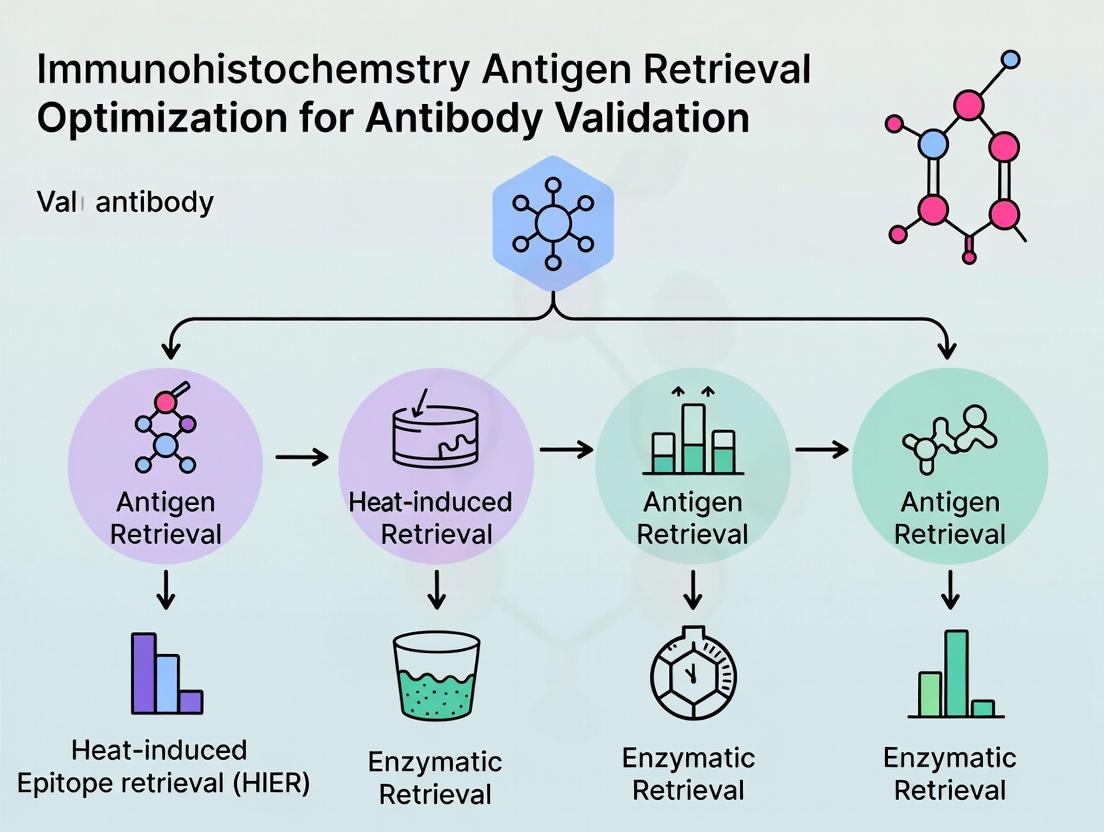
This comprehensive guide details the critical role of antigen retrieval (AR) in immunohistochemistry (IHC) antibody validation.
The Essential Guide to IHC Antigen Retrieval: Optimizing Protocols for Robust Antibody Validation
Abstract
This comprehensive guide details the critical role of antigen retrieval (AR) in immunohistochemistry (IHC) antibody validation. We explore the foundational principles of AR, including the chemistry of epitope unmasking and the pivotal impact of formalin fixation. The article provides a practical framework for selecting and applying heat-induced (HIER) and proteolytic-induced (PIER) epitope retrieval methods, alongside advanced troubleshooting strategies to combat false negatives and optimize signal-to-noise ratios. Finally, we establish a systematic validation workflow integrating AR optimization with orthogonal techniques to ensure antibody specificity and reproducibility, empowering researchers and drug development professionals to generate reliable, publication-quality IHC data.
The Science of Antigen Retrieval: Unmasking Epitopes for Accurate Detection
Formalin fixation and paraffin-embedding (FFPE) is the gold standard for preserving tissue morphology for histopathological analysis. However, this process chemically modifies proteins, creating methylene bridges that cross-link amino acid residues. These cross-links physically mask epitopes, preventing antibody binding in immunohistochemistry (IHC). This antigen masking presents a fundamental challenge for antibody validation research and diagnostic assay development, necessitating robust antigen retrieval (AR) protocols to reverse these effects.
Mechanisms of Antigen Masking: A Quantitative Analysis
The following table summarizes the primary chemical modifications and their impact on antigenicity.
Table 1: Primary Chemical Reactions in Formalin Fixation Leading to Antigen Masking
| Reaction Type | Target Residues | Chemical Result | Estimated % of Affected Residues (Range) | Consequence for Antigenicity |
|---|---|---|---|---|
| Methylene Bridge Formation | Lysine-ε-NH₂, Tyrosine, Asparagine, Glutamine, Arginine, Tryptophan | Inter- and intra-molecular cross-links | 60-80% of reactive sites | Physical occlusion of the epitope structure; major cause of masking. |
| Hydroxymethyl Adduct Formation | Primary amines (Lys), amides (Asn, Gln), aromatic rings (Tyr, Trp) | -CH₂OH addition | Near 100% initial adducts (pre-cursors to cross-links) | Alters side-chain chemistry, potentially destroying conformational epitopes. |
| Protein Backbone Alteration | Peptide bonds | Formylation and fragmentation | Minor (<5%) under standard fixation | Can create neo-epitopes or destroy linear sequences. |
Title: Formalin Fixation Leads to Antigen Masking
Detailed Experimental Protocols
Protocol 1: Standard Formalin Fixation Simulation for Antigen Masking Studies
Objective: To reproduce standard tissue fixation conditions in a controlled system for studying epitope masking. Materials: Purified target antigen or cell pellet, 10% Neutral Buffered Formalin (NBF), PBS, microcentrifuge tubes. Procedure:
- Prepare a 1 mg/mL solution of the purified protein antigen or a concentrated cell pellet.
- Add 9 volumes of 10% NBF to 1 volume of the protein solution/pellet. Mix thoroughly.
- Incubate at room temperature (20-25°C) for 24 hours to simulate standard clinical fixation.
- Centrifuge if necessary. Carefully remove the formalin and wash the sample 3x with 1x PBS (5 min per wash).
- The fixed antigen is now ready for downstream analysis (e.g., ELISA, western blot) to assess binding loss compared to unfixed controls.
Protocol 2: Heat-Induced Epitope Retrieval (HIER) for Reversing Masking
Objective: To recover antigenicity in FFPE tissue sections using heat and a retrieval buffer. Materials: FFPE tissue sections on slides, citrate buffer (pH 6.0) or Tris-EDTA buffer (pH 9.0), microwave or pressure cooker, slide rack, coplin jars. Procedure:
- Dewax and Hydrate: Pass slides through xylene (2x, 5 min) and graded ethanol (100%, 95%, 70% - 2 min each) to PBS.
- Retrieval Buffer: Fill a coplin jar or pressure cooker with 200-250 mL of chosen retrieval buffer. Pre-heat.
- Heating: Place slides in a slide rack into the buffer.
- Microwave Method: Heat at full power until boiling, then reduce to 10-20% power. Maintain a sub-boiling temperature (95-98°C) for 15-20 minutes. Avoid boiling dry.
- Pressure Cooker Method: Heat until full pressure is reached. Maintain pressure for 2-5 minutes (adjust based on antigen). Let cool naturally for 20 min.
- Cooling: Allow slides to cool in the buffer at room temperature for 20-30 minutes.
- Rinse: Rinse slides gently in distilled water, then transfer to PBS or the desired staining buffer.
- Proceed with standard IHC staining protocol.
Title: Heat-Induced Epitope Retrieval (HIER) Workflow
The Scientist's Toolkit: Key Reagent Solutions
Table 2: Essential Research Reagents for Studying & Overcoming Fixation-Induced Masking
| Reagent / Material | Function / Purpose | Key Consideration for Validation |
|---|---|---|
| 10% Neutral Buffered Formalin (NBF) | Standard fixative. Buffering prevents acid-induced degradation. | Fixation time must be standardized (e.g., 24h) for reproducible masking. |
| Citrate Buffer (pH 6.0) | Common low-pH retrieval solution for HIER. Breaks calcium-mediated cross-links. | Optimal for many phosphorylated epitopes and nuclear antigens. |
| Tris-EDTA Buffer (pH 9.0) | Common high-pH retrieval solution for HIER. Effective for more challenging epitopes. | Can yield superior results for membrane proteins and some cytoplasmic targets. |
| Enzyme Retrieval Solutions (e.g., Proteinase K, Trypsin) | Proteolytic cleavage of cross-linked proteins to expose epitopes. | Requires precise titration; over-digestion can destroy tissue and antigen. |
| Validated Primary Antibodies (Monoclonal/Polyclonal) | Binds specific target epitope. Critical for IHC. | Must be validated on FFPE tissue with appropriate AR. Linear epitopes often survive fixation better. |
| FFPE Tissue Microarray (TMA) | Contains multiple tissue cores on one slide for high-throughput antibody testing. | Enables parallel comparison of AR protocols under identical conditions. |
Understanding the biochemical basis of formalin-induced antigen masking is the cornerstone of effective IHC assay development. The cross-linking that preserves morphology simultaneously creates a significant barrier to antibody binding. Successful antibody validation in a research or drug development context therefore hinges on the systematic optimization of AR protocols—primarily HIER—to reverse these masking effects. The choice of retrieval method (buffer pH, heating device, time) must be empirically determined for each antibody-epitope pair to ensure specific and sensitive detection, making standardized protocols like those detailed above essential for reproducible research.
Within the critical workflow of immunohistochemistry (IHC) for antibody validation research, antigen retrieval (AR) is a pivotal step. A significant challenge in IHC of formalin-fixed, paraffin-embedded (FFPE) tissues is the masking of target epitopes by methylene bridges (methylol cross-links) formed during formalin fixation. Epitope unmasking via the breaking of these cross-links is therefore fundamental to successful antibody binding and accurate biomarker detection. This application note details the core principles and optimized protocols for methylol cross-link reversal, framed within a thesis on comprehensive IHC antigen retrieval optimization.
Scientific Background & Mechanism
Formaldehyde fixation primarily forms methylene bridges (-CH2-) between reactive amino acid side chains (e.g., lysine, arginine, tyrosine) within and between proteins. These cross-links stabilize tissue architecture but also physically obscure antigenic sites, rendering them inaccessible to antibodies. "Heat-Induced Epitope Retrieval" (HIER) and "Proteolytic-Induced Epitope Retrieval" (PIER) function to hydrolyze these bonds. HIER, using high temperature and a retrieval solution, relies on kinetic energy to break the relatively labile methylol cross-links while leaving most protein structures intact for antibody recognition.
Diagram: Mechanism of Formalin Cross-Linking and Epitope Unmasking
Title: Formalin cross-linking and HIER unmasking mechanism.
Key Research Reagent Solutions
Table: Essential Reagents for Methylol Cross-Link Reversal
| Reagent/Category | Specific Example(s) | Primary Function in Unmasking |
|---|---|---|
| Retrieval Buffers | Tris-EDTA (pH 9.0), Citrate (pH 6.0), EDTA (pH 8.0) | Provides ionic strength and pH to catalyze hydrolysis of methylol cross-links. High pH often more effective for methylene bridge reversal. |
| Proteolytic Enzymes | Proteinase K, Trypsin, Pepsin | Limited proteolysis to cleave cross-linked peptides, exposing buried epitopes (PIER). Use requires stringent optimization. |
| Heat Source | Pressure Cooker, Steamer, Water Bath, Decloaking Chamber | Provides kinetic energy (95-125°C) to drive the hydrolysis reaction. Different methods yield varying heating profiles. |
| Demasking Agents | Urea, SDS (low concentration) | Chaotropic agents that disrupt hydrogen bonding and hydrophobic interactions, aiding in protein unfolding and cross-link breakdown. |
Table: Comparative Efficacy of Retrieval Methods on Methylol Cross-Link Reversal
| Retrieval Method | Typical Conditions | Key Mechanism | Optimal For (Cross-link type) | Relative Signal Intensity* (vs. no AR) | Risk of Tissue Damage |
|---|---|---|---|---|---|
| Citrate pH 6.0 HIER | 95-100°C, 20-40 min | Hydrolysis via heat & buffer | Lysine-Lysine cross-links | 8-12x | Low |
| Tris-EDTA pH 9.0 HIER | 95-100°C, 20-40 min | Enhanced hydrolysis at high pH | Arginine-mediated cross-links | 10-15x | Low-Moderate |
| Pressure Cooking HIER | ~120°C, 10-15 min | High-temperature accelerated hydrolysis | Dense, stable cross-link networks | 12-20x | Moderate-High |
| Proteinase K PIER | 37°C, 5-20 min | Proteolytic cleavage | Surface-accessible cross-linked regions | 5-10x | High (over-digestion) |
| Combined HIER+Urea | HIER + 2-4M Urea | Heat hydrolysis + chaotropic disruption | Highly stable or phosphorylated epitopes | 15-25x | Moderate |
*Representative relative values based on aggregated published data for common nuclear/cytoplasmic antigens. Actual results are antibody and target dependent.
Detailed Protocols
Protocol 5.1: Standard High-pH Heat-Induced Epitope Retrieval (HIER)
Application: Optimal for breaking methylol cross-links on a wide range of targets, especially nuclear antigens.
Materials:
- Tris-EDTA Retrieval Buffer (10mM Tris Base, 1mM EDTA, 0.05% Tween 20, pH 9.0)
- Deparaffinized and rehydrated FFPE tissue sections on slides.
- Slide holder/coplin jars.
- Pressure cooker, steamer, or water bath.
- PBS (pH 7.4).
Workflow:
Title: Standard high-pH HIER workflow.
Procedure:
- Fill the retrieval vessel (e.g., pressure cooker containing a rack) with Tris-EDTA buffer. Begin heating.
- Once the buffer is near boiling (for water bath/steamer) or as per pressure cooker instructions, carefully place the slide holder with slides into the buffer.
- For pressure cooking: secure lid and bring to full pressure. Start timing for 10-15 minutes once full pressure is reached. For steamer/water bath: maintain at 95-100°C for 20-40 minutes.
- After heating, remove the vessel from heat. For pressure cookers, use the natural pressure release method. Allow slides to cool in the buffer at room temperature for 20 minutes.
- Carefully remove the slide holder and rinse slides in PBS (pH 7.4) for 5 minutes.
- Proceed immediately with standard IHC blocking and staining procedures.
Protocol 5.2: Optimization by Combined Chaotropic-HIER
Application: For particularly resilient epitopes masked by extensive cross-linking or involving phospho-sites.
Materials:
- Tris-EDTA-Urea Retrieval Buffer (10mM Tris, 1mM EDTA, 3M Urea, pH 9.0).
- Standard HIER equipment (as in 5.1).
- PBS.
Procedure:
- Prepare the Tris-EDTA-Urea buffer fresh. Urea degrades in solution; do not store for more than 24 hours.
- Follow the exact workflow described in Protocol 5.1, substituting the standard Tris-EDTA buffer with the Tris-EDTA-Urea buffer.
- Critical Note: The incubation time at high temperature should be optimized. Start with 20 minutes at 95-100°C and adjust based on signal-to-noise ratio. Over-exposure can lead to excessive tissue degradation and loss of morphology.
- Cool and rinse as in Protocol 5.1.
The Scientist's Toolkit: Key Materials
Table: Essential Toolkit for Epitope Unmasking Research
| Item | Specification/Example | Function in Validation Research |
|---|---|---|
| pH-Meter & Calibrated Buffers | High-accuracy benchtop meter | Essential for precise retrieval buffer preparation. pH is a critical variable in cross-link hydrolysis. |
| Temperature-Controlled Heating System | Decloaking chamber, programmable water bath | Provides reproducible, uniform heating crucial for experimental consistency and optimization studies. |
| Positive Control Tissue Microarray (TMA) | TMA with known expression patterns of multiple antigens | Enables parallel comparison of AR conditions across many tissues and targets simultaneously. |
| Validated Primary Antibodies | Antibodies with KO/Knockdown validation data | Gold standard for determining if unmasking is successful versus revealing non-specific binding. |
| Digital Slide Scanner & Image Analysis Software | e.g., Aperio, Hamamatsu, with Visiopharm or HALO | Allows for quantitative, objective comparison of staining intensity (H-score, % positivity) across different AR protocols. |
Within the critical process of immunohistochemical (IHC) antibody validation, antigen retrieval (AR) is a pivotal step to unmask epitopes obscured by formalin fixation and tissue embedding. The two principal AR methodologies—Heat-Induced Epitope Retrieval (HIER) and Proteolytic-Induced Epitope Retrieval (PIER)—operate via distinct fundamental mechanisms. Understanding these mechanisms is essential for researchers and drug development professionals to rationally select and optimize AR protocols, thereby ensuring the specificity, sensitivity, and reproducibility of IHC data, a cornerstone of biomedical research and therapeutic target assessment.
Fundamental Mechanisms: A Comparative Analysis
Heat-Induced Epitope Retrieval (HIER)
HIER primarily uses heat (via microwave, pressure cooker, water bath, or steamer) in conjunction with a buffered retrieval solution. The prevailing mechanistic hypothesis involves the reversal of methylene cross-links formed between proteins and other macromolecules during formalin fixation. The applied heat provides kinetic energy, breaking calcium coordinate bonds and other non-covalent interactions that stabilize these cross-links. This process re-hydrates and unfolds proteins, restoring the three-dimensional conformation of the epitope to a state recognizable by the primary antibody. Recent studies suggest heat also contributes to protein hydrolysis, further breaking cross-links.
Proteolytic-Induced Epitope Retrieval (PIER)
PIER employs proteolytic enzymes such as trypsin, proteinase K, or pepsin to cleave peptide bonds within the tissue. This enzymatic digestion physically severs the proteinaceous cross-links formed by formalin, liberating the epitope from its constrained state. The mechanism is more aggressive and can sometimes damage the epitope itself if over-digested. It is particularly effective for epitopes that are densely cross-linked or where heat alone is insufficient.
Quantitative Comparison of Core Characteristics:
Table 1: Core Mechanism & Outcome Comparison
| Characteristic | Heat-Induced Retrieval (HIER) | Proteolytic-Induced Retrieval (PIER) |
|---|---|---|
| Primary Mechanism | Breakage of calcium coordinate bonds & reversal of methylene cross-links via heat energy. | Cleavage of peptide bonds within cross-linked proteins via enzymatic digestion. |
| Key Agent | Heat (95-125°C) + Buffer (pH 6-10). | Enzyme (e.g., Trypsin, Proteinase K, Pepsin). |
| Typical Incubation | 20-40 minutes at high temperature. | 5-30 minutes at 37°C. |
| Epitope Preservation | Generally high; aims to restore native conformation. | Risk of epitope destruction with over-treatment. |
| Tissue Morphology | Better preservation of tissue structure. | Can cause tissue erosion or loss of detail. |
| Primary Application | Broad-spectrum; most modern IHC. | Historically used for difficult, cross-linked epitopes; often superseded by high-pH HIER. |
Table 2: Quantitative Performance Metrics (Representative Data from Literature)
| Metric | HIER (Citrate pH 6.0) | HIER (EDTA pH 9.0) | PIER (Trypsin) |
|---|---|---|---|
| Optimal Staining Intensity (0-3+ scale) | 2.8+ | 3.0+ | 2.0+ |
| Background Score (0-3, lower is better) | 0.5 | 0.7 | 1.5 |
| Protocol Time (minutes) | 40 | 45 | 25 |
| Success Rate for Nuclear Antigens (%) | 85% | 95% | 70% |
| Success Rate for Cytoplasmic/Membrane Antigens (%) | 95% | 90% | 65% |
Detailed Application Notes & Protocols
Protocol 1: Standard Heat-Induced Epitope Retrieval (HIER)
Principle: Use of heated buffer to reverse formaldehyde cross-links. Materials:
- Sodium Citrate Buffer (10mM, pH 6.0) OR Tris-EDTA Buffer (10mM Tris, 1mM EDTA, pH 9.0).
- Microwave, pressure cooker, or commercial decloaking chamber.
- Coplin jars or suitable slide racks. Procedure:
- Deparaffinize and hydrate slides to distilled water.
- Place slides in a container filled with pre-heated retrieval buffer.
- Heat using chosen method:
- Microwave: Heat at full power until boiling, then reduce to 10-20% power for 15-20 minutes. Maintain buffer level.
- Pressure Cooker: Bring to full pressure and maintain for 2-10 minutes.
- Steamer/Water Bath: Maintain at 95-97°C for 20-40 minutes.
- Cool slides in buffer at room temperature for 20-30 minutes.
- Rinse in distilled water, then proceed to immunohistochemical staining.
Protocol 2: Proteolytic-Induced Epitope Retrieval (PIER)
Principle: Controlled enzymatic digestion to cleave cross-links. Materials:
- Trypsin Solution (0.1% trypsin in 0.1% CaCl₂, pH 7.8) OR Proteinase K solution.
- Water bath or incubator set to 37°C. Procedure:
- Deparaffinize and hydrate slides to the buffer or distilled water specified for the enzyme.
- Pre-warm enzyme solution to 37°C.
- Incubate slides in enzyme solution at 37°C for 5-30 minutes. Optimization of time is critical.
- Rinse slides thoroughly in several changes of distilled water to halt enzymatic activity.
- Proceed immediately to immunohistochemical staining.
The Scientist's Toolkit: Key Research Reagent Solutions
Table 3: Essential Antigen Retrieval Reagents & Materials
| Item | Function & Rationale |
|---|---|
| Sodium Citrate Buffer (pH 6.0) | A mild, low-pH retrieval solution optimal for many antigens; chelates calcium ions aiding cross-link reversal. |
| Tris-EDTA Buffer (pH 9.0) | A high-pH retrieval solution often superior for nuclear antigens (e.g., ER, PR, p53); EDTA chelates divalent cations. |
| Proteinase K (Ready-to-Use Solution) | Broad-spectrum serine protease for PIER; effective on heavily cross-linked tissues but requires strict time control. |
| Trypsin (Lyophilized) | Serine protease specific for lysine/arginine; used for PIER of intracellular epitopes in fixed tissues. |
| Pepsin (Solution) | Aspartic protease active at low pH (pH 2.0); used for retrieving epitopes in highly cross-linked collagen-rich tissues. |
| Commercial HIER Buffer/Kit | Optimized, standardized buffers (e.g., low-pH, high-pH, or universal) ensuring consistency and reproducibility. |
| Pressure Cooker/Decloaking Chamber | Provides consistent, high-temperature (120°C) heating for rapid, uniform HIER, minimizing edge effects. |
| Microwave with Turntable | Accessible method for HIER; requires careful monitoring to prevent buffer evaporation ("drying out"). |
Visualizing the Workflows and Mechanisms
Title: HIER Experimental Workflow and Mechanism
Title: PIER Experimental Workflow and Mechanism
Title: Antigen Retrieval Method Selection Decision Tree
This document, as part of a broader thesis on IHC optimization for antibody validation, provides critical application notes and protocols. Effective antigen retrieval (AR) is the cornerstone of reliable immunohistochemistry (IHC), directly impacting the sensitivity and specificity of antibody binding. For validation research, where reproducibility and accuracy are paramount, a systematic understanding of the interplay between key pre-analytical variables is essential. This guide details the experimental investigation and control of four primary factors: Fixation Time, pH, Buffer Chemistry, and Tissue Type, to establish robust, reproducible IHC protocols.
Table 1: Impact of Fixation Time on AR Efficacy
| Tissue Type | Optimal Fixation Time (10% NBF) | Under-fixed Effect (<24h) | Over-fixed Effect (>72h) | Recommended AR Method for Over-fixed |
|---|---|---|---|---|
| Lymph Node | 18-24 hours | Poor morphology, antigen loss | High cross-linking, masking | High pH (9-10) EDTA-based retrieval |
| Breast Carcinoma | 24-48 hours | Variable staining, high background | Severe masking, false negatives | Extended heat retrieval (40 mins) in Citrate pH 9.0 |
| Brain (Mouse) | 24-48 hours | Tissue degradation | Extreme masking, irreversible | Proteolytic-induced epitope retrieval (PIER) + Heat |
| Liver | 18-24 hours | Loss of architecture | Moderate masking | Citrate pH 6.0, standard 20-min retrieval |
Table 2: Influence of Buffer pH and Chemistry on Common Antigens
| Antigen Class | Example Target | Optimal Buffer (pH) | Alternative Buffer (pH) | Staining Intensity (0-3+) | Cellular Localization Fidelity |
|---|---|---|---|---|---|
| Nuclear | ERα, p53 | Tris-EDTA (pH 9.0) | Citrate (pH 6.0) | 3+ vs. 1+ | High vs. Low |
| Cytoplasmic | Cytokeratin | Citrate (pH 6.0) | Tris-EDTA (pH 9.0) | 3+ vs. 2+ | Equal |
| Membrane | HER2 | Citrate (pH 6.0) | --- | 3+ | High (preserves membrane integrity) |
| Phospho-epitopes | pSTAT3 | High pH (>8) solutions | Citrate (pH 6.0) | 3+ vs. 0 | High vs. None |
Experimental Protocols
Protocol 1: Systematic AR Buffer Screening for Antibody Validation
Objective: To determine the optimal AR condition for a novel antibody. Materials: FFPE tissue sections (positive and negative control tissues), target antibody, citrate buffer (pH 6.0), Tris-EDTA buffer (pH 9.0), pressure cooker or decloaking chamber, standard IHC detection kit.
Method:
- Sectioning: Cut 5μm sections from FFPE blocks and mount on charged slides. Bake at 60°C for 1 hour.
- Deparaffinization: Process slides through xylene and graded ethanol series to water.
- AR Setup: Prepare two separate AR baths:
- Bath A: 1x Citrate Buffer, pH 6.0.
- Bath B: 1x Tris-EDTA Buffer, pH 9.0.
- Heat-Induced Epitope Retrieval (HIER):
- Place slides in the pre-heated buffer.
- Using a pressure cooker, heat until full pressure is achieved (~120°C).
- Process for 2.5 minutes at full pressure.
- Carefully release pressure and allow slides to cool in buffer for 20 minutes.
- Immunostaining: Proceed with standard IHC protocol (peroxide block, protein block, primary antibody incubation, detection, hematoxylin counterstain).
- Analysis: Compare staining intensity, specificity, and background across buffers and against validated controls.
Protocol 2: Assessing the Effect of Variable Fixation Times
Objective: To model and correct for pre-analytical fixation variability in archival tissues. Materials: Fresh tissue samples (e.g., rodent liver), 10% Neutral Buffered Formalin (NBF).
Method:
- Controlled Fixation: Immerse identical tissue pieces in 10% NBF for varying durations: 6h, 24h, 48h, 72h, 1 week.
- Processing: After each time point, remove the tissue and process identically through graded ethanol, xylene, and paraffin embedding to create an FFPE block.
- Sectioning & AR: Cut sections from each block. Perform AR using both pH 6.0 and pH 9.0 buffers as per Protocol 1.
- Staining & Quantification: Stain with a panel of antibodies known to be sensitive to fixation. Use digital pathology or semi-quantitative scoring (0-3+) to assess intensity loss over time.
- Data Integration: Create a fixation "calibration curve" for your antibody panel to inform interpretation of archival data.
Visualization Diagrams
Title: Factors Influencing Antigen Retrieval Success
Title: Antigen Retrieval Experimental Workflow
The Scientist's Toolkit: Essential Research Reagent Solutions
| Reagent/Material | Function in AR Optimization | Key Consideration for Validation |
|---|---|---|
| 10% NBF (Neutral Buffered Formalin) | Standard fixative; establishes baseline cross-linking. | Consistency in preparation and fixation time is critical for reproducible results across studies. |
| Sodium Citrate Buffer (10mM, pH 6.0) | Low-pH AR solution. Ideal for many cytoplasmic and membrane antigens. | Standard first-line buffer; check for precipitation after repeated heating. |
| Tris-EDTA Buffer (pH 9.0) | High-pH AR solution. Crucial for nuclear antigens and phospho-epitopes. | pH is temperature-sensitive; verify pH at room temperature after heating. |
| Proteinase K / Trypsin | Enzyme for Proteolytic-Induced Epitope Retrieval (PIER). | Used for highly cross-linked tissues; concentration and time must be tightly optimized to avoid tissue damage. |
| Pressure Cooker / Decloaking Chamber | Provides consistent, high-temperature heating for HIER. | More reproducible than microwave methods; essential for protocol standardization. |
| Control Tissue Microarray (TMA) | Contains known positive and negative tissues for multiple antigens. | The gold standard for parallel AR condition testing and antibody validation. |
| pH Meter with Micro Electrode | Accurate verification of AR buffer pH. | Calibrate daily; small pH shifts (>0.2) can significantly impact staining. |
| Charged/Plus Slides | For secure tissue adhesion during high-temperature AR. | Prevents tissue detachment, a common failure point in automated staining. |
Step-by-Step AR Protocols: Implementing HIER and PIER for IHC
Within the broader thesis on Immunohistochemistry (IHC) antigen retrieval optimization for antibody validation research, selecting the appropriate retrieval method is a critical, initial experimental determinant. The choice between Heat-Induced Epitope Retrieval (HIER), Proteolytic-Induced Epitope Retrieval (PIER), or a combined approach directly impacts epitope exposure, antibody binding specificity, and ultimately, the validation of an antibody's utility in research and drug development. Incorrect retrieval can lead to false-positive or false-negative staining, compromising data integrity. This document provides a structured decision matrix and detailed protocols to guide researchers in making this essential choice.
Method Definitions
- Heat-Induced Epitope Retrieval (HIER): Uses high-temperature heating (via water bath, pressure cooker, microwave, or steamer) in a buffer solution (e.g., citrate, Tris-EDTA) to break protein cross-links formed by formalin fixation, thereby unmasking epitopes.
- Proteolytic-Induced Epitope Retrieval (PIER): Employs proteolytic enzymes (e.g., trypsin, pepsin, proteinase K) to digest proteins surrounding the epitope, physically clearing access for the antibody.
- Combined Retrieval: Sequential application of enzymatic and heat-based methods to address challenging epitopes that are not fully exposed by either method alone.
Decision Matrix Table
The following matrix synthesizes current literature and empirical data to guide method selection based on key antigen and tissue characteristics.
Table 1: Decision Matrix for Antigen Retrieval Method Selection
| Key Decision Factor | Preferred Method | Rationale & Performance Data |
|---|---|---|
| Epitope Type | ||
| • Linear/Sequential | HIER | Superior for most linear epitopes. Studies show HIER improves staining intensity for 85-90% of antibodies targeting linear sequences. |
| • Conformational/Discontinuous | PIER or Combined | Gentle proteolysis may better preserve native protein conformation. Combined methods show a 30-40% improvement in signal for some conformational targets vs. HIER alone. |
| Fixation Duration | ||
| • Standard (<24-48h) | HIER | Effective for standard cross-link density. |
| • Prolonged/Over-fixation | Combined (PIER first) | Initial enzymatic digestion can loosen over-fixed matrices before heat-mediated unmasking. Can recover signal loss by up to 60% compared to HIER alone. |
| Target Protein Localization | ||
| • Nuclear | HIER (Alkaline buffer) | Highly effective; e.g., estrogen receptor staining intensity increased 5-fold with EDTA-based HIER vs. no retrieval. |
| • Cytoplasmic/Membranous | HIER (Citrate buffer) | Standard first approach. Success rate ~80%. |
| • Extracellular Matrix | PIER | Enzymatic digestion effective for collagenous proteins (e.g., Collagen IV). |
| Tissue Integrity Concerns | ||
| • Fragile or necrotic tissue | Mild PIER (short time, low conc.) | Less disruptive than high heat; preserves morphology. |
| • Bone/Calcified tissue | HIER with decalcification | Essential for penetration. Extended HIER times (30-45 min) often required. |
| Antibody Validation Result | ||
| • High background with HIER | PIER or Optimized HIER | PIER can reduce non-specific staining. Titrating HIER time/temp can also help. |
| • Weak/No signal with HIER | Combined or PIER | Sequential retrieval can expose recalcitrant epitopes. In one study, 25% of antibodies failing with HIER showed positive staining with combined retrieval. |
Detailed Experimental Protocols
Protocol A: Standard HIER Using a Decloaking Chamber (Pressure Cooker)
Principle: High-temperature pressure heating in retrieval buffer. Reagents: 10mM Sodium Citrate Buffer (pH 6.0) or 1mM EDTA (pH 8.0/9.0), PBS, distilled water. Workflow:
- Deparaffinize and rehydrate formalin-fixed, paraffin-embedded (FFPE) sections.
- Place slides in a heat-resistant rack filled with sufficient retrieval buffer to cover tissues.
- Place the rack in a decloaking chamber/pressure cooker prefilled with ~1.5L of distilled water (per manufacturer's instructions).
- Heat until full pressure is achieved (approx. 120°C). Start timer for a 2.5-10 minute incubation (optimize per antigen).
- Rapidly depressurize and cool the chamber in a cold water bath for 20 minutes.
- Rinse slides in PBS (pH 7.4) for 5 minutes. Proceed to immunohistochemical staining.
Protocol B: Standard PIER Using Trypsin
Principle: Controlled proteolytic digestion to cleave proteins and unmask epitopes. Reagents: 0.1% Trypsin solution in 0.1% CaCl₂ (pH 7.8), 0.1M Phosphate Buffer (pH 7.8), PBS. Workflow:
- Deparaffinize and rehydrate FFPE sections. Rinse in distilled water.
- Pre-warm the 0.1% Trypsin solution to 37°C in a humidified incubation chamber.
- Apply warm trypsin solution to completely cover tissue sections.
- Incubate slides at 37°C for 5-15 minutes (optimize time for each antibody/tissue).
- Stop the enzymatic reaction by immersing slides in cold PBS for 5 minutes.
- Rinse thoroughly in PBS before proceeding to immunohistochemical staining.
Protocol C: Combined Retrieval (Sequential PIER then HIER)
Principle: Enzymatic pre-treatment followed by heat to comprehensively unmask deeply buried epitopes. Workflow:
- Perform Protocol B (PIER) steps 1-5.
- After the PBS rinse, immediately transfer slides to retrieval buffer for HIER.
- Perform Protocol A (HIER) steps 2-6.
- Proceed to immunohistochemical staining.
Visualized Workflows and Pathways
Diagram 1: Antigen Retrieval Decision Algorithm
Diagram 2: Combined Retrieval Experimental Workflow
The Scientist's Toolkit: Research Reagent Solutions
Table 2: Essential Materials for Antigen Retrieval Optimization
| Item | Function & Rationale |
|---|---|
| Sodium Citrate Buffer (10mM, pH 6.0) | Most common HIER buffer. Effective for a wide range of cytoplasmic and membranous antigens. Acidic pH ideal for many targets. |
| Tris-EDTA Buffer (10mM/1mM, pH 9.0) | Alkaline HIER buffer. Superior for nuclear antigens (e.g., transcription factors) and some phosphorylated epitopes. |
| Trypsin, Protease Type II-S | Standard enzyme for PIER. Cleaves peptide bonds at lysine/arginine. Concentration (0.05-0.5%) and time must be rigorously optimized to avoid tissue damage. |
| Pepsin (from porcine stomach) | Acid-stable protease. Used in low-pH buffers (e.g., HCl) for antigens sensitive to neutral pH digestion. Effective for extracellular matrix proteins. |
| Proteinase K | Broad-spectrum serine protease. Used for highly cross-linked tissues but requires careful titration due to high activity. |
| Decloaking Chamber / Pressure Cooker | Provides consistent, high-temperature (120°C) heating for HIER. Superior to microwave for uniform, reproducible results. |
| Humidified Slide Incubator | Essential for maintaining consistent temperature and preventing evaporation during enzymatic (PIER) incubations at 37°C. |
| Positive Control Tissue Slides | Tissues with known, consistent expression of the target antigen. Non-negotiable for validating retrieval efficacy during antibody optimization. |
| Multitest IHC Slide | Slides with multiple tissue types or cell lines. Allow simultaneous testing of retrieval conditions across different matrices, accelerating validation. |
| pH Meter & Calibration Standards | Critical for accurate retrieval buffer preparation. Small pH deviations (±0.3) can significantly impact staining results. |
Within the comprehensive optimization of immunohistochemistry (IHC) for rigorous antibody validation, Heat-Induced Epitope Retrieval (HIER) is a critical step. The choice of retrieval buffer, primarily between acidic (e.g., Citrate, pH 6.0) and alkaline (e.g., Tris-EDTA/EGTA, pH 9.0) solutions, fundamentally impacts the unmasking of target epitopes. This application note provides a comparative analysis and detailed protocols to guide researchers in selecting the optimal HIER condition, a foundational variable in ensuring antibody specificity and reproducibility in preclinical drug development research.
Table 1: Buffer Characteristics and Typical Applications
| Parameter | Citrate Buffer (pH 6.0) | Tris-EDTA/EGTA Buffer (pH 9.0) |
|---|---|---|
| Chemical Basis | Sodium citrate dihydrate, acidified with HCl. | Tris base with Ethylenediaminetetraacetic acid (EDTA) or Ethylene glycol-bis(β-aminoethyl ether)-N,N,N′,N′-tetraacetic acid (EGTA). |
| Primary Mechanism | Breaks protein cross-links via hydrolysis of methylene bridges. More effective for formalin-masked epitopes reliant on hydrophobic bonds. | Chelates divalent cations (Ca2+, Mg2+) involved in cross-linking. Superior for epitopes dependent on calcium-mediated cross-links or nuclear antigens. |
| Optimal Antigen Types | Cytoplasmic and membrane proteins; many phosphorylated epitopes; ER/PR steroid receptors. | Nuclear antigens (e.g., Ki-67, p53); some transmembrane proteins (e.g., CD20); many transcription factors. |
| Reported Success Rate* (%) | ~65-70% of common IHC targets | ~75-80% of common IHC targets |
| Tissue Morphology | Excellent preservation. | Good preservation; can be harsh on delicate tissues. |
| Background Staining | Generally low. | Potentially higher; requires optimization of blocking. |
*Aggregate estimation from recent literature and reagent vendor application guides.
Table 2: Optimization Parameters for HIER Protocols
| Step | Citrate (pH 6.0) Protocol | Tris-EDTA/EGTA (pH 9.0) Protocol |
|---|---|---|
| Buffer Preparation | 10mM Sodium Citrate, pH 6.0 ± 0.1. | 10mM Tris Base, 1mM EDTA or EGTA, pH 9.0 ± 0.1. |
| Heating Method | Pressure cooker, microwave, or water bath. | Pressure cooker, microwave, or water bath. |
| Heating Time | 15-20 minutes at >95°C (post-boil initiation). | 15-20 minutes at >95°C (post-boil initiation). |
| Cooling Time | 20-30 minutes at room temperature (in buffer). | 20-30 minutes at room temperature (in buffer). |
| Critical Post-Retrieval Step | Rinse in distilled water, then place in IHC wash buffer. | Rinse in distilled water, then place in IHC wash buffer. |
| Key Consideration | Avoid boiling dry; replenish evaporative loss. | Use plastic coplin jars if using a microwave; EDTA may degrade glass. |
Detailed Experimental Protocols
Protocol 3.1: Direct Comparative Validation Experiment
Objective: To determine the optimal HIER buffer for a novel antibody targeting a protein of interest (POI) in formalin-fixed, paraffin-embedded (FFPE) tissues.
Materials: See "The Scientist's Toolkit" below. Procedure:
- Sectioning: Cut serial 4-5 µm sections from the same FFPE block onto charged slides. Dry overnight at 37°C.
- Deparaffinization & Rehydration:
- Immerse slides in fresh xylene (or substitute), 3 changes, 5 minutes each.
- Hydrate through graded ethanols: 100% (2x), 95%, 70%, 50% - 2 minutes each.
- Rinse in distilled water for 5 minutes.
- HIER Buffer Preparation:
- Citrate Buffer (1L): Dissolve 2.94g of trisodium citrate dihydrate in 1L of distilled water. Adjust to pH 6.0 with 1M HCl.
- Tris-EDTA Buffer (1L): Dissolve 1.21g Tris base and 0.37g EDTA disodium salt in 1L of distilled water. Adjust to pH 9.0 with 1M HCl or NaOH.
- Heat-Induced Retrieval (Pressure Cooker Method):
- Fill a decloaking chamber or pressure cooker with the appropriate buffer (~1-2L). Bring to a boil.
- Place slide rack into the boiling buffer. Seal the vessel.
- Once full pressure is reached (or steady steam venting in non-pressurized cookers), process for 15 minutes.
- Remove from heat and allow natural pressure/temperature reduction for 20-30 minutes.
- Carefully remove slide rack and rinse slides in distilled water for 1 minute.
- Transfer to IHC wash buffer (e.g., PBS or TBS) for 5 minutes.
- Immunostaining:
- Proceed with standardized downstream steps: peroxidase blocking, protein blocking, primary antibody incubation (with appropriate positive/negative controls), labeled polymer secondary, chromogen (DAB), and counterstain.
- Analysis: Compare staining intensity, specificity, and signal-to-noise ratio between buffers using semi-quantitative scoring (e.g., H-score) or image analysis.
Protocol 3.2: Sequential or Combinatorial Retrieval (for Refractory Targets)
Objective: For epitopes resistant to standard single-buffer HIER, a sequential protocol may be employed. Procedure: Perform primary HIER with Citrate (pH 6.0) as in Protocol 3.1. After cooling and rinsing, subject the same slides to a second HIER cycle using Tris-EDTA (pH 9.0) buffer. Note: This can compromise tissue integrity and is only for extreme optimization.
Visualizing the HIER Decision Pathway
Diagram Title: HIER Buffer Selection Decision Workflow
The Scientist's Toolkit: Essential Reagents & Materials
Table 3: Key Research Reagent Solutions for HIER Optimization
| Item | Function & Specification | Example Product/Catalog Number |
|---|---|---|
| Sodium Citrate Dihydrate | Prepares 10mM citrate retrieval buffer (pH 6.0). | Sigma-Aldrich, S4641 |
| Tris Base | Primary component of alkaline retrieval buffer. | Thermo Fisher, BP152 |
| EDTA Disodium Salt | Chelating agent for Tris-EDTA buffer (pH 9.0). | Sigma-Aldrich, E5134 |
| pH Meter & Electrodes | Critical for accurate buffer pH adjustment (±0.1). | Mettler Toledo, SevenCompact |
| Decloaking Chamber | Automated, reproducible pressurized heating for HIER. | Biocare Medical, DC2012 |
| Charged Microslides | Ensures tissue adhesion during rigorous HIER treatment. | Thermo Fisher, Superfrost Plus |
| IHC Wash Buffer (10X) | Provides correct ionic strength/pH for post-retrieval steps. | Agilent, S3006 (TBS) |
| Humidified Slide Chamber | Prevents evaporation during antibody incubations. | Thermo Fisher, 12-587-10 |
| Primary Antibody Diluent | Optimized buffer to stabilize antibodies and reduce background. | Agilent, S0809 |
| DAB Chromogen Kit | Enzyme substrate for peroxidase-based detection. | Agilent, K3468 |
Within the broader thesis on IHC antigen retrieval optimization for antibody validation research, proteolytic enzyme-induced epitope retrieval (PIER) represents a critical, though often empirical, methodological pillar. The selection of trypsin, pepsin, or proteinase K is not arbitrary; it must be rationalized based on the target antigen's biochemical nature, tissue fixation history, and the epitope's spatial characteristics. This guide provides detailed application notes and protocols to systematically incorporate these enzymes into a robust antibody validation pipeline, ensuring reproducible and specific immunolabeling essential for high-quality research and drug development.
Enzyme Characteristics & Quantitative Comparison
Table 1: Core Characteristics of Proteolytic Retrieval Enzymes
| Parameter | Trypsin | Pepsin | Proteinase K |
|---|---|---|---|
| Optimal Working pH | 7.5 - 8.5 (Basic) | 1.5 - 2.5 (Acidic) | 7.5 - 8.0 (Basic) |
| Optimal Temperature | 37°C | 37°C | 20-37°C (Room temp to 37°C) |
| Typical Concentration | 0.1% - 0.25% (w/v) | 0.1% - 0.4% (w/v) | 5 - 20 µg/mL |
| Typical Incubation Time | 5 - 20 minutes | 5 - 15 minutes | 5 - 30 minutes |
| Primary Cleavage Site | C-term of Lys, Arg | N-term of Phe, Leu, Trp, Tyr | Broad, after Ala, Phe, Tyr, Trp, Leu |
| Common Buffer/Vehicle | Tris-HCl, PBS (with Ca²⁺) | 0.01M HCl | Tris-HCl, PBS |
| Key Mechanism in AR | Cleaves peptide bonds, loosens crosslinks | Hydrolyzes proteins in acidic milieu | Broad-spectrum proteolysis of fixative masks |
| Best For (Epitope Type) | Protein termini, linear intracellular epitopes | Tightly crosslinked, cryptic epitopes in extracellular matrix | Highly crosslinked, formalin-resistant epitopes, nuclear antigens |
| Inactivation Post-AR | Rinse in PBS; serum/inhibitor optional | Rapid pH neutralization (PBS rinse) | Requires heat inactivation (95°C, 10 min) or specific inhibitors |
Table 2: Recent Comparative Performance Data (Summarized from Literature)
| Study Focus (Antigen Class) | Optimal Enzyme | Key Performance Metric | Result vs. Heat-Induced Retrieval (HIER) |
|---|---|---|---|
| Nuclear (e.g., Ki-67, p53) | Proteinase K | Signal-to-Noise Ratio | Superior: Clearer nuclear definition, less background. |
| Cytoplasmic (e.g., Cytokeratins) | Trypsin | Staining Intensity (H-Score) | Comparable or Superior: More consistent intracellular penetration. |
| Membrane (e.g., HER2) | Pepsin | Specificity Index | Conditional: Better for some tightly fixed extracellular domains. |
| Extracellular Matrix (e.g., Collagen IV) | Pepsin | Epitope Accessibility | Superior: Effective unmasking of crosslinked matrix proteins. |
Detailed Experimental Protocols
Protocol 1: Standardized Workflow for Proteolytic Retrieval Optimization
Title: Systematic Enzyme Screening for Antibody Validation in IHC
Materials:
- Formalin-fixed, paraffin-embedded (FFPE) tissue sections (test and control).
- Xylene and ethanol series (100%, 95%, 70%) for deparaffinization and rehydration.
- Target primary antibodies and validated IHC detection kit.
- Buffers: PBS (pH 7.4), 0.01M HCl, 0.1M Tris-HCl (pH 8.0).
- Enzymes: Trypsin (0.25% w/v), Pepsin (0.4% w/v), Proteinase K (20 µg/mL).
- Humidified incubation chamber.
- Heat block or water bath (37°C).
Procedure:
- Section Deparaffinization: Bake slides at 60°C for 20 min. Deparaffinize in xylene (2 x 5 min), hydrate through graded ethanol (100%, 95%, 70%, 2 min each), and rinse in distilled water.
- Proteolytic Retrieval Setup:
- Trypsin: Pre-warm 0.25% trypsin in 0.1% CaCl₂ (in PBS, pH 7.8) to 37°C. Immerse slides, incubate at 37°C for 10 minutes.
- Pepsin: Prepare 0.4% pepsin in 0.01M HCl. Immerse slides, incubate at 37°C for 10 minutes.
- Proteinase K: Prepare 20 µg/mL Proteinase K in Tris-HCl (pH 8.0). Apply to slides, incubate at room temperature for 15 minutes.
- Enzyme Inactivation:
- Trypsin/Pepsin: Rinse slides thoroughly in cold running PBS (2 x 5 min).
- Proteinase K: Immerse slides in PBS and heat at 95°C for 10 minutes in a water bath, then cool to room temperature.
- Immunostaining: Proceed with standard IHC protocol (blocking, primary antibody incubation, detection, counterstaining, mounting).
Protocol 2: Titration Protocol for Determining Optimal Enzyme Concentration/Time
Title: Matrix-Based Optimization of Proteolytic Digestion Conditions
Procedure:
- Prepare a matrix of enzyme concentrations (e.g., Trypsin: 0.05%, 0.1%, 0.25%; Proteinase K: 5, 10, 20 µg/mL) and incubation times (5, 10, 20 min) for a single test antigen.
- Run the IHC protocol as described in Protocol 1, using the same antibody dilution and detection parameters across all conditions.
- Score slides for: a) Target signal intensity (0-3 scale), b) Morphological preservation (H&E post-IHC), c) Non-specific background (0-3 scale).
- The optimal condition is the one that maximizes target signal while preserving tissue morphology and minimizing background.
Visualization Diagrams
Diagram Title: Proteolytic Enzyme Selection Workflow for IHC
Diagram Title: Mechanism of Proteolytic Antigen Unmasking
The Scientist's Toolkit: Research Reagent Solutions
Table 3: Essential Materials for Proteolytic Retrieval Experiments
| Item | Function & Rationale |
|---|---|
| High-Purity, Sequencing-Grade Enzymes | Ensures consistent, specific proteolytic activity without contaminating proteases that degrade tissue or epitopes. Critical for reproducibility. |
| pH-Stable Buffer Salts (Tris, HCl) | Maintains precise enzymatic pH optimum, directly affecting activity and specificity. Different enzymes require different pH buffers. |
| Calcium Chloride (for Trypsin) | Cofactor required for optimal trypsin activity. Omission can lead to suboptimal retrieval and inconsistent results. |
| Humidified Slide Incubation Chamber | Prevents evaporation of retrieval solution during incubation, which would concentrate the enzyme and cause over-digestion. |
| Heat Block with In Situ Temperature Probe | Provides precise, uniform temperature control during digestion. Overheating inactivates enzymes; underheating reduces efficacy. |
| Protease Inhibitor Cocktails (Post-Retrieval) | Optional but recommended for sensitive targets. Halts residual enzyme activity completely before antibody application. |
| Validated Positive Control Tissue | Tissue known to express the target antigen at moderate levels. Non-negotiable for optimizing and validating enzyme conditions. |
| Morphology Counterstain (e.g., Hematoxylin) | Allows assessment of tissue integrity post-digestion. Over-digestion results in loss of nuclear and cellular detail. |
Application Notes
Within the critical process of immunohistochemistry (IHC) for antibody validation research, antigen retrieval (AR) is a pivotal step to reverse formaldehyde-induced cross-links and expose epitopes. The choice of retrieval equipment directly impacts the intensity, specificity, and reproducibility of staining, influencing the validity of subsequent conclusions about antibody performance. Optimal IHC results require precise matching of the retrieval method (heat-induced epitope retrieval - HIER) with the epitope-antibody pair and tissue type.
Pressure Cookers (Decloaking Chambers): These systems perform retrieval in a pressurized, high-temperature (≈120-125°C) environment using citrate or EDTA-based buffers. The high pressure allows the solution to surpass its boiling point, enabling rapid and intense retrieval. This method is highly effective for robust demasking of stubborn nuclear and cytoplasmic antigens but risks tissue damage or over-retrieval if time is not meticulously optimized. It offers excellent reproducibility due to precise temperature and pressure control in commercial models.
Water Baths: A standard method involving submerging slides in a buffer-filled Coplin jar placed in a heated water bath (95-99°C, non-pressurized). It is a gentle, accessible technique suitable for many common antigens. However, it requires longer incubation times (20-40 minutes) and can suffer from temperature fluctuations and buffer evaporation, leading to potential inter-run variability. It is ideal for delicate tissues or antigens that may be damaged by aggressive retrieval.
Steamers: Employ a constant flow of steam (≈97-100°C) to heat slides in retrieval buffer. This method provides more uniform heating than a water bath and is faster, typically requiring 20-30 minutes. It avoids direct contact between the heating element and the slides, reducing the risk of hotspot artifacts. Steamers offer a good balance between robustness and gentleness, effective for a broad range of antigens without the complexity of pressure systems.
Commercial Decloaking Chambers: These are specialized, automated pressure cookers designed explicitly for IHC. They provide digital control over temperature, pressure, and time, with built-in cooling cycles. They represent the gold standard for HIER reproducibility in high-throughput or regulated research environments, minimizing technician-dependent variables—a crucial factor in standardized antibody validation protocols.
Quantitative Comparison of AR Methods
Table 1: Operational Parameters and Performance Characteristics of Antigen Retrieval Systems
| Equipment Type | Typical Temperature Range | Typical Time | Pressure | Key Advantages | Key Limitations | Best For |
|---|---|---|---|---|---|---|
| Pressure Cooker / Decloaking Chamber | 110°C - 125°C | 1 - 15 minutes | High (15-23 psi) | Fast, powerful retrieval; high reproducibility; consistent for difficult antigens. | Risk of tissue damage; over-retrieval; higher equipment cost. | Stubborn nuclear antigens (e.g., ER, PR, Ki-67); heavily cross-linked tissues. |
| Water Bath | 95°C - 99°C | 20 - 40 minutes | Atmospheric | Gentle; low-cost; simple setup; good for delicate epitopes. | Long protocol time; potential for temperature gradient & evaporation; less reproducible. | Common cytoplasmic/membrane antigens; fragile tissues. |
| Steamer | 97°C - 100°C | 20 - 30 minutes | Atmospheric | More uniform heat than water bath; faster; reduces hotspot risk. | Still requires monitoring; buffer may condense and dilute. | Broad-range antigen screening; labs needing a balance of power and gentleness. |
| Automated Decloaking Chamber | 110°C - 125°C | 5 - 20 minutes (programmable) | Controlled High | Maximum reproducibility; programmable protocols; rapid cooling; ideal for validation. | Highest cost; requires dedicated equipment. | Antibody validation studies; high-throughput labs; GLP/GCP-compliant research. |
Table 2: Example Retrieval Conditions for Common Target Classes in Antibody Validation
| Antigen Class | Example Targets | Recommended Buffer (pH) | Recommended Method | Typical Protocol (from cold start) | Validation Tip |
|---|---|---|---|---|---|
| Nuclear Transcription Factors | p53, ER, PR, STAT3 | Citrate (6.0) | Pressure Cooker | 125°C, 10 psi, 3 min; slow cool for 20 min. | Test a range of times (1-10 min) to optimize signal-to-noise. |
| Cell Surface/Membrane | CD20, HER2, E-Cadherin | Tris-EDTA (9.0) | Steamer or Water Bath | 97°C, 30 min; cool at room temp for 20 min. | Compare pH 6 vs pH 9 for optimal membrane localization. |
| Cytoplasmic & Structural | Cytokeratin, Vimentin, GFAP | Citrate (6.0) | Steamer | 97°C, 20 min; cool at room temp for 20 min. | Over-retrieval can cause diffuse staining; titrate time. |
| Phospho-Epitopes | p-AKT, p-ERK | Tris-EDTA (9.0) | Pressure Cooker (gentle) | 110°C, 10 psi, 10 min; slow cool. | Use controlled cooling to prevent re-masking; validate with IHC-validated controls. |
Experimental Protocols
Protocol 1: Standardized Antigen Retrieval for Antibody Validation Using a Decloaking Chamber
Objective: To perform consistent, high-temperature HIER for validating a novel antibody against a nuclear antigen (e.g., Transcription Factor X). Materials: See "The Scientist's Toolkit" below. Procedure:
- Deparaffinization & Rehydration: Bake slides at 60°C for 1 hr. Deparaffinize in 3 changes of xylene (5 min each). Rehydrate through graded ethanol (100%, 100%, 95%, 70% - 2 min each). Rinse in distilled water (dH₂O).
- Buffer Preparation: Prepare 1x citrate buffer (pH 6.0) or Tris-EDTA (pH 9.0) as per antibody datasheet recommendation. Fill the decloaking chamber's tank with the recommended volume.
- Retrieval Cycle: Place slide rack in the chamber. Secure lid. Program the automated cycle: Ramp to 110°C → Hold at 110°C for 10 minutes → Rapid cool to 90°C → Slow cool to 30°C.
- Post-Retrieval Handling: Carefully remove the chamber lid. Transfer slides to a staining dish filled with dH₂O. Rinse gently in 1x PBS (pH 7.4) for 5 min.
- Proceed to Staining: Continue with standard IHC protocol (peroxidase blocking, primary antibody incubation, detection, counterstaining, dehydration, mounting).
Protocol 2: Comparative Retrieval Method Study for Antibody Optimization
Objective: To determine the optimal AR method for a new cytoplasmic antigen antibody using three different systems. Materials: As above, plus access to a pressure cooker, steamer, and water bath. Procedure:
- Sectioning: Cut serial sections from the same FFPE tissue block onto charged slides.
- Batch Processing: Divide slides into three batches for the different retrieval systems. Use the same retrieval buffer (e.g., citrate pH 6.0) for all.
- Parallel Retrieval:
- Batch A (Pressure): Process in decloaking chamber at 125°C for 5 min.
- Batch B (Steam): Place in a pre-heated steamer for 30 min.
- Batch C (Water Bath): Submerge in a Coplin jar within a 97°C water bath for 40 min.
- Uniform Post-Processing: After retrieval, cool all batches to room temperature similarly. Rinse in dH₂O and PBS.
- Staining: Process all slides in a single, automated IHC stainer using identical primary antibody concentration and incubation times.
- Analysis: Score staining intensity (0-3+), specificity, and background for each method. The method yielding the highest specific signal with lowest background is optimal for validation.
Diagrams
Title: Antigen Retrieval Method Decision Workflow
Title: Core IHC Signal Generation Pathway
The Scientist's Toolkit
Table 3: Essential Research Reagent Solutions for Antigen Retrieval Optimization
| Item | Function & Rationale |
|---|---|
| Citrate-Based Buffer (pH 6.0) | The most common retrieval solution. Effective for a wide range of antigens, particularly nuclear proteins. Low pH helps break protein cross-links. |
| Tris-EDTA Buffer (pH 9.0) | High-pH buffer optimal for many cell surface antigens, viral antigens, and some phosphorylated epitopes. EDTA chelates calcium ions involved in cross-linking. |
| Commercial HIER Buffer (pH varied) | Pre-formulated, standardized buffers ensuring consistency. Often optimized for specific antigen classes or automated platforms. |
| Adhesive Microscope Slides (e.g., charged, silane-coated) | Prevents tissue detachment during high-temperature, agitated retrieval processes. Critical for protocol robustness. |
| Heat-Resistant Slide Racks & Stainless Steel Chambers | For safe and uniform handling of slides during retrieval. Must withstand repeated thermal cycling and pressure. |
| Positive Control Tissue Microarray (TMA) | Contains cores of tissues with known expression of multiple targets. Essential for parallel validation of retrieval efficiency and antibody specificity. |
| Liquid DAB+ Chromogen Substrate | Provides a stable, high-sensitivity chromogen for visualizing HRP-based detection. Yields an insoluble brown precipitate for permanent mounting. |
| Automated Coverslipper & Mounting Medium | Ensures uniform, bubble-free mounting for consistent, high-quality imaging and archiving of validated slides. |
Solving Common AR Problems: From False Negatives to High Background
1. Introduction In the context of immunohistochemistry (IHC) antibody validation research, a failed or weak signal following antigen retrieval (AR) is a critical bottleneck. It can stem from inadequate epitope exposure, improper antibody selection, or suboptimal detection conditions. This document provides a systematic diagnostic framework and protocols to methodically identify and rectify the causes of retrieval failure, ensuring robust antibody validation data.
2. Systematic Diagnostic Workflow The following decision tree guides the user through a logical sequence of checks and interventions.
3. Key Experimental Protocols
Protocol 3.1: Comprehensive HIER Buffer pH Screen Objective: To identify the optimal pH for epitope exposure when heat-induced epitope retrieval (HIER) is suspected to be suboptimal. Materials: See Reagent Solutions Table. Procedure:
- Cut consecutive sections from the FFPE block of interest.
- Deparaffinize and rehydrate sections through xylene and graded alcohols to water.
- Prepare a panel of retrieval buffers (see Table 1).
- Perform HIER in a pre-heated water bath or decloaking chamber at 95-100°C for 20 minutes.
- Cool slides for 20 minutes at room temperature in buffer.
- Proceed with standard IHC protocol (peroxidase blocking, primary antibody incubation, detection, chromogen, counterstain).
- Score staining intensity (0-3+) and completeness of target cell labeling.
Protocol 3.2: Side-by-Side Retrieval Method Comparison Objective: To determine if proteolytic-induced epitope retrieval (PIER) is superior to HIER for a specific antibody-antigen pair. Procedure:
- Label three sets of consecutive sections: Set A (HIER, Citrate pH6), Set B (HIER, Tris-EDTA pH9), Set C (PIER, Trypsin or Proteinase K).
- For HIER: Follow Protocol 3.1.
- For PIER: After rehydration, incubate slides with optimized proteinase solution (e.g., 0.05% trypsin for 10 min at 37°C). Rinse gently.
- Complete the IHC protocol identically for all slides.
- Compare signal intensity, granularity, and background.
4. Data Presentation
Table 1: Quantitative Results from HIER Buffer pH Screen for Anti-ER Antibody (Clone EP1)
| Retrieval Buffer | pH | Incubation Temp (°C) | Time (min) | Average Signal Intensity (0-3+) | Background Score (0-3) | Optimal Cell Localization? |
|---|---|---|---|---|---|---|
| Citrate | 6.0 | 97 | 20 | 1+ | 1 | No (Cytoplasmic) |
| Citrate | 6.0 | 97 | 30 | 2+ | 1 | Partial |
| Tris-EDTA | 8.0 | 97 | 20 | 3+ | 0 | Yes (Nuclear) |
| Tris-EDTA | 9.0 | 97 | 20 | 3+ | 1 | Yes |
| Tris-EDTA | 10 | 97 | 20 | 2+ | 2 | Yes |
| No Retrieval | N/A | N/A | N/A | 0 | 0 | N/A |
Table 2: Key Research Reagent Solutions
| Reagent / Solution | Function & Rationale |
|---|---|
| Citrate Buffer (10mM, pH 6.0) | Common HIER buffer for many nuclear and cytoplasmic antigens. Mild, suitable for labile epitopes. |
| Tris-EDTA Buffer (10mM Tris, 1mM EDTA, pH 9.0) | High-pHIER buffer crucial for many transcription factors, phospho-epitopes, and challenging targets. |
| Proteinase K Solution (Ready-to-Use) | Enzyme for PIER; cleaves proteins to unmask epitopes sensitive to heat. Essential for some membrane proteins. |
| EDTA-Based Buffer (pH 8.0) | Chelates calcium; effective for antigens cross-linked by formalin with calcium-mediated bonds. |
| High-Temperature/Pressure Decloaker | Provides consistent, uniform heating above 100°C, often improving retrieval efficiency for tough epitopes. |
| Target Retrieval Buffer, Low pH (Commercial) | Proprietary, optimized buffer for specific antigen classes, providing reproducibility. |
| Positive Control Tissue Microarray (TMA) | Contains cell lines or tissues with known expression levels of target, enabling method calibration. |
| Polymer-Based HRP Detection System | Amplifies signal, reduces non-specific binding vs. streptavidin-biotin systems. Essential for low-abundance targets. |
5. Pathway Diagram: Impact of Retrieval on Epitope-Antibody Binding
Application Notes
In the context of a thesis on IHC antigen retrieval optimization for antibody validation, precise control of retrieval conditions is paramount. Antigen retrieval (AR) reverses formaldehyde-induced cross-links, exposing epitopes for antibody binding. The four critical optimization variables—pH, time, temperature, and buffer molarity—interact to define the retrieval stringency, directly impacting staining specificity and intensity for validation research. Recent studies emphasize moving beyond standard citrate buffer at pH 6.0 to a spectrum of pH conditions (low pH 1-6, high pH 8-10) to unveil masked epitopes. Time and temperature are coupled; high-temperature (95-120°C) protocols typically require shorter durations (10-20 min), while low-temperature (60-95°C) methods may extend overnight. Buffer molarity (10-100 mM) influences ionic strength, affecting protein hydration and stability during retrieval. Optimal validation requires a matrix approach to these variables to map an antibody's operational window, ensuring reproducible and specific staining crucial for drug development pipelines.
Table 1: Effect of Antigen Retrieval pH on IHC Staining Intensity
| Target Antigen | pH 3.0 | pH 6.0 | pH 8.0 | pH 9.0 | Optimal pH |
|---|---|---|---|---|---|
| ER (Estrogen Receptor) | 0 (No stain) | ++ (Weak) | ++++ (Strong) | +++ (Moderate) | 8.0-8.5 |
| Ki-67 | + (Faint) | ++++ (Strong) | +++ (Moderate) | ++ (Weak) | 6.0 |
| p53 | ++ (Weak) | +++ (Moderate) | ++++ (Strong) | ++++ (Strong) | 8.0-9.0 |
| CD20 | ++++ (Strong) | ++++ (Strong) | +++ (Moderate) | + (Faint) | 3.0-6.0 |
Table 2: Optimization Matrix for Time and Temperature
| Temperature (°C) | Time (Minutes) | Retrieval Stringency | Recommended For |
|---|---|---|---|
| 60-70 | 30-120 | Low | Heat-sensitive epitopes, phospho-specific antibodies |
| 95-100 | 20-40 | Medium | Standard formalin-fixed paraffin-embedded (FFPE) tissues |
| 110-121 | 10-20 | High | Heavily cross-linked or long-term fixed tissues |
| 80-95 | Overnight (16-20 hrs) | Low-Medium | Alternative for high-temperature inhibition |
Table 3: Impact of Tris-HCl Buffer Molarity on Retrieval Efficacy
| Molarity (mM) | pH Stability at 97°C | Staining Intensity (Ki-67) | Non-Specific Background |
|---|---|---|---|
| 10 | Poor (ΔpH >1.0) | ++ | Low |
| 50 | Moderate (ΔpH ~0.7) | ++++ | Low |
| 100 | Excellent (ΔpH <0.3) | ++++ | Moderate-High |
Experimental Protocols
Protocol 1: pH Titration for Epitope Demasking
Objective: To determine the optimal antigen retrieval pH for a novel antibody. Materials: FFPE tissue sections, target antibody, citrate buffer (10 mM, pH 3.0, 4.0, 5.0, 6.0), Tris-EDTA buffer (10 mM, pH 7.0, 8.0, 9.0, 10.0), pressure cooker or water bath, standard IHC detection kit. Procedure:
- Sectioning: Cut 4 µm serial sections from the FFPE block and mount on charged slides. Bake at 60°C for 1 hour.
- Deparaffinization & Rehydration: Process slides through xylene and graded ethanol series (100%, 95%, 70%) to distilled water.
- Antigen Retrieval: Prepare separate retrieval buffers across the pH range (3-10). For each pH condition, submerge slides in 200-250 mL of corresponding buffer in a suitable container.
- Heating: Using a pressure cooker, bring the buffer to a boil (~121°C) and maintain heat for 15 minutes. Alternatively, use a water bath at 97°C for 30 minutes. Ensure slides are fully submerged.
- Cooling: Carefully remove the container and cool at room temperature for 30 minutes.
- Immunostaining: Proceed with standard IHC protocol: peroxidase blocking, protein blocking, primary antibody incubation (optimized dilution, overnight at 4°C), secondary antibody, chromogen (DAB), and hematoxylin counterstain.
- Analysis: Evaluate staining intensity and specificity under a microscope. Score intensity from 0 (no stain) to 4+ (very strong). The pH yielding the strongest specific signal with minimal background is optimal.
Protocol 2: Time-Temperature Gradient for Stringency Optimization
Objective: To define the time-temperature combination that optimally retrieves antigen while preserving tissue morphology. Materials: FFPE sections, target antibody, optimal buffer from Protocol 1 (e.g., Tris-EDTA, 50 mM, pH 9.0), programmable water bath or commercial antigen retriever, timer. Procedure:
- Prepare slides as in Protocol 1, steps 1-2.
- Place all slides in the same optimal retrieval buffer.
- Gradient Setup: Divide slides into groups. Using a programmable water bath, subject groups to different conditions:
- Group A: 70°C for 120 min
- Group B: 97°C for 40 min
- Group C: 97°C for 20 min
- Group D: 110°C for 10 min (requires pressurized container)
- After heating, cool slides at room temperature for 30 min.
- Perform immunostaining simultaneously on all slides using identical conditions (Protocol 1, step 6).
- Analysis: Compare staining intensity and tissue integrity (morphology preservation). The condition providing optimal signal-to-noise ratio and intact morphology is selected.
Visualizations
Title: Core Variables in Antigen Retrieval Optimization
Title: Standard Antigen Retrieval Workflow for IHC
The Scientist's Toolkit
Table 4: Essential Research Reagent Solutions for IHC Antigen Retrieval Optimization
| Item | Function in Optimization |
|---|---|
| Citrate Buffer (10mM, pH 6.0) | Standard low-pH retrieval solution; baseline for comparison. |
| Tris-EDTA Buffer (10-100mM, pH 9.0) | Common high-pH retrieval solution; crucial for many nuclear antigens. |
| Target Retrieval Solution (TRS), Low & High pH | Commercial, standardized buffers ensuring lot-to-lot consistency in validation studies. |
| Pressure Cooker or Commercial Retriever | Provides consistent high-temperature (110-121°C) heating for uniform retrieval. |
| Programmable Water Bath | Enables precise low-temperature and time-gradient experiments. |
| pH Meter with Temperature Probe | Essential for accurately preparing and verifying retrieval buffer pH. |
| Charged Microscope Slides | Prevents tissue detachment during high-temperature retrieval steps. |
| Heat-Resistant Slide Holders/Coplin Jars | For safe immersion of slides in hot retrieval buffer. |
| Primary Antibody of Interest | The target antibody being validated; its performance is the readout. |
| Validated Positive Control FFPE Tissue | Tissue with known antigen expression to benchmark retrieval efficacy. |
| IHC Detection Kit (HRP/DAB or Polymer) | Standardized detection system to eliminate variability from secondary detection. |
| Digital Slide Scanner or Microscope with Camera | For quantitative or semi-quantitative analysis of staining intensity. |
Introduction and Thesis Context Within a comprehensive thesis on immunohistochemistry (IHC) antigen retrieval (AR) optimization for antibody validation, a critical and often underappreciated challenge is the balance between optimal epitope exposure and the preservation of tissue morphology. Overly aggressive retrieval, whether by excessive heating time, extreme pH, or high pressure, can induce severe tissue damage and artifacts that compromise interpretation, antibody validation, and subsequent research conclusions. This document details application notes and protocols to identify, mitigate, and prevent such damage, ensuring that retrieval parameters support robust and reproducible antibody validation.
Quantitative Impact of Over-Retrieval The following table summarizes common artifacts and their quantitative indicators under over-retrieval conditions.
Table 1: Artifacts and Indicators of Over-Retrieval
| Artifact Type | Morphological Manifestation | Quantifiable Impact | Common Cause |
|---|---|---|---|
| Tissue Loss & Detachment | Holes, tears, complete section loss. | >20% section area loss vs. control. | Excessive heating duration (>40 min HIER), boiling buffer. |
| Nuclear Fragmentation | Pyknotic, smeared, or "burst" nuclei. | Nuclear circularity index <0.7, area variance >30%. | Extreme pH (<2 or >10), combined with prolonged heating. |
| Cytoplasmic Bubbling/Vacuolization | Non-physiological empty spaces in cytoplasm. | Vacuole area >5% of total cytoplasmic area. | Localized overheating, microwave "hot spots." |
| High Background & Non-Specific Staining | Diffuse, cytoplasmic/diffuse staining in negative cells. | Signal-to-noise ratio <3:1 in negative regions. | Over-exposure of hydrophobic sites, protein scrambling. |
| Antigen Relocalization/Loss | Incorrect subcellular staining or absence of signal. | >50% reduction in mean optical density vs. optimized protocol. | Peptide bond hydrolysis, complete epitope destruction. |
Detailed Experimental Protocols
Protocol 1: Systematic Titration of Antigen Retrieval Parameters Objective: To empirically determine the optimal AR conditions that maximize signal while minimizing tissue damage for a novel antibody. Materials:
- Serial sections of formalin-fixed, paraffin-embedded (FFPE) control tissue.
- Target antibody and validated detection system.
- Citrate buffer (pH 6.0), Tris-EDTA (pH 9.0), and other relevant AR buffers.
- Pressure cooker, microwave, or water bath for heat-induced epitope retrieval (HIER).
- Slide scanner or high-resolution microscope with image analysis software.
Method:
- Sectioning: Cut 4μm serial sections and mount on charged slides.
- Matrix Design: Create a retrieval matrix varying Time (5, 10, 15, 20, 30 min) and Temperature/Pressure (sub-boiling, boiling, pressure cooking) for each Buffer pH (6.0 and 9.0).
- Retrieval: Perform HIER according to the matrix. Include a no-retrieval control.
- Staining: Process all slides with identical IHC protocol (primary antibody titration, detection, DAB, hematoxylin).
- Analysis:
- Signal: Quantify target-specific staining intensity (Mean Optical Density) in appropriate compartments.
- Morphology: Score tissue integrity (0-3 scale: 3=intact, 0=severe damage). Quantify nuclear circularity and tissue area loss.
- Background: Measure staining intensity in a known negative tissue region.
- Optimization: Identify the condition yielding the highest specific signal with a morphology score ≥2 and lowest background.
Protocol 2: Assessment of Tissue Integrity Post-Retrieval Objective: To quantitatively assess the degree of tissue damage induced by AR. Materials: As in Protocol 1, plus H&E staining reagents.
Method:
- After AR and cooling, stain one slide from each condition with H&E using a standard protocol.
- Digitize slides at 20x magnification.
- Image Analysis Metrics:
- Nuclear Morphometry: Use software to segment nuclei. Calculate Nuclear Circularity (4π*Area/Perimeter²). A decrease indicates fragmentation.
- Tissue Area Loss: Measure the total tissue area on the slide and compare to a non-retrieved control section. Calculate percentage loss.
- Visual Scoring: A pathologist or trained researcher should blind-score slides for artifacts (vacuolization, detachment, etc.).
Research Reagent Solutions Toolkit Table 2: Essential Reagents for Managing Over-Retrieval Artifacts
| Reagent/Material | Function/Benefit | Application Note |
|---|---|---|
| Phosphate-Buffered Saline (PBS) | Mild, physiological pH wash buffer. | Used for rapid cooling post-HIER to halt retrieval action. |
| Low-pH Citrate Buffer (pH 6.0) | Standard AR buffer for many antigens. Gentler on tissue morphology than high pH. | First-choice buffer for labile tissues or nuclear antigens. |
| Tris-EDTA Buffer (pH 9.0) | High-pH AR buffer for challenging antigens. Can be more damaging. | Use with shorter incubation times; monitor morphology closely. |
| Protease Enzyme (e.g., Proteinase K) | Enzyme-based retrieval. An alternative to heat for fragile antigens. | Concentration and time are critical; over-digestion causes rapid tissue loss. |
| Adhesive Slides (e.g., POS-coated) | Maximally adhesive glass slides. | Reduces section detachment during aggressive retrieval protocols. |
| Hydration Gradients (Ethanol) | Gradual rehydration pre-AR and dehydration post-staining. | Prevents osmotic shock and further tissue stress. |
| Humidified Staining Chamber | Ensures even heating and prevents slide drying during retrieval. | Prevents localized "edge artifacts" and over-retrieval at slide peripheries. |
Visualization: Workflow and Pathway Diagrams
Title: AR Parameter Balance Workflow
Title: Over-Retrieval Damage Pathway
Within the critical pursuit of antibody validation for research and diagnostic applications, Immunohistochemistry (IHC) remains a cornerstone. The reliability of IHC data is fundamentally dependent on the successful retrieval of masked epitopes in formalin-fixed, paraffin-embedded (FFPE) tissues. This document, framed within a broader thesis on IHC antigen retrieval (AR) optimization, details advanced methodologies—sequential retrieval and AR-augmenting solutions—designed to tackle challenging antigens and reduce background, thereby enhancing antibody specificity validation.
The Rationale for Advanced AR Techniques
Standard heat-induced epitope retrieval (HIER) using a single buffer (e.g., citrate or EDTA) is insufficient for many targets. Epitope masking can result from diverse chemical cross-links. Sequential retrieval employs two distinct AR methods in series to unmask a broader spectrum of epitopes. AR-augmenting solutions incorporate additives into the retrieval buffer to modulate the retrieval chemistry, protect labile epitopes, or reduce non-specific binding.
Table 1: Comparative Performance of Standard vs. Advanced AR Techniques on Challenging Targets
| Target (Cluster) | Standard AR (pH 6 Citrate) | Sequential AR Protocol | Signal Intensity (0-3 scale) | Background | Recommended Augmenting Additive |
|---|---|---|---|---|---|
| Phospho-Proteins (e.g., p-mTOR) | Weak/None | Protease-induced (brief) → HIER pH 9 | 3 | Low | Phosphatase Inhibitors (e.g., sodium orthovanadate) |
| Nuclear Factors (e.g., FOXP3) | Moderate | HIER pH 6 → HIER pH 9 (Extended) | 3 | Moderate | None required |
| Transmembrane Proteins (e.g., CD44v6) | Weak | HIER pH 9 → Enzymatic (Pronase) | 2-3 | High* | Triton X-100 (post-retrieval) |
| Mismatch Repair (e.g., MSH2) | Strong | Standard HIER sufficient | 3 | Low | Proteinase K (low conc., integrated) |
| Note: High background manageable with optimized antibody dilution and blocking. Intensity scale: 0=No signal, 3=Strong, specific signal. |
Table 2: Common AR-Augmenting Additives and Functions
| Additive | Typical Concentration | Primary Function | Consideration |
|---|---|---|---|
| Metal Salts (ZnCl₂, MgCl₂) | 1-5 mM | Stabilizes protein structure, may aid specific cross-link reversal. | Can precipitate; requires pH adjustment. |
| Detergents (Tween 20, Triton X-100) | 0.1% | Reduces non-specific hydrophobic interactions, improves antibody penetration. | Add post-HIER for IHC; can be included in buffer for IF. |
| Protease Inhibitors (PMSF, Complete) | As per manufacturer | Preserves labile epitopes, especially phospho-sites, during retrieval. | Essential for phosphorylated epitope retrieval. |
| Urea | 1-2 M | Chaotropic agent; disrupts hydrogen bonds, aids in protein unfolding. | Use at lower temperatures (<95°C) to avoid tissue damage. |
| Glycine | 100 mM | Quenches residual formaldehyde, potentially reducing background. | Often used in post-AR rinse. |
Detailed Experimental Protocols
Protocol 1: Sequential Retrieval for Nuclear Phospho-Antigens
Objective: To optimize retrieval for labile phosphorylated nuclear proteins (e.g., p-STAT3). Materials:
- FFPE tissue sections on charged slides.
- Deparaffinization series (xylene, ethanol).
- AR buffers: Citrate (pH 6.0), Tris-EDTA (pH 9.0).
- Protease solution (e.g., pepsin in 0.1N HCl).
- AR-augmenting solution: Tris-EDTA buffer with 2 mM sodium orthovanadate.
- Pressure cooker or commercial decloaking chamber.
- Phosphate-buffered saline (PBS).
Methodology:
- Deparaffinization & Hydration: Follow standard procedures.
- Primary (Enzymatic) Retrieval:
- Apply pepsin solution to cover tissue.
- Incubate at 37°C for 5-8 minutes (optimize time empirically).
- Rinse gently but thoroughly in distilled water.
- Secondary (Heat-Induced) Retrieval:
- Place slides in pre-heated AR-augmenting buffer (Tris-EDTA + orthovanadate, pH 9.0).
- Perform HIER using a pressure cooker at full pressure (~121°C) for 10 minutes.
- Allow the container to cool at room temperature for 30 minutes.
- Transfer slides to PBS.
- Proceed with standard IHC protocols (blocking, primary antibody incubation, detection).
Protocol 2: Incorporation of Detergents as an AR-Augmenting Solution
Objective: To enhance retrieval of tightly packed transmembrane proteins while reducing hydrophobic non-specific binding. Materials:
- Standard AR reagents.
- Tris-EDTA buffer (pH 9.0).
- 10% Triton X-100 stock solution.
Methodology:
- Prepare AR-Augmenting Buffer: Add Triton X-100 to pre-warmed Tris-EDTA buffer to a final concentration of 0.1%. Mix thoroughly.
- Perform standard HIER using the prepared buffer at 95-100°C for 20 minutes or under pressure as per standard lab protocol.
- Cool slides in the same buffer for 25 minutes.
- Critical: Rinse slides in PBS without detergent before commencing IHC staining to prevent interference with antibody-binding.
- Proceed with IHC staining.
Visualizations
Sequential & Augmented AR Decision Workflow
Mechanism of AR with Augmenting Solutions
The Scientist's Toolkit: Key Research Reagent Solutions
Table 3: Essential Materials for Advanced AR Experiments
| Item | Function in AR Optimization | Example/Note |
|---|---|---|
| pH-Stable HIER Buffers (Citrate pH 6.0, Tris/EDTA pH 8.0-9.0) | Provide the ionic environment for heat-mediated hydrolysis of cross-links. | Commercial ready-to-use buffers ensure consistency. |
| Proteolytic Enzymes (Pepsin, Trypsin, Proteinase K) | Selectively cleave peptides to physically expose buried epitopes. | Used in sequential protocols; concentration and time are critical. |
| Phosphatase & Protease Inhibitor Cocktails | Preserve post-translational modifications (e.g., phosphorylation) during retrieval. | Added directly to AR buffer. Vital for phospho-specific antibody validation. |
| Non-Ionic Detergents (Tween 20, Triton X-100) | Reduce hydrophobic interactions, lower background, aid reagent penetration. | Can be added to AR buffer (IF) or used in post-AR washes (IHC). |
| Pressure Cooker/Decloaking Chamber | Provides consistent, high-temperature (121°C) heating for efficient HIER. | Preferred over water baths or steamers for reproducibility. |
| Positive Control Tissue Microarrays (TMAs) | Contain cores with known expression of challenging targets. | Essential for parallel testing and protocol validation. |
| Antibody Diluent with Background Reducers | Stabilizes primary antibody and minimizes non-specific binding post-AR. | Often contain protein (BSA) and detergent. |
Integrating AR into Antibody Validation: Ensuring Specificity and Reproducibility
In immunohistochemistry (IHC) antibody validation, a standardized and optimized Antigen Retrieval (AR) protocol is foundational. The AR Optimization Loop is a systematic, iterative process essential for unmasking target epitopes in formalin-fixed, paraffin-embedded (FFPE) tissues, thereby ensuring antibody specificity and reproducibility. This Application Note details the protocols and rationale for integrating AR optimization as a prerequisite for robust antibody validation in research and diagnostic contexts.
The AR Optimization Loop Workflow
The AR Optimization Loop is a cyclic process of testing, analysis, and refinement to establish a reliable AR method for a novel antibody-epitope pair.
Diagram Title: The AR Optimization Loop Workflow
Key Experimental Protocols
Protocol 1: Initial AR Method Screening for a Novel Antibody
This protocol screens primary AR variables to identify the most promising conditions.
Objective: To determine the optimal AR buffer pH for a new antibody. Materials: See "The Scientist's Toolkit" below. Procedure:
- Sectioning: Cut 5μm sections from the same FFPE tissue block (known positive and negative tissue, if available). Mount on charged slides.
- Deparaffinization & Rehydration:
- Bake slides at 60°C for 30 min.
- Immerse in xylene (or substitute) 3 x 5 min.
- Rehydrate in graded ethanol: 100% (2 x 3 min), 95% (3 min), 70% (3 min). Rinse in deionized water.
- Antigen Retrieval (Screening Array):
- Prepare three separate AR buffers: Citrate (pH 6.0), Tris-EDTA (pH 9.0), and a proprietary high-pH buffer (e.g., pH 10).
- Using a decloaking chamber or pressure cooker, preheat buffers to 95-100°C.
- Immerse slide racks in separate buffers and incubate for 20 minutes at sub-boiling temperature.
- Cool slides in buffer for 30 min at room temperature.
- Rinse in distilled water, then transfer to IHC wash buffer.
- Immunostaining: Perform standardized IHC protocol (peroxide block, protein block, primary antibody incubation, labeled polymer detection, DAB, hematoxylin counterstain) identically on all slides.
- Analysis: Compare signal intensity, background staining, and cellular localization across pH conditions using a semi-quantitative scoring system (Table 1).
Protocol 2: Refinement of Incubation Time and Temperature
Objective: To optimize the heating duration and method after initial pH selection. Procedure:
- Using the optimal pH buffer from Protocol 1, prepare replicate slides.
- Perform AR under varying conditions:
- Condition A: Standard pressure cooker, 121°C, 5 min.
- Condition B: Water bath/decloaker, 97°C, 30 min.
- Condition C: Water bath/decloaker, 97°C, 45 min.
- Complete IHC staining as in Protocol 1.
- Assess for signal optimization and potential over-retrieval (tissue damage, high background).
Data Presentation: AR Screening Results
Table 1: Semi-Quantitative Analysis of AR Buffer pH Screening for Anti-Protein X Antibody
| Tissue Type | AR Buffer (pH) | Signal Intensity (0-3+) | Background (0-3+) | Specificity Score* | Optimal Cellular Localization? |
|---|---|---|---|---|---|
| Positive Control | Citrate (6.0) | 2+ | 1+ | 5 | Partial |
| Positive Control | Tris-EDTA (9.0) | 3+ | 0.5+ | 8 | Yes |
| Positive Control | High-pH (10) | 3+ | 2+ | 4 | No (diffuse) |
| Negative Control | Tris-EDTA (9.0) | 0 | 0 | 10 | N/A |
*Specificity Score: A composite metric (1-10) based on concordance with expected pattern, knockout/knockdown validation (if available), and lack of off-target staining.
Table 2: Quantitative IHC Signal (H-Score) After AR Time/Temperature Refinement
| AR Condition | H-Score (Positive Tissue) | H-Score (Negative Tissue) | Signal-to-Background Ratio |
|---|---|---|---|
| 121°C, 5 min (Pressure) | 280 | 15 | 18.7 |
| 97°C, 30 min (Water Bath) | 250 | 10 | 25.0 |
| 97°C, 45 min (Water Bath) | 255 | 35 | 7.3 |
The Scientist's Toolkit: Key Research Reagent Solutions
| Item | Function & Rationale |
|---|---|
| FFPE Tissue Microarray (TMA) | Contains multiple tissue types/controls on one slide, enabling high-throughput, parallel AR condition screening with minimal reagent use. |
| Validated Positive Control FFPE Blocks | Tissues with known, documented expression of the target antigen are essential for distinguishing AR failure from true negative expression. |
| pH-Buffered AR Solutions (e.g., Citrate pH 6.0, Tris-EDTA pH 9.0) | Standardized, commercially available buffers ensure reproducibility. Different epitopes require specific pH for optimal unmasking. |
| Epitope Retrieval Device (Decloaking Chamber/Pressure Cooker) | Provides consistent, controlled heating critical for reproducible protein unmasking. Pressure methods can be more efficient for difficult epitopes. |
| IHC Validated Primary Antibody | Antibody specifically certified for IHC-FFPE applications. The AR loop is irrelevant for antibodies not suitable for FFPE. |
| Multiplex IHC Detection System | For co-localization studies, AR must be optimized to preserve multiple epitopes simultaneously, informing validation for complex panels. |
| Digital Pathology Slide Scanner & Analysis Software | Enables quantitative, objective assessment of staining intensity (H-score, % positivity) across AR conditions, moving beyond subjective scoring. |
Signaling Pathway Context: AR Impact on Epitope-Antibody Binding
AR reverses formaldehyde-induced crosslinks, restoring antibody access. The pathway below illustrates the molecular context.
Diagram Title: AR Unmasks Epitopes to Enable Antibody Binding
The AR Optimization Loop is not a preliminary step but a core component of rigorous IHC antibody validation. Systematic screening and refinement of AR parameters—buffer pH, heating time, and temperature—generate the necessary data to establish a reliable protocol. This loop directly informs the assessment of antibody specificity, sensitivity, and reproducibility. Adopting this structured approach is a prerequisite for producing validated, publication-ready IHC data and for ensuring the fidelity of biomarkers used in drug development and clinical research.
Thesis Context: This work is a component of a broader thesis investigating IHC antigen retrieval (AR) optimization as a critical, standardized pre-analytical variable for rigorous antibody validation in research and diagnostic applications.
Immunohistochemistry (IHC) remains a cornerstone technique in biomedical research and diagnostic pathology. Antibody specificity and sensitivity are profoundly influenced by pre-analytical conditions, with antigen retrieval (AR) being the most critical variable for formalin-fixed, paraffin-embedded (FFPE) tissues. The standardization of AR is therefore paramount for antibody validation. This application note provides a systematic protocol and analytical framework for comparing antibody performance across multiple AR conditions to establish optimal, reproducible IHC staining.
Application Notes
The Impact of AR on Epitope Accessibility
Formalin fixation creates methylene cross-links that mask epitopes. AR breaks these cross-links, but the efficiency is epitope-specific. Heat-Induced Epitope Retrieval (HIER) using varied pH buffers and Proteolytic Induced Epitope Retrieval (PIER) are the two primary methods. The optimal method must be determined empirically for each antibody-antigen pair.
Key Variables in AR Optimization
- Method: HIER (pressure cooker, water bath, steamer, microwave) vs. PIER.
- Buffer pH: Low (~6.0), neutral (~7.0), high (~9.0-10.0) citrate, Tris-EDTA, or other buffers.
- Time and Temperature: Standardized heating duration and target temperature.
- Protease Type & Concentration: e.g., Proteinase K, Trypsin, Pepsin.
Experimental Protocols
Protocol 1: Multi-Condition AR Screening for a Novel Antibody
Objective: To determine the optimal AR condition for a novel anti-phospho-protein antibody (e.g., anti-pERK) on FFPE human tonsil tissue.
Materials:
- FFPE human tonsil sections (4 µm) on charged slides.
- Target antibody: Rabbit monoclonal anti-pERK (Clone D13.14.4E).
- Automated IHC stainer or manual setup.
- AR buffers: Citrate pH 6.0, Tris-EDTA pH 9.0, EDTA pH 8.0.
- Decloaking chamber or pressure cooker.
- Detection system: Polymer-based HRP detection with DAB chromogen.
Method:
- Sectioning & Baking: Cut sections and bake at 60°C for 1 hour.
- Deparaffinization & Rehydration: Standard xylene and ethanol series.
- Antigen Retrieval: Perform HIER under the following conditions:
- Condition A: Citrate buffer (pH 6.0), 95°C, 20 min.
- Condition B: Tris-EDTA buffer (pH 9.0), 95°C, 20 min.
- Condition C: EDTA buffer (pH 8.0), 95°C, 20 min.
- Condition D: No AR (control).
- Peroxidase Blocking: 3% H₂O₂, 10 min.
- Protein Block: Incubate with normal serum, 10 min.
- Primary Antibody: Apply anti-pERK at predetermined dilution (e.g., 1:100), 60 min at RT.
- Detection: Apply polymer-HRP secondary, then DAB chromogen. Counterstain with Hematoxylin.
- Dehydration & Mounting.
Analysis: Score staining for intensity (0-3), percentage of positive target cells, and signal-to-background ratio. Optimal condition yields highest score with minimal non-specific background.
Protocol 2: Validation Using Genetic Knockout/Knowndown Controls
Objective: To confirm antibody specificity under the optimal AR condition identified in Protocol 1.
Materials:
- Isogenic cell line pairs: Wild-type (WT) and CRISPR/Cas9 knockout (KO) for the target gene.
- FFPE cell pellets from WT and KO lines.
- Optimal AR condition from prior screening.
Method:
- Prepare FFPE blocks from WT and KO cell lines.
- Perform IHC as per Protocol 1, using only the optimal AR condition.
- Process slides in parallel under identical conditions.
Analysis: Specific antibody staining should be absent in the KO cell line, confirming on-target specificity under the defined AR condition.
Data Presentation
Table 1: Quantitative Staining Analysis of Anti-pERK Across AR Conditions
| AR Condition | Buffer pH | Intensity Score (0-3) | % Positive Nuclei | Signal-to-Background Ratio | Specificity (vs. KO) |
|---|---|---|---|---|---|
| A: Citrate pH 6.0 | 6.0 | 3.0 | 85% | 8.5 | Confirmed |
| B: Tris-EDTA pH 9.0 | 9.0 | 2.5 | 70% | 6.2 | Confirmed |
| C: EDTA pH 8.0 | 8.0 | 1.0 | 15% | 1.5 | N/D |
| D: No AR | N/A | 0 | 0% | 1.0 | N/A |
N/D: Not Determined; N/A: Not Applicable.
Mandatory Visualizations
Diagram Title: Antibody Validation Workflow with AR Screening
Diagram Title: pERK in MAPK Signaling Pathway
The Scientist's Toolkit: Research Reagent Solutions
| Item | Function & Importance |
|---|---|
| pH-Stable AR Buffers | Commercial buffers (e.g., citrate, Tris-EDTA) ensure consistent pH during HIER, which is critical for reproducible epitope unmasking. |
| CRISPR-Modified Cell Lines | Isogenic knockout controls provide the gold standard for demonstrating antibody specificity in IHC. |
| Polymer-Based Detection Systems | Offer high sensitivity and low background compared to traditional avidin-biotin systems, improving signal-to-noise ratio. |
| Multiplex IHC Validation Tools | Antibodies for co-localization markers (e.g., lineage-specific proteins) help confirm staining patterns are biologically plausible. |
| Automated IHC Stainers | Standardize all steps (AR, staining, washing) to minimize variability, allowing direct comparison across AR conditions. |
| Digital Pathology Scanners & Software | Enable quantitative, reproducible analysis of staining intensity and cellular localization across entire tissue sections. |
This application note details a systematic approach for orthogonal validation of antibody specificity and immunohistochemistry (IHC) results, using the Androgen Receptor (AR) as a key model target. This protocol is integral to a broader thesis investigating IHC antigen retrieval (AR) optimization, positing that optimized retrieval is not an end goal but a prerequisite for generating biologically meaningful data. True validation requires correlation across multiple, independent platforms—primarily IHC, western blot (WB), and mRNA analysis (e.g., RT-qPCR or RNA-Seq). This multi-platform confirmation mitigates risks of false positives from non-specific antibody binding or false negatives from suboptimal epitope retrieval.
The Necessity of Orthogonal Confirmation
- IHC provides crucial spatial and morphological context within tissues.
- Western Blot confirms antibody specificity by verifying recognition of the target protein at the correct molecular weight and assessing potential cross-reactivity.
- mRNA Data (from assays like RT-qPCR) offers an independent genetic-level measure of target expression, helping confirm protein detection patterns.
Discrepancies between these data often highlight technical issues (e.g., ineffective antigen retrieval, antibody specificity problems) or biological phenomena (e.g., post-transcriptional regulation). The following protocols and data analysis framework standardize this correlation process.
Experimental Protocols
Protocol 1: IHC with Optimized Antigen Retrieval for AR
This protocol assumes formalin-fixed, paraffin-embedded (FFPE) tissue sections.
- Dewaxing & Rehydration: Deparaffinize slides in xylene (3 x 5 min), rehydrate through graded ethanol (100%, 95%, 70% - 2 min each), and rinse in distilled water.
- Antigen Retrieval (Critical Step): Perform heat-induced epitope retrieval (HIER) using a pressure cooker or decloaking chamber. Immerse slides in pre-heated citrate buffer (pH 6.0) or Tris-EDTA buffer (pH 9.0). Heat for 15-20 minutes at 95-100°C. Cool slides in buffer for 30 minutes at room temperature.
- Peroxidase Blocking: Incubate with 3% H₂O₂ in methanol for 10 min to quench endogenous peroxidase activity. Rinse with wash buffer (TBS or PBS with 0.025% Tween-20).
- Protein Block: Apply normal serum (from secondary antibody host species) or a protein-free block for 30 min at room temp to reduce non-specific binding.
- Primary Antibody Incubation: Apply optimized dilution of anti-AR antibody (e.g., clone AR441) in antibody diluent. Incubate overnight at 4°C in a humidified chamber.
- Detection: Use a standard avidin-biotin complex (ABC) or polymer-based HRP detection system according to manufacturer's instructions. Develop with DAB chromogen for 3-10 minutes, monitor under microscope.
- Counterstaining & Mounting: Counterstain with hematoxylin, dehydrate, clear, and mount with a permanent mounting medium.
Protocol 2: Protein Extraction from FFPE for Western Blot
- Sectioning: Cut five to ten 10 μm thick sections from the same FFPE block used for IHC and place in a microfuge tube.
- Dewaxing: Add 1 mL of xylene, vortex, incubate 10 min at RT, centrifuge at max speed for 2 min. Discard supernatant. Repeat once.
- Rehydration: Wash pellets sequentially with 1 mL of 100%, 95%, and 70% ethanol. Centrifuge and aspirate after each wash.
- Protein Digestion: Dry pellet briefly. Add 100-200 μL of protein extraction buffer (e.g., containing 20 mM Tris-HCl pH 8.0, 2% SDS, plus proteinase inhibitors). Heat at 100°C for 20 min, then 80°C for 2 hours with agitation.
- Clearing: Cool, sonicate briefly, and centrifuge at 14,000 x g for 15 min at 4°C. Transfer supernatant (containing extracted protein) to a new tube. Quantify using a compatible assay (e.g., BCA assay adapted for SDS).
Protocol 3: RNA Extraction from FFPE for RT-qPCR
- Sectioning & Dewaxing: As per Protocol 2, steps 1-3.
- RNA Extraction: Use a commercial FFPE RNA extraction kit. Typically involves Proteinase K digestion (3-16 hours at 55°C) followed by binding to silica columns, DNase treatment, and elution in nuclease-free water.
- Reverse Transcription: Use 200-500 ng of extracted RNA in a reverse transcription reaction with random hexamers and/or oligo-dT primers.
- qPCR: Perform SYBR Green or TaqMan-based qPCR for AR and housekeeping genes (e.g., GAPDH, ACTB). Use primers/probes spanning short amplicons (60-100 bp).
Data Integration and Analysis
Table 1: Orthogonal Data Correlation Matrix for AR in Prostate Tissue
Example data from a hypothetical experiment comparing normal and tumor foci.
| Sample Region | IHC H-Score (0-300) | Western Blot (AR/β-Actin Densitometry) | RT-qPCR (AR/GAPDH ΔΔCq) | Orthogonal Concordance |
|---|---|---|---|---|
| Normal Gland A | 45 | 0.3 | 1.0 (Baseline) | High |
| Tumor Focus A | 280 | 4.7 | 5.2 | High |
| Tumor Focus B | 265 | 5.1 | 1.5 | Low (Flagged) |
| Stroma | 15 | Not detected | 0.8 | High |
Interpretation: Tumor Focus B shows high IHC and WB signal but low mRNA, suggesting potential post-transcriptional regulation or sample heterogeneity, warranting further investigation.
Table 2: Research Reagent Solutions Toolkit
| Item | Function / Role in Orthogonal Confirmation |
|---|---|
| Validated Anti-AR Antibody | Clone validated for IHC and WB on FFPE. Essential for consistent target recognition across platforms. |
| HIER Buffer (pH 6 & pH 9) | Critical for optimal epitope unmasking in IHC. Testing multiple conditions is key to retrieval optimization. |
| FFPE Protein Extraction Kit | Enables reliable protein extraction from FFPE for western blot, allowing direct correlation with IHC. |
| FFPE RNA Extraction Kit | Provides high-quality, fragment-preserved RNA for downstream mRNA analysis from the same block. |
| TaqMan qPCR Assay for AR | Provides specific, sensitive quantification of AR transcript levels from limited FFPE RNA. |
| Digital Pathology Scanner | Allows for quantitative IHC analysis (H-scoring, % positivity) to generate numerical data for correlation. |
| Chemiluminescent WB Substrate | High-sensitivity detection for WB to analyze often-degraded protein from FFPE extracts. |
Visualizations
Diagram 1: Orthogonal Confirmation Workflow Logic
Diagram 2: Multi-Platform Experimental Workflow
Application Notes
Optimized Antigen Retrieval (AR) is a critical, yet often under-characterized, variable in immunohistochemistry (IHC)-based antibody validation. This content, framed within a broader thesis on AR optimization, presents case studies demonstrating how systematic AR integration strengthens validation pipelines, yielding reproducible and biologically relevant data for research and drug development.
Case Study 1: Validation of a Novel Phospho-Tau Antibody for Neurodegeneration Research
Background: A candidate antibody (p-Tau Ser396) showed high off-target staining in standard citrate-based AR. A validation pipeline incorporating AR optimization was deployed. Approach: AR conditions (pH 6.0 citrate, pH 8.0 EDTA, pH 9.0 Tris-EDTA) were systematically tested alongside knockout (Tau KO) brain tissue controls and peptide blocking. Outcome: Tris-EDTA, pH 9.0, eliminated non-specific staining in KO tissue while retaining robust, specific signal in Alzheimer's disease model samples. This defined the optimized protocol for subsequent analytical validation.
Case Study 2: Companion Diagnostic (CDx) Development for a PD-L1 IHC Assay
Background: A CDx required precise quantification of PD-L1 expression in non-small cell lung carcinoma. Pre-analytical variables, especially AR, were key assay parameters. Approach: A multi-center study compared two AR methods (commercial epitope retrieval solution vs. standard EDTA) using cell line microarrays with known PD-L1 expression levels. Outcome: The commercial retrieval solution demonstrated superior concordance (98%) across sites and linearity with RNA expression data, leading to its inclusion in the FDA-approved assay protocol.
Table 1: Summary of Case Study Quantitative Data
| Case Study | Key Antibody Target | AR Methods Tested | Optimal AR Condition | Validation Metric Improved | Quantitative Outcome |
|---|---|---|---|---|---|
| 1: p-Tau | Phospho-Tau (Ser396) | Citrate (pH 6.0), EDTA (pH 8.0), Tris-EDTA (pH 9.0) | Tris-EDTA, pH 9.0 | Specificity (KO validation) | KO staining reduced from 85% (Citrate) to <5% (Tris-EDTA). |
| 2: PD-L1 CDx | PD-L1 (Clone 22C3) | Standard EDTA (pH 8.0), Commercial Retrieval Solution | Commercial Retrieval Solution | Reproducibility & Linearity | Inter-site concordance increased from 87% to 98%. R² vs. RNA-seq = 0.95. |
Experimental Protocols
Protocol 1: Systematic AR Optimization for Novel Antibody Validation
This protocol outlines the integration of AR screening into an initial validation workflow.
Materials: See "The Scientist's Toolkit" below. Method:
- Tissue Microarray (TMA) Construction: Embed control (e.g., knockout, isogenic) and target-expressing cell lines or tissue cores in triplicate.
- Sectioning: Cut 4 µm sections onto charged slides. Dry overnight at 37°C.
- Deparaffinization & Rehydration:
- Xylene: 3 changes, 5 minutes each.
- 100% Ethanol: 2 changes, 3 minutes each.
- 95% Ethanol: 2 changes, 3 minutes each.
- Rinse in deionized water.
- Antigen Retrieval (Parallel Testing):
- Prepare three retrieval baths: Citrate Buffer (10mM, pH 6.0), EDTA Buffer (1mM, pH 8.0), Tris-EDTA Buffer (10mM Tris, 1mM EDTA, pH 9.0).
- Pre-heat baths in a steamer or water bath to 95-100°C.
- Submerge slides in separate baths. Incubate for 20 minutes at 95-100°C.
- Cool slides on bench for 30 minutes in retrieval buffer.
- Rinse in deionized water, then transfer to IHC wash buffer.
- Immunohistochemistry:
- Perform all subsequent steps identically across AR conditions.
- Apply peroxidase block (3% H₂O₂, 10 min).
- Apply protein block (5% normal serum, 10 min).
- Apply primary antibody at predetermined dilution (60 min, RT).
- Apply labeled polymer secondary antibody (30 min, RT).
- Apply chromogen (DAB, 5 min).
- Counterstain with hematoxylin, dehydrate, and mount.
- Analysis: Score staining intensity (0-3+) and percentage of positive cells by a blinded pathologist. Compare signal in target vs. control cores for each AR condition.
Protocol 2: Multi-Center AR Reprodubility Assessment for CDx
This protocol describes a standardized method for evaluating AR consistency across sites.
Method:
- Reference TMA Distribution: A central lab prepares and distributes identical TMAs containing cell lines with certified negative, low, medium, and high target expression levels to all participating sites.
- Standardized Protocol: A detailed protocol specifying fixation time, embedding medium, and the two AR methods to be compared is distributed.
- Parallel Staining: Each site performs IHC on two consecutive TMA sections using the same antibody clone and detection system, but differing only in the AR step (Method A: Standard Buffer vs. Method B: Optimized/Commercial Buffer).
- Digital Slide Acquisition & Central Analysis: All stained slides are scanned at 20x magnification and uploaded to a central server. Quantitative image analysis (QIA) software is used by a single operator to measure DAB staining intensity (pixel density) in each core.
- Statistical Concordance: Calculate the inter-site coefficient of variation (CV%) for each cell line level and each AR method. Determine the linear regression correlation (R²) between IHC QIA scores and orthogonal expression data (e.g., RNA-seq) for each method.
Visualizations
Title: Antibody Validation Pipeline with AR Screening
Title: Key Variables in IHC Signal Generation
The Scientist's Toolkit: Research Reagent Solutions
Table 2: Essential Materials for AR-Optimized Validation
| Item | Function/Description | Example/Catalog Consideration |
|---|---|---|
| Cell Line Microarray (CMA) | Contains genetically defined control (e.g., CRISPR KO) and target-expressing cells. Essential for specificity testing. | Commercially available or custom-constructed. |
| Tris-EDTA Retrieval Buffer (pH 9.0) | High-pH retrieval solution effective for many nuclear and phosphorylated antigens. | Ready-to-use solutions or tablets for consistency. |
| Citrate Buffer (pH 6.0) | Standard low-pH retrieval solution for a broad range of cytoplasmic/membrane antigens. | |
| Validated Knockout (KO) Tissue | Isogenic or genetic KO tissue sections. The gold standard negative control for specificity. | Collaborate with core facilities or commercial KO model providers. |
| Peptide Blocking Antigen | Synthetic peptide matching the antibody's epitope. Confirms specificity via competitive inhibition. | Custom synthesis required for novel antibodies. |
| Charged/Plus Slides | Microscope slides with adhesive coating to prevent tissue detachment during high-temperature AR. | |
| Digital Slide Scanner & QIA Software | Enables objective, quantitative measurement of staining intensity and spatial distribution across AR conditions. | |
| Automated IHC Stainer | Improves reproducibility by standardizing incubation times, temperatures, and wash steps across experiments. |
Conclusion
Antigen retrieval is not merely a preparatory step but the cornerstone of reliable IHC and, by extension, rigorous antibody validation. A methodical approach—from understanding the foundational chemistry to implementing optimized protocols and systematic troubleshooting—is essential to unlock the true specificity of an antibody. Integrating AR optimization into a comprehensive validation workflow, supported by orthogonal techniques, is critical for generating reproducible, biologically relevant data. As antibodies become central to diagnostics, therapeutics, and biomarker discovery, mastering AR translates directly to increased experimental rigor, reduced resource waste, and accelerated progress in biomedical research and drug development. Future advancements in AR chemistry and multiplex IHC will further demand a deep, practical understanding of these principles.