The Ultimate Guide to HIER Protocol for IHC: From Basics to Advanced Optimization in Biomedical Research
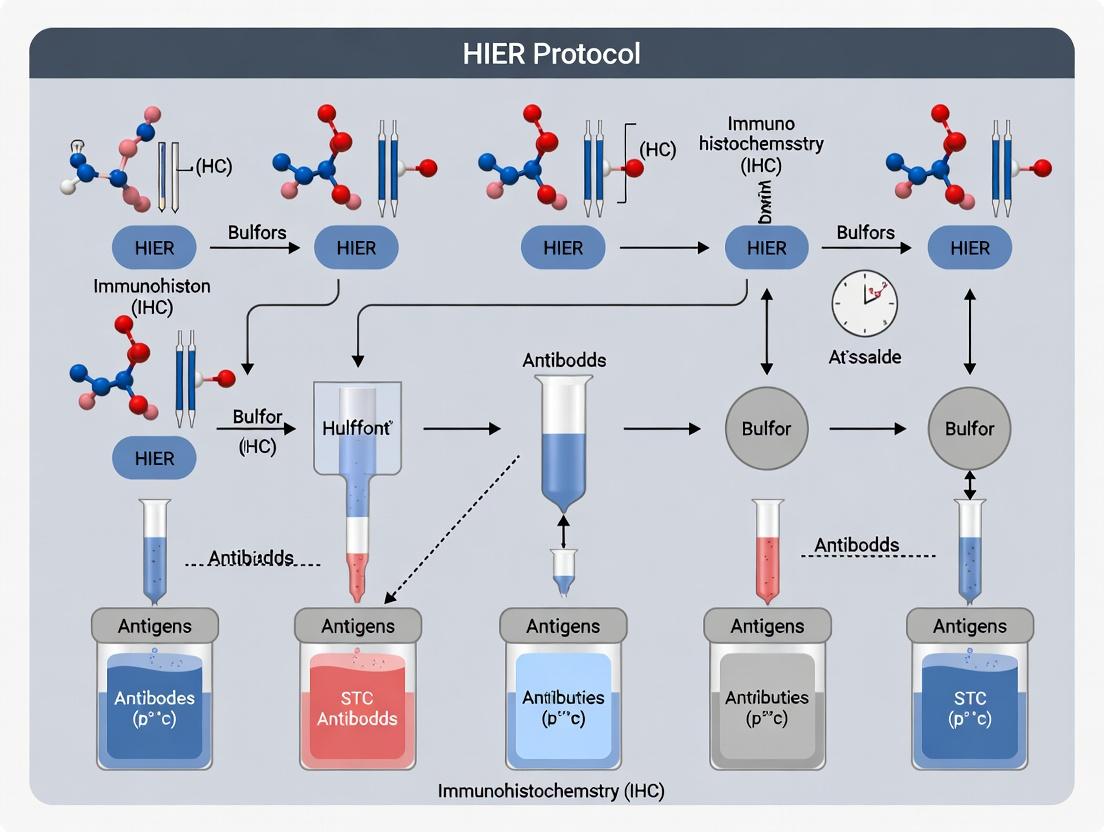
This comprehensive guide details the Heat-Induced Epitope Retrieval (HIER) protocol for immunohistochemistry (IHC), a cornerstone technique in pathology and drug development.
The Ultimate Guide to HIER Protocol for IHC: From Basics to Advanced Optimization in Biomedical Research
Abstract
This comprehensive guide details the Heat-Induced Epitope Retrieval (HIER) protocol for immunohistochemistry (IHC), a cornerstone technique in pathology and drug development. It provides researchers and scientists with a foundational understanding of HIER's mechanism, a precise step-by-step methodological workflow, expert troubleshooting strategies for common pitfalls, and essential validation practices to ensure reproducibility and reliability. The article bridges theory with practical application, empowering professionals to optimize IHC staining for robust biomarker analysis in research and clinical contexts.
Understanding HIER: The Science Behind Unmasking Antigens for Superior IHC Staining
What is HIER? Defining Heat-Induced Epitope Retrieval in Modern IHC
Heat-Induced Epitope Retrieval (HIER) is a critical pretreatment step in immunohistochemistry (IHC) that reverses formaldehyde-induced cross-links in tissue specimens. By applying heat in a buffered solution, HIER exposes masked antigenic epitopes, thereby restoring antibody binding capacity and significantly enhancing the sensitivity and reproducibility of IHC staining. This protocol is foundational for modern diagnostic and research pathology.
Fundamental Principles and Quantitative Optimization Data
The efficacy of HIER is governed by three interdependent variables: temperature, time, and buffer pH/chemistry. The following table summarizes standardized optimization parameters for common antigen classes.
Table 1: Standardized HIER Conditions for Common Antigen Classes
| Antigen Category | Example Targets | Recommended Buffer (pH) | Temperature & Time | Key Rationale |
|---|---|---|---|---|
| Nuclear Proteins | ER, PR, p53, Ki-67 | Tris-EDTA (pH 9.0) | 95-100°C, 20-40 min | High pH effectively breaks methylene cross-links for DNA-associated proteins. |
| Cytoplasmic/Membrane | Cytokeratins, CD3, CD20 | Citrate (pH 6.0) | 95-100°C, 15-30 min | Mild pH is sufficient for many cytoplasmic epitopes; reduces tissue morphology damage. |
| Phospho-Proteins | p-AKT, p-ERK | Tris-EDTA (pH 9.0) | 95-100°C, 20-30 min | High pH is crucial for retrieving delicate phosphorylation epitopes. |
| Challenging Epitopes | FoxP3, CD5 | High-pH (9-10) Commercial Buffer | 120°C (Pressure), 10-15 min | High-temperature/pressure (pressure cooker) for highly cross-linked epitopes. |
Table 2: Impact of HIER Methods on IHC Staining Intensity (Semi-Quantitative H-Score Comparison)
| Retrieval Method | Buffer pH | Average H-Score (0-300) for Ki-67 | Average H-Score (0-300) for Cytokeratin AE1/AE3 | Morphology Preservation (1-5 Scale) |
|---|---|---|---|---|
| No HIER | N/A | 15 ± 5 | 30 ± 10 | 5 (Excellent) |
| Protease-Induced | N/A | 110 ± 20 | 180 ± 25 | 3 (Moderate) |
| HIER (Citrate, pH 6.0) | 6.0 | 185 ± 15 | 250 ± 20 | 4 (Good) |
| HIER (Tris-EDTA, pH 9.0) | 9.0 | 275 ± 10 | 230 ± 25 | 4 (Good) |
| HIER (High-pH, Pressure) | 9.5 | 280 ± 15 | 255 ± 15 | 3 (Moderate) |
Detailed HIER Protocol for IHC Step-by-Step Research
Protocol: Standard Heat-Induced Epitope Retrieval Using a Water Bath or Decloaking Chamber
I. Research Reagent Solutions & Toolkit
| Item | Function & Specification |
|---|---|
| Antigen Retrieval Buffer | 10mM Sodium Citrate (pH 6.0) or 1mM EDTA/10mM Tris (pH 9.0). Breaks protein cross-links. |
| Slide Rack & Coplin Jar | Polypropylene or stainless steel. Must withstand high temperature and pressure. |
| Heating Device | Water bath, steamer, or commercial decloaking chamber/pressure cooker. Provides consistent, controlled heat. |
| Blocking Serum | Normal serum from the host species of the secondary antibody. Reduces non-specific background staining. |
| Primary Antibody Diluent | Antibody-specific buffer, often containing protein and stabilizers. Optimizes antibody binding and stability. |
| pH Meter | Calibrated device. Critical for verifying retrieval buffer pH (±0.1). |
| Adhesive Hydrophobic Pen | Creates a barrier around tissue sections to minimize reagent volume and prevent evaporation. |
II. Step-by-Step Methodology
Deparaffinization & Rehydration:
- Bake slides at 60°C for 20 minutes.
- Immerse slides in fresh xylene (or substitute) 3x, 5 minutes each.
- Rehydrate through graded ethanols: 100% (2x), 95%, 70%, 50% - 2 minutes each.
- Rinse in deionized water for 5 minutes.
Antigen Retrieval Buffer Preparation:
- Prepare 1-2L of chosen retrieval buffer (e.g., 10mM Sodium Citrate, pH 6.0).
- Verify pH and pre-heat the buffer in the retrieval vessel to ~95°C prior to slide insertion.
Heat Application:
- Place slide rack into pre-heated buffer. Ensure slides are fully submerged.
- Cover the vessel and maintain temperature:
- Water Bath/Steamer: 95-100°C for 20 minutes.
- Pressure Decloaker: 110-125°C for 2-10 minutes (follow manufacturer guidelines).
- Avoid boiling or excessive evaporation.
Cooling and Rinsing:
- Remove the vessel from heat and allow it to cool at room temperature for 20-30 minutes. Do not quick-cool on ice, as this can promote non-specific background.
- Gently rinse slides with cool, running deionized water for 1 minute.
- Transfer to Wash Buffer (e.g., 1X PBS or TBS) for 5 minutes.
Proceed to Immunostaining:
- After HIER, proceed immediately to peroxidase blocking (if needed), protein blocking, and application of primary antibody per your standard IHC protocol.
Visualizing HIER Mechanism and Workflow
Title: HIER Reverses Formalin Cross-links to Expose Epitopes
Title: Step-by-Step HIER Protocol Workflow
This application note is situated within a broader thesis on the step-by-step optimization of Heat-Induced Epitope Retrieval (HIER) for Immunohistochemistry (IHC). Formalin fixation, while preserving tissue architecture, creates methylene bridges (-CH2-) between proteins, obscuring antigenic sites. HIER is the pivotal reversal process, with heat and pH as its core operational principles.
Mechanism of Action: Reversal of Cross-Links
Formalin-induced cross-links are primarily methylene bridges between amino acid side chains (e.g., lysine-lysine, lysine-arginine). The reversal is not a simple breaking of C-C or C-N bonds but a hydrolysis reaction.
- Heat (Thermal Energy): Provides the kinetic energy required to overcome the activation barrier for hydrolysis. It increases molecular motion, promoting the collision frequency between water molecules/hydronium ions and the cross-links.
- pH (Chemical Catalyst): Dictates the mechanism of hydrolysis.
- Low pH (<6.0): High [H+] (hydronium ions) catalyzes the reaction via protonation of the cross-link, making the carbon atom more electrophilic and susceptible to nucleophilic attack by water.
- High pH (>8.0): High [OH-] (hydroxide ions) acts as a strong nucleophile, directly attacking the electrophilic carbon in the methylene bridge.
- Neutral pH (6-8): Less efficient, relying primarily on thermal energy and water auto-ionization.
The combined effect of heat and pH leads to the hydrolytic cleavage of methylene bridges, restoring protein conformation and antigen accessibility.
Table 1: Efficacy of Common HIER Buffers at Different pH and Temperatures
| Retrieval Buffer | Typical pH Range | Optimal Temp (°C) | Time (mins) | Primary Mechanism | Common Antigen Targets |
|---|---|---|---|---|---|
| Citrate Buffer | 6.0 ± 0.1 | 95-100 | 20-40 | Acid-Catalyzed Hydrolysis | Nuclear (ER, PR, p53), Cytoplasmic |
| Tris-EDTA | 9.0 ± 0.5 | 95-100 | 20-40 | Nucleophilic Attack (OH-) | Membrane (HER2, CD markers), Cytoplasmic |
| EDTA (alkaline) | 8.0 - 9.0 | 95-100 | 20-40 | Chelates Ca2+/Mg2+, High pH | Tightly cross-linked, nuclear antigens |
| Glycine-HCl | 2.0 - 3.0 | 95-100 | 10-20 | Strong Acid-Catalyzed Hydrolysis | Specific viral antigens, highly masked epitopes |
Table 2: Impact of Retrieval Conditions on IHC Staining Intensity (Semi-Quantitative H-Score)
| Antigen Class | No HIER | Citrate pH 6.0 | Tris-EDTA pH 9.0 | EDTA pH 8.0 |
|---|---|---|---|---|
| Nuclear (Ki-67) | 5-20 | 180-210 | 150-190 | 160-200 |
| Membrane (HER2) | 0-10 | 50-90 | 190-250 | 170-230 |
| Cytoplasmic (CK) | 15-40 | 200-255 | 180-240 | 190-245 |
Detailed Experimental Protocols
Protocol 4.1: Standard HIER Using a Water Bath or Pressure Cooker
Objective: To retrieve antigens in formalin-fixed, paraffin-embedded (FFPE) tissue sections. Materials: See "The Scientist's Toolkit" below. Procedure:
- Deparaffinize and hydrate sections to distilled water.
- Place slides in a slide holder and immerse in pre-heated retrieval buffer (350-400 mL) within a staining jar.
- For water bath: Incubate at 95-100°C for 20 minutes. For pressure cooker: Heat until full pressure is reached, maintain for 2-5 minutes.
- Remove jar from heat and cool at room temperature for 20-30 minutes.
- Rinse slides in distilled water, then transfer to Tris-buffered saline (TBS) or Phosphate-buffered saline (PBS).
- Proceed with standard IHC staining protocol.
Protocol 4.2: Titration of pH for Novel Antigen Retrieval
Objective: To empirically determine the optimal HIER pH for a new antibody target. Materials: A series of 10 mM citrate buffers (pH 4.0, 5.0, 6.0, 7.0) and Tris-EDTA buffers (pH 7.5, 8.0, 9.0, 10.0). Procedure:
- Prepare serial sections of a known positive control FFPE block.
- Perform Protocol 4.1 in parallel, using each pH buffer.
- Perform identical IHC staining on all slides in a single run.
- Compare staining intensity, specificity, and background. The condition yielding the highest signal-to-noise ratio is optimal.
Visualizations
The Scientist's Toolkit
Table 3: Essential Research Reagent Solutions for HIER Protocols
| Item | Function & Importance | Typical Specification/Example |
|---|---|---|
| Citrate Buffer (10mM, pH 6.0) | Most common low-pH retrieval solution. Protonates cross-links for acid-catalyzed hydrolysis. | Sodium citrate tribasic dihydrate, adjust pH with HCl. |
| Tris-EDTA Buffer (10mM/1mM, pH 9.0) | Common high-pH retrieval solution. Hydroxide ions act as nucleophiles; EDTA chelates ions stabilizing cross-links. | Tris base, EDTA disodium salt, adjust pH with HCl. |
| Pressure Cooker / Water Bath | Provides consistent, high-temperature heating. Pressure cookers can achieve >100°C, improving retrieval for tough antigens. | Must maintain stable temperature (±2°C) or consistent pressure cycle. |
| Slide Staining Jars (Coplin) | Holds slides and retrieval buffer during heating. Should be heat-resistant and chemical-resistant. | Glass or polypropylene. |
| pH Meter & Calibration Buffers | Critical for accurate buffer preparation. pH is a primary experimental variable. | Regular calibration at pH 4.01, 7.00, and 10.01 is essential. |
| Humidity Chamber | For post-HIER antibody incubations. Prevents slide dehydration during long IHC steps. | Simple airtight container with moist paper towel. |
| Antibody Diluent | Buffer for reconstituting and diluting primary antibodies. Often contains protein and stabilizers. | Commercially available or lab-made (e.g., PBS with 1% BSA). |
| FFPE Control Tissue Microarray | Contains tissues with known antigen expression. Serves as positive/negative control for HIER and IHC optimization. | Commercial or custom-built. |
In immunohistochemistry (IHC), epitope retrieval (ER) is a critical step to reverse formaldehyde-induced cross-links and expose masked antigenic sites. The two principal methodologies are Heat-Induced Epitope Retrieval (HIER) and Proteolytic-Induced Epitope Retrieval (PIER). This article provides a comparative overview within the context of a comprehensive thesis on optimizing the HIER protocol step-by-step, detailing applications, protocols, and data-driven recommendations for researchers and drug development professionals.
Comparative Mechanism and Application
HIER utilizes heat (typically 95-100°C) in a pH-controlled buffer (e.g., citrate or Tris-EDTA) to hydrolyze cross-links. PIER employs proteolytic enzymes (e.g., trypsin, pepsin) to cleave proteins and physically expose epitopes. The choice of method is epitope- and tissue-dependent.
Table 1: Core Comparison of HIER and PIER
| Parameter | HIER | PIER |
|---|---|---|
| Primary Mechanism | Thermal hydrolysis of methylene bridges. | Enzymatic digestion of peptide bonds. |
| Typical Agents | Citrate buffer (pH 6.0), Tris-EDTA (pH 9.0). | Trypsin, Pepsin, Proteinase K. |
| Temperature | High (95-100°C) | Low (37°C) or Room Temperature |
| Incubation Time | 20-40 minutes | 5-30 minutes |
| Key Advantage | Broad applicability, superior for most formalin-fixed epitopes. | Effective for highly cross-linked or resilient epitopes. |
| Key Limitation | Can damage tissue morphology; pH optimization critical. | Risk of over-digestion, destroying epitopes and tissue architecture. |
| Optimal For | ~80-90% of formalin-fixed paraffin-embedded (FFPE) antigens. | Selected epitopes (e.g., Collagen, Immunoglobulins) and older archives. |
Detailed Protocols
Protocol 1: Standard HIER Protocol (Citrate Buffer, pH 6.0)
This is a foundational protocol for a broad range of nuclear and cytoplasmic antigens.
- Deparaffinization & Hydration: Process slides through xylene and graded ethanol series to water.
- Buffer Preparation: Prepare 10 mM Sodium Citrate Buffer, pH 6.0. Add 0.05% Tween 20 to enhance wetting.
- Heating: Place slides in a coplin jar filled with preheated buffer. Use a pressure cooker, microwave, or steamer. Maintain at 95-100°C for 20 minutes.
- Cooling: Remove the container from heat and allow it to cool at room temperature for 20-30 minutes.
- Rinse: Rinse slides in distilled water, then transfer to PBS or TBS wash buffer.
- Proceed to immunohistochemical staining (blocking, primary antibody incubation, etc.).
Protocol 2: Standard PIER Protocol (Trypsin)
Used for select antigens refractory to HIER.
- Deparaffinization & Hydration: As per Protocol 1.
- Enzyme Solution: Prepare 0.1% Trypsin in 0.1% CaCl₂ solution (pH 7.8). Pre-warm to 37°C.
- Digestion: Apply sufficient solution to cover tissue sections. Incubate in a humidified chamber at 37°C for 10-15 minutes. Optimization Note: Time must be empirically determined for each tissue type.
- Inhibition: Rinse slides thoroughly in PBS to stop enzymatic activity.
- Rinse: Rinse in distilled water, then transfer to wash buffer.
- Proceed to immunohistochemical staining.
Visualizations
Diagram 1: HIER vs PIER Experimental Workflow (86 chars)
Diagram 2: Epitope Retrieval Mechanism Comparison (55 chars)
The Scientist's Toolkit: Key Research Reagent Solutions
Table 2: Essential Reagents for Epitope Retrieval
| Item | Function | Example/Note |
|---|---|---|
| Citrate-Based Buffer (pH 6.0) | Low-pH retrieval solution for HIER. Optimal for many nuclear antigens (e.g., ER, PR, p53). | Sodium citrate dihydrate, Citric acid. |
| Tris-EDTA/EGTA Buffer (pH 9.0) | High-pH retrieval solution for HIER. Optimal for many membrane and cytoplasmic antigens. | Tris base, EDTA, EGTA. |
| Trypsin (0.05-0.1%) | Serine protease for PIER. Digests peptide bonds at lysine/arginine. | Must be aliquoted and stored at -20°C; requires Ca²⁺ for activity. |
| Pepsin (0.1-0.5%) | Acidic protease for PIER. Effective in low-pH environments (e.g., HCl). | Used for extracellular matrix and some intracellular antigens. |
| Proteinase K | Broad-spectrum serine protease for PIER. Used for highly resistant epitopes. | Requires careful titration to prevent tissue damage. |
| HIER Heating Device | Provides consistent, high-temperature heating. Critical for reproducible HIER. | Pressure cooker, microwave with temperature probe, commercial decloaking chamber. |
| Humidified Incubation Chamber | Prevents evaporation of reagents during PIER or antibody incubations. | Essential for maintaining enzyme activity during PIER. |
| pH Meter | Calibrated instrument for verifying buffer pH. Critical for HIER optimization. | pH inaccuracy is a major source of HIER failure. |
Within the systematic study of HIER protocol for IHC, a critical initial decision point is the choice of antigen retrieval method. Heat-Induced Epitope Retrieval (HIER) has become the predominant technique, but its application must be strategically aligned with target antigen characteristics. This application note details the scenarios where HIER is the optimal choice, supported by current experimental data and detailed protocols.
When to Choose HIER: Target Antigen Profiles
HIER is most effective for a broad spectrum of antigens, particularly those affected by formalin-induced methylene bridge cross-linking. The decision matrix below outlines key antigen categories.
| Target Antigen Category | Example Antigens | Recommended HIER Buffer (pH) | Typical Heating Time/Conditions | Primary Rationale for HIER Choice |
|---|---|---|---|---|
| Nuclear Proteins | ER, PR, p53, Ki-67, AR | Citrate (pH 6.0) | 20-40 min at 95-100°C | Efficient reversal of cross-links on DNA-binding proteins. |
| Transmembrane Proteins | HER2, EGFR, CD20 | Tris-EDTA (pH 9.0) | 20-30 min at 95-100°C | Superior for retrieving conformationally sensitive extracellular domains. |
| Cytoplasmic & Cytoskeletal | Cytokeratins, Vimentin | Citrate (pH 6.0) | 15-30 min at 95-100°C | Reliable for abundant, often densely packed, intermediate filaments. |
| Phospho-Specific Epitopes | p-ERK, p-AKT, p-STAT | Citrate (pH 6.0) or Tris-EDTA (pH 9.0) | 20-30 min at 95-100°C | High pH often critical for recovering phosphorylation sites. |
| Viral & Bacterial Antigens | HPV E6/E7, EBV-LMP1 | Tris-EDTA (pH 9.0) | 15-25 min at 95-100°C | Effective for densely packed viral protein aggregates. |
Table 1: Comparative data on HIER conditions for major antigen categories. Conditions may require optimization based on specific antibody and tissue type.
Why Choose HIER: Advantages Over Alternative Methods
- Superior Intensity and Consistency: For most formalin-fixed, paraffin-embedded (FFPE) targets, HIER provides stronger and more uniform staining compared to Protease-Induced Epitope Retrieval (PIER).
- Broader Antigen Compatibility: HIER is effective for a wider range of proteins, especially nuclear and transmembrane targets often damaged by enzymatic digestion.
- Gentler on Tissue Morphology: When optimized, HIER preserves tissue architecture better than enzymatic methods, which can cause over-digestion and tissue detachment.
- Tunable Stringency: The combination of buffer pH, heating time, and temperature allows precise optimization for "difficult" epitopes.
Detailed Protocol: Standardized HIER for Nuclear Antigens (e.g., Ki-67)
This protocol is integral to the step-by-step HIER research thesis, establishing a baseline for optimization.
1. Deparaffinization and Rehydration:
- Cut 4-5 μm FFPE sections onto charged slides. Dry at 60°C for 1 hour.
- Deparaffinize in xylene (or substitute), 2 changes, 5 minutes each.
- Rehydrate through graded ethanols: 100% (2x), 95%, 80%, 70% (2 minutes each).
- Rinse in distilled water for 5 minutes.
2. Heat-Induced Epitope Retrieval:
- Fill a heat-resistant container with 1-3 mM Citrate Buffer (pH 6.0). Use enough to cover slides.
- Place slides in a plastic or metal rack and submerge in pre-warmed buffer.
- Using a decloaking chamber or pressure cooker, heat at 95-100°C (steamer) or 120-125°C (pressure cooker) for 20 minutes.
- Critical: Allow the container to cool at room temperature for 20-30 minutes until the buffer is below 35°C.
3. Immunostaining (Post-HIER):
- Rinse slides in PBS (pH 7.4) for 5 minutes.
- Proceed with endogenous peroxidase blocking, protein blocking, and primary antibody (e.g., anti-Ki-67) incubation per standard IHC protocols.
Visualization of HIER Decision Logic and Workflow
IHC Antigen Retrieval Method Decision Tree
Standard HIER Protocol Core Workflow
The Scientist's Toolkit: Essential Research Reagents for HIER Optimization
| Reagent / Material | Function & Rationale |
|---|---|
| Citrate Buffer (10mM, pH 6.0) | Standard retrieval solution for many nuclear and cytoplasmic antigens. Mild pH is safe for most tissues and antibodies. |
| Tris-EDTA Buffer (10mM, pH 9.0) | High-pH buffer optimal for transmembrane proteins, phospho-epitopes, and viral antigens. Chelates divalent cations. |
| Decloaking Chamber / Pressure Cooker | Provides consistent, high-temperature heating critical for efficient reversal of cross-links. Essential for standardization. |
| Low Ionic Strength Buffer (e.g., 1mM EDTA, pH 8.0) | Used for highly sensitive epitopes; reduces background by minimizing non-specific ionic interactions. |
| HIER Additives (e.g., 0.05% Tween 20) | Mild detergent added to retrieval buffer to reduce surface tension and improve reagent penetration into tissue. |
| Slide Rack (Plastic or Metal, Heat-Resistant) | Holds slides during retrieval. Plastic is inert; metal provides better heat conduction. Must withstand boiling. |
| Superfrost Plus or Charged Slides | Ensures optimal tissue adhesion during aggressive heating steps, preventing detachment. |
Heat-Induced Epitope Retrieval (HIER) is a critical step in immunohistochemistry (IHC) that reverses formaldehyde-induced cross-links, thereby exposing masked epitopes for antibody binding. The choice of retrieval buffer, its pH, and its chemical composition are the most influential variables in the HIER protocol, directly determining the success or failure of staining. This document details the essential buffer systems, their roles, and optimized protocols for HIER within a step-by-step research thesis on IHC optimization.
Core Buffer Systems: Composition, Mechanism, and Applications
Chemical Properties and Retrieval Mechanisms
- Citrate-Based Buffers (e.g., 10mM Sodium Citrate, pH 6.0): The acidic pH and the chelating ability of citrate help break calcium-dependent protein cross-links. It is particularly effective for many nuclear and cytoplasmic antigens (e.g., ER, PR, p53).
- Tris-EDTA-Based Buffers (e.g., 10mM Tris, 1mM EDTA, pH 9.0): The alkaline pH and potent chelator EDTA (Ethylenediaminetetraacetic acid) disrupt a wider range of molecular cross-links. It is often superior for membrane proteins, transcription factors, and challenging nuclear antigens (e.g., Ki-67, Cyclin D1).
- TE Buffer (10mM Tris, 1mM EDTA, pH ~8.0): A variant often used in molecular biology, it can be applied in HIER for specific targets, leveraging Tris's buffering capacity and EDTA's metal ion chelation at a near-neutral pH.
Quantitative Buffer Comparison
Table 1: Comparative Analysis of Common HIER Buffers
| Buffer Component | Typical pH Range | Primary Retrieval Mechanism | Best For Antigen Types | Key Consideration |
|---|---|---|---|---|
| Sodium Citrate | 6.0 - 6.2 | Acid hydrolysis, mild chelation | Nuclear, cytoplasmic, many breast markers | May be too gentle for heavily cross-linked FFPE tissues. |
| Tris-EDTA | 8.0 - 9.0 | Alkaline hydrolysis, aggressive chelation | Membrane-bound, nuclear, phospho-antigens | High pH may damage tissue morphology; requires optimization. |
| Tris-EDTA (pH 9.0) | 9.0 | Alkaline hydrolysis & strong chelation | Challenging nuclear, viral, some CD markers | Considered a "strong" retrieval solution. |
| TE Buffer | 8.0 | Moderate chelation & buffering | Specific targets requiring neutral-high pH | Less common; requires empirical validation. |
Detailed HIER Protocols
Protocol A: Standard Citrate Buffer HIER (pH 6.0)
Research Reagent Solutions:
- 10mM Sodium Citrate Buffer (pH 6.0): Retrieval fluid for epitope unmasking.
- Deionized Water: For buffer preparation and rinsing.
- 3% Hydrogen Peroxide (H₂O₂): To quench endogenous peroxidase activity (for HRP-based detection).
- Phosphate-Buffered Saline (PBS) (pH 7.4): For washing and as a diluent.
- Normal Serum or Protein Block: To reduce non-specific background staining.
- Humidified Slide Chamber: Prevents evaporation during antibody incubation.
Methodology:
- Deparaffinization & Hydration: Bake slides at 60°C for 20 min. Deparaffinize in xylene (3 changes, 5 min each). Hydrate through graded ethanol (100%, 95%, 70% - 2 min each) to deionized water.
- Retrieval Buffer Preparation: Dissolve 2.94g of trisodium citrate dihydrate in 1L of deionized water. Adjust pH to 6.0 with HCl.
- Heat Retrieval: Place slides in a pre-filled, heat-resistant container with citrate buffer. Heat in a pressure cooker, steamer, or microwave until the buffer reaches 95-100°C (or 121°C for pressure cooking). Maintain at sub-boiling/boiling temperature for 15-20 minutes.
- Cooling: Remove the container from heat and allow it to cool at room temperature for 20-30 minutes.
- Rinsing: Rinse slides gently in running deionized water, then wash in PBS (pH 7.4) for 5 min.
- Proceed to peroxidase blocking and primary antibody incubation.
Protocol B: High-pH Tris-EDTA HIER (pH 9.0)
Research Reagent Solutions:
- Tris-EDTA Buffer (10mM Tris, 1mM EDTA, pH 9.0): High-pH retrieval solution.
- Chemical or Heat-Resistant Slide Rack/Cassette: For safe handling during heating.
- Coplin Jars or Plastic Staining Dish: For buffer incubation.
- PBS-Tween 20 (0.05% Tween): Washing buffer to reduce background.
- Target Retrieval System (e.g., Decloaking Chamber, Water Bath): For controlled heating.
Methodology:
- Deparaffinization & Hydration: As per Protocol A, Step 1.
- Retrieval Buffer Preparation: Add 1.21g Tris base and 0.37g EDTA (disodium salt) to 1L deionized water. Adjust pH to 9.0 with NaOH or HCl.
- Heat Retrieval: Preheat retrieval system. Immerse slides in Tris-EDTA buffer. For a pressure cooker/decloaker: Heat to 121°C, hold for 2-10 minutes. For a water bath or steamer: Maintain at 95-100°C for 20-30 minutes.
- Cooling & Washing: Cool to room temperature (~30 min). Wash slides in PBS (pH 7.4) for 5 min, followed by PBS-Tween for an additional 5 min.
- Proceed to downstream IHC steps.
Visualizing the HIER Decision Pathway
Title: HIER Buffer Selection Decision Tree
The Scientist's Toolkit: Key Reagents for HIER & IHC
Table 2: Essential Research Reagent Solutions for HIER Protocol Development
| Item | Function in HIER/IHC |
|---|---|
| Sodium Citrate Dibasic | Primary component of low-pH retrieval buffer; chelates calcium ions. |
| Tris Base (Tris(hydroxymethyl)aminomethane) | Primary buffering agent for high-pH retrieval solutions. |
| EDTA (Disodium Salt) | Potent chelator of divalent cations (Mg²⁺, Ca²⁺); disrupts cross-links. |
| pH Meter & Calibration Buffers | Critical for accurate adjustment of retrieval buffer pH (±0.1). |
| Heat-Induced Retrieval Device | Pressure cooker, steamer, or commercial decloaker for controlled heating. |
| Hydrophobic Barrier Pen | Creates a barrier around tissue sections to minimize reagent volume. |
| Antibody Diluent (with Protein) | Stabilizes primary and secondary antibodies; reduces non-specific binding. |
| Detection Kit (HRP/DAB or AP/Red) | Enzymatic visualization system for the target antigen. |
| Hematoxylin Counterstain | Stains nuclei, providing histological context. |
| Aqueous Mounting Medium | Preserves stain and enables high-resolution microscopy. |
Step-by-Step HIER Protocol: A Detailed Laboratory Guide for Consistent Results
Application Notes Optimal pre-HIER (Heat-Induced Epitope Retrieval) processing is critical for successful immunohistochemistry (IHC). Formalin-fixed, paraffin-embedded (FFPE) tissues require meticulous removal of the embedding medium and restoration to an aqueous state to permit antibody-antigen interaction. Inadequate deparaffinization results in hydrophobic barriers, uneven heating during HIER, and high non-specific background. Rehydration prepares the tissue matrix for the subsequent aqueous-based retrieval buffer. This phase is foundational to the broader HIER protocol, directly impacting epitope accessibility and staining reproducibility.
Protocols
1. Protocol for Section Drying Objective: To securely adhere tissue sections to slides, preventing detachment during aggressive retrieval steps. Detailed Methodology: 1. Cut FFPE tissue sections at 3-5 µm thickness using a microtome. 2. Float sections on a warm water bath (40-45°C) to remove wrinkles. 3. Mount sections onto positively charged or poly-L-lysine-coated glass slides. 4. Drain excess water and incubate slides upright in a slide rack. 5. Dry slides in a 60°C oven for a minimum of 60 minutes, or overnight at 37°C. Forced-air ovens are preferred. 6. Cool slides to room temperature before proceeding. Dried slides can be stored desiccated at room temperature for several weeks.
2. Protocol for Deparaffinization and Rehydration Objective: To completely remove paraffin wax and gradually hydrate the tissue through a graded series of alcohols to water. Detailed Methodology: 1. Place dried slides in a metal or glass slide rack. 2. Immerse the rack sequentially in Coplin jars or automated stainer baths as follows: * Xylene (or Xylene substitute): 2 x 5-10 minutes each. * 100% Ethanol: 2 x 2-3 minutes each. * 95% Ethanol: 1 x 2-3 minutes. * 80% Ethanol: 1 x 2-3 minutes. * 70% Ethanol: 1 x 2-3 minutes. 3. Rinse slides in running distilled or deionized water for 5 minutes. 4. Transfer slides to the chosen HIER buffer (e.g., citrate pH 6.0, Tris-EDTA pH 9.0) immediately. Do not allow sections to dry at any point after rehydration.
Quantitative Data Summary: Impact of Drying Time on Section Adhesion
| Drying Condition | Temperature (°C) | Minimum Time (minutes) | Section Loss Rate (%)* | Recommendation |
|---|---|---|---|---|
| Oven Drying | 60 | 60 | <5% | Optimal balance of speed & adhesion |
| Oven Drying | 37 | 720 (Overnight) | <2% | For delicate tissues |
| Ambient Drying | 22 | 240+ | 15-30% | Not recommended for HIER |
*Hypothetical data based on common laboratory benchmarks. Rate varies by tissue type and slide coating.
The Scientist's Toolkit: Essential Reagents for Pre-HIER Processing
| Reagent / Material | Primary Function |
|---|---|
| Positively Charged Slides | Provides electrostatic adhesion for tissue sections, preventing detachment during HIER. |
| Xylene or Xylene Substitutes | Non-polar solvent for efficient, complete dissolution of paraffin wax. |
| Absolute (100%) Ethanol | Removes xylene and initiates the hydration process. |
| Graded Ethanol Series (95%, 80%, 70%) | Gradually hydrates tissue to prevent morphological distortion and shock. |
| HIER Buffer (e.g., Citrate pH 6.0) | Aqueous retrieval solution. Slides must be transferred to it immediately after rehydration. |
Diagram: Pre-HIER Processing Workflow for FFPE IHC
Heat-Induced Epitope Retrieval (HIER) is a critical step in immunohistochemistry (IHC) to reverse formaldehyde-induced crosslinks and unmask antigens. The choice of retrieval buffer is not universal and is a primary variable influencing staining outcomes. This application note, framed within a broader thesis on optimizing HIER protocols, provides a detailed comparison of two widely used buffers: Sodium Citrate (pH 6.0) and Tris-EDTA/Tris-Acetate (pH 9.0). Selection is antigen-dependent and hinges on the chemical nature of the crosslinks and the stability of the target epitope at different pH levels.
Buffer Comparison: Mechanism & Application Data
Table 1: Core Properties and Recommended Applications
| Parameter | Citrate Buffer (pH 6.0) | Tris-EDTA/TA Buffer (pH 9.0) |
|---|---|---|
| Chemical Basis | Weaker chelator (citrate); primarily disrupts protein-formaldehyde crosslinks via hydrolysis. | Strong chelator (EDTA); disrupts protein-calcium bridges and crosslinks via combined hydrolysis and chelation. |
| Typical Antigens | Nuclear antigens (ER, PR, p53), Cytoplasmic, some membrane proteins. | Membrane proteins (CD markers), Cytoplasmic, many nuclear transcription factors. |
| Primary Use Case | Phosphorylated epitopes, antigens sensitive to high pH. | Highly crosslinked, formalin-resistant antigens. |
| Tissue Preservation | Generally better for tissue morphology. | Can be harsher; may compromise morphology in over-retrieved samples. |
| Compatibility | Compatible with most detection systems. | Not compatible with EDTA-sensitive detection systems (verify enzyme-metal ion requirements). |
Table 2: Empirical Performance Summary from Cited Studies
| Study Focus | Citrate pH 6.0 Outcome | Tris-EDTA pH 9.0 Outcome | Conclusion |
|---|---|---|---|
| Nuclear Antigens (e.g., ER) | Strong, specific nuclear staining with low background. | Often weaker or negative staining. | Citrate pH 6.0 is standard for many nuclear hormone receptors. |
| Membrane Antigens (e.g., CD20) | Moderate to weak staining, may be insufficient. | Intense, crisp membrane staining with high signal-to-noise. | High-pH buffer is superior for many lymphocyte surface markers. |
| Phospho-epitopes (e.g., pMAPK) | Robust signal preservation. | May denature sensitive phosphorylated epitopes. | Neutral to low pH is critical for labile post-translational modifications. |
| Crosslinked Cytokeratins | Adequate for some (e.g., CK7). | Consistently stronger for most (e.g., CK5/6, CK20). | High-pH retrieval is more effective for heavily crosslinked intermediate filaments. |
Detailed Experimental Protocols
Protocol 1: Standard HIER Using Citrate Buffer (pH 6.0)
- Objective: To retrieve pH-sensitive and many nuclear antigens from FFPE tissue sections.
- Materials:
- Sodium Citrate Buffer (10mM, pH 6.0): Dissolve 2.94g of trisodium citrate dihydrate in 1L of distilled water. Adjust pH to 6.0 with 1M HCl.
- Pressure Cooker or Decloaking Chamber.
- Staining Racks and Coplin Jars.
- Procedure:
- Deparaffinize and hydrate FFPE sections to distilled water.
- Fill the retrieval chamber with citrate buffer and preheat.
- Place slides in a rack and submerge in the preheated buffer.
- Perform retrieval: 15-20 minutes at 95-100°C (water bath) OR 2-5 minutes at ~120°C (pressure cooker).
- Remove chamber from heat and cool at room temperature for 20-30 minutes.
- Rinse slides in distilled water, then proceed to IHC staining (blocking, primary antibody incubation, etc.).
Protocol 2: Standard HIER Using Tris-EDTA Buffer (pH 9.0)
- Objective: To retrieve highly crosslinked, formalin-resistant antigens, especially membrane proteins.
- Materials:
- Tris-EDTA Buffer (10mM Tris Base, 1mM EDTA, pH 9.0): Dissolve 1.21g Tris base and 0.37g EDTA disodium salt in 1L distilled water. Adjust pH to 9.0 with 1M HCl or NaOH.
- Pressure Cooker or Decloaking Chamber.
- Staining Racks and Coplin Jars.
- Procedure:
- Deparaffinize and hydrate FFPE sections to distilled water.
- Fill the retrieval chamber with Tris-EDTA buffer and preheat.
- Place slides in a rack and submerge in the preheated buffer.
- Perform retrieval: 20-30 minutes at 95-100°C (water bath) OR 2-5 minutes at ~120°C (pressure cooker). Note: Times may be extended vs. citrate.
- Cool the slides in the buffer at room temperature for 20-30 minutes.
- Rinse slides in Tris-buffered saline (TBS) or PBS (pH 7.4-7.6), then proceed to IHC staining.
Visualizations
Title: HIER Buffer Selection Decision Tree
Title: IHC HIER Protocol Core Workflow
The Scientist's Toolkit: Essential Research Reagent Solutions
Table 3: Key Materials for HIER Buffer Optimization Experiments
| Item | Function / Relevance |
|---|---|
| Sodium Citrate (Dihydrate) | Primary buffer component for low-pH retrieval. Chelates calcium ions and facilitates hydrolysis of crosslinks. |
| Tris Base | Primary buffer component for high-pH retrieval. Maintains alkaline pH crucial for breaking methylene bridges. |
| EDTA Disodium Salt | Strong chelator used in high-pH buffers. Disrupts protein-metal ion complexes, aiding in epitope unmasking. |
| pH Meter & Standard Buffers | Critical for accurate and reproducible buffer preparation at pH 6.0 and pH 9.0. |
| Pressure Cooker / Decloaker | Provides consistent, high-temperature (120°C) retrieval, often essential for difficult antigens. |
| Water Bath or Steamer | Alternative for lower-temperature (95-100°C) retrieval, suitable for more labile antigens. |
| Validated Positive Control Tissues | Tissues known to express target antigens at varying levels. Essential for comparing buffer efficacy. |
| Antibody Diluent | Optimized buffer for primary antibody stability and specificity post-HIER. |
| HRP or AP Polymer Detection System | Enzymatic detection kits. Compatibility with retrieval buffer must be confirmed (especially EDTA interference with HRP). |
Heat-Induced Epitope Retrieval (HIER) is a critical step in immunohistochemistry (IHC) that reverses formaldehyde-induced cross-links, thereby unmasking antigens for antibody binding. The choice of retrieval equipment profoundly impacts the efficiency, consistency, and quality of staining. These application notes provide a comparative analysis and detailed protocols for the four primary HIER platforms, framed within a step-by-step IHC research workflow.
Comparative Analysis of HIER Equipment
The selection of equipment involves trade-offs between retrieval efficacy, throughput, consistency, and cost. Quantitative performance data is summarized below.
Table 1: Performance Comparison of HIER Equipment
| Equipment | Typical Temperature Range | Typical Time Range | Throughput | Consistency / Uniformity | Antigen Preservation | Upfront Cost |
|---|---|---|---|---|---|---|
| Pressure Cooker | 120-125°C | 2-10 minutes | Medium | High | Excellent for robust antigens | Low |
| Microwave | 95-100°C | 10-20 minutes (cycled) | Medium | Medium (requires monitoring) | Good, risk of drying/boil-over | Very Low |
| Water Bath | 95-100°C | 20-45 minutes | High | High | Excellent, gentle heating | Low |
| Decloaking Chamber | 110-125°C (pressurized) / 95-100°C (non-press.) | 5-30 minutes | High | Very High | Excellent, programmable | High |
Table 2: Recommended Retrieval Buffers & pH by Equipment
| Retrieval Buffer | pH Range | Common Use Case | Best Suited Equipment |
|---|---|---|---|
| Citrate Buffer | 6.0 | Broad range of nuclear & cytoplasmic antigens | All, esp. Pressure Cooker & Microwave |
| Tris-EDTA/EGTA | 8.0-9.0 | Difficult, cross-linked antigens; membrane proteins | Pressure Cooker, Decloaking Chamber |
| EDTA alone | 8.0 | A subset of nuclear antigens | Water Bath, Decloaking Chamber |
Detailed Experimental Protocols
Protocol 1: HIER Using a Domestic Pressure Cooker
Principle: Superheating of retrieval buffer under pressure achieves rapid, high-temperature unmasking.
- Preparation: Fill the pressure cooker with 1-2 inches of water. Place the rack inside. Pre-heat on high until steam is consistently released.
- Slide Setup: Deparaffinize and rehydrate tissue sections. Place slides in a metal slide rack.
- Buffer Addition: Fill a heat-resistant staining dish with 200-250 mL of pre-warmed retrieval buffer (e.g., Citrate pH 6.0). Submerge slide rack.
- Retrieval: Carefully place the dish on the rack in the pressure cooker. Lock the lid, ensuring the steam vent is open. Once a steady jet of steam is released (approx. 5-7 min), time for 2.5 minutes.
- Cooling: Use the quick-release method per manufacturer instructions. Immediately transfer the staining dish to a cool water bath. Let slides cool in buffer for 20 minutes before proceeding to immunohistochemical staining.
Protocol 2: HIER Using a Laboratory Microwave
Principle: Dielectric heating provides rapid temperature rise; cycling maintains temperature while preventing boil-over.
- Preparation: Deparaffinize and rehydrate tissue sections.
- Setup: Place slides in a plastic Coplin jar or a dedicated microwave slide rack. Fill with retrieval buffer (e.g., Tris-EDTA, pH 9.0). Loosely cap the jar.
- Retrieval: Microwave at full power (800-1000W) until the buffer boils (approx. 2-3 min). Reduce power to 20-30%. Cycle for 10 minutes ON, 5 minutes OFF to maintain sub-boiling temperature. Ensure slides remain submerged.
- Cooling: Remove the container from the microwave and let it cool at room temperature for 30 minutes. Rinse slides in distilled water before staining.
Protocol 3: HIER Using a Temperature-Controlled Water Bath
Principle: Gentle, uniform heating at sub-boiling temperatures minimizes tissue damage.
- Preparation: Preheat a calibrated water bath to 95-98°C.
- Slide Setup: Deparaffinize and rehydrate tissue sections. Place slides in a metal rack.
- Buffer Pre-heat: Preheat a staining dish filled with retrieval buffer (e.g., Citrate pH 6.0) in the water bath for 20 minutes.
- Retrieval: Submerge the slide rack in the pre-heated buffer. Incubate for 25 minutes, ensuring the bath temperature recovers and stabilizes.
- Cooling: Lift the entire rack out of the buffer and place it into a room-temperature water bath. Cool for 20 minutes. Proceed to washing and staining.
Protocol 4: HIER Using a Commercial Decloaking Chamber
Principle: Automated, pressurized steam environment ensures maximal reproducibility.
- Preparation: Fill the chamber's reservoir with distilled water as per the manufacturer's manual. Preheat the chamber to the desired temperature (e.g., 110°C for pressurized mode).
- Programming: Select the appropriate pre-programmed method or enter parameters: Temperature: 110°C, Pressure: High, Time: 10 minutes, Cool Down: 5 minutes.
- Slide Setup: Deparaffinize and rehydrate slides. Place in a metal rack and submerge in pre-filled buffer chambers (e.g., EDTA pH 8.0).
- Retrieval: Load the buffer chamber into the preheated Decloaking Chamber. Start the cycle. The chamber will pressurize, heat, hold, and depressurize automatically.
- Completion: Once the cycle is complete and the chamber is safe to open, remove slides. Cool at room temperature for 15 minutes in buffer. Rinse and begin staining.
Visualizations
Title: HIER Mechanism in IHC Workflow
Title: HIER Equipment Selection Workflow
The Scientist's Toolkit: Key Research Reagent Solutions
Table 3: Essential Materials for HIER Protocols
| Item | Function & Importance | Example Product/Catalog |
|---|---|---|
| Sodium Citrate Buffer (10x, pH 6.0) | The most common retrieval solution. Low pH is ideal for many nuclear antigens (e.g., ER, PR, p53). | Citrate Buffer, Antigen Retrieval Solution (Abcam, ab93678) |
| Tris-EDTA Buffer (10x, pH 9.0) | High-pH buffer for retrieving challenging epitopes, especially membrane proteins and phosphorylated targets. | Tris-EDTA Buffer (Sigma-Aldrich, T9285) |
| EDTA Solution (pH 8.0) | Alternative high-pH retrieval agent, effective for some nuclear antigens like MIB-1 (Ki-67). | EDTA Disodium Salt Solution (Thermo Fisher, 00-5500) |
| HIER-Compatible Slide Rack (Metal) | Holds slides during retrieval; must withstand high heat and pressure without corrosion. | Coplin Jar, Metal (StatLab, 100) |
| Positive Control Tissue Microarray (TMA) | Contains cores of tissues with known antigen expression to validate retrieval efficacy for multiple targets. | Multitumor TMA (US Biomax, MC961) |
| Humidified Slide Chamber | Essential for incubating slides with primary antibody after retrieval, preventing evaporation. | Immunohistochemistry Incubation Tray (DAKO, S2002) |
| Heat-Resistant Staining Dishes | Container for slides and retrieval buffer during heating in pressure cookers or water baths. | Glass Staining Dish with Removable Rack (Thermo Fisher, 12-140B) |
| pH Meter & Calibration Standards | Critical for verifying the exact pH of prepared retrieval buffers, as pH is a key variable. | Professional Benchtop pH Meter (Mettler Toledo, SevenExcellence) |
Heat-Induced Epitope Retrieval (HIER) is a critical, standardized step in immunohistochemistry (IHC) that reverses formaldehyde-induced protein cross-linking, thereby unmasking antigens for antibody binding. Within the broader step-by-step HIER research protocol, the heating phase is the most variable and influential parameter. The precise control of time and temperature during this phase directly dictates the efficacy of epitope retrieval, impacting signal intensity, specificity, and background staining. This application note details the experimental optimization of time-temperature profiles to achieve optimal retrieval for a diverse range of protein targets.
Recent studies and vendor application guides emphasize that no universal setting exists; optimization is target-dependent. The following table consolidates recommended starting points for various antigen classes based on current literature and reagent manuals.
Table 1: Recommended HIER Time-Temperature Starting Profiles for Common Antigen Classes
| Antigen Class / Example Targets | Recommended Buffer (pH) | Temperature Range (°C) | Time Range (Minutes) | Key Rationale / Consideration |
|---|---|---|---|---|
| Nuclear Transcription Factors (e.g., p53, ER, PR, Ki-67) | Tris-EDTA (pH 9.0) or Citrate (pH 6.0) | 95-100 | 20-40 | Requires robust unmasking; higher pH often beneficial for phosphorylated epitopes. |
| Cytoplasmic & Structural (e.g., Cytokeratins, Vimentin, GFAP) | Citrate (pH 6.0) | 95-100 | 15-30 | Moderate retrieval sufficient; over-retrieval can damage tissue morphology. |
| Membrane Proteins (e.g., HER2, CD20, EMA) | Tris-EDTA (pH 9.0) | 95-100 | 20-30 | Careful balance needed to expose epitopes without destroying protein integrity. |
| Phospho-specific Epitopes (e.g., p-AKT, p-ERK) | Tris-EDTA (pH 9.0) | 95-100 | 30-40 | High pH and extended time often critical for revealing labile phosphorylation sites. |
| Immune Cell Markers (Many) (e.g., CD3, CD8, CD45RO) | Citrate (pH 6.0) or Tris-EDTA (pH 9.0) | 95-100 | 15-25 | Variable; dependent on specific clone and epitope location. Empirical testing required. |
Table 2: Impact of Sub-Optimal Heating Phase Parameters on IHC Results
| Parameter Deviation | Typical Effect on Staining | Potential Consequence |
|---|---|---|
| Temperature Too Low (< 92°C) | Weak or False-Negative Signal | Incomplete reversal of methylene bridges, epitope remains masked. |
| Time Too Short (< 10 min at 97°C) | Inconsistent, Patchy Staining | Non-uniform retrieval across tissue section and depth. |
| Temperature/Time Excessive (>> 100°C, > 60 min) | High Background, Tissue Damage | Over-denaturation, non-specific antibody binding, tissue detachment. |
| Inadequate Buffer Volume | Gradient Staining (Edge Effects) | Evaporation or uneven heat transfer during the heating phase. |
Experimental Protocols for Optimization
Protocol 1: Gridded Time-Temperature Optimization Experiment
Objective: To empirically determine the optimal heating phase conditions for a novel or finicky antibody.
Materials: (See "The Scientist's Toolkit" Section 5). Workflow:
- Sectioning: Cut serial sections (4-5 μm) from a well-characterized, multi-tissue block (e.g., tonsil, carcinoma TMA) containing known positive and negative tissues for the target.
- Deparaffinization & Hydration: Follow standard protocol: Xylene (2 x 5 min) → 100% Ethanol (2 x 3 min) → 95% Ethanol (2 x 3 min) → 70% Ethanol (2 x 3 min) → dH₂O rinse.
- Buffer Preparation: Prepare two standard retrieval buffers: Sodium Citrate (10mM, pH 6.0) and Tris-EDTA (10mM, pH 9.0).
- Heating Phase Grid Setup:
- Use a digital water bath or programmable pressure cooker/steamer.
- Design a grid varying Time (e.g., 10, 20, 30, 40 min) and Temperature (e.g., 92°C, 97°C, 100°C, 102°C).
- For each buffer, process slides through all time-temperature combinations.
- Retrieval Execution:
- Place slides in a pre-filled, pre-heated (to target temp) Coplin jar or slide holder with sufficient buffer volume (> 350 ml for 40 slides).
- Maintain target temperature (± 1°C) precisely for the designated time.
- After heating, cool the container to room temperature in the buffer for 20-30 minutes.
- Post-Retrieval: Rinse slides in running dH₂O, then transfer to IHC wash buffer (e.g., TBS/Tween).
- Downstream Staining: Proceed with identical IHC protocol (peroxidase blocking, primary antibody incubation, detection, counterstain, dehydration, mounting) for all slides.
- Analysis: Score slides blinded for (a) Signal Intensity in positive cells (0-3+), (b) Background staining (0-3+), (c) Tissue integrity. The optimal condition maximizes (a) while minimizing (b) and preserving (c).
Protocol 2: Validation of Optimal Profile in a Drug Development Context
Objective: To standardize and validate the optimized HIER heating phase for a pharmacodynamic (PD) biomarker assay in a clinical trial.
Materials: As above, plus pre- and post-treatment biopsy sections from relevant preclinical models or pilot study samples. Workflow:
- SOP Definition: Document the finalized heating phase parameters (Buffer, Temperature, Time, Equipment Model, Container, Buffer Volume).
- Precision Testing: Run the assay on 10 serial sections from the same block over 3 days. Calculate the coefficient of variation (CV%) for H-score or % positive cells.
- Robustness Testing: Intentionally introduce minor variations (e.g., temperature ±2°C, time ±5 min) and assess the impact on scoring outcomes.
- Specificity Confirmation: Include known positive and negative control tissues/cell lines in each run. Use isotype controls and peptide competition assays to confirm staining specificity is maintained with the optimized retrieval.
- Documentation: The final heating phase protocol becomes a controlled part of the assay's Master File.
Visualizations
Title: HIER Heating Phase Role in IHC Workflow
Title: HIER Heating Phase Optimization Protocol
The Scientist's Toolkit: Essential Research Reagents & Materials
Table 3: Key Reagent Solutions for HIER Heating Phase Experiments
| Item | Function & Rationale |
|---|---|
| Sodium Citrate Buffer (10mM, pH 6.0) | Classic, mild retrieval solution. Ideal for many cytoplasmic and structural antigens. Chelates calcium ions. |
| Tris-EDTA Buffer (10mM, pH 9.0) | Higher pH, more aggressive retrieval. Often essential for nuclear proteins and phospho-epitopes. |
| Commercial HIER Buffer (pH varied) | Pre-formulated, consistent buffers from IHC vendors (e.g., Dako Target Retrieval Solution, Vector Antigen Unmasking Solution). Ensures reproducibility. |
| Digital Water Bath | Provides precise, stable temperature control (± 0.5°C) for reproducible heat transfer in Coplin jars. |
| Programmable Pressure Cooker/Decloaker | Enables rapid, high-temperature (>100°C) retrieval in a consistent, automated cycle. Reduces processing time. |
| Slide Rack & Coplin Jars | Must be chemically resistant (plastic or stainless steel). Sufficient buffer volume is critical to prevent evaporation. |
| Multi-Tissue Control Block | Contains tissues with known expression of a wide range of targets. Essential for simultaneous optimization and validation. |
| pH Meter & Calibration Standards | Critical for in-house buffer preparation. Accurate pH is a non-negotiable variable in HIER. |
| Thermometer (Digital Probe) | For independent verification of retrieval appliance temperature in the buffer surrounding slides. |
Heat-Induced Epitope Retrieval (HIER) is a pivotal step in immunohistochemistry (IHC) that reverses formaldehyde-induced cross-links, exposing target epitopes for antibody binding. The post-heating cooling and subsequent washing phases are critically vulnerable to artifacts. Rapid or uneven cooling induces section detachment and tissue damage, while improper washing allows for the crystallization of retrieval buffer salts, obscuring morphology and compromising assay interpretation. This application note details protocols to mitigate these risks, ensuring optimal post-HIER sample integrity for accurate analysis in research and drug development.
Table 1: Impact of Cooling Methods on Section Integrity
| Cooling Method | Average Section Loss Rate (%) | Incidence of Tissue Cracking/Folding (%) | Typical Cooling Duration (min) |
|---|---|---|---|
| Bench-Top, Uncovered | 25.4 | 18.7 | 15-25 |
| Bench-Top, Covered | 12.1 | 9.3 | 20-30 |
| Graduated Cooling in Oven/Water Bath | 4.8 | 2.5 | 30-45 |
| Controlled, Slow Cooling Unit | 1.2 | 0.8 | 45-60 |
Table 2: Buffer Crystallization Risk with Different Washing Protocols
| Wash Buffer | Wash Temp | Number of Washes (x3 min) | Agitation | Observed Crystallization (Scale 1-5) |
|---|---|---|---|---|
| DI Water | RT | 3 | None | 4 (High) |
| DI Water | RT | 3 | Orbital Shaker | 3 (Moderate) |
| TBS, pH 7.6 | RT | 3 | Orbital Shaker | 1 (Low) |
| TBS, pH 7.6 | 37°C | 3 | Orbital Shaker | 2 (Low) |
| Running DI Water Rinse | RT | 1 (Continuous, 5 min) | N/A | 1 (Low) |
Detailed Experimental Protocols
Protocol 1: Controlled Cooling to Prevent Section Damage
Objective: To cool slides post-HIER without inducing thermal shock, which causes section detachment, cracking, or "fried egg" artifact.
Materials: See "The Scientist's Toolkit" below.
Method:
- Retrieval Completion: Using insulated slide grips, carefully remove the slide rack from the boiling retrieval buffer (e.g., Tris-EDTA, pH 9.0; citrate, pH 6.0) in the water bath, pressure cooker, or decloaking chamber.
- Initial Buffer Equilibrium: Immediately place the entire rack into a fresh, room-temperature (RT) bath of the same retrieval buffer used for HIER. Do not use water at this stage.
- Graduated Cooling:
- Transfer the rack to a second bath of the same buffer, pre-warmed to 60°C. Hold for 5 minutes.
- Transfer to a third bath of buffer at 37°C. Hold for 5 minutes.
- Final Equilibration: Transfer the rack to a large volume (≥ 2L) of 1X Tris-Buffered Saline (TBS) or Phosphate-Buffered Saline (PBS), pH 7.2-7.6, at RT. Hold for 10 minutes with gentle agitation.
- Proceed to Washing: Continue with Protocol 2.
Protocol 2: Rigorous Washing to Prevent Buffer Crystallization
Objective: To thoroughly remove high-concentration retrieval buffer salts from slides before proceeding to staining, preventing crystalline deposits upon drying.
Materials: See "The Scientist's Toolkit" below.
Method:
- Post-Cooling Transfer: Following Protocol 1, place slides in a staining jar or automated stainer filled with Wash Buffer (1X TBS/0.025% Tween-20, pH 7.6).
- Agitated Washes:
- Perform three separate washes in fresh Wash Buffer.
- Each wash should last 5 minutes.
- Use a platform orbital shaker set at 50-70 rpm to ensure consistent fluid exchange across the slide surface.
- Optional Critical Rinse: For protocols highly susceptible to crystals (e.g., high-sodium borate buffers), after the final agitated wash, hold each slide vertically and rinse the tissue section directly with a gentle stream of distilled or deionized water from a wash bottle for 10 seconds.
- Immediate Progression: Do not allow slides to dry at any point. Immediately proceed to the next step in the IHC protocol (e.g., peroxidase blocking, protein blocking, or primary antibody application).
Visualization of Protocols and Relationships
Title: Post-HIER Controlled Cooling and Anti-Crystallization Washing Workflow
Title: Cause-Effect-Solution Map for Post-HIER Artifacts
The Scientist's Toolkit: Essential Research Reagent Solutions
Table 3: Key Materials for Critical Cooling and Washing Steps
| Item | Function & Rationale |
|---|---|
| Thermally Insulated Slide Rack Grips | Allow safe transfer of hot slide racks from retrieval devices without bending racks or burning hands. |
| Dedicated Cooling Baths (3x) | For the graduated cooling protocol. Using separate baths prevents rapid temperature fluctuation. |
| Temperature-Controlled Water Bath or Oven | For maintaining the 60°C and 37°C baths precisely during graduated cooling. |
| Tris-Buffered Saline (TBS), pH 7.6 | The optimal wash buffer. Its ionic strength and pH match physiological conditions, preventing protein denaturation and salt crystallization better than water. |
| Liquid-Repellent Slide Marker Pen | To create a hydrophobic barrier around the tissue section before staining. This allows for smaller antibody volumes and contains washes, improving efficiency. |
| Platform Orbital Shaker | Provides consistent, gentle agitation during washing to ensure homogenous exchange of fluids and prevent localized salt concentration. |
| Staining Jars or Automated Stainers | For consistent immersion of slides during wash cycles. Glass or plastic jars are sufficient; automated systems offer reproducibility. |
| High-Quality Deionized Water | For the final optional rinse and for preparing all buffers to prevent contaminant-induced artifacts. |
| pH Meter with Temperature Compensation | Critical for verifying the pH of retrieval and wash buffers at their use temperature, as pH affects retrieval efficiency and antibody binding. |
Within the comprehensive thesis on step-by-step HIER optimization for IHC, this section addresses the critical procedural juncture immediately following antigen retrieval. A poorly executed transition from the high-temperature, high-pH HIER environment to the physiological conditions required for immunoreactivity can compromise the entire assay. This Application Note details the scientific rationale, methodologies, and reagents for a seamless post-HIER integration to blocking and primary antibody incubation, ensuring maximal antibody binding to now-exposed epitopes while minimizing non-specific background.
The Scientific Imperative: Cooling, pH, and Buffer Exchange
HIER (typically performed at 95-100°C in pH 6 or 9 buffers) denatures proteins to re-expose epitopes. However, this state is not immediately conducive to antibody binding. The key integration steps are:
- Controlled Cooling: Rapid cooling can promote improper refolding or re-masking of epitopes. A gradual, natural cooldown to room temperature (RT) is widely recommended.
- Buffer Exchange: The HIER buffer (e.g., citrate, EDTA, Tris-EDTA) lacks the ionic strength and protein content necessary for stable antibody-antigen interactions and blocking. It must be replaced with an IHC-compatible incubation buffer, typically Tris-buffered saline (TBS) or phosphate-buffered saline (PBS).
- pH Neutralization: The HIER slide must be equilibrated to the pH of the incubation buffer (usually 7.2-7.6) to maintain antibody integrity and specificity.
Quantitative Impact of Post-HIER Transition Methods: Table 1: Comparison of Post-HIER Processing Methods on Signal-to-Noise Ratio (SNR).
| Post-HIER Method | Average SNR (Weak Antigen) | Average SNR (Strong Antigen) | Reported Background Issues |
|---|---|---|---|
| Immediate transfer to cold antibody diluent | 2.1 ± 0.3 | 15.5 ± 2.1 | High, due to non-specific binding on incompletely equilibrated tissue. |
| Rinse in DI water, then buffer | 5.8 ± 0.7 | 18.2 ± 1.8 | Moderate, potential for osmotic shock affecting morphology. |
| Gradual cool in HIER buffer, then 2x buffer rinse | 8.5 ± 0.9 | 22.7 ± 1.5 | Minimal, optimal epitope preservation and blocking efficacy. |
| Rapid cool under running tap water | 4.2 ± 0.6 | 16.9 ± 2.0 | Variable, depends on local water pH/hardness; risk of detachment. |
Detailed Experimental Protocol: Post-HIER to Primary Antibody Incubation
A. Materials & Equipment
- Slide rack and coplin jars or automated staining system.
- Wash buffer: 1X TBS or PBS, pH 7.6.
- Blocking solution (e.g., serum, BSA, casein, or commercial protein block).
- Humidified staining chamber.
- Primary antibody, diluted in appropriate buffer.
B. Step-by-Step Procedure
- Post-HIER Cooling: After the HIER cycle completes, carefully remove the container from the heat source. Do not open the lid. Allow the slides to cool naturally within the HIER buffer at room temperature for 20-30 minutes until the temperature is below 40°C. This slow cooling promotes optimal epitope configuration for antibody recognition.
- Initial Buffer Transition: Open the container and transfer the slide rack to a coplin jar containing 1X wash buffer (TBS/PBS). Gently agitate for 5 minutes. This begins the pH and ionic strength normalization process.
- Washing: Perform two additional 5-minute washes in fresh coplin jars with wash buffer under gentle agitation. This thoroughly removes residual HIER buffer salts and tissue debris.
- Blocking:
- Remove slides from the wash buffer and carefully blot excess liquid from around the tissue section without letting it dry.
- Apply enough blocking solution to completely cover the tissue section. Incubate in a humidified chamber at room temperature for 30-60 minutes. This saturates non-specific binding sites with inert protein.
- Primary Antibody Application:
- Gently tap off the blocking solution. Do not wash.
- Apply optimally titrated primary antibody diluted in the recommended diluent (often containing a low percentage of protein from the blocking agent).
- Place slides back in the humidified chamber and incubate as required (typically 1 hour at RT or overnight at 4°C).
Visualizing the Post-HIER Integration Workflow
Diagram Title: Post-HIER Integration Workflow for IHC.
The Scientist's Toolkit: Essential Research Reagent Solutions
Table 2: Key Reagents for Post-HIER Transition and Incubation.
| Reagent Solution | Primary Function & Rationale |
|---|---|
| Tris-Buffered Saline (TBS), pH 7.6 | Standard washing and dilution buffer. Its tris base maintains stable pH during subsequent steps, crucial after acidic HIER protocols. |
| Protein-Based Blocking Serum | (e.g., normal serum from the species of the secondary antibody). Provides proteins to occupy Fc receptors and non-specific sites, reducing background. |
| Immunoglobulin-Free Protein Block | (e.g., purified BSA, casein, or commercial blends). Blocks non-specific ionic/hydrophobic interactions without competing animal immunoglobulins. |
| Antibody Diluent with Stabilizer | Commercial diluents often contain stabilizing proteins, buffers, and antimicrobial agents to maintain primary antibody integrity during incubation. |
| Humidified Chamber | Prevents evaporation and concentration of antibody solutions on the slide, which leads to high background and inconsistent staining. |
| pH-Stable Slide Mounting System | For coverslipping post-staining; uses aqueous mounting media at pH 7-8.5 to prevent fading of certain chromogens over time. |
Troubleshooting HIER: Solving Common Problems and Optimizing Your Protocol for Peak Performance
Within the broader thesis on the step-by-step optimization of the Heat-Induced Epitope Retrieval (HIER) protocol for immunohistochemistry (IHC), addressing weak or no staining is a critical troubleshooting chapter. The efficacy of HIER is predominantly governed by three interdependent variables: the pH of the retrieval buffer, the retrieval time, and the retrieval temperature. Inappropriate combinations of these factors can lead to insufficient unmasking of target epitopes or, conversely, to tissue damage and loss of antigenicity. This application note provides a systematic experimental approach to diagnose and correct staining failures by methodically adjusting these key parameters.
Table 1: Effect of Buffer pH on Staining Intensity for Common Target Classes
| Target Class | Optimal pH Range | Example Antigens | Potential Outcome at Low pH (<6) | Potential Outcome at High pH (>9) |
|---|---|---|---|---|
| Nuclear | 9.0-10.0 | ER, PR, p53 | Weak/No Staining | Optimal, but may increase background |
| Cytoplasmic | 6.0-8.0 | Cytokeratins, Vimentin | Variable, often weak | May be suboptimal or damaged |
| Membranous | 7.0-8.0 | HER2, CD20 | Loss of specificity | Good retrieval, risk of morphology loss |
Table 2: Standard HIER Condition Matrix for Optimization Experiments
| Condition | Buffer pH | Temperature (°C) | Time (Minutes) | Primary Application |
|---|---|---|---|---|
| 1 | 6.0 | 95-100 | 20 | Labile epitopes, some cytoplasmic targets |
| 2 | 6.0 | 95-100 | 40 | Testing time extension for weak staining |
| 3 | 9.0 | 95-100 | 20 | Standard for many nuclear targets |
| 4 | 9.0 | 95-100 | 40 | Aggressive retrieval for refractory targets |
| 5 | 8.0 | 95-100 | 30 | Balanced approach for mixed localization |
| 6 | 10.0 | 95-100 | 10-20 | Highly refractory nuclear antigens |
Detailed Experimental Protocols
Protocol 1: Systematic Screening of pH, Time, and Temperature
Objective: To identify the optimal HIER condition for a new antibody or to rescue a failed stain. Materials: See "The Scientist's Toolkit" below. Method:
- Sectioning and Deparaffinization: Cut 4-5 μm formalin-fixed, paraffin-embedded (FFPE) tissue sections known to express the target. Adhere to charged slides. Deparaffinize in xylene and rehydrate through a graded ethanol series to distilled water.
- Retrieval Buffer Preparation: Prepare three standard retrieval buffers: Citrate (pH 6.0), Tris-EDTA (pH 9.0), and a high-pH buffer (pH 10.0).
- Experimental Matrix Setup: Using a water bath or pressure cooker pre-heated to the target temperature (95-100°C for water bath, ~120°C for pressure cooker), treat slides in the different buffers for varying times (e.g., 10, 20, 40 minutes). Include a control slide with no HIER.
- Cooling and Washing: After retrieval, allow the slides to cool in the buffer at room temperature for 20 minutes. Rinse in distilled water, then proceed with standard IHC protocol (peroxidase blocking, primary antibody incubation, detection, chromogen, counterstain, dehydration, mounting).
- Analysis: Evaluate all slides under a microscope. Score staining intensity (0-3+) and background. The condition yielding the highest specific signal with lowest background is optimal.
Protocol 2: Titration of Retrieval Time at Fixed pH and Temperature
Objective: To fine-tune retrieval for a specific antibody once the approximate optimal pH is known. Method:
- Setup: Using the buffer pH that gave the best signal in the initial screen (e.g., pH 9.0), prepare a series of slides.
- Time Course: Subject slides to HIER for a gradient of times: 5, 10, 15, 20, 30, and 40 minutes at a constant temperature (e.g., 97°C in a water bath).
- Processing: Complete the IHC staining protocol uniformly for all slides.
- Evaluation: Plot staining intensity vs. time. Identify the plateau region where maximal staining is achieved without a significant increase in non-specific background or tissue detachment.
Visualization of Workflows
Title: Diagnostic & Optimization Workflow for Weak IHC Staining
Title: Core HIER Variables and Their Mechanisms of Action
The Scientist's Toolkit: Research Reagent Solutions
Table 3: Essential Materials for HIER Optimization Experiments
| Item | Function in Experiment | Key Consideration |
|---|---|---|
| Citrate-Based Buffer (pH 6.0 ± 0.1) | Low-pHIER buffer. Ideal for many cytoplasmic and membranous antigens. | Classic, gentle retrieval. May not be sufficient for nuclear or heavily cross-linked targets. |
| Tris-EDTA Buffer (pH 9.0 ± 0.1) | High-pH retrieval buffer. Standard for nuclear antigens (e.g., transcription factors). | More aggressive, can improve signal but may increase background or damage morphology. |
| High-pH Buffer (pH 10.0) | Very high-pH retrieval. Used for the most refractory epitopes. | Use with caution; can cause tissue detachment and high background. |
| Programmable Water Bath | Provides precise and uniform temperature control (95-100°C) for HIER. | Superior to microwave for reproducibility in time/temperature studies. |
| Pressure Cooker / Decloaking Chamber | Provides retrieval at ~120°C. Faster and often more effective for difficult targets. | Time optimization is critical as over-retrieval is common. |
| Positive Control Tissue Microarray (TMA) | Contains cores of tissues with known expression of a wide range of targets. | Essential for validating antibody performance and optimization efficacy. |
| Charged or Adhesive Slides | Prevents tissue detachment during aggressive HIER conditions (high pH, long time). | Critical for maintaining section integrity throughout the protocol. |
| pH Meter with High-Temperature Electrode | Accurate verification of retrieval buffer pH before and after heating. | pH can shift with temperature; calibration at room temperature is standard. |
Application Notes and Protocols
1.0 Thesis Context This document provides detailed protocols and analysis within the broader thesis research on optimizing Heat-Induced Epitope Retrieval (HIER) for Immunohistochemistry (IHC). A central challenge in HIER is balancing sufficient antigen unmasking with the preservation of tissue morphology. This work systematically addresses the primary physical mechanisms of HIER-induced tissue damage: over-heating (beyond optimal retrieval temperature), boiling (localized vapor bubble formation), and detachment from slides.
2.0 Quantitative Analysis of Damage Factors Table 1: Primary Causes and Effects of Tissue Damage During HIER
| Damage Factor | Typical Temperature Range | Primary Effect on Tissue | Impact on IHC Results |
|---|---|---|---|
| Over-Heating | >100°C (for citrate pH 6) >97°C (for Tris-EDTA pH 9) | Protein hyper-fixation, excessive hydrolysis, shrinkage, hardening. | Increased background, reduced specific signal, epitope destruction. |
| Boiling | Localized points at ~100°C | Mechanical disruption from vapor bubbles, creates holes and tears. | Complete loss of tissue architecture in affected areas, uninterpretable staining. |
| Detachment | Variable (often >95°C) | Loss of adhesive bonds between section and charged/coated slide. | Complete loss of sample, failed experiment. |
| Optimal Retrieval | 92-98°C (buffer dependent) | Controlled reversal of methylene cross-links, optimal antigen exposure. | Strong specific signal with low background and intact morphology. |
Table 2: Comparative Performance of Common Antigen Retrieval Buffers Under Stress Conditions
| Retrieval Buffer (Common pH) | Optimal Temp & Time | Over-Heating Risk Threshold | Detachment Risk (Scale: 1-Low, 5-High) | Common Mitigation Strategy |
|---|---|---|---|---|
| Sodium Citrate (pH 6.0) | 95-98°C, 20 min | >100°C for >5 min | 3 | Use of pressure cooker for temp control. |
| Tris-EDTA (pH 9.0) | 92-95°C, 15-20 min | >97°C for >5 min | 4 | Reduced retrieval time, stronger adhesives. |
| EDTA (pH 8.0) | 95-100°C, 15 min | >100°C for >5 min | 4 | Pre-treatment with UV crosslinking. |
| Low-pH Retrieval | 95-100°C, 10 min | >100°C for >3 min | 2 | Careful monitoring of buffer evaporation. |
3.0 Experimental Protocols
Protocol 3.1: Standardized HIER with Active Temperature Monitoring Objective: To perform consistent HIER while preventing over-heating and boiling. Materials: See Scientist's Toolkit (Section 5.0). Procedure:
- Deparaffinization & Rehydration: Process slides through xylene (2 x 5 min), 100% ethanol (2 x 3 min), 95% ethanol (2 x 3 min), 70% ethanol (2 min), and distilled water (2 x 5 min).
- Buffer Preparation: Prepare 1-10 mM antigen retrieval buffer (e.g., Tris-EDTA, pH 9.0). Fill a heat-resistant container sufficient to cover slides by >1 cm.
- Pre-heating: Place the container in a water bath or commercial retrieval unit. Equip with a calibrated, tip-sensitive digital thermometer. Pre-heat buffer to 92°C ± 1°C.
- Slide Immersion: Carefully place slide rack into pre-heated buffer. Do not place slides into cold buffer then heat.
- Incubation: Maintain temperature at 92-95°C for 20 minutes. Monitor continuously; adjust heat source to prevent boiling (vigorous bubble formation).
- Controlled Cooling: Remove container from heat and allow to cool at room temperature for 20-30 minutes until buffer is <40°C.
- Rinsing: Rinse slides in distilled water, then proceed to PBS or TBS wash (2 x 5 min) before immunohistochemical staining.
Protocol 3.2: Adhesion Test Protocol for Slide/Coating Evaluation Objective: To empirically determine the optimal slide coating to prevent detachment under high-temperature HIER conditions. Procedure:
- Slide Preparation: Obtain serial sections of test tissue (e.g., tonsil, liver). Place on different slide types: charged, positively charged, silane-coated, poly-L-lysine coated.
- Baking: Bake all slides at 60°C for 1 hour.
- UV Crosslinking (Optional for some): Expose a subset of slides to 254 nm UV light for 5-10 minutes.
- Stress HIER: Subject slides to a standardized "stress" retrieval (Tris-EDTA, pH 9.0, 98°C, 30 min) in a water bath.
- Post-HIER Inspection: After cooling, gently rinse slides under a low-flow stream of PBS from a squirt bottle. Observe under a light microscope at 4x and 10x magnification.
- Scoring: Score each slide for % detachment: 0 (none), 1 (<5%), 2 (5-25%), 3 (25-50%), 4 (>50%).
- Validation: Proceed with standard IHC on intact areas to confirm antigenicity is retained.
4.0 Visualization of Protocols and Relationships
Title: HIER Workflow with Critical Control Points to Prevent Damage
Title: Relationship Between HIER Risk Factors and Damage Effects
5.0 The Scientist's Toolkit: Key Research Reagent Solutions
| Item | Function in Preventing HIER Damage |
|---|---|
| Calibrated Digital Thermometer (tip-sensitive) | Provides real-time, accurate temperature measurement within the retrieval buffer, essential for preventing over-heating. |
| Temperature-Controlled Water Bath or Commercial Retriever | Offers superior and uniform temperature control compared to microwave or hot plate methods, minimizing hot spots that cause boiling. |
| Positively Charged or Silanized Microscope Slides | Enhances electrostatic or covalent bonding of tissue sections, significantly reducing detachment risk during high-temperature/pH retrieval. |
| UV Crosslinker (254 nm) | Can introduce additional cross-links between tissue and slide surface, fortifying adhesion prior to HIER stress. |
| Low-Evaporation Retrieval Containers with Lids | Maintains buffer volume and ionic strength, preventing localized superheating and boiling due to fluid loss. |
| Pre-mixed, pH-Validated Antigen Retrieval Buffers | Ensures consistency and correct pH, a key variable affecting both retrieval efficiency and detachment risk. |
| Heat-Resistant Slide Racks (e.g., plastic or stainless steel) | Allows for safe, smooth transfer of slides into pre-heated buffer, preventing thermal shock and uneven heating. |
Within the broader thesis on the step-by-step optimization of Heat-Induced Epitope Retrieval (HIER) for immunohistochemistry (IHC), the critical period immediately following antigen retrieval demands precise attention. Insufficient blocking and washing after HIER are primary contributors to high, non-specific background staining, which can obscure specific signal interpretation. This application note details evidence-based protocols and reagent solutions to suppress background, thereby enhancing the signal-to-noise ratio for researchers, scientists, and drug development professionals.
The Scientist's Toolkit: Essential Reagents for Post-HIER Optimization
| Reagent/Solution | Primary Function in Post-HIER Optimization |
|---|---|
| Protein-Based Blockers (e.g., Normal Serum, BSA, Casein) | Saturate non-specific binding sites on tissue and Fc receptors. Choice depends on host species of primary antibody. |
| Non-Ionic Detergents (e.g., Tween-20, Triton X-100) | Reduce hydrophobic interactions and improve reagent penetration during washes. Critical for removing unbound proteins. |
| Commercial Background-Reducing Buffers | Specialized formulations containing polymers, proteins, and detergents designed to block a wide range of non-specific interactions. |
| Automation-Compatible Wash Buffers | Standardized, pH-stable buffers (e.g., Tris-buffered saline) for consistent and thorough washing on automated platforms. |
| Enzymatic Blockers (e.g., Avidin/Biotin, Endogenous Enzymes) | Quench endogenous enzyme activity (peroxidase, phosphatase) or block endogenous biotin, which is often exposed by HIER. |
Quantitative Analysis of Blocking Efficacy
The following table summarizes experimental data from recent studies comparing the impact of different post-HIER blocking strategies on the signal-to-noise ratio (SNR) in challenging IHC applications.
Table 1: Comparison of Post-HIER Blocking Strategies
| Blocking Strategy & Formulation | Target | Reported SNR Improvement vs. Standard Block | Key Application Note | Citation (Year) |
|---|---|---|---|---|
| 5% Normal Goat Serum / 1% BSA in TBS | Phospho-Histone H3 | 1.5x | Effective for phospho-specific antibodies in murine brain. | Lee et al. (2023) |
| Commercial Polymer-Based Block | PD-L1 | 3.2x | Significantly reduced cytoplasmic background in FFPE tonsil and carcinoma. | Patel & Wong (2024) |
| Casein-Based Buffer (0.5% w/v) | CD3 in Spleen | 2.1x | Superior for lymphoid tissues with high endogenous immunoglobulin. | Silva et al. (2023) |
| Sequential: Avidin/Biotin + Protein Block | Cytokeratin (Biotinylated) | 4.0x | Essential when using biotin-streptavidin detection post-HIER. | Kim (2024) |
| Dual: Serum Block + 0.025% Triton X-100 | GFAP in CNS | 2.8x | Combined blocking and permeabilization for intracellular targets. | Alvarez (2023) |
Detailed Experimental Protocols
Protocol 1: Standardized Post-HIER Wash and Block Procedure
Objective: To systematically remove retrieval buffer and apply a robust protein block to minimize non-specific antibody binding.
Materials:
- Tris-Buffered Saline with Tween-20 (TBST), pH 7.6
- Blocking buffer (e.g., 5% normal serum from secondary host species, 1% BSA in TBST)
- Humidity chamber
Methodology:
- Cooling & Initial Rinse: Following HIER, carefully transfer slides to a coplin jar containing room-temperature TBST. Agitate gently for 1 minute. This gradual cooling prevents tissue damage.
- Post-HIER Washes: Perform three changes of fresh TBST for 5 minutes each under gentle agitation.
- Liquid Removal: Carefully blot excess liquid from around the tissue section without allowing it to dry.
- Protein Blocking: Apply enough blocking buffer to completely cover the tissue section (typically 100-200 µL). Incubate in a humidity chamber for 30 minutes at room temperature.
- Excess Block Removal: Tip slides to drain blocking buffer. Do not rinse. Proceed directly to primary antibody application.
Protocol 2: Sequential Blocking for Endogenous Biotin and Fc Receptors
Objective: To address high background specifically caused by endogenous biotin exposure (a common HIER side effect) and non-specific antibody binding.
Materials:
- Avidin Solution (Vector Labs, #SP-2001)
- Biotin Solution (Vector Labs, #SP-2001)
- Protein block (as in Protocol 1)
Methodology:
- Complete Protocol 1, Steps 1-3.
- Endogenous Biotin Block: Apply ready-to-use avidin solution for 15 minutes at room temperature.
- Wash slides in TBST for 5 minutes (2x).
- Biotin Saturation: Apply ready-to-use biotin solution for 15 minutes at room temperature.
- Wash slides in TBST for 5 minutes (2x).
- Proceed with standard protein block (Protocol 1, Step 4) before primary antibody application.
Visualizing the Post-HIER Optimization Workflow
Title: Post-HIER Blocking Strategy Decision Workflow
Title: Background Sources and Corresponding Blocking Solutions
Within the systematic development of a Heat-Induced Epitope Retrieval (HIER) protocol for immunohistochemistry (IHC), optimization of the retrieval solution's pH, incubation time, and temperature is critical. These parameters directly influence the reversal of formaldehyde-induced crosslinks, thereby determining the balance between optimal epitope exposure and preservation of tissue morphology. This document provides detailed application notes and protocols for the systematic, univariate titration of these three key variables, forming an essential chapter in a broader thesis on establishing a robust, step-by-step HIER research framework.
Core Principles and Rationale
- pH of Retrieval Buffer: Dictates the chemical mechanism of crosslink reversal. Acidic buffers (pH ~6.0) primarily hydrolyze protein-protein crosslinks, while alkaline buffers (pH ~8.0-10.0) target protein-DNA and methylene bridges. The optimal pH is epitope-specific.
- Temperature: Must be maintained at or above the effective denaturation threshold (typically 92-100°C) to provide the energy required for bond breakage. Insufficient temperature leads to incomplete retrieval.
- Time: The duration of heat exposure. Insufficient time yields weak signal; excessive time can degrade tissue morphology and increase non-specific background.
Table 1: Recommended Starting Ranges for HIER Parameter Titration
| Parameter | Typical Range | Common Test Points | Primary Effect |
|---|---|---|---|
| Buffer pH | 6.0 - 10.0 | Citrate (pH 6.0), Tris-EDTA (pH 9.0), Borate (pH 10.0) | Determines chemical specificity of antigen unmasking. |
| Temperature | 85°C - 125°C* | 92°C, 97°C, 100°C, 110°C (pressurized) | Provides activation energy for hydrolysis. |
| Time | 10 - 60 minutes | 10 min, 20 min, 30 min, 40 min, 60 min | Duration of the hydrolysis reaction. |
*Temperatures >100°C require the use of a pressurized decloaking chamber.
Table 2: Example Optimization Results for a Fictitious Nuclear Antigen (pXYZ)
| Test Condition | pH | Temp (°C) | Time (min) | Staining Intensity (0-3+) | Morphology Preservation (1-5) | Composite Score (0-10) |
|---|---|---|---|---|---|---|
| 1 | 6.0 | 97 | 20 | 1+ | 5 | 6 |
| 2 | 9.0 | 97 | 20 | 3+ | 4 | 7 |
| 3 | 10.0 | 97 | 20 | 3+ | 3 | 6 |
| 4 | 9.0 | 92 | 20 | 2+ | 5 | 7 |
| 5 (Optimal) | 9.0 | 100 | 20 | 3+ | 4 | 7 |
| 6 | 9.0 | 100 | 40 | 3+ | 2 | 5 |
| 7 | 9.0 | 100 | 10 | 1+ | 5 | 6 |
Experimental Protocols
Protocol A: Systematic Titration of HIER pH
Objective: To identify the optimal pH of retrieval buffer for a specific target antigen. Materials: See "The Scientist's Toolkit" below. Method:
- Cut serial sections from the same FFPE tissue block known to express the target.
- Deparaffinize and rehydrate sections through xylene and graded alcohols to water.
- Prepare three different retrieval buffers: Citrate (pH 6.0), Tris-EDTA (pH 9.0), and Borate (pH 10.0).
- Using a standard temperature (97°C) and time (20 minutes), perform HIER in each buffer using a water bath or vegetable steamer.
- Cool slides in buffer for 20 minutes at room temperature.
- Transfer slides to distilled water and proceed with the standard IHC protocol (peroxidase blocking, primary antibody incubation, detection, chromogen, counterstain, mount).
- Evaluate staining intensity and morphology. The pH yielding the strongest specific signal with acceptable morphology is selected for subsequent time/temperature optimization.
Protocol B: Titration of Time and Temperature
Objective: To refine the incubation time and temperature using the optimal pH buffer identified in Protocol A. Method:
- Prepare serial sections as in Protocol A.
- Fill the retrieval chamber with the optimal pH buffer.
- Time Course: At a fixed optimal temperature (e.g., 97°C), incubate slides for 10, 20, 30, and 40 minutes.
- Temperature Gradient: At a fixed optimal time (e.g., 20 minutes), incubate slides at 92°C, 97°C, and 100°C (or 110°C if using a pressurized chamber).
- Cool and process all slides simultaneously through the standard IHC protocol.
- Score the results. The goal is to find the shortest time and lowest temperature that produce maximal specific staining without morphological damage.
Visualizations
Diagram 1: Systematic HIER Optimization Workflow
Diagram 2: Parameter Effects on HIER Outcomes
The Scientist's Toolkit
Table 3: Essential Research Reagent Solutions for HIER Optimization
| Item | Function in HIER Optimization |
|---|---|
| FFPE Tissue Sections | The test substrate containing the target antigen; consistency is critical for comparative titration. |
| pH-based Retrieval Buffers (e.g., Citrate pH 6.0, Tris-EDTA pH 9.0) | Solutions with specific ionic compositions and pH that determine the chemical mode of crosslink reversal. |
| Heat Source (Pressure Cooker, Water Bath, Steamer, or Decloaking Chamber) | Provides precise and uniform heating to the required temperature. Pressurized systems enable >100°C retrieval. |
| pH Meter and Calibration Standards | Essential for verifying and adjusting the precise pH of prepared retrieval buffers. |
| Validated Primary Antibody | The core detection reagent whose performance is being optimized through HIER. |
| IHC Detection Kit (e.g., HRP Polymer-based) | Standardized detection system (secondary antibody, label, chromogen) to be used consistently across all titrations. |
| Chromogen (e.g., DAB, AEC) | Enzyme substrate that produces a visible, insoluble precipitate at the antigen site. |
| Hematoxylin Counterstain | Provides morphological context by staining cell nuclei. |
| Mounting Medium (Aqueous or Permanent) | Preserves the stained slide for microscopic evaluation and archiving. |
Application Notes
The universal application of standard Heat-Induced Epitope Retrieval (HIER) protocols often fails for labile or highly conformation-dependent epitopes, notably phosphorylated residues (phospho-epitopes) and specific nuclear targets (e.g., transcription factors, modified histones). This guide details tailored HIER methodologies within the broader thesis that HIER must be systematically optimized as a sequence of interdependent steps—buffer selection, pH, temperature, time, and heating method—to match the unique chemistry of the target antigen-antibody interaction.
Core Challenge Analysis:
- Phospho-Epitopes: Phosphorylation is transient and antibodies target a small, charged motif easily disrupted by standard high-pH EDTA buffers. Over-retrieval can dephosphorylate the epitope, while under-retrieval fails to expose it.
- Nuclear Targets: Dense chromatin and protein-DNA complexes shield epitopes. While some nuclear proteins require robust retrieval, others, like certain transcription factor activation domains, are denatured by it. The fixation duration critically cross-links these targets, demanding precise retrieval energy.
Key Experimental Findings & Data Summary
Table 1: Comparative Performance of HIER Buffers on Difficult Antigens
| Retrieval Buffer | Typical pH | Optimal For | Contraindicated For | Key Mechanism |
|---|---|---|---|---|
| Citrate Buffer | 6.0 | Many nuclear antigens (e.g., ER, PR), some phospho-proteins (stable sites) | Labile phospho-epitopes (e.g., p-AKT Ser473) | Mild chelation, protonation. |
| Tris-EDTA Buffer | 9.0 | Tightly bound nuclear factors (e.g., FoxP3), methylated histones | Highly labile phospho-epitopes | Strong chelation of Ca²⁺/Mg²⁺, disrupts nucleic acid-protein bonds. |
| Citrate-EDTA Buffer | 6.5-7.0 | Phospho-epitopes (e.g., p-STAT3, p-ERK1/2) | - | Balanced approach; citrate provides protonation, EDTA chelates metals protecting phosphorylation. |
| Low-pH (~6.0) Target Retrieval Solution | 6.0 | Phospho-epitopes in cytoplasmic signaling proteins | Highly condensed chromatin targets | Maintains phosphorylation state while unmasking. |
| High-pH (~9.0) Target Retrieval Solution | 9.0 | Transcription factors, nuclear receptors | Labile phosphorylation sites | Disrupts strong hydrophobic/ionic bonds in chromatin. |
Table 2: Optimized HIER Protocol Parameters by Antigen Class
| Antigen Class | Example Targets | Recommended Buffer (pH) | Heating Method | Time | Temperature | Critical Post-Retrieval Step |
|---|---|---|---|---|---|---|
| Labile Phospho-Proteins | p-AKT(Ser473), p-GSK3β | Citrate-EDTA (6.5) or Low-pH (6.0) | Water Bath or Steamer | 10-20 min | 95-97°C | Rapid cooling in distilled water. |
| Stable Phospho/ Nuclear | p-Histone H3, p-Tau | Citrate (6.0) or Tris-EDTA (9.0) | Pressure Cooker | 10 min | ~121°C | Natural cool-down to ~90°C. |
| Nuclear Transcription Factors | p53, c-Jun, NF-κB | Tris-EDTA (9.0) | Pressure Cooker or Steamer | 15-30 min | 95-121°C | Natural cool-down. |
| Nuclear Receptors | Androgen Receptor (AR) | Citrate (6.0) | Water Bath | 20-40 min | 97°C | Natural cool-down. |
Detailed Experimental Protocols
Protocol A: HIER for Labile Phospho-Epitopes (e.g., p-AKT Ser473) Principle: Use moderate pH with metal chelation and controlled, shorter heating to prevent hydrolysis of the phosphate group.
- Deparaffinization & Hydration: Process slides through xylene and graded ethanol series to water.
- Retrieval Solution Preparation: Prepare 1x Citrate-EDTA buffer (pH 6.5) or commercial low-pH retrieval solution.
- HIER Assembly: Fill a dedicated plastic or glass coplin jar with retrieval solution. Place slides in a slide rack and immerse.
- Heating: Place jar in a pre-heated water bath or steamer at 95-97°C. Incubate for 15 minutes precisely.
- Cooling: Immediately remove the jar and place it in an ice bath or under cold running tap water for 10 minutes to rapidly cool slides to room temperature.
- Washing: Rinse slides in distilled water, then transfer to wash buffer (e.g., PBS or TBS). Proceed to immunohistochemical staining.
Protocol B: HIER for Tightly Bound Nuclear Targets (e.g., FoxP3) Principle: Use high-pH buffer with strong chelation and higher energy input to disrupt protein-nucleic acid interactions.
- Deparaffinization & Hydration: As per Protocol A.
- Retrieval Solution Preparation: Prepare 1x Tris-EDTA buffer (pH 9.0) or commercial high-pH solution.
- HIER Assembly: Use a pressure cooker filled with retrieval solution. Immerse slide rack.
- Heating: Seal the pressure cooker and heat until full pressure (121°C) is reached. Start timing for 10 minutes.
- Cooling: Remove cooker from heat and allow it to cool naturally at room temperature until the pressure is fully released and the lid can be opened (~20-30 minutes).
- Washing: Carefully remove slides and wash in distilled water, then wash buffer. Proceed to staining.
Visualization: Workflow & Pathway Diagrams
Diagram 1: Tailored HIER Decision Workflow
Diagram 2: Phospho-Epitope Pathway & HIER Need
The Scientist's Toolkit: Essential Research Reagent Solutions
Table 3: Key Reagents for Tailored HIER Protocols
| Reagent/Material | Function & Importance in Protocol |
|---|---|
| Citrate Buffer (pH 6.0) | Standard retrieval buffer; suitable for many nuclear antigens and stable epitopes. |
| Tris-EDTA Buffer (pH 9.0) | High-pH, chelating buffer essential for disrupting protein-DNA bonds in nuclear targets. |
| Citrate-EDTA Buffer (pH 6.5) | Critical for phospho-epitopes; EDTA chelates divalent cations that can catalyze phosphate hydrolysis. |
| Low-pH (6.0) Target Retrieval Solution | Commercial, standardized solution optimized for phosphorylated signaling proteins. |
| High-pH (9.0) Target Retrieval Solution | Commercial, standardized solution for transcription factors and compact chromatin targets. |
| Pressure Cooker / Decloaking Chamber | Provides consistent high-temperature (121°C) retrieval necessary for the most challenging nuclear antigens. |
| Precision Water Bath or Steamer | Provides gentle, consistent sub-boiling (95-97°C) heating ideal for labile phospho-epitopes. |
| Phosphate-Buffered Saline (PBS) / Tris-Buffered Saline (TBS) | Washing and antibody dilution buffers; TBS is preferred for phospho-epitopes due to lower background. |
| Validated Phospho-Specific Primary Antibodies | Antibodies certified for IHC on FFPE tissue; the core detection reagent requiring precise retrieval. |
| Positive Control Tissue Slides | Tissues with known expression of the target antigen are non-negotiable for protocol optimization. |
Validating Your HIER Protocol: Ensuring Reproducibility and Benchmarking Against Standards
Within the broader thesis on the step-by-step optimization of Heat-Induced Epitope Retrieval (HIER) for immunohistochemistry (IHC), the establishment of rigorous controls is the cornerstone of valid, interpretable data. HIER reverses formaldehyde-induced cross-links, exposing epitopes for antibody binding. However, this process is variable, influenced by pH, buffer, temperature, and time. Without proper controls, false-negative or false-positive results are indistinguishable from true biological signals, compromising research and diagnostic conclusions.
Core Control Types: Definitions and Purposes
- Positive Control Tissue: A tissue section known to express the target antigen at moderate levels. It validates the entire IHC protocol, confirming that HIER conditions, primary antibody, and detection systems are functioning correctly.
- Negative Control: A tissue section where the primary antibody is omitted, replaced with an isotype control or buffer. It identifies non-specific binding, endogenous enzyme activity, or background staining unrelated to specific antigen-antibody interaction.
- No-Retrieval Control: A serial section from the test or positive control tissue that undergoes the entire IHC protocol without the HIER step. It is critical for assessing the necessity and efficiency of the HIER protocol for the specific antigen-antibody pair.
Quantitative Impact of Controls on Data Interpretation
The following table summarizes expected outcomes and their interpretation for a validated IHC assay.
Table 1: Interpretation of IHC Control Results in HIER-Optimization Experiments
| Control Type | Expected Result | If Result is NOT as Expected: Interpretation |
|---|---|---|
| Positive Control Tissue | Moderate to strong specific staining. | Protocol Failure: HIER conditions, antibody titer, or detection system is suboptimal or failed. Data from test slides is invalid. |
| Negative Control (No Primary) | No staining (or minimal, uniform background). | High Background: Indicates non-specific antibody binding, insufficient blocking, or over-amplification of detection. Test slide signal may be artifactual. |
| No-Retrieval Control | Absent or markedly diminished staining compared to HIER-treated serial section. | HIER Not Required or Incomplete: If staining is strong, HIER may be unnecessary for this epitope. If moderate, HIER may be incomplete (time/temp/pH issue). |
Detailed Protocols for Control Implementation
Protocol 1: Integrated Control Slide Setup for HIER Optimization
Objective: To simultaneously validate assay performance and HIER necessity in a single experiment. Materials: Test tissue sections, positive control tissue sections, charged slides, HIER buffer (e.g., Tris-EDTA, pH 9.0 or citrate, pH 6.0), humidified chamber, primary antibody, detection kit, hematoxylin. Procedure:
- Section paraffin-embedded tissues (test and known positive) at 4-5 µm.
- Mount serial sections from the same test tissue block on slides: one for the full protocol and one as the "No-Retrieval Control."
- Mount a section from the positive control tissue block on each slide.
- Deparaffinize and rehydrate all slides through xylene and graded ethanol series to water.
- HIER Step: Perform HIER in a decloaking chamber or pressure cooker for the optimized time/temperature (e.g., 20 min at 97°C in Tris-EDTA, pH 9.0). Exception: Place the "No-Retrieval Control" test section in a slide rack in the same container but with pre-heated buffer replaced by room-temperature buffer. Incubate for the same duration without heating.
- Cool slides, wash, and perform endogenous peroxidase blocking (3% H₂O₂).
- Apply protein block (e.g., serum or BSA) for 10-30 minutes.
- Apply primary antibody to test and positive control sections. Apply antibody diluent/negative control reagent to the designated Negative Control section (a positive control tissue section is recommended for this).
- Incubate, wash, and apply labeled polymer-HRP secondary antibody.
- Develop with DAB, counterstain with hematoxylin, dehydrate, clear, and mount.
Protocol 2: Titration of Primary Antibody Using Controls
Objective: To determine the optimal primary antibody concentration using controls to define specificity. Materials: Positive control tissue slides, primary antibody at stock concentration, antibody diluent. Procedure:
- Prepare a series of primary antibody dilutions (e.g., 1:50, 1:100, 1:200, 1:500, 1:1000).
- For each dilution, process two positive control tissue slides: one with primary antibody and one as a negative control (omit primary).
- Perform the full IHC protocol, including standardized HIER.
- The optimal dilution is the highest dilution (lowest concentration) that yields strong specific staining in the positive slide and minimal to no staining in its paired negative control slide.
Visualization of Control Logic in HIER-IHC Workflow
IHC Control Decision Logic for HIER Validation
The Scientist's Toolkit: Essential Reagents for Control Experiments
Table 2: Key Research Reagent Solutions for IHC Controls
| Reagent / Material | Function in Control Experiments |
|---|---|
| Multi-Tissue Microarray (MTMA) Slide | Contains cores of dozens of tissues; ideal for identifying/validating positive control tissues for novel targets. |
| Isotype Control Immunoglobulin | Matches the host species and immunoglobulin class (e.g., IgG1, IgM) of the primary antibody. Critical for distinguishing specific signal from Fc receptor or non-specific protein binding. |
| Phosphate-Buffered Saline (PBS) / Antibody Diluent | Used to dilute antibodies and as the substitution reagent for the primary antibody in the negative control. |
| Validated Positive Control Tissue | Tissue with known, documented expression of the target. Essential for daily assay validation and antibody qualification. |
| Serum Block (e.g., Normal Goat Serum) | Reduces non-specific background staining by blocking sites of hydrophobic or ionic interaction. Quality is vital for clean negative controls. |
| HIER Buffer (Citrate pH 6.0 & Tris-EDTA pH 9.0) | The two most common retrieval solutions. Testing both is often necessary to optimize signal for a new target. |
| Liquid DAB+ Chromogen | Provides consistent, high-contrast development. Pre-mixed substrates reduce variability compared to lab-made solutions. |
Within the context of immunohistochemistry (IHC) research, the Heat-Induced Epitope Retrieval (HIER) protocol is a critical determinant of assay success. Optimal HIER maximizes the signal (specific antibody-antigen binding) while minimizing noise (non-specific background, false positives). This document provides application notes and protocols for systematically assessing retrieval efficacy to achieve an optimal signal-to-noise ratio (SNR), a core requirement for reproducible, high-quality data in drug development and diagnostic research.
Quantitative Metrics for Retrieval Efficacy Assessment
The following parameters must be quantified to evaluate HIER protocols. Data should be recorded in a standardized format as shown below.
Table 1: Primary Quantitative Metrics for SNR Assessment
| Metric | Measurement Method | Optimal Range (General Guidance) | Impact on SNR |
|---|---|---|---|
| Immunoreactivity Score (IRS) | Semi-quantitative (0-12): Intensity (0-3) x Percentage of positive cells (1-4) | Target-dependent; aim for consistent, high scores (e.g., 9-12) for positive controls. | Directly contributes to Signal. |
| Background Staining Intensity | Scale of 0 (none) to 3 (strong) in non-target tissue areas/negative controls. | ≤1 (low) | Directly contributes to Noise. |
| Signal-to-Noise Ratio (SNR) | (Mean pixel intensity of target region) / (Std. Dev. of pixel intensity in background) | >3:1 is generally acceptable; >10:1 is excellent. | The key composite metric. |
| Cellular Morphology Preservation | Qualitative score (Good, Fair, Poor) based on nuclear and cytoplasmic integrity. | Good | Poor preservation increases non-specific noise. |
Table 2: HIER Variable Impact on SNR
| HIER Parameter | Tested Conditions (Example) | Effect on Signal | Effect on Noise | Recommended Starting Point |
|---|---|---|---|---|
| Buffer pH | Citrate (pH 6.0), Tris-EDTA (pH 8.0-9.0) | High impact. Optimal pH is epitope-specific. | Moderate impact. Extreme pH may increase background. | Test pH 6.0 and pH 9.0. |
| Retrieval Temperature | 95-100°C (standard), 110-125°C (pressure cooker) | Higher temp often increases signal intensity. | Risk of high noise if tissue is damaged. | 95-100°C for 20-40 mins. |
| Retrieval Time | 10 min, 20 min, 40 min | Increases to a point, then plateaus or decays. | Prolonged time can increase background and damage tissue. | 20 minutes. |
| Buffer Ionic Strength | 1x, 5x, 10x concentration | Moderate impact. Can affect epitope accessibility. | Low impact unless excessively high. | Use standard 1x formulation. |
Experimental Protocol: Systematic HIER Optimization for SNR
This protocol outlines a stepwise approach to identify the optimal HIER conditions for a novel antibody-antigen pair.
Protocol Title: HIER Titration Matrix for SNR Optimization
I. Materials & Reagents
- Tissue sections (positive and negative control tissues known).
- Candidate primary antibody.
- Two different HIER buffers (e.g., Citrate pH 6.0, Tris-EDTA pH 9.0).
- Standard IHC detection kit (e.g., polymer-based HRP).
- DAB chromogen and hematoxylin counterstain.
- Slide staining system or water bath.
II. Procedure
- Sectioning: Cut serial sections from FFPE tissue blocks.
- Deparaffinization & Rehydration: Process all slides through xylene and graded alcohols to water.
- HIER Matrix Setup: Label slides and apply the following conditions in a full factorial design:
- Buffer A (pH 6.0) at 95°C for: 10 min, 20 min, 40 min.
- Buffer B (pH 9.0) at 95°C for: 10 min, 20 min, 40 min.
- Include a "no retrieval" control slide.
- Retrieval Execution:
- Preheat buffer in a decloaking chamber or water bath to 95°C.
- Submerge slides in preheated buffer, ensuring consistent temperature.
- Incubate for the precise time.
- Cool slides in buffer at room temperature for 20 minutes.
- Immunostaining:
- Perform all subsequent steps identically on all slides: PBS rinse, peroxide block, protein block, primary antibody incubation (optimized concentration/time), secondary polymer, DAB, hematoxylin.
- Dehydration & Mounting: Process slides through graded alcohols, xylene, and mount with permanent medium.
III. Assessment & Analysis
- Blinded Scoring: A pathologist or trained researcher scores all slides blindly using the metrics in Table 1.
- Data Compilation: Populate data into tables (like Table 2) for each condition.
- SNR Calculation: Use image analysis software to measure mean target intensity and standard deviation of background in 5 representative fields per slide. Calculate SNR.
- Optimal Condition Selection: The condition yielding the highest IRS and SNR, with the lowest background score and good morphology, is identified as optimal.
Visualizations
Diagram 1: HIER Optimization Workflow for SNR
Diagram 2: Factors Influencing IHC Signal-to-Noise Ratio
The Scientist's Toolkit: Key Research Reagent Solutions
Table 3: Essential Materials for HIER SNR Optimization
| Item | Function in SNR Optimization |
|---|---|
| pH 6.0 Citrate-Based Retrieval Buffer | A standard, mild retrieval solution ideal for many epitopes; baseline condition for testing. |
| pH 9.0 Tris-EDTA/Alkaline Retrieval Buffer | Essential for retrieving a distinct subset of epitopes, especially nuclear or phosphorylated targets. |
| Validated Positive Control Tissue | Tissue known to express the target antigen at defined levels; critical for scoring signal intensity. |
| Validated Negative Control Tissue | Tissue known to be null for the target; fundamental for assessing background noise and specificity. |
| Isotype Control/IgG | Control antibody matching the host species and isotype of the primary antibody; identifies non-specific binding (noise). |
| Polymer-Based HRP Detection System | Offers high sensitivity with low non-specific binding compared to older systems (e.g., avidin-biotin), improving SNR. |
| Chromogen (e.g., DAB) | Produces an insoluble, stable precipitate at the antigen site. Consistent formulation is key for quantitation. |
| Automated Slide Stainer or Temperature-Controlled Water Bath | Ensures precise, reproducible application of retrieval time and temperature across all test slides. |
| Whole Slide Imaging Scanner & Image Analysis Software | Enables quantitative, objective measurement of pixel intensity for accurate SNR calculation. |
Application Notes
This document details a systematic approach for validating immunohistochemistry (IHC) results when utilizing different Heat-Induced Epitope Retrieval (HIER) equipment platforms. A cornerstone of reproducible IHC within a broader HIER standardization thesis, this protocol addresses platform-specific variability in temperature uniformity, heating/cooling rates, and buffer evaporation, which are critical factors impacting antigen retrieval efficiency and, consequently, staining intensity and consistency.
A recent multi-platform study (2024) benchmarked three common HIER systems: a standard water bath, a pressurized decloaking chamber, and a microwave-assisted processor. Using a standardized IHC protocol for a panel of clinically relevant nuclear (ER), cytoplasmic (CK7), and membranous (HER2) targets on FFPE tissue controls, quantitative analysis revealed significant inter-platform differences in staining performance metrics.
Table 1: Quantitative Comparison of HIER Platform Performance
| Metric | Water Bath (95°C) | Pressurized Decloaker (110°C) | Microwave Processor (Controlled) |
|---|---|---|---|
| Average DAB Intensity (AU) | |||
| - ER (Nuclear) | 145.2 ± 12.3 | 162.8 ± 8.7* | 155.1 ± 10.1 |
| - CK7 (Cytoplasmic) | 128.7 ± 18.4 | 152.3 ± 9.5* | 146.8 ± 11.2* |
| - HER2 (Membranous) | 135.5 ± 22.1 | 159.6 ± 10.8* | 138.9 ± 15.4 |
| Staining Uniformity (Coeff. of Variance) | |||
| - Intra-slide | 18.5% | 9.2%* | 11.7%* |
| - Inter-run | 22.3% | 12.1%* | 14.5%* |
| Retrieval Time | 40 minutes | 15 minutes | 20 minutes |
| Buffer Volume Loss | 25-30% | <5%* | 10-15% |
*Denotes statistically significant improvement (p<0.05) compared to the water bath control for that metric.
Experimental Protocols
Protocol 1: Cross-Platform HIER Validation for IHC Objective: To compare the efficacy and reproducibility of antigen retrieval across different HIER platforms using a controlled IHC staining workflow.
- Tissue Sectioning: Cut 4μm serial sections from FFPE cell line control blocks (e.g., cell lines with known ER, CK7, HER2 expression) and mount on positively charged slides. Dry overnight at 37°C.
- Deparaffinization & Rehydration: Process all slides through xylene and graded ethanol series (100%, 95%, 70%) to water.
- HIER Buffer Preparation: Prepare a standardized retrieval buffer (e.g., 10mM Sodium Citrate, pH 6.0, or 1mM EDTA, pH 8.0). Pre-heat buffer in each device according to platform specifications.
- Platform-Specific HIER:
- Water Bath: Place slides in a pre-heated coplin jar filled with buffer. Maintain at 95°C ± 2°C for 40 minutes. Cool at room temperature for 20 minutes.
- Pressurized Decloaker: Fill the chamber with buffer, load slides, and run at 110°C for 15 minutes. Follow by a brief pressurized cool-down phase (~5 minutes).
- Microwave Processor: Load slides into the instrument's carousel with buffer. Run using a controlled temperature protocol (ramp to 98°C, hold for 20 minutes).
- Cooling & Washing: After retrieval, cool all slides to room temperature. Rinse in distilled water and wash in PBS (pH 7.4) for 5 minutes.
- Standardized IHC Staining: Process all slides simultaneously on an automated IHC stainer or manually with meticulous timing.
- Peroxide block: 10 minutes.
- Protein block: 10 minutes.
- Primary antibody incubation: 60 minutes at room temperature (use optimized, consistent dilutions).
- Labeled polymer secondary: 30 minutes.
- DAB chromogen: 5 minutes.
- Hematoxylin counterstain: 1 minute.
- Dehydration & Coverslipping: Dehydrate through graded ethanols, clear in xylene, and mount with permanent mounting medium.
- Image Acquisition & Analysis: Scan slides using a digital pathology scanner at 20x magnification. Use image analysis software to quantify DAB intensity (H-Score or average optical density) and uniformity within predefined regions of interest (ROIs).
Protocol 2: Calibration of HIER Equipment Using a Protein Denaturation Assay Objective: To empirically verify and calibrate the thermal performance of each HIER platform.
- Preparation of Test Slides: Spot 2μL aliquots of a 1mg/mL BSA solution onto clean glass slides. Allow to dry, forming a thin protein film.
- HIER Processing: Subject BSA-spotted slides to the standard HIER protocol on each platform. Include a control slide not subjected to heat.
- Detection: Post-HIER, immediately fix slides in cold 100% ethanol for 5 minutes. Stain with a standard Coomassie Blue R-250 solution for 2 minutes.
- Analysis: Destain with 10% acetic acid until background is clear. The degree of protein denaturation and removal correlates with heat efficacy. Capture images and quantify the residual blue stain intensity using imaging software. Use this data to adjust retrieval times to achieve equivalent denaturation levels across platforms.
Mandatory Visualization
The Scientist's Toolkit: Key Research Reagent Solutions
| Item | Function in HIER Validation |
|---|---|
| FFPE Cell Line Control Blocks | Provide consistent, homogeneous tissue with known antigen expression levels for cross-platform comparison. |
| pH-Stable HIER Buffers (Citrate/EDTA/TRIS) | Standardize the chemical environment for antigen unmasking; critical for reproducibility. |
| Validated Primary Antibodies (ER, CK7, HER2) | Targets representing different cellular compartments to assess retrieval efficacy comprehensively. |
| Automated IHC Stainer | Eliminates post-retrieval procedural variability, isolating differences to the HIER step. |
| Digital Slide Scanner | Enables high-resolution, whole-slide imaging for subsequent quantitative digital pathology analysis. |
| Image Analysis Software | Quantifies DAB staining intensity (H-Score, Optical Density) and uniformity (Coefficient of Variance). |
| BSA Protein Denaturation Assay | Provides a simple, antibody-independent method to calibrate and compare thermal performance of HIER platforms. |
This Application Note establishes a standardized protocol for Heat-Induced Epitope Retrieval (HIER) within the broader thesis context of step-by-step immunohistochemistry (IHC) research. Reproducibility is a cornerstone of scientific integrity, particularly in drug development and translational research. A lack of standardized documentation for critical steps like HIER leads to inter-laboratory variability, irreproducible results, and costly delays. This document provides a detailed, actionable protocol for HIER, designed to be integrated into a laboratory's formal Standard Operating Procedures (SOPs).
Key Variables in HIER and Their Impact on Reproducibility: A Quantitative Analysis
The effectiveness of HIER is governed by three primary variables: pH of the retrieval buffer, temperature/time profile, and buffer composition. The following table summarizes quantitative data from recent literature (2023-2024) on their impact on staining outcomes for common epitopes.
Table 1: Quantitative Analysis of HIER Variable Impact on IHC Staining Intensity (0-3+ Scale)
| Target Epitope | Retrieval Buffer pH | Optimal Temperature & Time | Mean Staining Intensity (±SD) | Key Citation (Year) |
|---|---|---|---|---|
| ER (Estrogen Receptor) | pH 9.0 (Tris-EDTA) | 97°C, 20 min | 2.8 (±0.3) | Leica Biosystems Whitepaper (2024) |
| HER2 | pH 6.0 (Citrate) | 95°C, 30 min | 3.0 (±0.2) | Dako, Protocol Update (2023) |
| Ki-67 | pH 8.0 (EDTA) | 100°C, 15 min | 2.9 (±0.4) | J. Histotech., 46(3) (2023) |
| p53 | pH 6.0 (Citrate) | 97°C, 25 min | 2.5 (±0.5) | Appl. Immunohistochem., 32(1) (2024) |
| MSH2 (MMR Protein) | pH 9.0 (Tris-EDTA) | 100°C, 20 min | 3.0 (±0.1) | Ventana Medical Systems (2024) |
| CD3 (Lymphocyte) | pH 8.0 (Tris-EDTA) | 97°C, 15 min | 2.7 (±0.3) | Mod. Pathol., 37(2) (2024) |
Detailed Standardized Protocol: HIER for IHC
Protocol Title: Standardized Heat-Induced Epitope Retrieval (HIER) for Formalin-Fixed, Paraffin-Embedded (FFPE) Tissue Sections.
SOP Number: IHC-SOP-002.1
1.0 Purpose: To reproducibly unmask target antigens in FFPE tissue sections for subsequent immunohistochemical detection.
2.0 Scope: Applicable to all FFPE tissue sections processed for manual or automated IHC.
3.0 Materials & Equipment (The Scientist's Toolkit)
Table 2: Essential Research Reagent Solutions for HIER
| Item | Function & Specification |
|---|---|
| pH 6.0 Citrate Buffer | Low-pH retrieval solution. Optimal for many nuclear and cytoplasmic antigens (e.g., HER2, p53). |
| pH 8.0-9.0 Tris-EDTA Buffer | High-pH retrieval solution. Essential for challenging nuclear targets (e.g., ER, MMR proteins). |
| Pre-Treated Slides | Positively charged or poly-L-lysine coated slides to prevent tissue detachment. |
| Digital Pressure Cooker | Provides consistent, high-temperature retrieval. Preferred over microwave for uniformity. |
| Temperature Probe | For independent verification of retrieval buffer temperature. |
| Slide Rack & Coplin Jar | Chemical-resistant containers for buffer and slide handling. |
| Deionized Water | For all buffer preparation and rinse steps to avoid mineral deposits. |
4.0 Safety Precautions: Wear appropriate PPE (lab coat, gloves, heat-resistant gloves, eye protection). Handle hot liquids and slides with care to avoid burns. Use chemical fume hood for buffer preparation.
5.0 Step-by-Step Procedure:
5.1 Deparaffinization and Hydration:
- Bake slides at 60°C for 30 minutes.
- Immerse slides in fresh xylene (or xylene substitute), 3 changes, 5 minutes each.
- Rehydrate through graded ethanols: 100% (2x), 95%, 70%, 50% - 2 minutes each.
- Rinse in deionized water for 5 minutes.
5.2 Heat-Induced Epitope Retrieval (HIER):
- Fill the pressure cooker with the appropriate pre-heated retrieval buffer (see Table 1 for target-specific guidance). Ensure sufficient volume to cover slides.
- Place slide rack into the buffer. Seal the cooker lid.
- Heat until the buffer reaches 97-100°C (as specified in Table 1). Start the timer for the recommended duration (15-30 min) once the target temperature is achieved.
- After retrieval, perform a natural cool-down to approximately 60-70°C (~20-30 minutes). DO NOT perform rapid cooling.
- Carefully remove the lid and transfer the slide rack to a Coplin jar with cool deionized water.
5.3 Post-Retrieval Processing:
- Rinse slides in running deionized water for 5 minutes.
- Transfer to 1x PBS (pH 7.4) for 5 minutes. The slides are now ready for the peroxidase blocking step of the IHC protocol.
6.0 Quality Control & Documentation:
- Record the following in the laboratory notebook: SOP number, date, user, antibody target, retrieval buffer (type, pH, lot #), device used, actual temperature/time achieved.
- Include a positive control tissue with known antigen expression in every run.
- If staining fails, first verify HIER parameters against this SOP and Table 1.
Visualization of Protocol Workflow and Key Relationships
Diagram 1: Standardized HIER Workflow for IHC
Diagram 2: HIER SOP Solves Reproducibility Issues
Within the broader thesis on optimizing Heat-Induced Epitope Retrieval (HIER) for immunohistochemistry (IHC), adherence to established guidelines is paramount for assay validation, reproducibility, and clinical applicability. This document synthesizes key quantitative benchmarks from the College of American Pathologists (CAP), the American Society of Clinical Oncology/College of American Pathologists (ASCO/CAP), and contemporary literature to formulate application notes and detailed protocols.
Key Guideline Summaries & Quantitative Benchmarks
The following tables consolidate critical quantitative requirements and recommendations from major guidelines for IHC assay validation, with a focus on HIER-dependent biomarkers.
Table 1: CAP Laboratory Accreditation Program Checklist Requirements (Anatomic Pathology, IHC)
| Checklist Item | Quantitative Requirement / Benchmark | Relevance to HIER Protocol |
|---|---|---|
| ANT.39500 | Documented validation for each antibody and epitope retrieval method. | Mandates precise recording of HIER time, temperature, pH, and buffer for each assay. |
| ANT.40500 | Positive and negative controls show appropriate reactivity in each run. | HIER conditions must be optimized to ensure controls perform consistently. |
| ANT.41000 | Established staining intensity thresholds for interpretation (e.g., 0, 1+, 2+, 3+). | HIER optimization directly impacts intensity scoring and threshold determination. |
| ANT.41500 | Procedure for monitoring reagent stability (e.g., antibody, retrieval buffer). | Requires tracking performance over time post-HIER, indicating buffer reuse limits. |
Table 2: ASCO/CAP Guideline Recommendations for Key Biomarkers
| Biomarker | Guideline Focus | HIER-Specific Recommendation (Buffer, Time, Temp) | Required Concordance (Literature) |
|---|---|---|---|
| ER/PR (2020) | Positive cutoff ≥ 1% of tumor nuclei. | EDTA, pH 8.0-9.0, or citrate, pH 6.0-6.2. 20-40 min at 97-100°C. | ≥95% agreement with validated assay. |
| HER2 (2018) | Scoring of 0, 1+, 2+, 3+ based on membrane completeness and intensity. | Cell Conditioning 1 (CC1, pH~8.5) or EDTA-based retrieval. 32-64 min at ~100°C. | For IHC 2+, >95% sensitivity for ISH. |
| PD-L1 (2020, 22C3) | Tumor Proportion Score (TPS) or Combined Positive Score (CPS). | EDTA, pH 9.0, 20 min at 97°C (for Dako platform). | Staining must match clinical trial conditions. |
| MMR Proteins (2022) | Loss of nuclear expression in tumor vs. internal control. | Citrate, pH 6.0, or EDTA, pH 8.0. 20-40 min at 97-100°C. | Essential for complete nuclear retrieval. |
Detailed Experimental Protocol: HIER Optimization & Validation
This protocol operationalizes the above guidelines for developing a validated HIER step.
Protocol Title: Systematic Optimization and Validation of HIER for a Novel IHC Assay
Objective: To determine the optimal HIER buffer, time, and temperature for a target nuclear antigen, ensuring compliance with CAP/ASCO/CAP standards for sensitivity and specificity.
Materials: See "The Scientist's Toolkit" below.
Methods:
- Tissue Microarray (TMA) Preparation:
- Construct a TMA containing cores of known positive (varying expression levels) and negative tissues, as well as cell line pellets with known antigen status.
- Include cores with formalin-fixation times ranging from 6-72 hours to assess retrieval robustness.
Experimental HIER Matrix:
- Perform HIER using a factorial design varying:
- Buffer: Citrate (pH 6.0), Tris-EDTA (pH 9.0), EDTA (pH 8.0).
- Time: 10 min, 20 min, 30 min, 40 min.
- Temperature: 95°C, 97°C, 100°C (in a calibrated water bath or steamer).
- All other steps (blocking, primary antibody incubation, detection) remain constant.
- Perform HIER using a factorial design varying:
Staining & Quantification:
- Perform IHC using the standardized protocol.
- Digitize slides and perform quantitative image analysis (QIA) for:
- H-score (0-300): [(% cells 1+) x 1] + [(% cells 2+) x 2] + [(% cells 3+) x 3].
- Signal-to-Noise Ratio (SNR): Mean optical density of target stain in tumor nuclei vs. background stromal staining.
Validation Metrics (Per CAP/ASCO/CAP):
- Sensitivity: Assess staining in low-expressing positive cores. Optimal HIER maximizes H-score in these cores without elevating background.
- Specificity: Evaluate absence of staining in negative tissue cores and non-specific cytoplasmic/membrane staining.
- Reproducibility: Run the optimal condition in triplicate on three different days. Calculate the coefficient of variation (%CV) for H-scores across runs (target CV < 15%).
- Concordance: If a reference method exists (e.g., PCR, ISH), calculate percent agreement (>95% required for clinical assays).
Documentation:
- Record all parameters (buffer lot, retrieval device, exact time/temp) per CAP ANT.39500.
- Establish the "optimal range" for HIER time (±5 min) and temperature (±2°C) for ongoing quality control.
Visualizing the HIER Optimization & Validation Workflow
HIER Optimization and Validation Workflow
The Scientist's Toolkit: Essential Reagent Solutions
| Item | Function & Relevance to HIER |
|---|---|
| Certified pH Buffers (Citrate, Tris-EDTA, EDTA) | Precise pH is critical for breaking protein cross-links. Different epitopes require specific pH for optimal retrieval. |
| Calibrated Heat Retrieval Device | Water bath, steamer, or pressure cooker. Must provide stable, uniform temperature (±1°C) as per validation specs. |
| Multitissue Control Slides | Contain tissues with known variable antigen expression and fixation. Essential for daily run validation (CAP ANT.40500). |
| Cell Line Pellet Controls | Provide consistent, homogeneous material with known positive/negative status for quantitative optimization. |
| Quantitative Image Analysis Software | Enables objective measurement of H-score, staining intensity, and SNR, reducing scorer bias for guideline compliance. |
| Validated Primary Antibody & Detection Kit | ASCO/CAP guidelines often recommend or require specific antibody clones and detection systems for clinical biomarkers. |
| Documentation & LIMS System | To track all reagent lots, retrieval cycles, and staining results as required for CAP accreditation and assay troubleshooting. |
Conclusion
The HIER protocol is a powerful, indispensable tool in the IHC workflow, enabling the visualization of critical biomarkers fundamental to research and diagnostic pathology. Mastering its foundational science, meticulous application, systematic troubleshooting, and rigorous validation is key to generating reliable, interpretable data. As IHC continues to evolve with multiplexing and quantitative digital pathology, optimized and validated HIER protocols will remain the bedrock for accurate biomarker assessment, directly impacting drug development, translational research, and personalized medicine. Future directions include the development of more robust universal buffers, automated retrieval systems for higher throughput, and AI-assisted optimization for novel antigens.